 © NasserHalaweh / CC BY-SA 4.0
Malayan Box Turtle
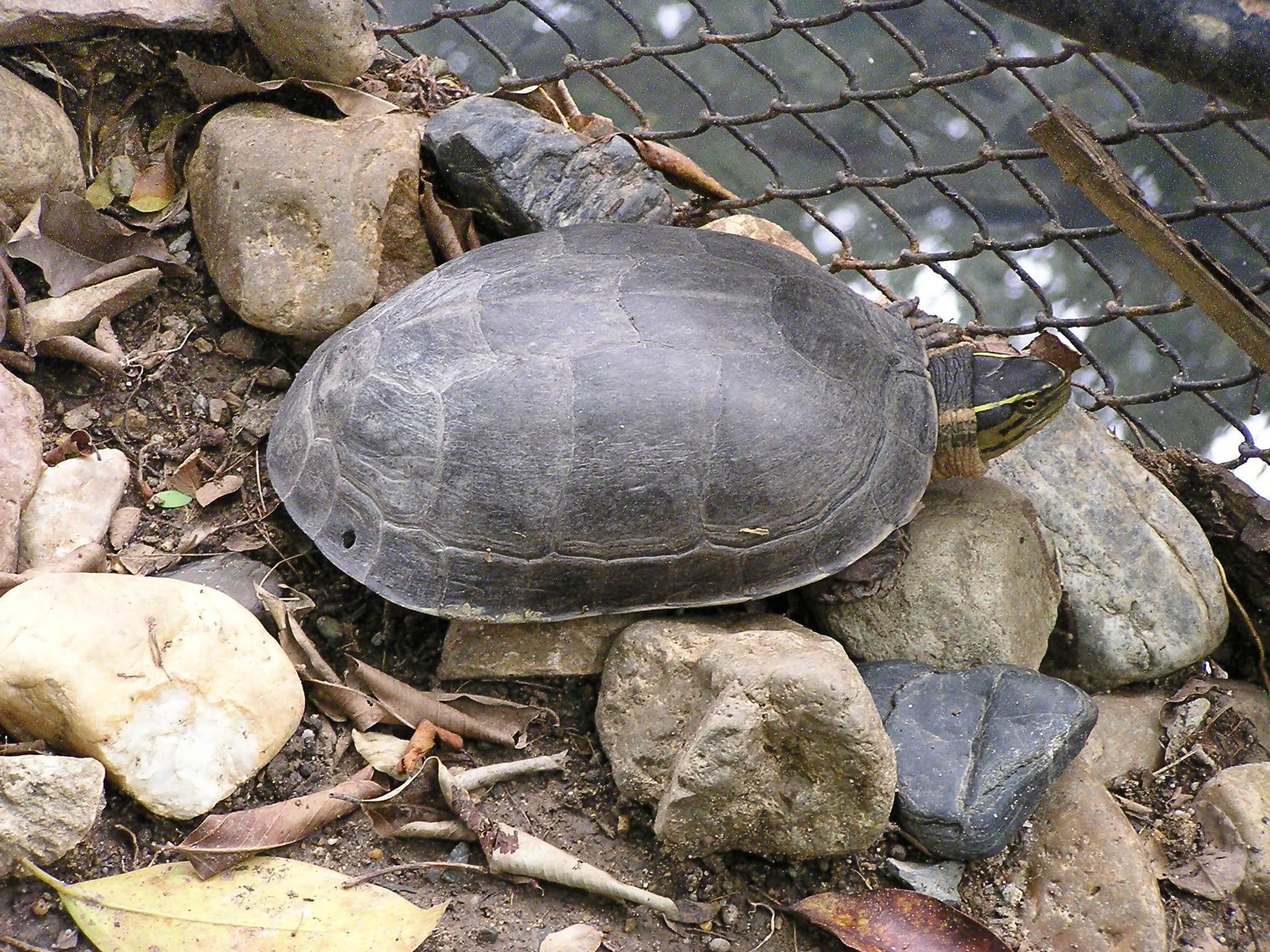
The Malayan Box Turtle is the type species of the genus Cuora and the most widely distributed species both within its genus and across the entire family Geoemydidae. It is considered the most aquatic member of the genus, often spending long periods in the water. Its plastron hinge is especially well developed, allowing the turtle to fold its shell almost completely shut against the carapace when it senses danger, protecting its body. Adults reach a maximum carapace length of 21.6 cm, with females growing larger than males. Calm and easy to observe, this turtle can become a long-term companion — captive individuals have been recorded living as long as 38 years.
View Malayan Box Turtle encyclopedia →0% commission on your first sales!Register by September 30, 2026 and your first 2 sales are commission-free!
Breeder Wanted!
List on BreederDirect and sell directly to customers nationwide!
6 Transparency Promises from Br-Choku
Every Reptiles & Amphibians from verified Breeder breeders includes complete information: morph, genetics, feeding requirements, and temperament details.
- Morph Information
- Actual Photos
- Feeding Information
- Temperament Information
- Genetics Information
- Age (Months)
Browse all 280 breeds
Difficulty Level
Feeding Type
Temperament
No listings match your filters
Adjust your filters, or get notified when new listings arrive.
Getting alerts is free with a member account. When new listings match your saved search, we'll notify you by email and in-app.
Browse other categories
Verified breeders (preview)
Are you raising reptiles & amphibians?
Register as a breeder and connect with buyers directly.
Apply as a breederMalayan Box Turtle key facts
- Care level
- Intermediate
- Lifespan
- Maximum recorded longevity in captivity is 38 years
- Size
- Carapace up to 21.6cm, with females larger than males
- Diet
- Leaves of aquatic and terrestrial plants, fruit, mushrooms, algae, insects, crustaceans, snails, fish and prepared pellets
- Temperature & Humidity
- It lives in tropical rainforest and savanna lowlands, and published keeping temperatures specific to this species are scarce. Heat the enclosure so it never gets cold and keep the humidity up.
- Enclosure
- As the most aquatic Cuora it needs an aqua-terrarium with a generous water area deep enough to swim in. Reflecting its liking for shallow still water with dense plants, add submerged plants and driftwood as cover.
- Diet & Feeding
- Omnivorous: offer leaves of aquatic and land plants, fruit, mushrooms and algae along with insects, crustaceans, snails and fish. It feeds both in water and on land. Give juveniles more animal food and raise the plant proportion as they grow.
- Temperament
- Comparatively placid, though like other box turtles males in breeding condition chase other animals. Unless breeding is intended, keeping it singly is the safer choice.
- Notes
- The genus Cuora was listed on CITES Appendix II in 2000, the current listing taking effect on 23 February 2023; Appendix II species need no individual registration certificate in Japan, and this one is neither a designated dangerous animal nor an invasive alien species there. Collection for food, medicine and the pet trade has reduced wild numbers, and some imported animals are believed to be smuggled.
About Malayan Box Turtle
The Malayan Box Turtle, type species of genus Cuora, is a highly aquatic, widely distributed turtle reaching up to 21.6 cm, with captive records of 38 years. It suits intermediate-level keepers.
7 things to know before welcoming a Malayan Box Turtle
1Prioritize a Water-Rich Setup
The Malayan Box Turtle is the most aquatic member of its genus, so a spacious, adequately deep water area is essential alongside dry land. Plan for both water quality management and a basking spot where the turtle can rest.
2The Hinged Plastron Explained
A well-developed hinge on the plastron lets the turtle fold its shell to nearly seal the gap with the carapace when startled, protecting its head and legs. This is a normal defensive behavior, so avoid trying to force the shell open.
3Best Suited to Intermediate Keepers
Keeping this species means managing temperature, humidity, and water quality together, which makes it better suited to keepers with some reptile experience. First-time owners should research care requirements thoroughly beforehand.
4Max Size and Sex Differences
Adults reach a maximum carapace length of 21.6 cm, with females typically growing larger than males. Plan ahead so the enclosure and water area can be enlarged as the turtle grows.
5Plan for a Long Commitment
Captive individuals have been recorded living as long as 38 years. Before bringing one home, consider whether you and your household can commit to care over the long term, not just a few years.
6Calm, Easy-to-Watch Temperament
Movements are relatively slow and calm, and the turtle settles in well when given a place to hide. Once accustomed to its surroundings, it will come out from cover and can be observed being active.
7Prepare the Habitat Before Arrival
It's best to set up the water area, dry land, hiding spots, and heating equipment before the turtle arrives. A ready environment reduces stress on the animal from the start.
Frequently asked questions about Malayan Box Turtle
- Q.Can beginners keep a Malayan Box Turtle?
- A.The Malayan Box Turtle is considered suited to intermediate keepers. Managing water quality, temperature, and humidity together makes it better suited to those with some reptile-keeping experience.
- Q.How large does it grow?
- A.Adults reach a maximum carapace length of 21.6 cm. Females tend to grow larger than males.
- Q.Does it need more land or water space?
- A.It is especially aquatic even within its genus and spends much of its time in water. Providing a sufficiently large and deep water area is important.
- Q.Why does it close its shell?
- A.A well-developed hinge on the plastron lets it fold its shell to nearly seal the gap with the carapace when startled, protecting its body. This is a normal defensive behavior.
- Q.How long can it live in captivity?
- A.The longest recorded captive lifespan is 38 years. Before getting one, it's worth considering whether you can provide care over the long term.
Useful tools for Malayan Box Turtle care
Learn more about Malayan Box Turtle in the encyclopedia
View Malayan Box Turtle encyclopedia entry →
Care difficulty, lifespan, size and diet — all basics covered.
More in this category
Can't find the one you're looking for?
Post your wishes for free and breeders with matching animals will contact you with introductions.