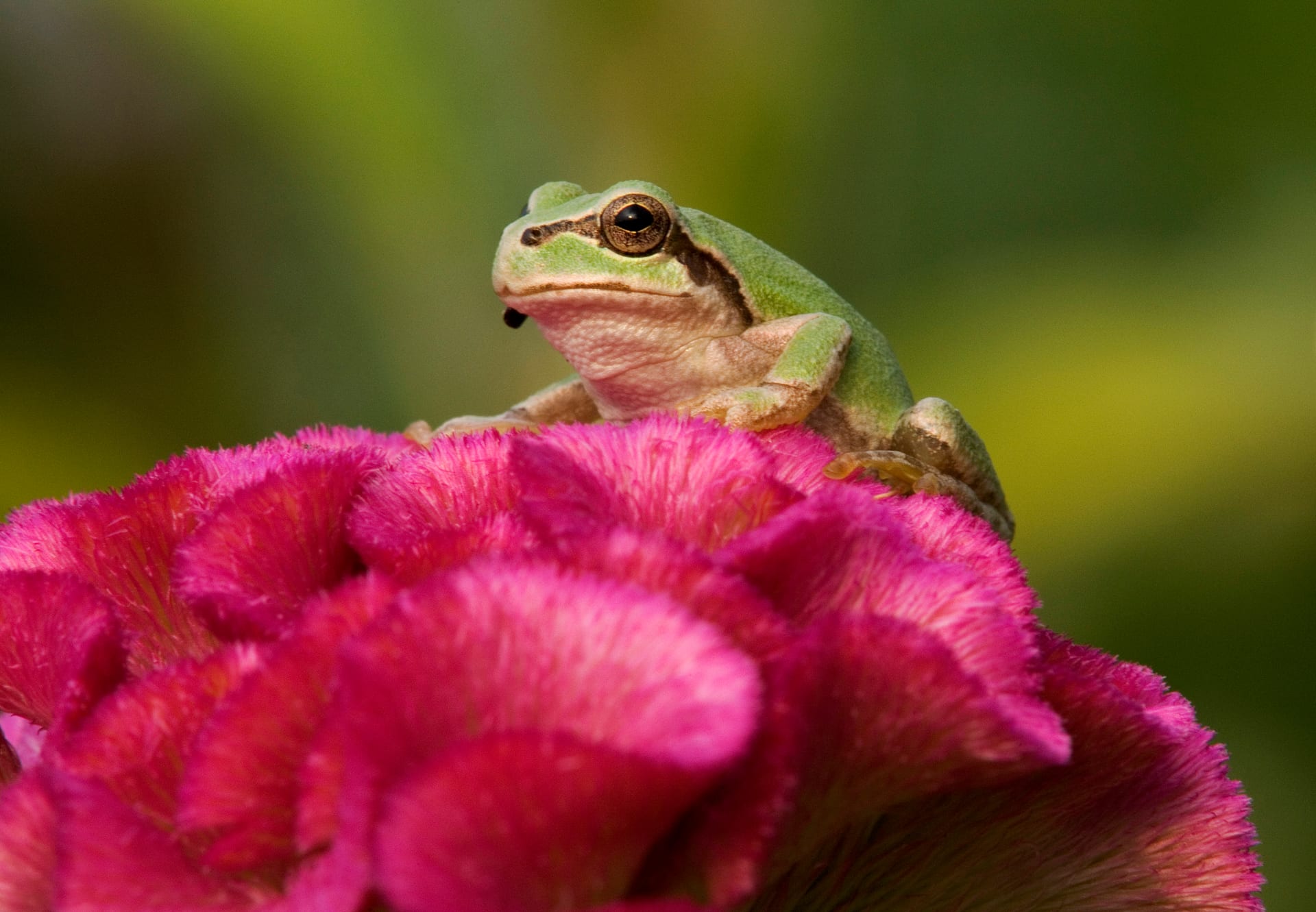
 © 池田正樹 (talk) masaki ikeda / CC BY-SA 3.0
Japanese Tree Frog
The Japanese tree frog is a small, familiar amphibian often spotted around rice paddies, ponds, and park water features across Japan. Its glossy bright green skin and round, gentle face give it an endearing look that has made it a favorite among frog keepers. Skin tone can shift slightly with surrounding color and humidity, so watching one closely reveals subtle changes over time. Its temperament is calm; loud calling is mostly limited to males during the breeding season, and their chorus starting up as rain begins is a sound long associated with life in Japan. It moves nimbly but isn't especially flighty, often settling into a relaxed routine in captivity. Adults stay compact at about 2 to 4 cm, and the species is considered beginner-friendly, making it an approachable choice for anyone new to keeping amphibians.
View Japanese Tree Frog encyclopedia →0% commission on your first sales!Register by September 30, 2026 and your first 2 sales are commission-free!
Breeder Wanted!
List on BreederDirect and sell directly to customers nationwide!
6 Transparency Promises from Br-Choku
Every Reptiles & Amphibians from verified Breeder breeders includes complete information: morph, genetics, feeding requirements, and temperament details.
- Morph Information
- Actual Photos
- Feeding Information
- Temperament Information
- Genetics Information
- Age (Months)
Browse all 280 breeds
Difficulty Level
Feeding Type
Temperament
No listings match your filters
Adjust your filters, or get notified when new listings arrive.
Getting alerts is free with a member account. When new listings match your saved search, we'll notify you by email and in-app.
Browse other categories
Verified breeders (preview)
Are you raising reptiles & amphibians?
Register as a breeder and connect with buyers directly.
Apply as a breederJapanese Tree Frog key facts
- Care level
- Beginner-friendly
- Lifespan
- 3-5 years
- Size
- 2-4cm
- Temperature
- 20〜26℃
- Humidity
- 60〜80%
- Diet
- Small insects (fruit flies, small crickets)
- Enclosure
- Tall plastic case. Ensure ventilated lid
- Temperature & Humidity
- Keep the temperature at 20-26°C and humidity at 60-80%. Mist daily to maintain humidity while a ventilated lid prevents stuffiness.
- Diet & Feeding
- Live insects such as crickets are the staple. Since it is only 2-4cm long, choose prey that fits its mouth, such as fruit flies or small crickets.
- Diet
- Live food only. Will not eat artificial diet
- Notes
- Secretes mild toxin from skin — wash hands after handling
About Japanese Tree Frog
An overview of the Japanese tree frog's traits, temperament, and care basics — a compact 2-4 cm species with a 3-5 year lifespan that's considered beginner-friendly.
7 things to know before welcoming a Japanese Tree Frog
1Enclosure Size Basics
Being a small frog, it can be kept in a fairly compact enclosure. Choose a well-ventilated container with a secure lid, since these frogs are skilled climbers that can slip through small gaps.
2Humidity and Water Care
Japanese tree frogs absorb moisture through their skin, so maintaining adequate humidity in the enclosure is essential. Keep the water dish clean and change it regularly, and mist the enclosure periodically to prevent it from drying out.
3Day and Night Activity
During the day they tend to rest quietly, tucked among leaves or against the enclosure walls, becoming more active at night. Don't worry if you can't spot yours during the day — check its favorite hiding spots instead.
4Feeding Routine
They prefer small live insects as food. Remove any uneaten prey promptly to keep the enclosure clean, which helps support their overall health.
5Temperature Management
Extreme heat or cold can affect their condition. Keep the enclosure away from direct sunlight and air conditioner drafts, and check for temperature swings across the seasons.
6Be Ready for Calling
Males can call loudly during the breeding season. If you live in an apartment, it's worth thinking ahead about where to place the enclosure and how the calling might be heard by neighbors.
7Handle With Care
Their skin is thin and sensitive, so handling should be kept to a minimum, and hands should always be washed after any contact. Residue such as sweat or lotion on human hands can be harmful to the frog.
Frequently asked questions about Japanese Tree Frog
- Q.Can beginners keep this frog?
- A.Yes, the Japanese tree frog is generally considered a beginner-friendly species. As long as you can keep up with basic humidity management and feeding, it's an approachable choice even for first-time amphibian keepers.
- Q.How long can I expect to keep one?
- A.Their lifespan is typically around 3 to 5 years. Consistent, attentive care of their environment day to day is key to helping them live a long, healthy life.
- Q.How big does it grow?
- A.Even as adults, they stay small at around 2 to 4 cm. That compact size makes them easy to house without needing much space.
- Q.How loud is its call?
- A.Males can call fairly loudly during the breeding season. Depending on the time of day and where the enclosure is placed, this may be noticeable as household noise, so it's worth thinking about in advance.
- Q.Can I keep it in the same room as other pets?
- A.Since they prefer a calm environment, placing the enclosure somewhere with little noise or vibration helps them settle in comfortably. Avoid letting other pets have direct contact with the enclosure.
Useful tools for Japanese Tree Frog care
Learn more about Japanese Tree Frog in the encyclopedia
View Japanese Tree Frog encyclopedia entry →
Care difficulty, lifespan, size and diet — all basics covered.
More in this category
Can't find the one you're looking for?
Post your wishes for free and breeders with matching animals will contact you with introductions.