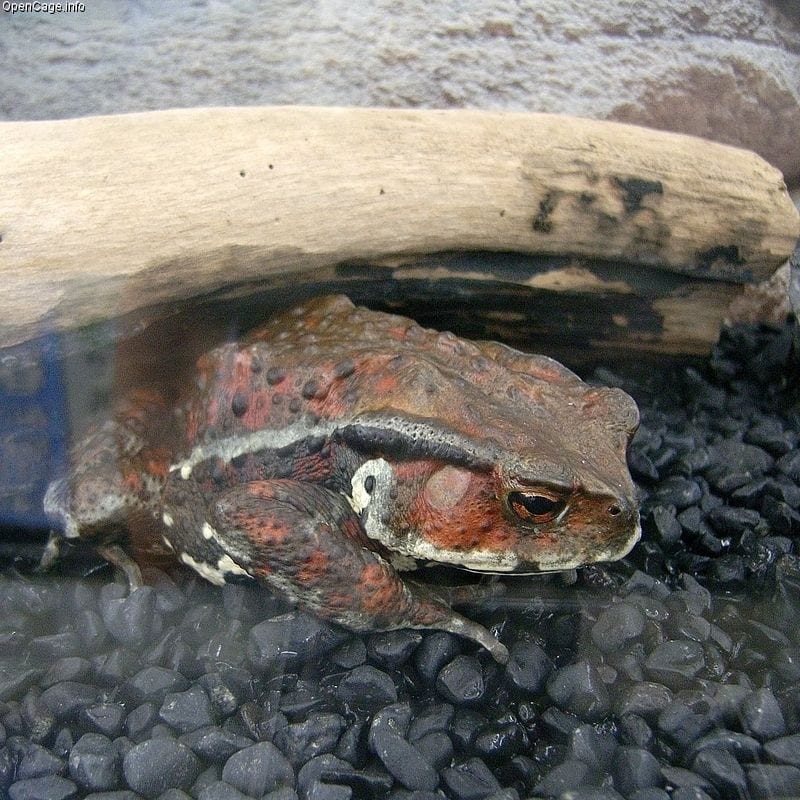
 © Daiju Azuma / CC BY-SA 2.5
Japanese Common Toad
The Japanese Common Toad is a species found only in Japan, naturally distributed from the southern Kinki region westward. It is a substantial animal capable of reaching up to 17.6 cm in length, and most individuals are slow-moving with a calm, unhurried temperament that suits first-time amphibian keepers well. Its parotoid glands secrete a toxin called bufotoxin, so basic precautions like washing your hands after handling are important, but its very low dependence on standing water means it can thrive in a mostly terrestrial setup. With its solid, dignified presence, it is a toad that rewards quiet observation over time.
View Japanese Common Toad encyclopedia →0% commission on your first sales!Register by September 30, 2026 and your first 2 sales are commission-free!
Breeder Wanted!
List on BreederDirect and sell directly to customers nationwide!
6 Transparency Promises from Br-Choku
Every Reptiles & Amphibians from verified Breeder breeders includes complete information: morph, genetics, feeding requirements, and temperament details.
- Morph Information
- Actual Photos
- Feeding Information
- Temperament Information
- Genetics Information
- Age (Months)
Browse all 280 breeds
Difficulty Level
Feeding Type
Temperament
No listings match your filters
Adjust your filters, or get notified when new listings arrive.
Getting alerts is free with a member account. When new listings match your saved search, we'll notify you by email and in-app.
Browse other categories
Verified breeders (preview)
Are you raising reptiles & amphibians?
Register as a breeder and connect with buyers directly.
Apply as a breederJapanese Common Toad key facts
- Care level
- Beginner-friendly
- Lifespan
- 3-8 years
- Size
- 7-17.6cm
- Diet
- Insects and earthworms
- Temperature & Humidity
- No reliable primary source giving specific keeping temperature or humidity figures could be confirmed, so none are stated. As a Japanese native it is kept close to local ambient conditions.
- Enclosure
- Terrestrial and barely dependent on water, so use a wide enclosure with deep substrate. Provide a damp area it can burrow into and a shallow dish it can sit in.
- Diet & Feeding
- Carnivorous, taking insects and earthworms, and fed after lights out. It grows large and puts on weight easily, so watch portion sizes.
- Temperament
- Slow-moving and timid. When disturbed it inflates and hunkers down. It is not a species for handling.
- Notes
- It secretes bufotoxin from the parotoid glands, so wash your hands after handling and keep them away from eyes and mouth. Introduced animals already hybridise with the eastern toad in Tokyo, so never release it outdoors.
About Japanese Common Toad
The Japanese Common Toad is a native Japanese species reaching up to 17.6 cm, known for its calm temperament and low dependence on water, making it an approachable choice for beginners.
7 things to know before welcoming a Japanese Common Toad
1Care Around the Parotoid Glands
The parotoid glands behind the eyes secrete a toxin called bufotoxin, so always wash your hands after handling before touching your eyes or mouth. It isn't absorbed through intact skin, but keep other pets and small children from making direct contact.
2A Land-Focused Setup
Because this toad relies very little on standing water, a setup with plenty of land area and just a shallow water dish works well. Keeping the substrate — peat moss or coconut fiber, for example — lightly moist helps maintain comfortable humidity.
3A Calm, Unhurried Temperament
This species tends to move slowly and stay calm rather than skittish. Individuals often rest quietly in hiding spots during the day and become more active in the evening.
4Grows Up to 17.6 cm
Adults grow to roughly 7-17.6 cm, giving them an impressively solid build among toads. Plan for a larger enclosure and enough substrate as your toad grows.
5Provide Several Hides
This toad likes to tuck itself away, so providing several hides — a shelter, a piece of driftwood — helps it feel secure. Having enough hiding spots also reduces stress.
6A Diet of Live Insects
This is a carnivorous species that feeds mainly on live insects such as crickets. Match prey size to the individual's size, and remove any uneaten food promptly to keep the enclosure clean.
7Preparing Before You Bring One Home
Before bringing one home, set up the enclosure in advance with land area, moist substrate, a water dish, and hides so the toad can settle in smoothly. It's considered beginner-friendly, but it's worth letting everyone in the household know about the toxin-secreting glands.
Frequently asked questions about Japanese Common Toad
- Q.Is the Japanese Common Toad dangerous because it's venomous?
- A.Its parotoid glands secrete a toxin called bufotoxin, but simply touching it with bare hands isn't immediately dangerous. As long as you follow basic precautions — washing your hands afterward and avoiding contact with your eyes or mouth — there's no need for excessive worry.
- Q.Can beginners keep this species?
- A.Yes, it's generally considered a beginner-friendly species. Individuals tend to move slowly and have a calm temperament, and their low dependence on standing water makes environmental management relatively straightforward compared with many other amphibians.
- Q.Does it need a water dish?
- A.Its dependence on standing water is very low, but it's still a good idea to provide a water dish. Combine this with lightly moistening the substrate to keep humidity at a comfortable level.
- Q.How large does it grow?
- A.Adults reach roughly 7 to 17.6 cm in length. That places it among the larger members of the toad family, so it's worth choosing an enclosure size with future growth in mind.
- Q.What should I feed it?
- A.Feed it primarily live insects such as crickets. Choose prey sized appropriately for the individual, and remove leftovers promptly to keep the enclosure clean.
Useful tools for Japanese Common Toad care
Learn more about Japanese Common Toad in the encyclopedia
View Japanese Common Toad encyclopedia entry →
Care difficulty, lifespan, size and diet — all basics covered.
More in this category
Can't find the one you're looking for?
Post your wishes for free and breeders with matching animals will contact you with introductions.