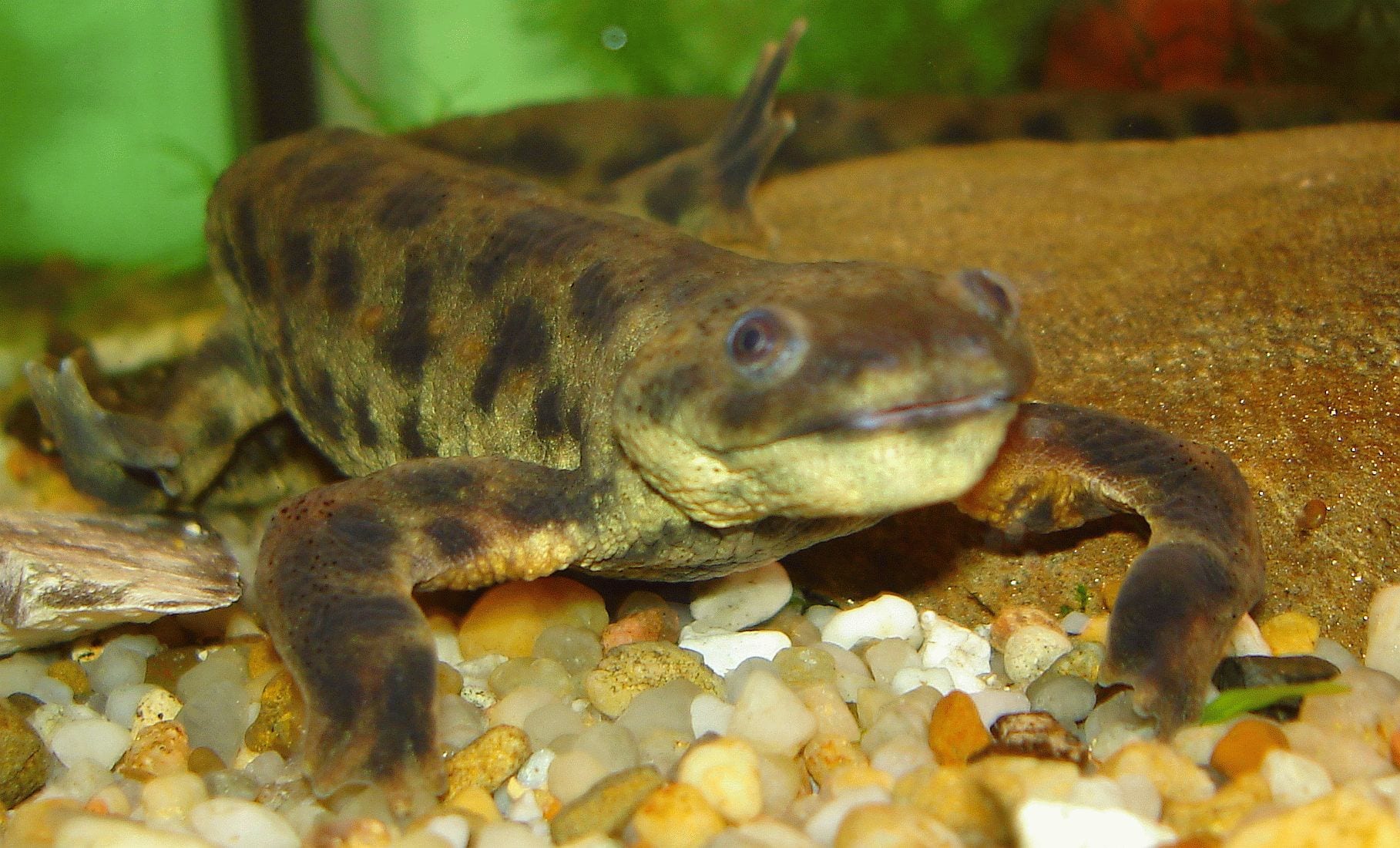
 © Ark pl wiki / CC BY 3.0
Iberian Ribbed Newt
The Iberian ribbed newt is one of Europe's largest newt species, native to the Iberian Peninsula and Morocco, capable of reaching up to 30 cm in length. Rows of orange-tipped tubercles line its flanks, and when threatened, it can push the sharp tips of its own ribs through these spots as a unique defense mechanism rarely seen in other amphibians. Almost entirely aquatic, this hardy species has a calm temperament and breeds relatively easily in captivity, making it an appealing choice for beginners interested in keeping an aquatic amphibian.
View Iberian Ribbed Newt encyclopedia →0% commission on your first sales!Register by September 30, 2026 and your first 2 sales are commission-free!
Breeder Wanted!
List on BreederDirect and sell directly to customers nationwide!
6 Transparency Promises from Br-Choku
Every Reptiles & Amphibians from verified Breeder breeders includes complete information: morph, genetics, feeding requirements, and temperament details.
- Morph Information
- Actual Photos
- Feeding Information
- Temperament Information
- Genetics Information
- Age (Months)
Browse all 280 breeds
Difficulty Level
Feeding Type
Temperament
No listings match your filters
Adjust your filters, or get notified when new listings arrive.
Getting alerts is free with a member account. When new listings match your saved search, we'll notify you by email and in-app.
Browse other categories
Verified breeders (preview)
Are you raising reptiles & amphibians?
Register as a breeder and connect with buyers directly.
Apply as a breederAbout Iberian Ribbed Newt
Europe's largest newt, native to the Iberian Peninsula, reaching up to 30 cm. Known for pushing its ribs through orange tubercles in defense — hardy, fully aquatic, and beginner-friendly.
7 things to know before welcoming a Iberian Ribbed Newt
1A Fully Aquatic Lifestyle
The Iberian ribbed newt spends nearly its entire life underwater and rarely comes ashore. Prioritize a spacious aquatic setup with plenty of water volume rather than land area.
2The Defense Behind Its Name
When startled or grabbed, it pushes the tips of its own ribs through the orange tubercles on its sides as a defense mechanism. Handle it gently and infrequently out of respect for this response.
3One of Europe's Largest Newts
In captivity, adults typically reach 15-20 cm, though wild individuals have been recorded at up to 30 cm, making this one of Europe's largest newt species. Plan for a roomy tank that accommodates their eventual size.
4Calm and Hardy by Nature
This newt is generally calm-tempered and robust, making it manageable even for first-time keepers. It's considered beginner-friendly, and staying on top of basic water quality goes a long way toward keeping it healthy.
5Water Quality Habits Matter
Because it lives entirely in water, water quality has a direct impact on its health. Keep the filter well maintained and change water on a regular schedule, aiming for a cool-to-moderate water temperature.
6Choose Tankmates Carefully
As a slow-moving aquatic newt, it can be nipped by fast, aggressive fish sharing its tank. Housing it alone, or only with its own kind, is generally the safer approach.
7Prepare the Tank First
Before bringing one home, set up the tank with driftwood or plants for hiding spots and a secure lid to prevent escapes, letting the water stabilize before introducing the newt. Since this species breeds fairly easily, it's worth planning ahead for future space needs.
Frequently asked questions about Iberian Ribbed Newt
- Q.Can beginners keep this newt?
- A.Yes, it's considered a beginner-friendly species. It's hardy and manageable with basic water quality care, making it a good entry point into keeping fully aquatic amphibians.
- Q.How big of a tank does it need?
- A.Adults typically grow to around 15-20 cm (with wild individuals occasionally reaching 30 cm), so it's important to provide a tank sized with that eventual growth in mind.
- Q.Is it dangerous when spines seem to poke out of its body?
- A.This is a unique defense behavior where the newt pushes the tips of its own ribs through the orange tubercles on its skin when startled. It's a natural defense reaction, so handle it gently and avoid picking it up often.
- Q.Can it live with other fish or animals?
- A.Because it moves slowly, housing it with active or aggressive fish can lead to nipping. It's best kept alone or only with others of its own kind.
- Q.Is it subject to CITES regulations?
- A.No, the Iberian ribbed newt is not listed under CITES.
Useful tools for Iberian Ribbed Newt care
Learn more about Iberian Ribbed Newt in the encyclopedia
View Iberian Ribbed Newt encyclopedia entry →
Care difficulty, lifespan, size and diet — all basics covered.
More in this category
Can't find the one you're looking for?
Post your wishes for free and breeders with matching animals will contact you with introductions.