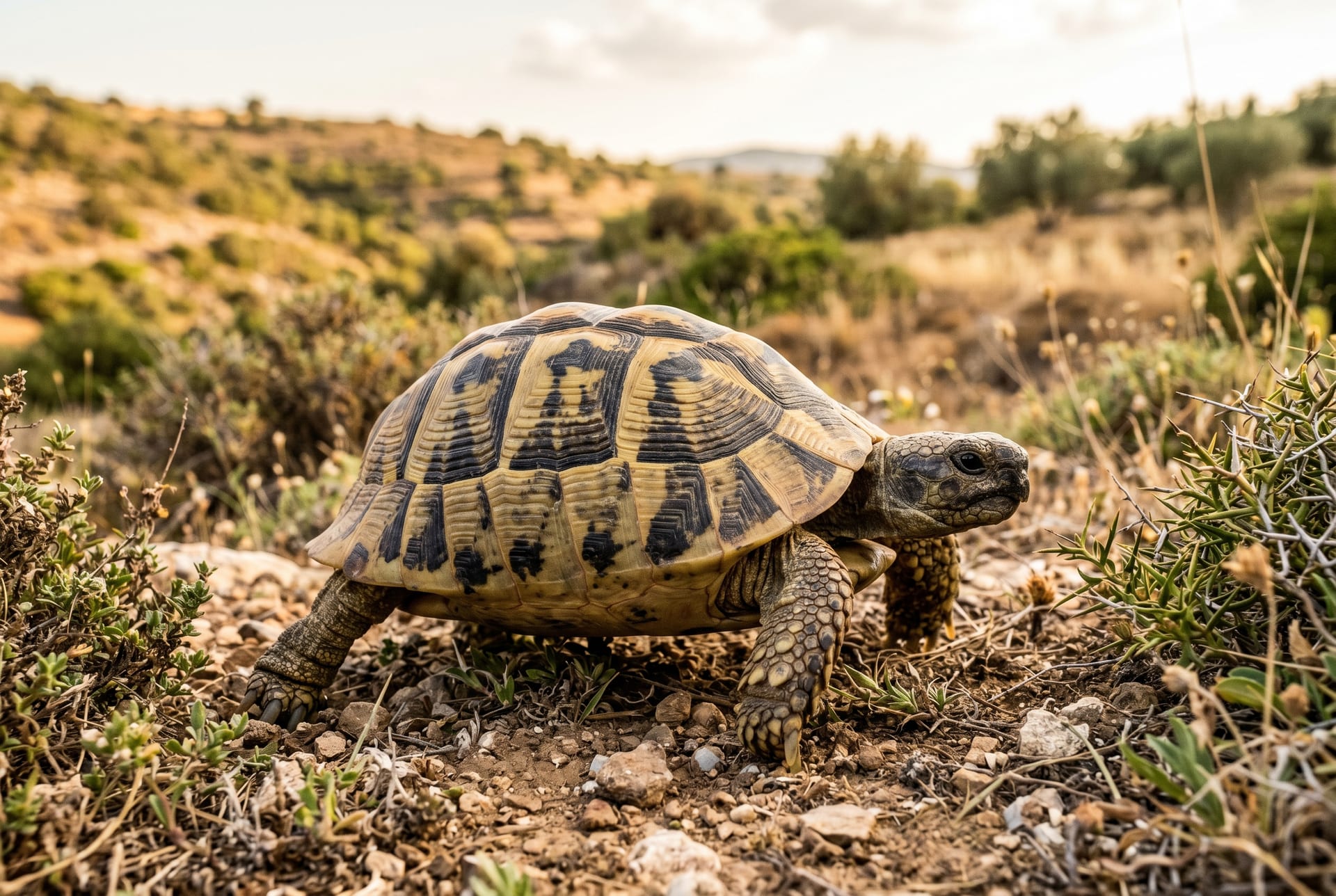
Greek Tortoise
The Greek tortoise is a Mediterranean species known for its yellowish-brown shell marked with dark blotches. Hardy and highly adaptable, it tends to have a calm, personable temperament that many keepers find endearing, especially when basking in the sun. Its diet is primarily plant-based, built around vegetables and grazing hay. Adults typically reach 15-25cm in shell length and can live 30 years or more, so bringing one home means committing to lifelong care. Considered a species suited to intermediate keepers, it's best kept by those who already have some grounding in tortoise husbandry, temperature control, and humidity management.
View Greek Tortoise encyclopedia →0% commission on your first sales!Register by September 30, 2026 and your first 2 sales are commission-free!
Breeder Wanted!
List on BreederDirect and sell directly to customers nationwide!
6 Transparency Promises from Br-Choku
Every Reptiles & Amphibians from verified Breeder breeders includes complete information: morph, genetics, feeding requirements, and temperament details.
- Morph Information
- Actual Photos
- Feeding Information
- Temperament Information
- Genetics Information
- Age (Months)
Browse all 280 breeds
Difficulty Level
Feeding Type
Temperament
No listings match your filters
Adjust your filters, or get notified when new listings arrive.
Getting alerts is free with a member account. When new listings match your saved search, we'll notify you by email and in-app.
Browse other categories
Verified breeders (preview)
Are you raising reptiles & amphibians?
Register as a breeder and connect with buyers directly.
Apply as a breederAbout Greek Tortoise
Greek tortoises are hardy Mediterranean tortoises reaching 15-25cm with a lifespan of 30+ years, suited to intermediate keepers. Learn their traits, temperament, and what to know before bringing one home.
7 things to know before welcoming a Greek Tortoise
1Basking and UVB Light
Greek tortoises enjoy basking and rely on UV exposure to support healthy shell and bone development. If outdoor access isn't possible, a UVB lighting setup should be provided indoors.
2Temperature and Humidity
Coming from a Mediterranean climate, Greek tortoises prefer a relatively dry environment with some temperature variation. Set up both a warm basking spot and a shaded, cooler area, and avoid excessive heat or humidity.
3A Plant-Based Diet
Their diet centers on hay, fiber-rich vegetables, and edible weeds. Because fruit- or protein-heavy meals can upset their balance, aim for a varied, fiber-focused menu.
4Brumation Considerations
In the wild, Greek tortoises brumate (a reptile form of hibernation) as temperatures drop. Whether and how to allow brumation depends on the individual tortoise's condition, so it's worth researching carefully before deciding.
5Calm, but Territorial Males
Greek tortoises are generally calm and can grow comfortable around people, but males may clash over territory when kept together. If you're considering keeping more than one, think carefully about sex, compatibility, and space.
6Watch Shell and Health Cues
The shape and firmness of the shell, along with appetite and waste, offer clues to overall health. Get into the habit of observing your tortoise regularly, and consult a reptile-experienced vet if anything seems off.
7Give Them Room to Roam
Adults grow to 15-25cm in shell length and are active walkers, so they need a good amount of space. They're also capable diggers, so sturdy fencing or walls to prevent escape are essential.
Frequently asked questions about Greek Tortoise
- Q.Are Greek tortoises suitable for beginners?
- A.They're generally categorized as suited to intermediate keepers. While hardy and adaptable, they need a dedicated setup for temperature, humidity, and UV lighting, so some prior knowledge of tortoise care is recommended before bringing one home.
- Q.How big do Greek tortoises get?
- A.Adults typically reach a shell length of about 15 to 25cm. Growth speed varies by individual, but it's best to prepare an enclosure sized for their eventual adult size from the start.
- Q.How long do Greek tortoises live?
- A.With appropriate care, they can live 30 years or more, making them a very long-lived pet. Before bringing one home, it's worth thinking about your own life plans and whether you can commit to their entire lifespan.
- Q.Do Greek tortoises need to hibernate in winter?
- A.In the wild they brumate as temperatures fall, but brumation isn't strictly required in captivity. The right approach depends on the individual tortoise's health and living conditions, so research the options carefully before deciding.
- Q.Is outdoor or indoor housing better for them?
- A.Because they enjoy basking, outdoor housing suits them well, but indoor housing with UVB lighting can serve as an alternative depending on your climate and living situation. Either way, managing temperature swings and preventing escape are essential.
Useful tools for Greek Tortoise care
Learn more about Greek Tortoise in the encyclopedia
View Greek Tortoise encyclopedia entry →
Care difficulty, lifespan, size and diet — all basics covered.
More in this category
Can't find the one you're looking for?
Post your wishes for free and breeders with matching animals will contact you with introductions.