 © Σ64 / CC BY 3.0
Forest Green Tree Frog
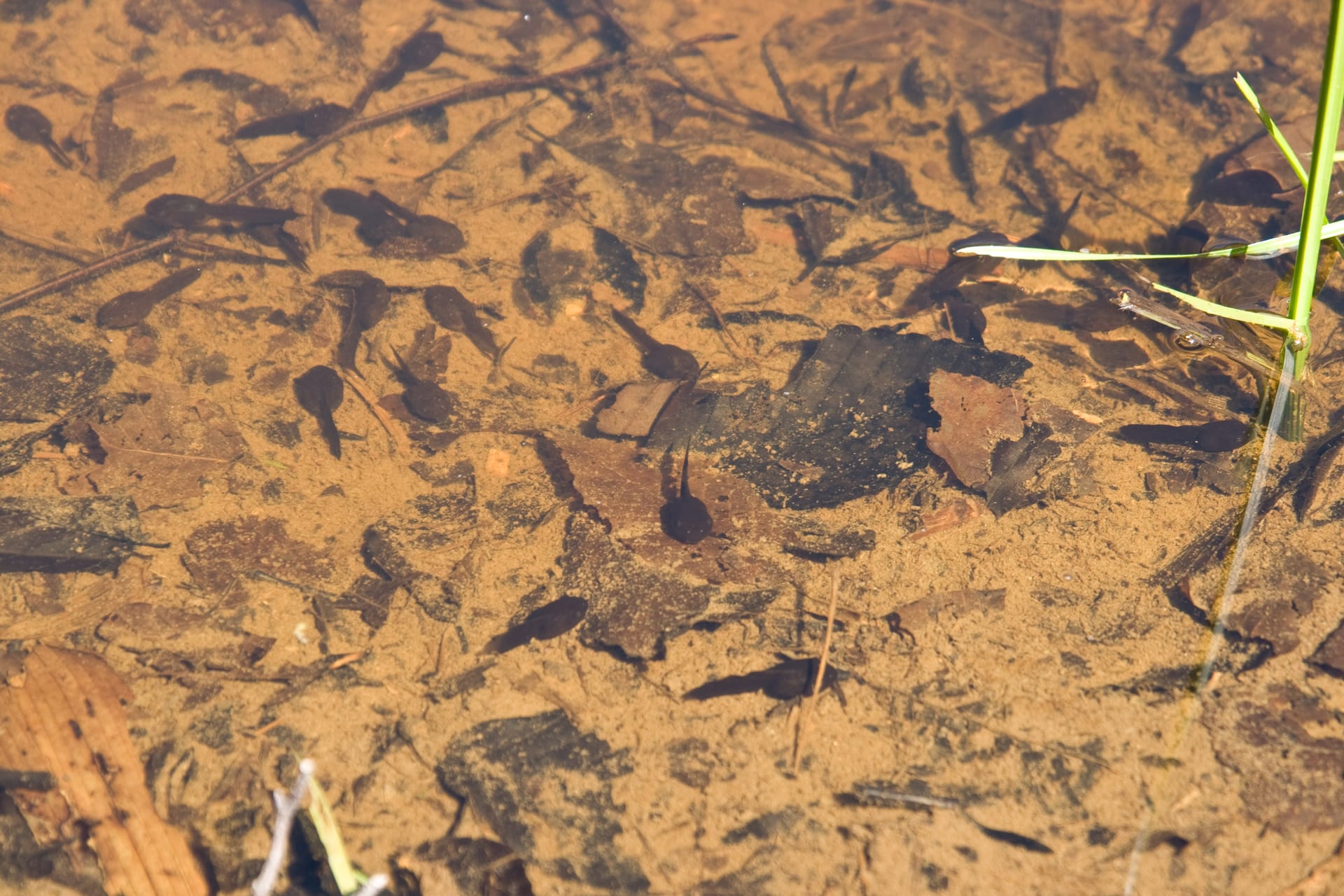
The Forest Green Tree Frog is a species of green tree frog native to Honshu, Japan, found nowhere else in the world. Its signature trait is an unusual breeding behavior: females whip up frothy white foam nests on branches overhanging ponds and streams, where the egg masses stay protected until the tadpoles drop into the water below. Its bright green body is marked with fine reddish-brown speckles, and its reddish-brown iris is a key feature that sets it apart from closely related species. Calm and generally quiet by nature, this arboreal frog appreciates a vertically oriented enclosure with plenty of climbing space. It's considered a better fit for keepers with some prior experience, since maintaining the right temperature and humidity takes a bit of know-how — but its striking looks and remarkable breeding habits make it a rewarding species to observe.
View Forest Green Tree Frog encyclopedia →0% commission on your first sales!Register by September 30, 2026 and your first 2 sales are commission-free!
Breeder Wanted!
List on BreederDirect and sell directly to customers nationwide!
6 Transparency Promises from Br-Choku
Every Reptiles & Amphibians from verified Breeder breeders includes complete information: morph, genetics, feeding requirements, and temperament details.
- Morph Information
- Actual Photos
- Feeding Information
- Temperament Information
- Genetics Information
- Age (Months)
Browse all 280 breeds
Difficulty Level
Feeding Type
Temperament
No listings match your filters
Adjust your filters, or get notified when new listings arrive.
Getting alerts is free with a member account. When new listings match your saved search, we'll notify you by email and in-app.
Browse other categories
Verified breeders (preview)
Are you raising reptiles & amphibians?
Register as a breeder and connect with buyers directly.
Apply as a breederForest Green Tree Frog key facts
- Care level
- Intermediate
- Lifespan
- 5-10 years
- Size
- 4.2-8.2cm
- Diet
- Spiders and insects such as grasshoppers
- Temperature & Humidity
- The species is montane and reported to dislike heat, so protect it from high summer temperatures.
- Enclosure
- Arboreal and fairly large, so use a tall enclosure with branches and broad-leaved plants as perches, good ventilation and a shallow water area.
- Diet & Feeding
- Wild adults eat mainly spiders and grasshoppers. In captivity offer appropriately sized crickets after lights out, dusted with supplement.
- Temperament
- Nocturnal and slow-moving, living largely alone in trees outside the breeding season.
- Notes
- Collecting is prohibited at the breeding sites designated as national natural monuments. Populations in southern Kanto are suspected to be human introductions, and releasing captive frogs causes genetic disturbance.
About Forest Green Tree Frog
A tree frog native to Honshu, Japan, known for laying white foam egg masses on branches over water. It has a green body with reddish-brown markings and a reddish-brown iris, and grows to about 4.2–8.2 cm; best suited to keepers with some experience.
7 things to know before welcoming a Forest Green Tree Frog
1Foam-nest breeding habit
Females whip up a white foam nest on branches or surfaces overhanging water, beating their eggs into a frothy mass with their hind legs. As the foam breaks down, the hatched tadpoles drop into the water below — a distinctive life cycle for this species.
2Arboreal — build up, not out
This frog spends most of its life off the ground, so a tall enclosure with climbing branches and plants suits it better than a wide, flat setup. Vertical space helps it settle in and feel secure.
3Intermediate-level care
This species is generally considered suitable for keepers with some prior experience, since temperature and humidity need adjusting with the seasons. It doesn't tolerate extreme dryness or heat well, so daily monitoring of enclosure conditions matters.
4Calm, quiet temperament
It isn't a highly active frog and tends to stay still in cover during the day. To avoid stressing it, handling is best kept to a minimum.
5Sensitive skin
Like amphibians in general, this frog readily absorbs moisture and substances through its skin. Always wash your hands before any contact, and avoid touching it with dry hands or hands with chemical residue on them.
6Look for the reddish iris
A green body with fine reddish-brown speckling and a reddish-brown iris are the key features that set it apart from closely related tree frog species. Knowing these traits beforehand makes observing your frog more rewarding.
7Prepare the setup in advance
Adults grow to roughly 4.2–8.2 cm, so it's worth choosing an enclosure sized for their full-grown proportions from the start. Set up climbing spaces, hides, and a water dish suited to its arboreal lifestyle before bringing one home.
Frequently asked questions about Forest Green Tree Frog
- Q.How long do Forest Green Tree Frogs typically live?
- A.Clear, published lifespan data for this species is limited, and it can vary by individual and care conditions. Since this may be a long-term companion, keeping a close eye on its day-to-day health and condition is important.
- Q.Is this frog suitable for beginners?
- A.The Forest Green Tree Frog is generally considered an intermediate-level species, requiring some knowledge and experience with temperature and humidity management. It's best suited to keepers who already have some amphibian-keeping experience or who research thoroughly beforehand.
- Q.How big do adults get?
- A.Adults typically reach around 4.2–8.2 cm in length. There is some individual variation, so it's best to plan for a range rather than an exact size.
- Q.How can I tell it apart from other green frogs?
- A.Look for a green body with fine reddish-brown speckling and a reddish-brown iris, which are the key features that distinguish it from closely related species. The exact shade of green can vary between individuals.
- Q.Is this species regulated under CITES?
- A.The Forest Green Tree Frog is not subject to CITES.
Useful tools for Forest Green Tree Frog care
Learn more about Forest Green Tree Frog in the encyclopedia
View Forest Green Tree Frog encyclopedia entry →
Care difficulty, lifespan, size and diet — all basics covered.
More in this category
Can't find the one you're looking for?
Post your wishes for free and breeders with matching animals will contact you with introductions.