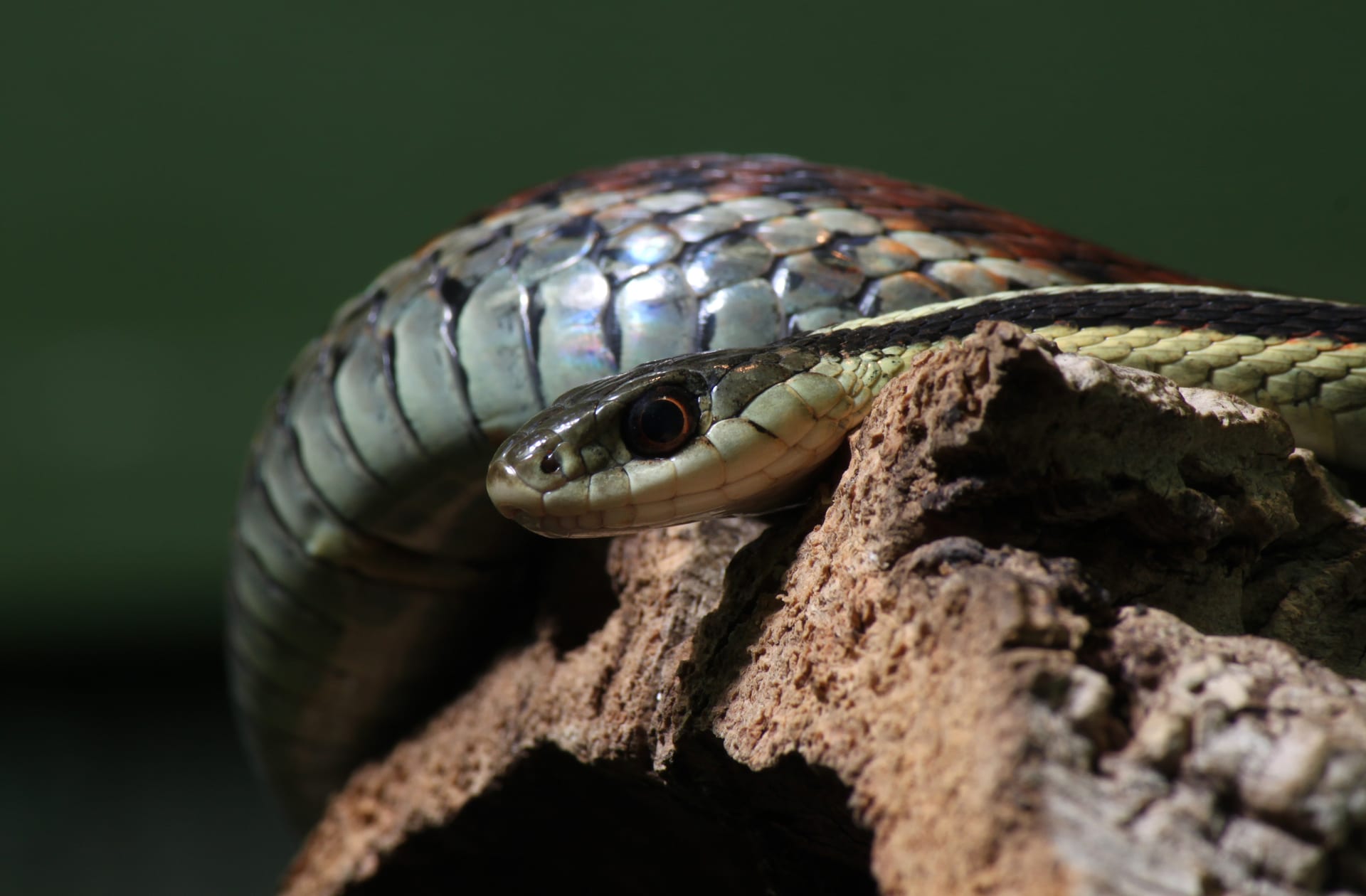
 © Holger Krisp / CC BY 3.0
Common Garter Snake
The Common Garter Snake is the most widely distributed colubrid snake in North America, easily recognized by its black, brown, or green base color marked with bold yellow stripes. Adults average around 55cm, making them easy to handle, and their generally calm temperament has made them a favorite starter snake for reptile beginners. Hardy and adaptable, they tolerate group housing well, making them a great choice for first-time keepers looking for a snake companion who can live with them for 10 years or more.
View Common Garter Snake encyclopedia →0% commission on your first sales!Register by September 30, 2026 and your first 2 sales are commission-free!
Breeder Wanted!
List on BreederDirect and sell directly to customers nationwide!
6 Transparency Promises from Br-Choku
Every Reptiles & Amphibians from verified Breeder breeders includes complete information: morph, genetics, feeding requirements, and temperament details.
- Morph Information
- Actual Photos
- Feeding Information
- Temperament Information
- Genetics Information
- Age (Months)
Browse all 280 breeds
Difficulty Level
Feeding Type
Temperament
No listings match your filters
Adjust your filters, or get notified when new listings arrive.
Getting alerts is free with a member account. When new listings match your saved search, we'll notify you by email and in-app.
Browse other categories
Verified breeders (preview)
Are you raising reptiles & amphibians?
Register as a breeder and connect with buyers directly.
Apply as a breederCommon Garter Snake key facts
- Care level
- Beginner-friendly
- Lifespan
- 10 years or more
- Size
- About 55cm on average (max 137cm)
- Temperature
- Humidity
- 35〜60%
- Diet
- Frozen-thawed mice, fish, earthworms, amphibians
- Temperature & Humidity
- Keep the basking surface at 29-32 C and the cool side at 23-27 C, dropping to 18-24 C at night. Cool-side air temperatures above 33 C are dangerous. Aim for 35-60% humidity, measured with a digital hygrometer probe placed in the middle of the enclosure.
- Enclosure
- Active climbers and swimmers, so allow at least 120 x 60 x 60 cm for a single adult. Provide a substrate layer at least 5 cm deep, topped with leaf litter to hold humidity and encourage exploration. A water container large enough for the whole snake to soak in should always be available.
- Diet & Feeding
- In the wild it eats fish, amphibians and earthworms. In captivity the staple should be appropriately sized frozen-thawed mice; a diet of fish alone can cause thiamine deficiency.
- Temperament
- Placid and tolerant of handling, though a startled snake will release a foul-smelling secretion from its cloaca. Its venom is very weak and a bite poses no danger to people.
- Notes
- Not listed on any CITES appendix, and not among the designated dangerous animals in the Japanese Act on Welfare and Management of Animals. One of the few snakes that can be kept in groups, but feed individuals separately to avoid accidents.
About Common Garter Snake
The Common Garter Snake is a small-to-medium North American snake with bold yellow stripes, widely kept as a beginner-friendly starter species.
7 things to know before welcoming a Common Garter Snake
1Enclosure Size
Adults average around 55cm but can reach up to 137cm, so provide an enclosure large enough for the snake to stretch out fully. Because individual growth varies, plan to reassess enclosure size as your snake matures.
2Temperature & Humidity
As with most pet snakes, maintaining a temperature gradient in the enclosure (a warm side and a cool side) is fundamental to their well-being. Keep humidity from dropping too low, as this can lead to incomplete shedding, and provide a water dish while monitoring conditions regularly.
3Docile, Easy-to-Handle Temperament
They generally have a calm temperament and, once accustomed to handling, can be quite docile. That said, wild-caught or unaccustomed individuals may hiss or release musk as a defensive response when startled.
4Group Housing
The Common Garter Snake is one of the few snake species hardy enough to be kept in small groups within the same enclosure. That said, when housing multiple individuals together, it's essential to monitor each snake's feeding and health closely.
5Diet & Feeding Notes
Their dietary preferences can differ from those of many common pet snakes, so it's worth confirming the appropriate food type and feeding frequency for your specific snake before bringing one home. Feeding response can vary between individuals.
6Escape Prevention
They are slender and quick-moving, so choose an enclosure with a secure, well-fitted lid or lock. Even small gaps can allow an escape, so make it a habit to regularly inspect the entire setup.
7Long-Term Commitment
With a lifespan of 10 years or more, it's important to consider in advance whether you can provide care over the long term before bringing one home. Plan ahead for life changes such as travel or moving.
Frequently asked questions about Common Garter Snake
- Q.Is this species suitable for first-time snake owners?
- A.Yes, this species is generally considered beginner-friendly. It's hardy, adaptable, and relatively calm in temperament, which is why it's a popular starter snake for first-time keepers.
- Q.How big does the Common Garter Snake get?
- A.Adults average around 55cm, though some individuals can reach up to 137cm. Because growth varies significantly between individuals, it helps to be prepared to adjust enclosure size as your snake grows.
- Q.Can multiple Common Garter Snakes be kept together?
- A.They're known for being hardy enough to tolerate being kept in groups. That said, when housing multiple snakes together, be sure to monitor each individual's feeding and health carefully.
- Q.What is the lifespan of a Common Garter Snake?
- A.With proper care, they can live 10 years or more. Before bringing one home, it's a good idea to consider whether you can commit to their long-term care.
- Q.Are there any legal registration requirements for this species?
- A.The Common Garter Snake is not subject to CITES.
Useful tools for Common Garter Snake care
Learn more about Common Garter Snake in the encyclopedia
View Common Garter Snake encyclopedia entry →
Care difficulty, lifespan, size and diet — all basics covered.
More in this category
Can't find the one you're looking for?
Post your wishes for free and breeders with matching animals will contact you with introductions.