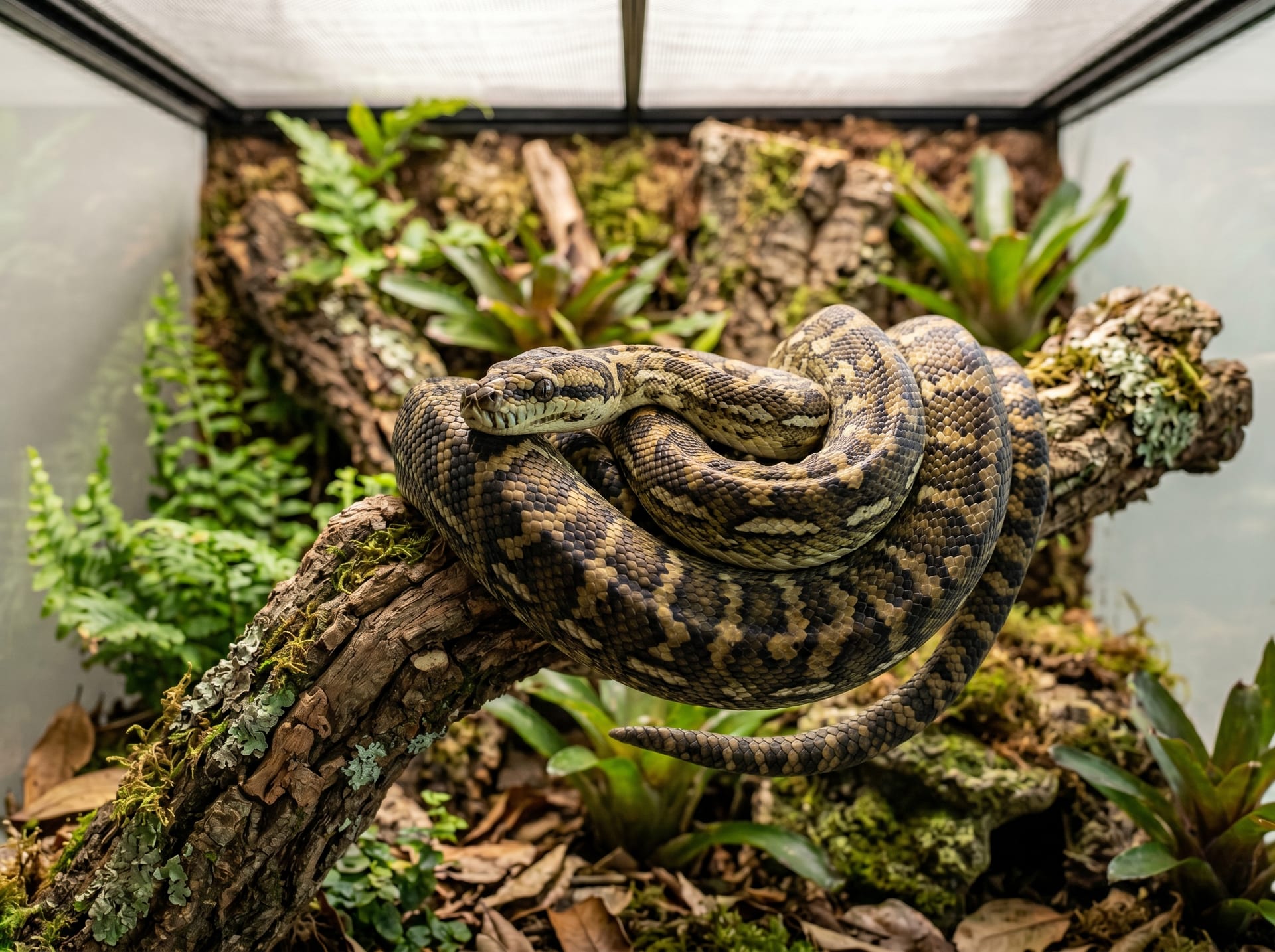
Carpet Python
Medium-sized python from Australia. Beautiful patterns and manageable size. Color varies greatly among subspecies.
View Carpet Python encyclopedia →0% commission on your first sales!Register by September 30, 2026 and your first 2 sales are commission-free!
Breeder Wanted!
List on BreederDirect and sell directly to customers nationwide!
6 Transparency Promises from Br-Choku
Every Reptiles & Amphibians from verified Breeder breeders includes complete information: morph, genetics, feeding requirements, and temperament details.
- Morph Information
- Actual Photos
- Feeding Information
- Temperament Information
- Genetics Information
- Age (Months)
Browse all 280 breeds
Difficulty Level
Feeding Type
Temperament
No listings match your filters
Adjust your filters, or get notified when new listings arrive.
Getting alerts is free with a member account. When new listings match your saved search, we'll notify you by email and in-app.
Browse other categories
Verified breeders (preview)
Are you raising reptiles & amphibians?
Register as a breeder and connect with buyers directly.
Apply as a breederCarpet Python key facts
- Care level
- Intermediate
- Lifespan
- 15-25 years
- Size
- 150-250cm
- Temperature
- 26〜32℃
- Humidity
- 50〜70%
- Diet
- Frozen mice/rats
- Temperature
- 26-32°C (basking 35°C)
- Temperature & Humidity
- Keep humidity around 50-70%. Set a gradient from a 35°C basking spot to a 26°C cool side and always provide a water bowl to prevent drying out.
- Housing
- Adults need an enclosure at least 90-120cm wide. It is strongly arboreal too, so install climbing branches and provide both floor space and height.
- Diet & Feeding
- Adults are typically fed a thawed frozen mouse or rat once every 2-3 weeks. Choose prey sized to the snake's girth.
- Temperament
- Nervous as juvenile, calms with age
About Carpet Python
The Carpet Python (Morelia spilota) is a mid-sized python in the family Pythonidae, widely distributed across Australia and New Guinea. True to its name, it displays intricate geometric patterns reminiscent of woven carpet, and several distinct subspecies exist — including the Jungle Carpet, Diamond Python, and Coastal Carpet — each presenting a remarkable range of coloration from cream-and-black to vivid yellow-and-black. Adult length varies by subspecies but generally falls between 150–250 cm, a manageable size that makes them particularly appealing compared to larger constrictors. Naturally semi-arboreal, they coil among branches in forests and scrublands to ambush small prey. In captivity, juveniles can be defensive and nippy, but with patient, consistent handling, most individuals settle into calm, approachable animals. Their lifespan of 15–25 years means keepers enjoy a long and rewarding relationship with a genuinely beautiful snake.
7 things to know before welcoming a Carpet Python
1Subspecies Look Very Different
Carpet Pythons include several subspecies — Jungle, Coastal, Diamond, and others — each with distinct coloration and patterning. Before purchasing, confirm which subspecies you are getting and research its typical adult size and temperament. Rarity and pricing also vary considerably between subspecies.
2Provide Vertical Space Too
Carpet Pythons are semi-arboreal and naturally inclined to climb. Adults need an enclosure at least 120 cm tall, along with sturdy branches or shelves for perching. Plan a three-dimensional layout rather than focusing solely on floor space.
3Temperature Gradient Is Essential
Aim for a basking spot of 35–38 °C and a cool side of 24–28 °C to give your snake the ability to thermoregulate. Avoid drastic overnight temperature drops, which can impair digestion and immune function. Use thermometers at multiple points and check them routinely.
4Juveniles Can Be Defensive
Young and newly acquired Carpet Pythons may hiss or strike defensively — this is normal protective behavior. Consistent, short handling sessions gradually help most individuals become calmer. Using a hook to initiate contact rather than reaching directly can ease the process.
5Frozen Prey Is Sufficient
Frozen-thawed mice and rats provide complete nutrition and are the preferred feeding method. Juveniles typically eat every 5–7 days; adults every 10–14 days. Live prey carries a risk of injury to the snake, so transitioning to frozen prey is strongly recommended. Thaw slowly in the refrigerator and warm to near body temperature before offering.
6Watch for Incomplete Sheds
Insufficient humidity can cause incomplete sheds, leaving retained skin on the eyes or toe tips. Maintain 50–70% humidity and raise it further during the pre-shed period; a moist hide helps considerably. If retained shed is present, soak the snake briefly in lukewarm water and remove the skin gently.
7Understand Long-Term Costs
Initial setup costs include an appropriately sized enclosure, thermostat, lighting, and thermometers/hygrometers. Ongoing expenses cover frozen prey, electricity, and annual veterinary check-ups. With a lifespan of 15–25 years, carefully consider whether you can commit to long-term care before acquiring one.
Frequently asked questions about Carpet Python
- Q.Are Carpet Pythons suitable for beginners?
- A.With proper equipment and preparation, beginners can successfully keep Carpet Pythons, though juveniles can be defensive and require patience to tame. It is strongly recommended to gather information from reputable books and specialist reptile shops before getting started.
- Q.What size enclosure does a Carpet Python need?
- A.Adults need an enclosure sized to match their length — a minimum of 90 cm in both depth and width, with a height of at least 60 cm, is generally recommended. Since adult size varies by subspecies, confirm the expected maximum length at the time of purchase and choose accordingly.
- Q.Do they bite, and is it dangerous?
- A.Biting can occur, especially with juveniles or unsettled individuals. Carpet Pythons are non-venomous, but their teeth curve backward, so if bitten, do not pull away — gently and calmly allow the snake to release on its own. Wounds are usually minor but should be properly cleaned and disinfected.
- Q.Do they require live prey?
- A.Frozen-thawed prey such as frozen mice or rats is perfectly adequate and widely used. Thaw and warm the prey to an appropriate temperature before offering it, and most individuals will accept it readily. Live prey is generally not recommended due to the additional management burden and hygiene risks involved.
- Q.Can multiple Carpet Pythons be housed together?
- A.Single-animal housing is generally recommended. Cohabitation increases the risk of feeding competition, stress, and disease transmission between individuals. Outside of brief, supervised pairings for breeding purposes, separate enclosures for each snake is the safer approach.
Useful tools for Carpet Python care
Learn more about Carpet Python in the encyclopedia
View Carpet Python encyclopedia entry →
Care difficulty, lifespan, size and diet — all basics covered.
Carpet Python related articles
See more Carpet Python articles →More in this category
Can't find the one you're looking for?
Post your wishes for free and breeders with matching animals will contact you with introductions.