 © Rushenb / CC BY-SA 4.0
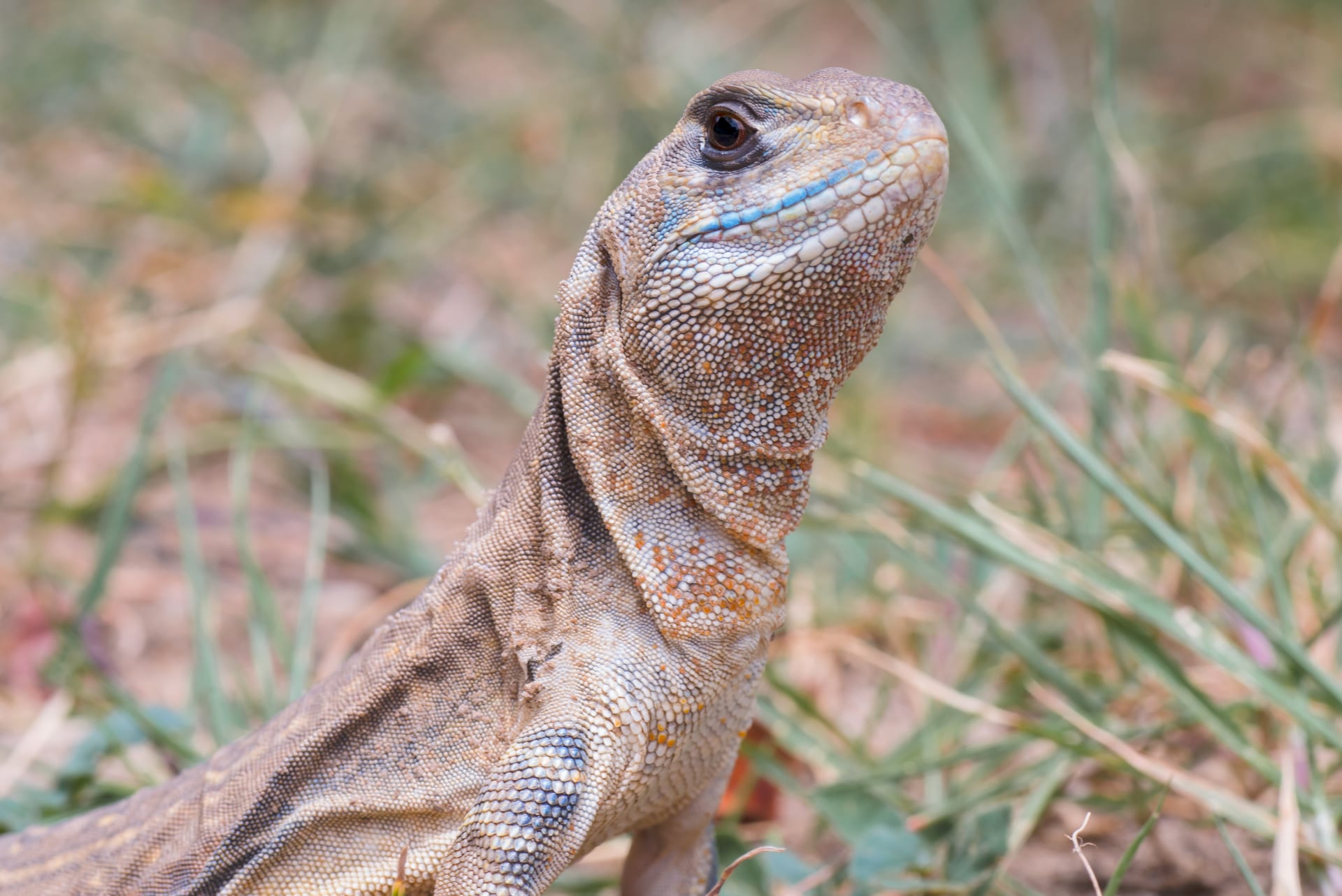
Butterfly Agama
The Butterfly Agama takes its name from the flexible skin folds along its sides, which flare open like a butterfly's wings when the lizard is startled or arches its body. Its everyday coloring is a calm blend of pale brown to olive with rows of yellow spots, but during the breeding season males develop striking red-and-black stripes along their flanks. Considered a species best suited to keepers with some prior reptile experience, it rewards attentive care with lively movement and a dramatic seasonal transformation that makes it a rewarding lizard to watch.
View Butterfly Agama encyclopedia →0% commission on your first sales!Register by September 30, 2026 and your first 2 sales are commission-free!
Breeder Wanted!
List on BreederDirect and sell directly to customers nationwide!
6 Transparency Promises from Br-Choku
Every Reptiles & Amphibians from verified Breeder breeders includes complete information: morph, genetics, feeding requirements, and temperament details.
- Morph Information
- Actual Photos
- Feeding Information
- Temperament Information
- Genetics Information
- Age (Months)
Browse all 280 breeds
Difficulty Level
Feeding Type
Temperament
No listings match your filters
Adjust your filters, or get notified when new listings arrive.
Getting alerts is free with a member account. When new listings match your saved search, we'll notify you by email and in-app.
Browse other categories
Verified breeders (preview)
Are you raising reptiles & amphibians?
Register as a breeder and connect with buyers directly.
Apply as a breederButterfly Agama key facts
- Care level
- Intermediate
- Lifespan
- 10-15 years
- Size
- Up to about 38cm total length
- Diet
- Omnivorous, mainly insects such as grasshoppers, beetle larvae and butterflies, with some plant material
- Temperature & Humidity
- A diurnal species of open dry ground and grassland in South-East Asia that spends the night in its burrow. Provide a strong basking spot and genuinely cool shade in the same enclosure, with a damp layer deep in the substrate to stand in for the burrow.
- Enclosure
- In the wild it digs a burrow averaging 30 cm deep and 70 cm long, so the key requirement is an enclosure with a large floor area and a deep, diggable substrate that holds its shape. Adults approach 40 cm in total length and need space to match. Seat rocks and hides on the enclosure floor before adding substrate.
- Diet & Feeding
- Omnivorous, feeding mainly on insects such as grasshoppers, beetle larvae and butterflies and also taking plants. In captivity use feeder insects as the staple alongside leafy greens and flowers, dusted with calcium and vitamin supplements, and provide UVB for this diurnal species.
- Temperament
- Wary, retreating into its burrow when it senses danger. It is reported to be strictly monogamous with pairs sharing a burrow, so males should not be housed together. Spreading the flank flaps serves both as threat and as display.
- Notes
- Not listed on any CITES appendix. The IUCN assesses it as Least Concern. It appears neither on the schedule of designated dangerous animals under the Order for Enforcement of the Act on Welfare and Management of Animals nor on Japan's list of invasive alien species. The genus includes parthenogenetic species and several look-alikes, so check the scientific name when buying. Its habit of digging deep burrows makes long-term keeping difficult where substrate depth cannot be provided.
About Butterfly Agama
The Butterfly Agama is known for the wing-like skin folds along its sides, with pale brown to olive coloring and striking red-and-black markings in breeding males. Suited to intermediate keepers, it can reach up to about 38 cm in total length.
7 things to know before welcoming a Butterfly Agama
1UVB & Basking Setup
As a sun-loving species, this lizard needs strong UVB lighting and a warm basking spot within its enclosure. Creating a clear temperature gradient lets it move between warmer and cooler areas to regulate its body temperature naturally.
2Dry Substrate & Space
Being an active, ground-dwelling lizard, it does best with an enclosure that offers reasonable floor space and depth. A dry, sandy substrate suits it well, and good ventilation helps prevent humidity from building up.
3Mostly Plant-Based Diet
Its diet is centered on vegetables and greens, supplemented with insects. Offering a varied mix of foods helps keep its nutrition balanced.
4Alert & Sensitive Nature
This species tends to be sensitive to sudden movement and noise, and many individuals are reluctant to be handled until they settle in. Handling is best approached gradually, at a pace the lizard is comfortable with.
5Color Shift in Breeding Season
During the breeding season, males display vivid red-and-black stripes along their sides, quite different from their usual coloring. Watching this seasonal change is one of the pleasures of keeping this species.
6Wing-Like Skin Display
When startled or displaying, it flares the skin folds along its body into a shape resembling butterfly wings. Whether this display appears can also be a useful cue to how the lizard is feeling.
7Prepare the Setup in Advance
Setting up UVB lighting, heating equipment, and substrate before bringing your lizard home reduces the stress of the transition. After setup, it's a good idea to monitor temperature and humidity for a few days to confirm they're stable.
Frequently asked questions about Butterfly Agama
- Q.Is this species suitable for beginners?
- A.It's generally considered a species for intermediate keepers, requiring some know-how around UVB lighting and temperature management. If you're new to reptile care, it's worth researching its husbandry needs thoroughly before bringing one home.
- Q.How large does it grow?
- A.It can reach a total length of up to about 38 cm. Since growth varies between individuals, it's best to choose an enclosure sized for its full adult size from the start.
- Q.When can I see the skin folds that give it its name?
- A.The lizard flares the skin folds along its sides into a butterfly-wing shape when startled or displaying. The rest of the time these folds stay tucked against the body, so the display isn't always visible.
- Q.Can it get used to being handled?
- A.Many individuals are naturally wary and dislike being handled until they settle in. Rather than forcing contact, it's best to build trust gradually at a pace the lizard is comfortable with.
- Q.Is it more active during the day or at night?
- A.It tends to be a sun-loving, day-active species, so you're more likely to see it moving around during daylight hours. Since it typically rests at night, providing a calm hiding spot helps it settle down.
Useful tools for Butterfly Agama care
Learn more about Butterfly Agama in the encyclopedia
View Butterfly Agama encyclopedia entry →
Care difficulty, lifespan, size and diet — all basics covered.
More in this category
Can't find the one you're looking for?
Post your wishes for free and breeders with matching animals will contact you with introductions.