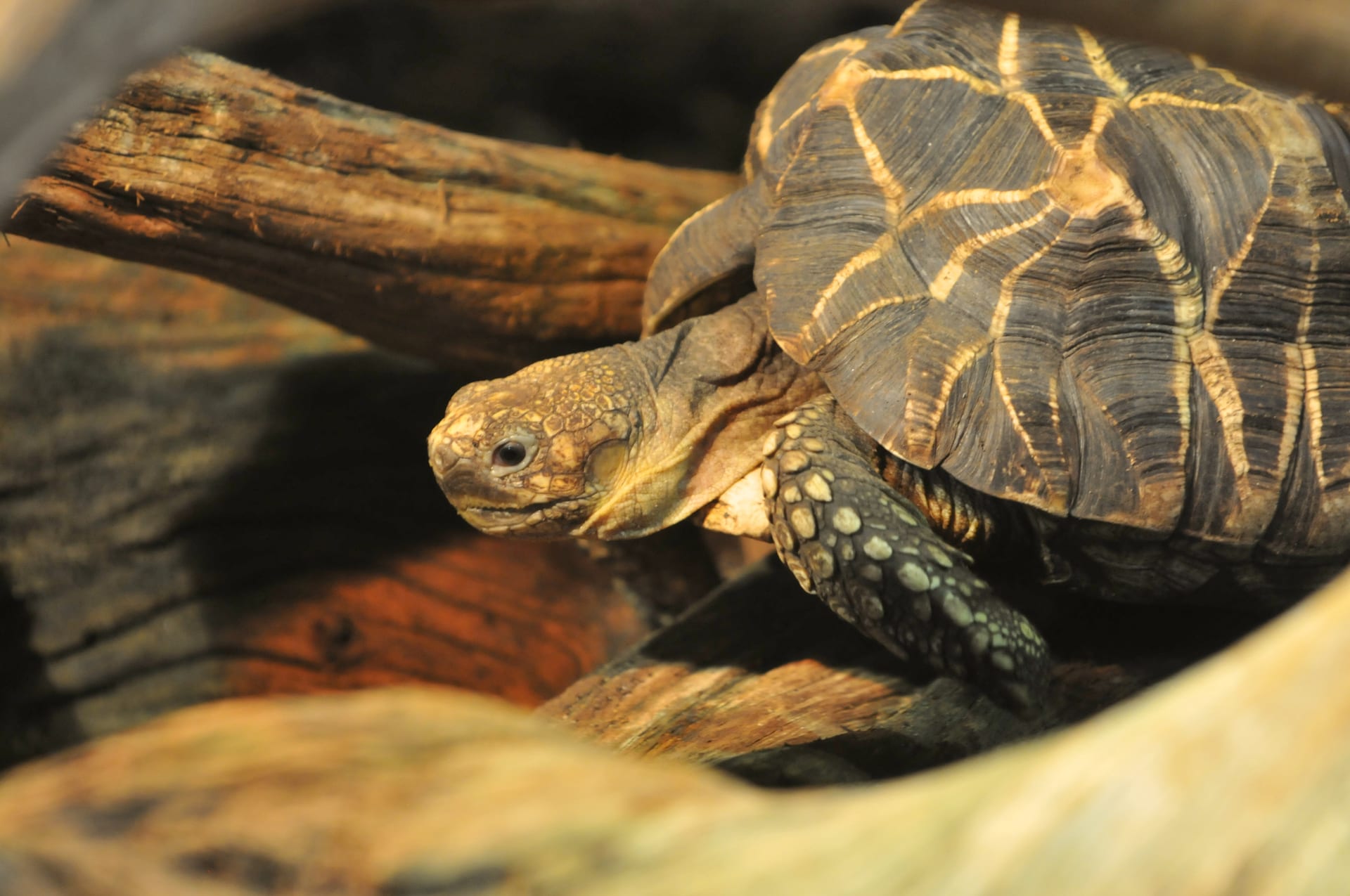
 © Kevin Ho / CC BY-SA 2.0
Burmese Star Tortoise
Named for the star-like radiating patterns on each scute of its shell, the Burmese Star Tortoise is considered one of the most strikingly beautiful tortoises kept in captivity. While generally calm in temperament, it requires careful replication of dry and wet season cycles and close attention to subtle changes in condition. Growing to a maximum shell length of about 26cm, with females sometimes reaching even larger sizes, this is a species recommended only for experienced keepers.
View Burmese Star Tortoise encyclopedia →0% commission on your first sales!Register by September 30, 2026 and your first 2 sales are commission-free!
Breeder Wanted!
List on BreederDirect and sell directly to customers nationwide!
6 Transparency Promises from Br-Choku
Every Reptiles & Amphibians from verified Breeder breeders includes complete information: morph, genetics, feeding requirements, and temperament details.
- Morph Information
- Actual Photos
- Feeding Information
- Temperament Information
- Genetics Information
- Age (Months)
Browse all 280 breeds
Difficulty Level
Feeding Type
Temperament
No listings match your filters
Adjust your filters, or get notified when new listings arrive.
Getting alerts is free with a member account. When new listings match your saved search, we'll notify you by email and in-app.
Browse other categories
Verified breeders (preview)
Are you raising reptiles & amphibians?
Register as a breeder and connect with buyers directly.
Apply as a breederBurmese Star Tortoise key facts
- Care level
- Advanced
- Lifespan
- 25-40 years
- Size
- Carapace up to 26cm, females larger and some animals exceeding this
- Temperature
- Diet
- Vegetables, fruit, prepared tortoise diet, grasses and mushrooms
- Temperature & Humidity
- Let the basking site reach 38-41 C and hold the room at 24-27 C, allowing temperatures to fall at night. Relative humidity matters little during the indoor winter period, but hatchlings need damp substrate and a hide.
- Enclosure
- Use a substrate such as cypress mulch about 30 cm deep, easy to clean and holding some moisture. Install a basking lamp and a UVB tube. For nesting, sink a deep container of soil into a corner of the enclosure.
- Diet & Feeding
- Herbivorous: feed vegetables, fruit, grasses and mushrooms. Captive animals also take prepared tortoise diets readily.
- Temperament
- Placid and easy to handle, but hatchlings are vulnerable to overheating, so make sure the room does not get too warm.
- Notes
- The species was covered by the Appendix II listings of Geochelone from 1975 and of Testudinidae from 1977, and was moved to Appendix I with effect from 12 June 2013. In Japan it is an internationally endangered species and every transfer requires an individual registration certificate. It is neither a designated dangerous animal nor an invasive alien species. Myanmar prohibits the collection and export of turtles and tortoises by law.
About Burmese Star Tortoise
The Burmese Star Tortoise is prized for its star-patterned shell, reaching up to 26cm. It is listed in CITES Appendix I (a registration certificate is required for any transfer in Japan) and is recommended for experienced keepers due to its careful care requirements.
7 things to know before welcoming a Burmese Star Tortoise
1Recommended for Experienced Keepers
The Burmese Star Tortoise is considered a species best suited to experienced keepers. It requires careful management of temperature, humidity, and seasonal environmental cycles. If this is your first tortoise, thorough research beforehand is strongly recommended.
2The Star-Patterned Shell Is the Highlight
Each scute of the shell bears a radiating star-like pattern, which is the origin of both its Japanese and English names. The pattern varies from individual to individual, and it becomes more pronounced as the tortoise grows.
3Grows Up to 26cm in Shell Length
Adults reach a maximum shell length of around 26cm. Females tend to grow larger than males, with some individuals exceeding this size. Plan your enclosure space with the tortoise's full adult size in mind from the start.
4Recreate Dry and Wet Season Cycles
In their native habitat, distinct dry and wet seasons occur, and replicating this contrast in humidity and watering is considered important for keeping this species healthy in captivity. Inconsistent humidity management can affect shell and skin condition.
5Calm Temperament, But Stay Observant
This species is generally calm and not overly skittish, but changes in health often show up first through shifts in behavior or appetite. Regular daily observation helps you notice subtle changes early.
6Diet Requires Careful Attention
As with tortoises in general, an unbalanced diet can contribute to health issues. It's worthwhile to research in advance which plants and vegetables are appropriate, as well as calcium and other nutritional supplementation.
7Prepare the Enclosure Before Bringing One Home
Setting up the necessary equipment in advance — a cage with temperature and humidity control, UV lighting, and more — is the first step to avoiding problems after bringing your tortoise home. Since this is a long-lived species, thorough preparation beforehand matters.
Frequently asked questions about Burmese Star Tortoise
- Q.Can beginners keep a Burmese Star Tortoise?
- A.This species is generally recommended for experienced keepers. It requires careful management of temperature, humidity, and seasonal cycles, so prior tortoise-keeping experience is recommended before bringing one home.
- Q.How large does an adult Burmese Star Tortoise get?
- A.Adults reach a maximum shell length of about 26cm. Females tend to grow larger than males, and some individuals grow even bigger. It's important to plan enclosure space with the full adult size in mind.
- Q.Does the star pattern change as the tortoise grows?
- A.As the shell grows, the star pattern tends to become more pronounced. The exact pattern varies between individuals, giving each tortoise its own distinct look.
- Q.Are any legal registrations required to keep one?
- A.Burmese Star Tortoise is listed in CITES Appendix I. In Japan it is an "internationally endangered species" under the Act on Conservation of Endangered Species of Wild Fauna and Flora, so only registered individuals may be sold or transferred, and the registration certificate goes with the animal. Always check that the certificate is provided.
- Q.What's especially important in its care environment?
- A.Replicating the humidity contrast between dry and wet seasons found in its native habitat is considered important. Alongside this, providing UV lighting and an appropriate temperature gradient forms the basic foundation of care.
Useful tools for Burmese Star Tortoise care
Learn more about Burmese Star Tortoise in the encyclopedia
View Burmese Star Tortoise encyclopedia entry →
Care difficulty, lifespan, size and diet — all basics covered.
More in this category
Can't find the one you're looking for?
Post your wishes for free and breeders with matching animals will contact you with introductions.