 © Sujit kumar / CC BY-SA 4.0
Borneo Short-Tailed Python
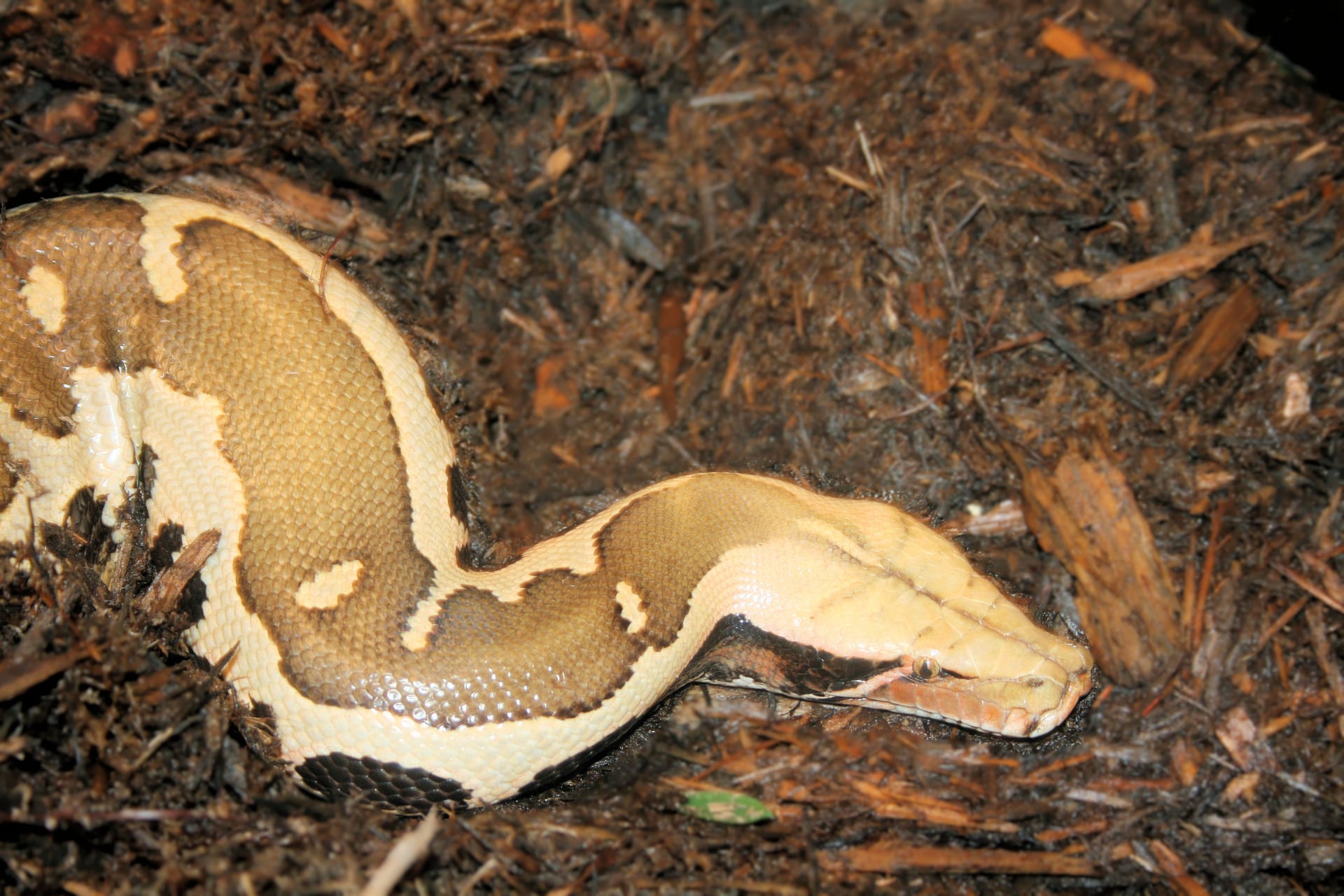
The Borneo Short-Tailed Python is a heavyweight constrictor native to the island of Borneo. Its pale brown body is patterned with brown blotches, and the head often carries a subtle yellowish tint. With an extremely short tail and a thick, stocky build, individuals can weigh more than 13 kg. Adults typically reach 120 to 210 cm, with females growing larger than males. Many individuals are calm and move little, and their imposing, muscular presence has made them a favorite among snake enthusiasts. Because their strength is considerable relative to their size, handling calls for experience, making this breed best suited to intermediate keepers.
View Borneo Short-Tailed Python encyclopedia →0% commission on your first sales!Register by September 30, 2026 and your first 2 sales are commission-free!
Breeder Wanted!
List on BreederDirect and sell directly to customers nationwide!
6 Transparency Promises from Br-Choku
Every Reptiles & Amphibians from verified Breeder breeders includes complete information: morph, genetics, feeding requirements, and temperament details.
- Morph Information
- Actual Photos
- Feeding Information
- Temperament Information
- Genetics Information
- Age (Months)
Browse all 280 breeds
Difficulty Level
Feeding Type
Temperament
No listings match your filters
Adjust your filters, or get notified when new listings arrive.
Getting alerts is free with a member account. When new listings match your saved search, we'll notify you by email and in-app.
Browse other categories
Verified breeders (preview)
Are you raising reptiles & amphibians?
Register as a breeder and connect with buyers directly.
Apply as a breederBorneo Short-Tailed Python key facts
- Care level
- Intermediate
- Lifespan
- 20-30 years
- Size
- 120-210cm
- Temperature
- 27〜30℃
- Diet
- Mice and rats, frozen-thawed
- Temperature & Humidity
- General python and boa guidance applies: about 30 C by day and 27 C at night, with a basking spot a few degrees warmer at one end. Avoid both excessive dryness and stagnant damp, and keep the cage ventilated.
- Enclosure
- It is a heavy animal that can reach 13.6 kg, so it needs a large, sturdy enclosure matched to its bulk. Keep it clean and well ventilated, with hides and a water bowl of non-porous material always available.
- Diet & Feeding
- Carnivorous, taking frozen-thawed mice and rats. As with most pythons and boas, once a week is the usual interval. Given its build it gains weight easily, so avoid overfeeding.
- Temperament
- It has a reputation for a bad temper, but captive-bred animals are far more tractable than wild-caught ones. Even so it is heavy with a strong bite, so take care around feeding.
- Notes
- It is a pythonid and therefore on CITES Appendix II. Japan designates only five pythons as dangerous animals, and this is not one of them. Because the trade began with animals caught for skins, choose captive-bred stock.
About Borneo Short-Tailed Python
A heavyweight python native to Borneo, with pale brown coloring, brown blotches, a short tail, and a thick build. Adults reach 120–210 cm; keeping this breed is recommended for intermediate-level keepers.
7 things to know before welcoming a Borneo Short-Tailed Python
1Sizing the Enclosure Right
Adults grow thick-bodied and heavy, so the enclosure needs to match their eventual bulk in both size and sturdiness. Plan ahead for floor space and a support surface strong enough to bear their weight.
2Calm Temperament, Real Strength
Many individuals are relatively calm and move deliberately, but their strength matches their solid build. When handling, avoid forcing movement and instead build confident, practiced technique.
3Temperature and Humidity Control
As a species from a tropical region, a proper temperature gradient and stable humidity inside the enclosure are essential. Use a heat panel and a thermo-hygrometer, and check the readings daily.
4Feeding Suited to Their Size
Because this breed grows large, prey size and feeding frequency need to be adjusted as the snake matures. Base the schedule on the individual's condition rather than a fixed routine.
5Regular Health Checks
Keeping an eye on skin condition, shedding, and appetite helps you notice changes early. If anything seems off, consult a reptile-experienced professional promptly.
6Preparing the Setup in Advance
Since this python grows quite large, it helps to set up an enclosure and equipment sized for its adult form before bringing one home. Finish preparing the space ahead of arrival.
7Planning for the Long Term
Because this is a large-growing animal, think ahead about whether you can sustain daily care and enclosure upkeep over the long run. Factor in your household and lifestyle before deciding.
Frequently asked questions about Borneo Short-Tailed Python
- Q.Can beginners keep a Borneo Short-Tailed Python?
- A.Given their large size and strength, this breed is generally considered suited to intermediate keepers with prior reptile experience. If it's your first large snake, be sure to build up knowledge and equipment beforehand.
- Q.How large do adults grow?
- A.Adults typically reach roughly 120 to 210 cm, with a short tail and a thick, stocky build. Females tend to grow larger than males.
- Q.Is the temperament docile?
- A.Many individuals are said to move little and stay calm, though temperament varies between individuals. Their strength matches their build, so handling requires experience.
- Q.Is this species subject to CITES?
- A.Borneo Short-Tailed Python is listed in CITES Appendix II. International trade requires a permit from the exporting country, but as far as CITES is concerned, no registration is needed to buy or sell individuals already legally in Japan.
- Q.What kind of setup should I prepare?
- A.As a tropical species, it needs an environment that maintains a proper temperature gradient and humidity. Given how large it grows, prepare an enclosure with enough space and sturdiness for its adult size.
Useful tools for Borneo Short-Tailed Python care
Learn more about Borneo Short-Tailed Python in the encyclopedia
View Borneo Short-Tailed Python encyclopedia entry →
Care difficulty, lifespan, size and diet — all basics covered.
More in this category
Can't find the one you're looking for?
Post your wishes for free and breeders with matching animals will contact you with introductions.