Source: Wikimedia Commons
Borneo Short-Tailed Python
IntermediatePython breitensteini
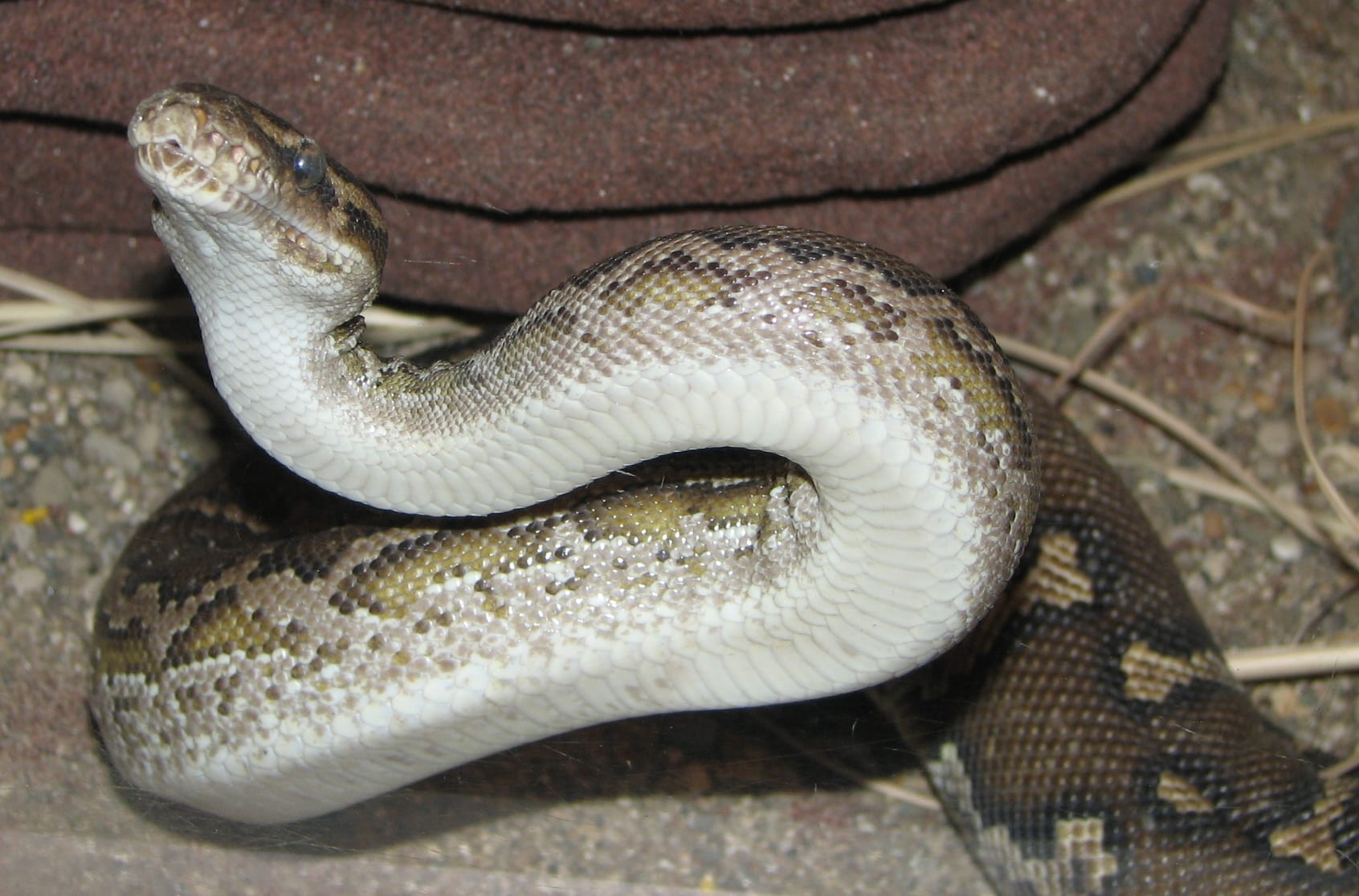
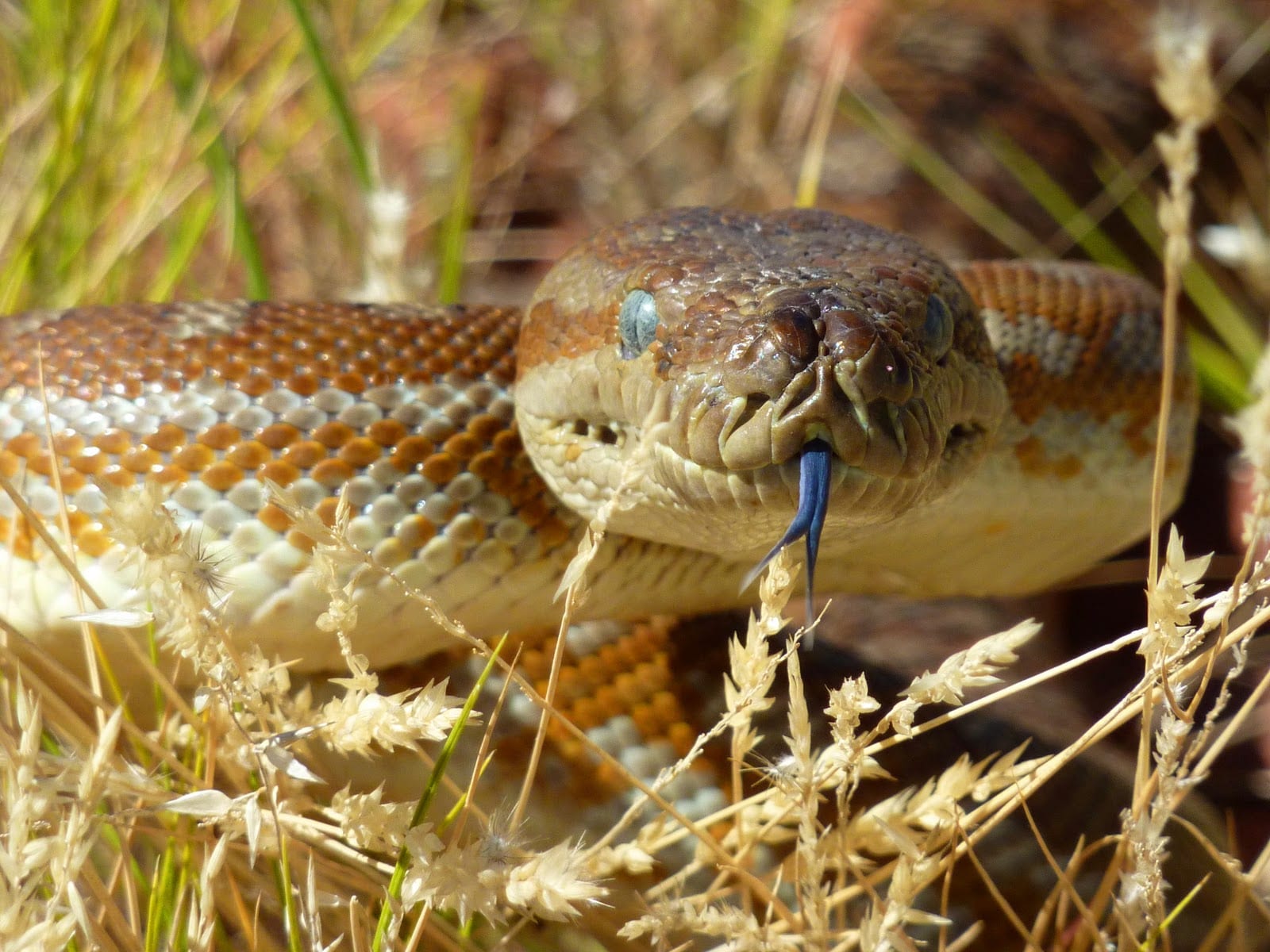
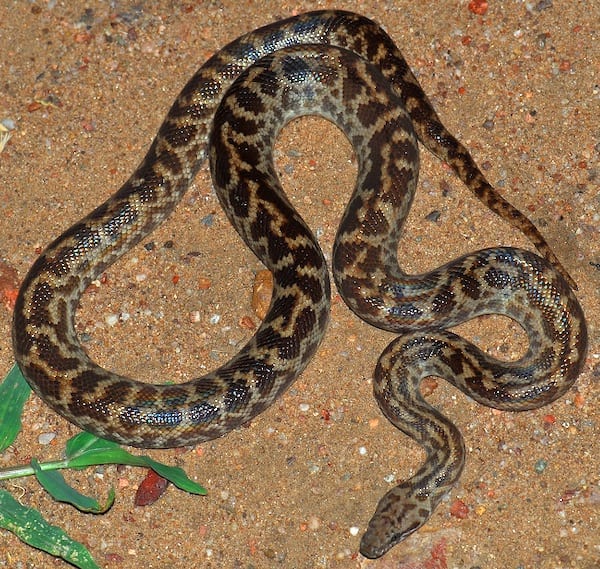
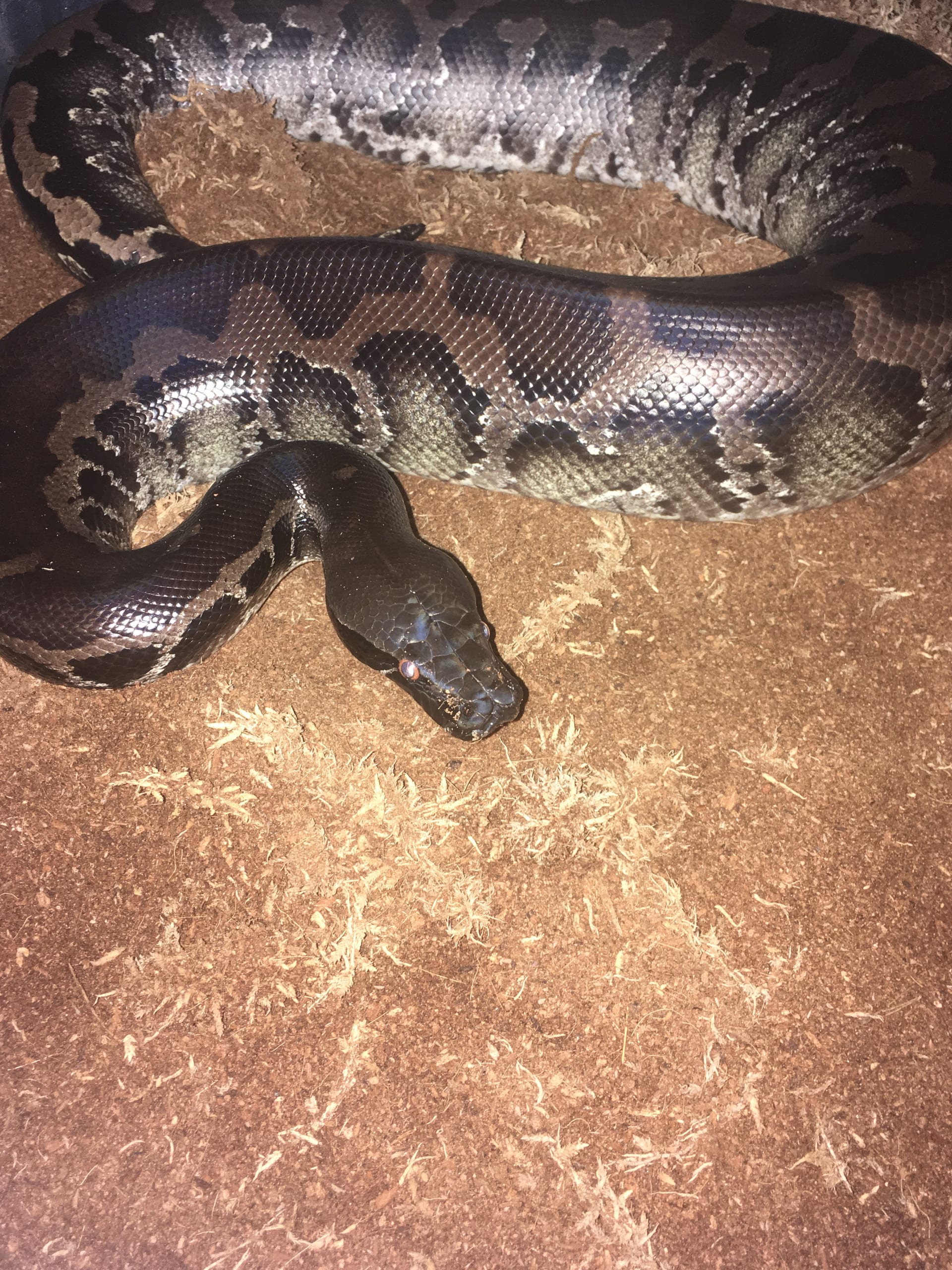
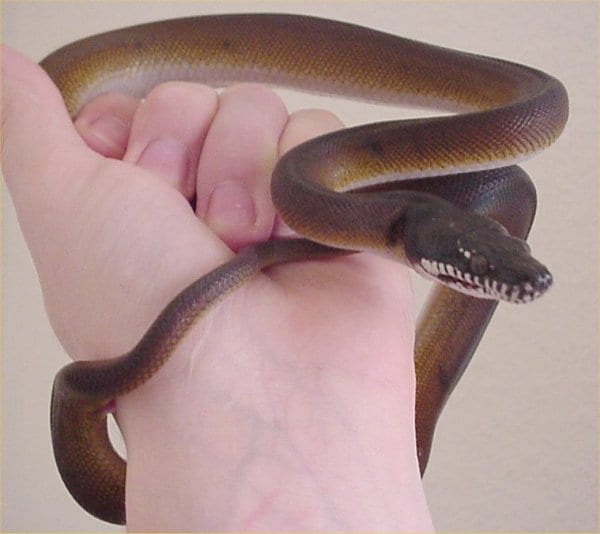
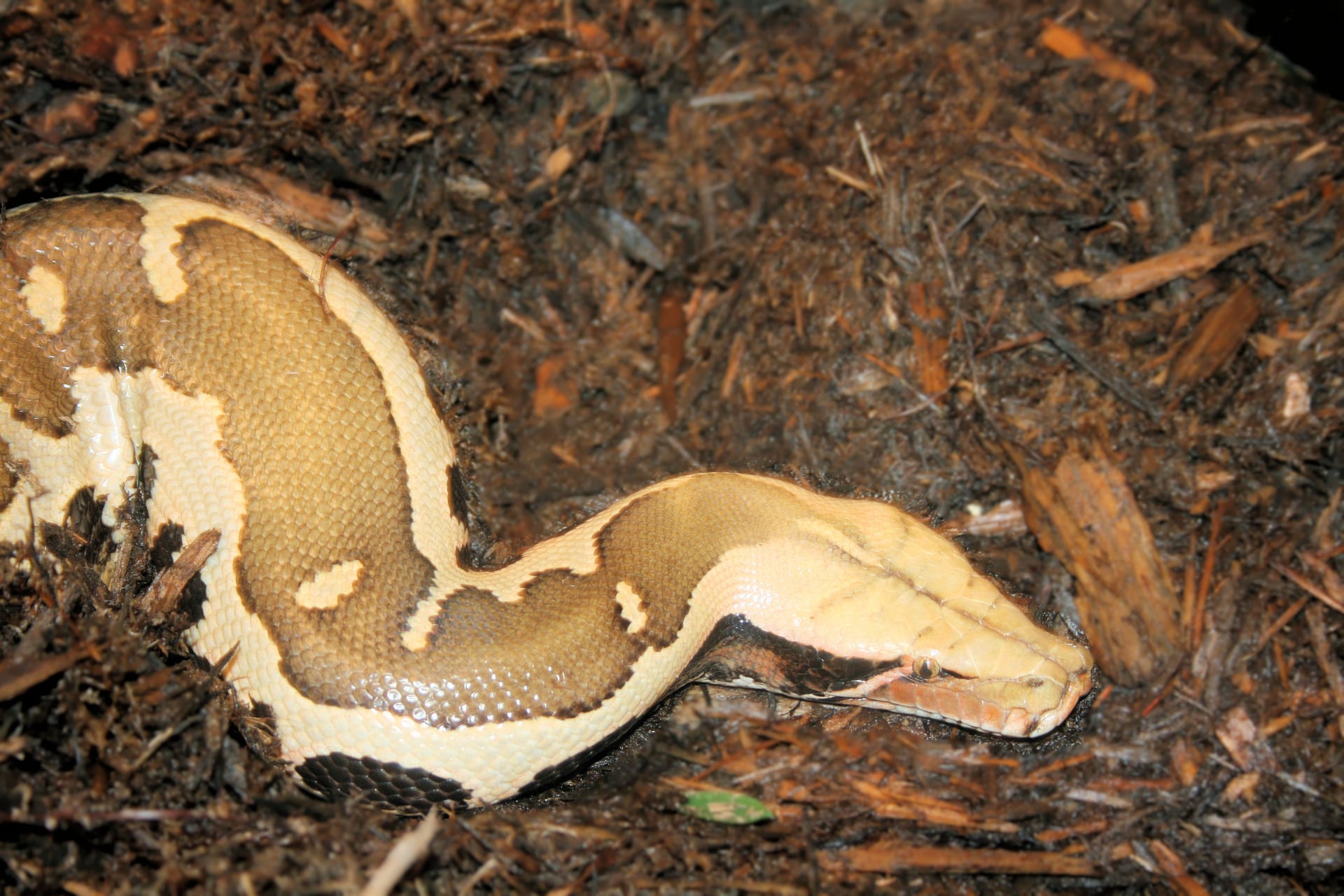
A heavy-bodied python endemic to Borneo. Brown blotches mark a tan ground and the head is usually yellow. The tail is extremely short and the body very thick; weights can exceed 13 kg.
Difficulty
Intermediate
Temperature
27〜30℃
Lifespan
20-30 years
Size
120-210cm
Humidity
40〜70%
Diet
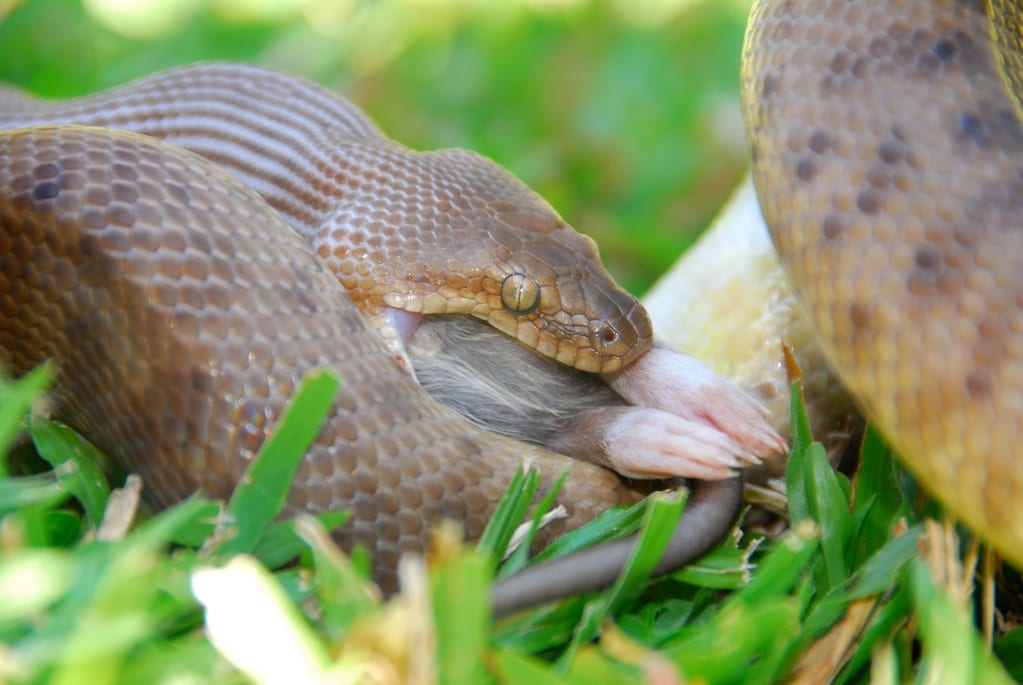
Mice and rats, frozen-thawed
About
Python breitensteini is a pythonid endemic to the island of Borneo. It usually stays around 120 cm, though lengths of 210 cm have been reported. It is exceptionally heavy-bodied, reaching 13.6 kg, with females larger than males. The head is broad with several thermoreceptive pits along the snout, and the tail is short and abruptly tapering. Colour is typically tan with highly variable brown blotching; some animals appear more yellow than brown. Juveniles are more strongly patterned than adults and usually have a yellow head. It lives at low elevations on poorly drained flood plains and around the edges of swamps, and it also uses habitat created by farm irrigation. It once had a reputation for a bad temper, but captive-bred animals are recognised as far easier to handle than wild-caught ones, and the species has grown in popularity. Almost all of the early imports were animals originally taken for the skin trade.
Source: Wikipedia (CC BY-SA 4.0)
Lifespan of the Borneo Short-Tailed Python
The Borneo Short-Tailed Python lives 20-30 years.
Size of the Borneo Short-Tailed Python
The Borneo Short-Tailed Python grows to 120-210cm.
Temperature & humidity for the Borneo Short-Tailed Python
The ideal temperature for the Borneo Short-Tailed Python is 27〜30℃.
Basic Info
Origin
Borneo (Brunei, Indonesian Kalimantan, Malaysian Sabah and Sarawak)
Lifespan
Care Specifications
Semi-aggressiveSolitaryBreeding: Moderate
Sources: Reptiles Magazine: Blood Python / Wikipedia (English) / Reptile Database
References & Sources
Edited & verified by: BreederDirect editorial team
The taxonomic, regulatory, and husbandry data on this page are compiled and verified against the authoritative primary sources below.
Taxonomy & Authority
Accepted name: Python breitensteini Steindachner, 1881
Synonyms: Python curtus breitensteini Kirschner, 1997, Aspidoboa breitensteini Hoser, 2004
Authority databases: GBIF · Reptile Database
Nomenclature follows global taxonomic authority databases.
Regulations & Conservation Status
CITES Appendix IIIUCN LC · Least Concern
The family Pythonidae spp. is listed in CITES Appendix II (Species+). As it is in Appendix II, a registration certificate is not required. Among species in the family Pythonidae, only five are designated as specified animals in the Act on Welfare and Management of Animals Enforcement Decree, and this species is not among them.
Sources: CITES Appendices (ニシキヘビ科 Pythonidae spp. 附属書II) / IUCN Red List / Order for Enforcement of the Act on Welfare and Management of Animals, Appended Table
Regulations may change. Always verify the latest information with the relevant authorities.
Borneo Short-Tailed Python Listings
Loading latest listingsFind listings for this species