Source: Wikimedia Commons
White-Lipped Python
IntermediateLeiopython albertisii
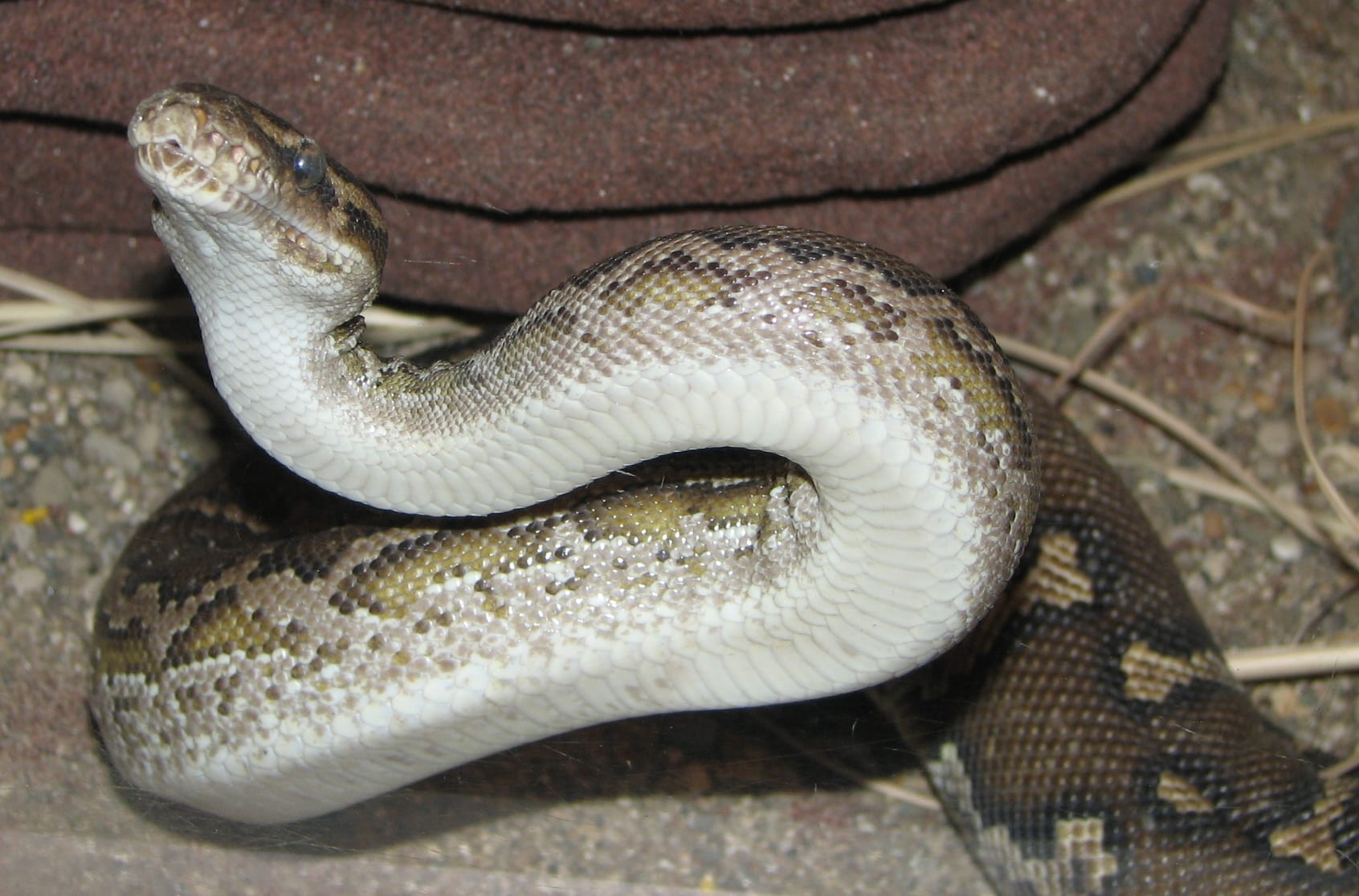
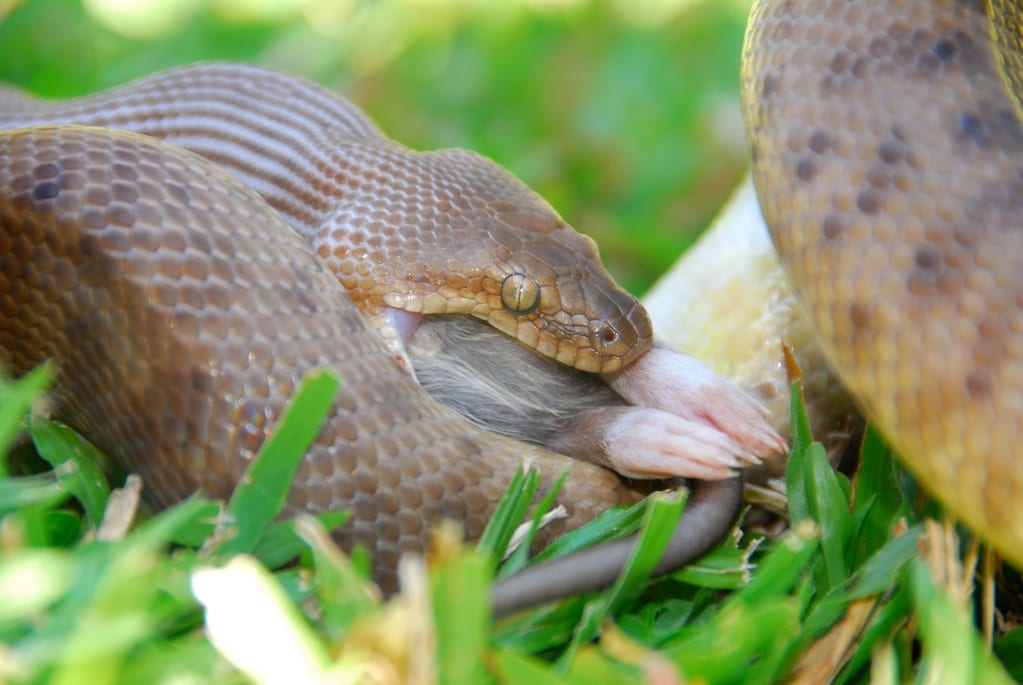
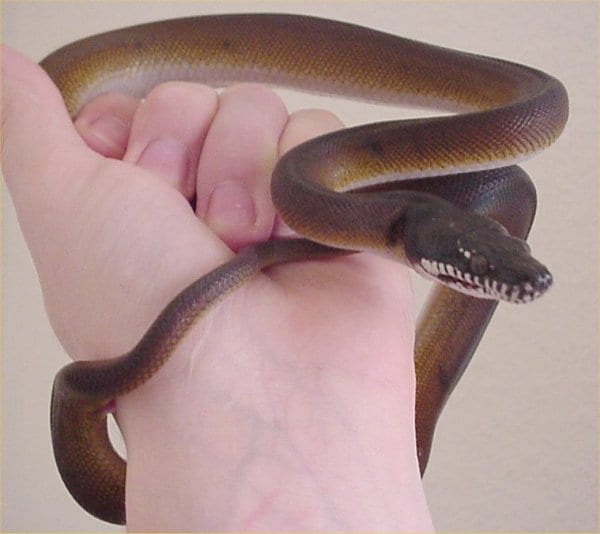
A python with an unpatterned medium to dark brown body, a blackish-brown to black head, and striking white upper and lower labial scales edged in black at the front. The whole body is strongly iridescent, shimmering like a rainbow at certain angles.
Difficulty
Intermediate
Temperature
25〜32℃
Lifespan
18-25 years
Size
Adult females average about 213cm, with a maximum of 3m
Humidity
40〜70%
Diet
Carnivorous: small to medium-sized mammals, birds and reptiles
About
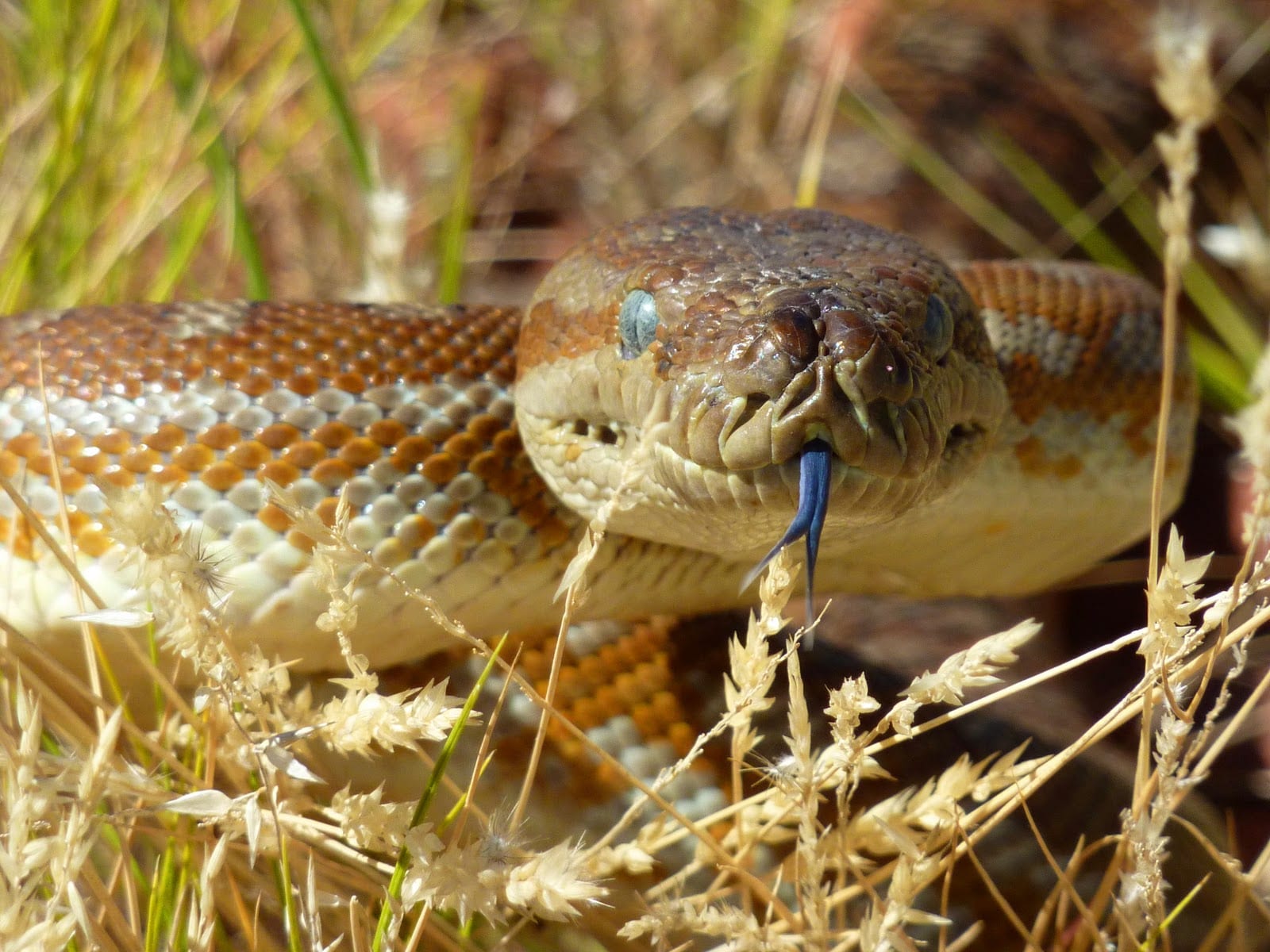
The white-lipped python (Leiopython albertisii) is a python of New Guinea and its surrounding islands. Adult females average about 213 cm and the species reaches 3 m. The body is an unpatterned medium to dark brown with a pale grey to yellowish throat and belly. The head is long and clearly set off from the slender body and is blackish brown to black, with striking white upper and lower labial scales edged in black at the front, the source of the English and Japanese names. A whitish spot often appears behind the eye. The skin is strongly iridescent. Two pairs of parietal scales on the crown distinguish it from its southern relatives. It lives on the ground in rainforest and marshland below 1,200 m and takes refuge in nearby water when disturbed. Prey comprises small to medium-sized mammals, birds and reptiles. Females lay about a dozen eggs in a compact pile and, like other pythons, guard the clutch; the young hatch after 57-79 days at 35-40 cm long.
Source: Wikipedia (CC BY-SA 4.0)
Lifespan of the White-Lipped Python
The White-Lipped Python lives 18-25 years.
Size of the White-Lipped Python
The White-Lipped Python grows to Adult females average about 213cm, with a maximum of 3m.
Basic Info
Origin
Most of New Guinea below 1,200 m in both Indonesian Papua and Papua New Guinea, plus Salawati, Biak, Normanby, Mussau and Emirau and islands in the Torres Strait, in rainforest and marshland near water
Lifespan
18-25 years
Size
Care Specifications
Semi-aggressiveSolitaryBreeding: Moderate
Sources: Reptile Database: Leiopython albertisii / Wikipedia (German): Weisslippenpython / Wikipedia (English): D'Albertis python
References & Sources
Edited & verified by: BreederDirect editorial team
The taxonomic, regulatory, and husbandry data on this page are compiled and verified against the authoritative primary sources below.
Taxonomy & Authority
Accepted name: Leiopython albertisii (Peters & Doria, 1878)
Synonyms: Liasis albertisii Peters & Doria, 1878, Leiopython gracilis Hubrecht, 1879, Bothrochilus albertisii (Peters & Doria, 1878)
Authority databases: GBIF · Reptile Database
Nomenclature follows global taxonomic authority databases.
Regulations & Conservation Status
CITES Appendix IIIUCN LC · Least Concern
Listed on CITES Appendix II as all species of Pythonidae spp., effective February 4, 1977. As it is listed on Appendix II, no international endangered species certificate is required. Of the specified animals listed in the Animal Welfare and Management Law Enforcement Decree, only 5 species of Pythonidae are designated and this species is not included. It is not included in the specified invasive species under the Invasive Species Law Enforcement Decree. The IUCN Red List assessment is Least Concern (LC).
Sources: CITES Species+ (Pythonidae spp., Appendix II, effective 4 February 1977) / Order for Enforcement of the Act on Welfare and Management of Animals, appended table
Regulations may change. Always verify the latest information with the relevant authorities.
White-Lipped Python Listings
Loading latest listingsFind listings for this species