Source: Wikimedia Commons
Centralian Carpet Python
IntermediateMorelia bredli
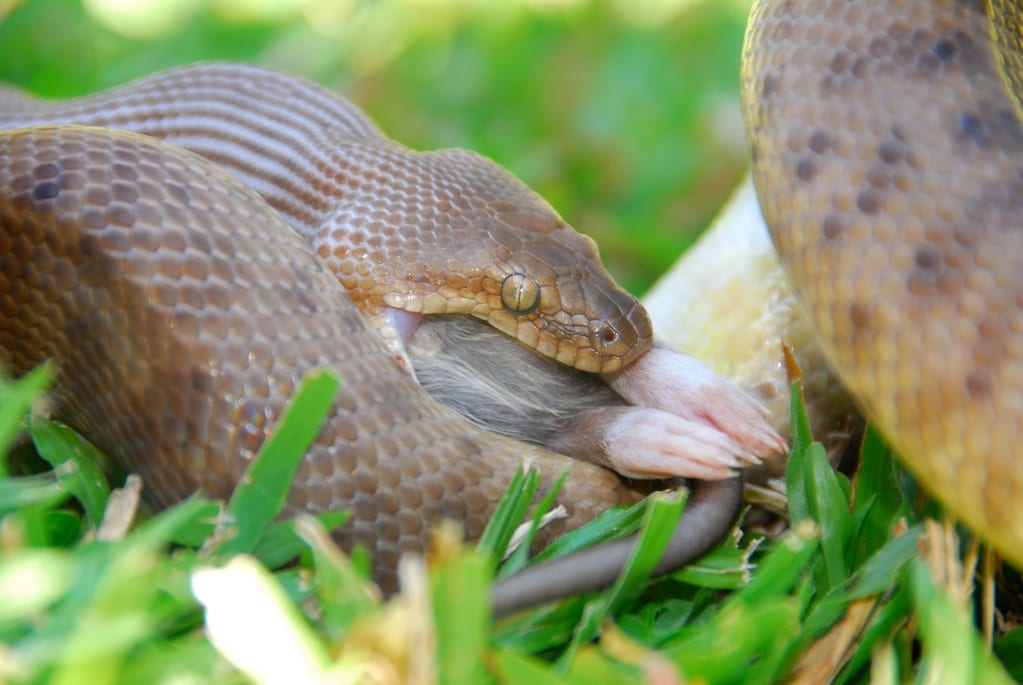
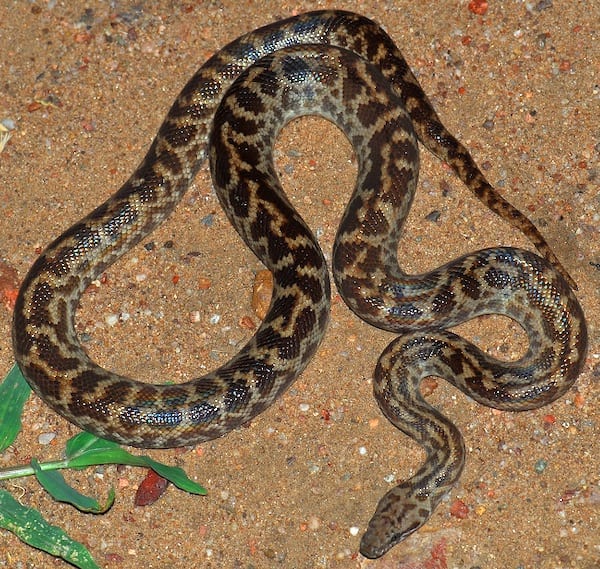
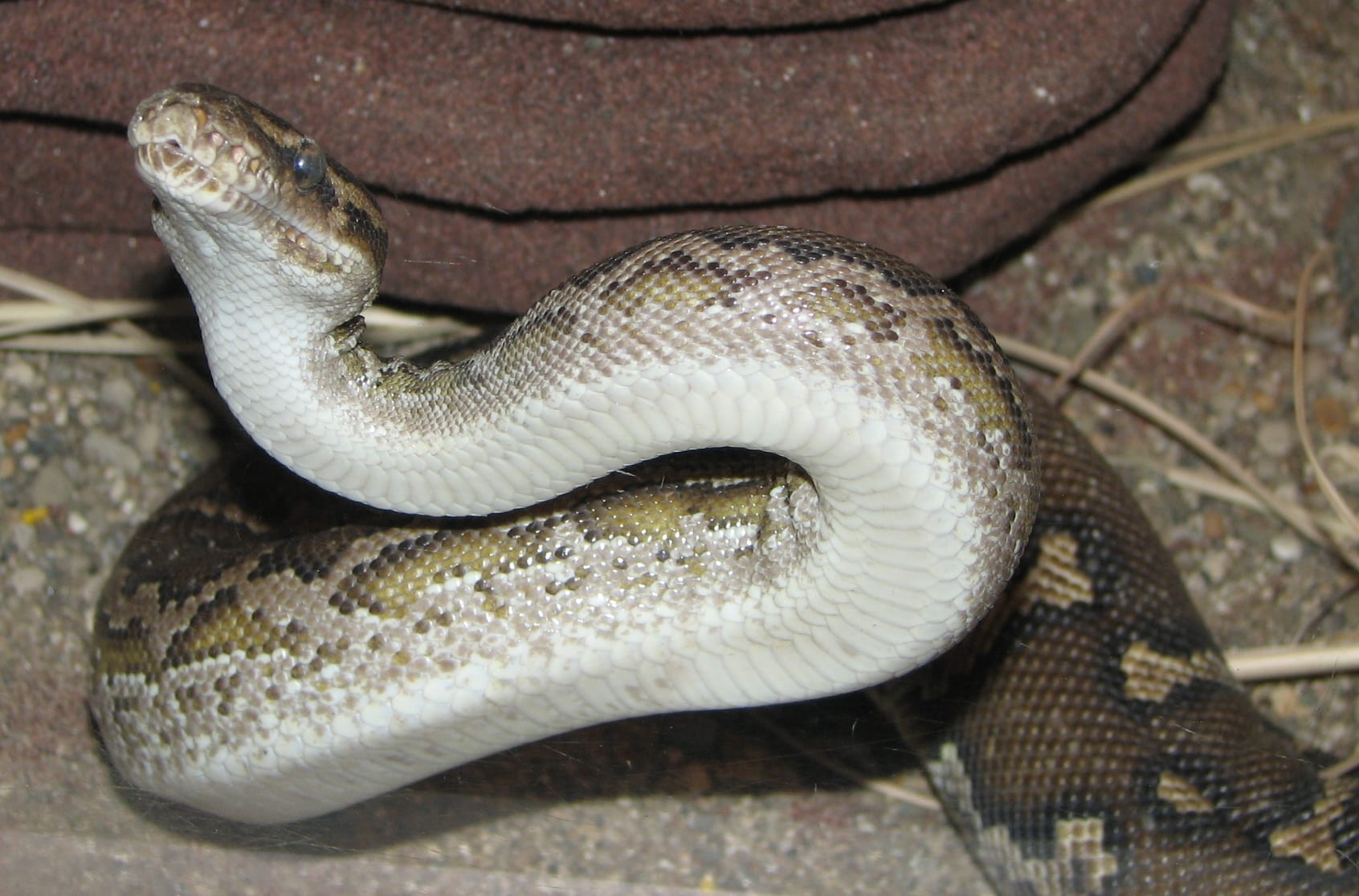
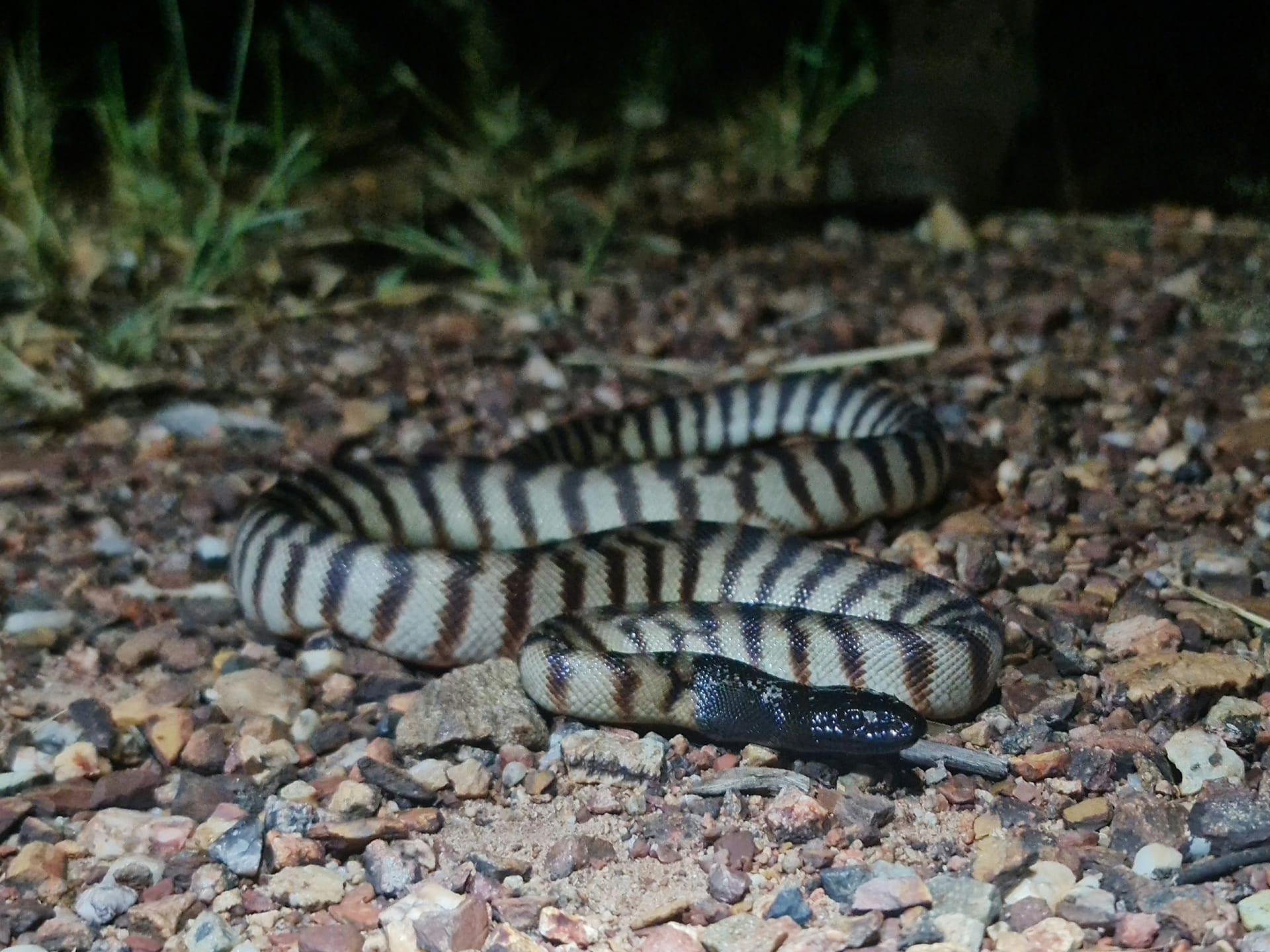
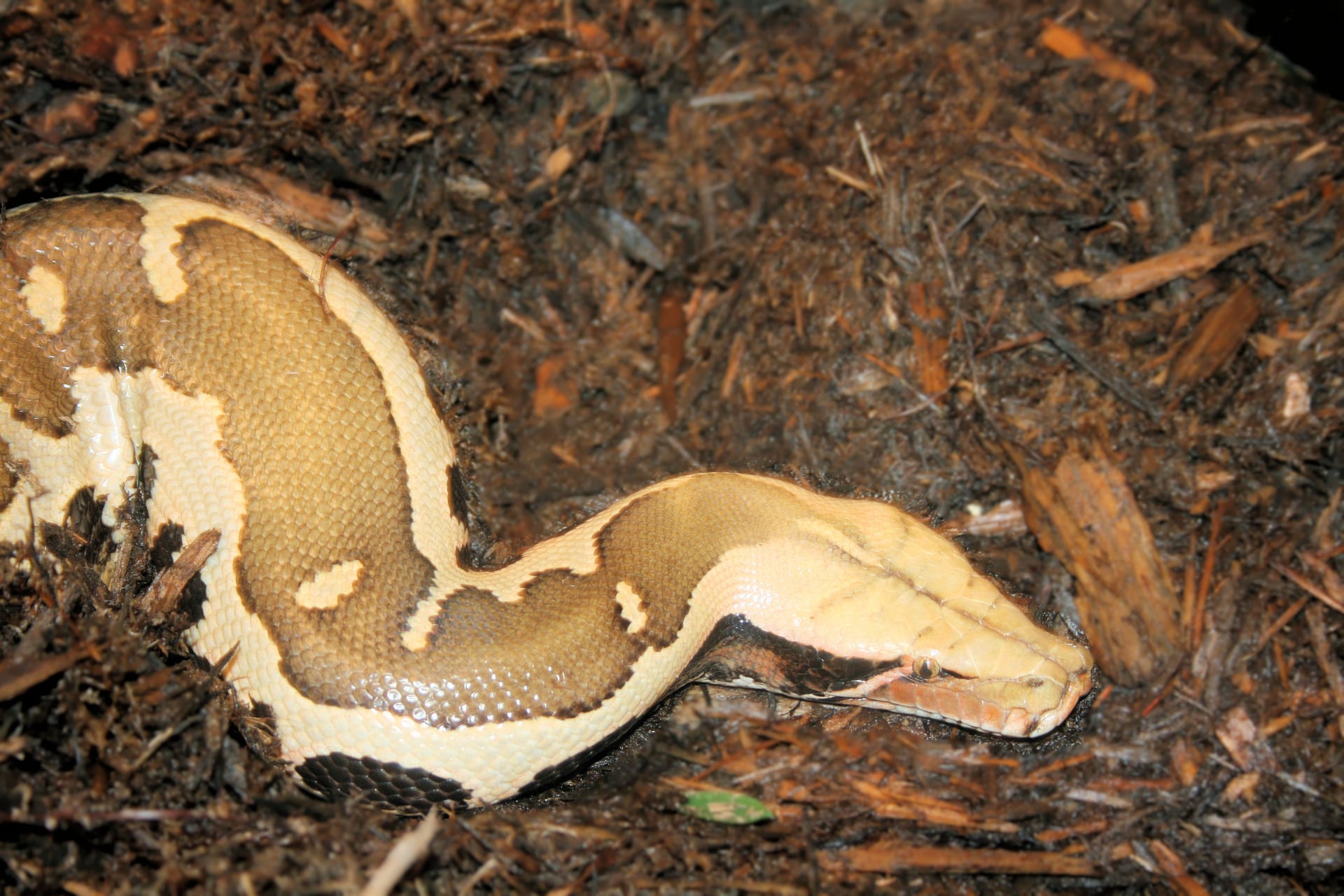
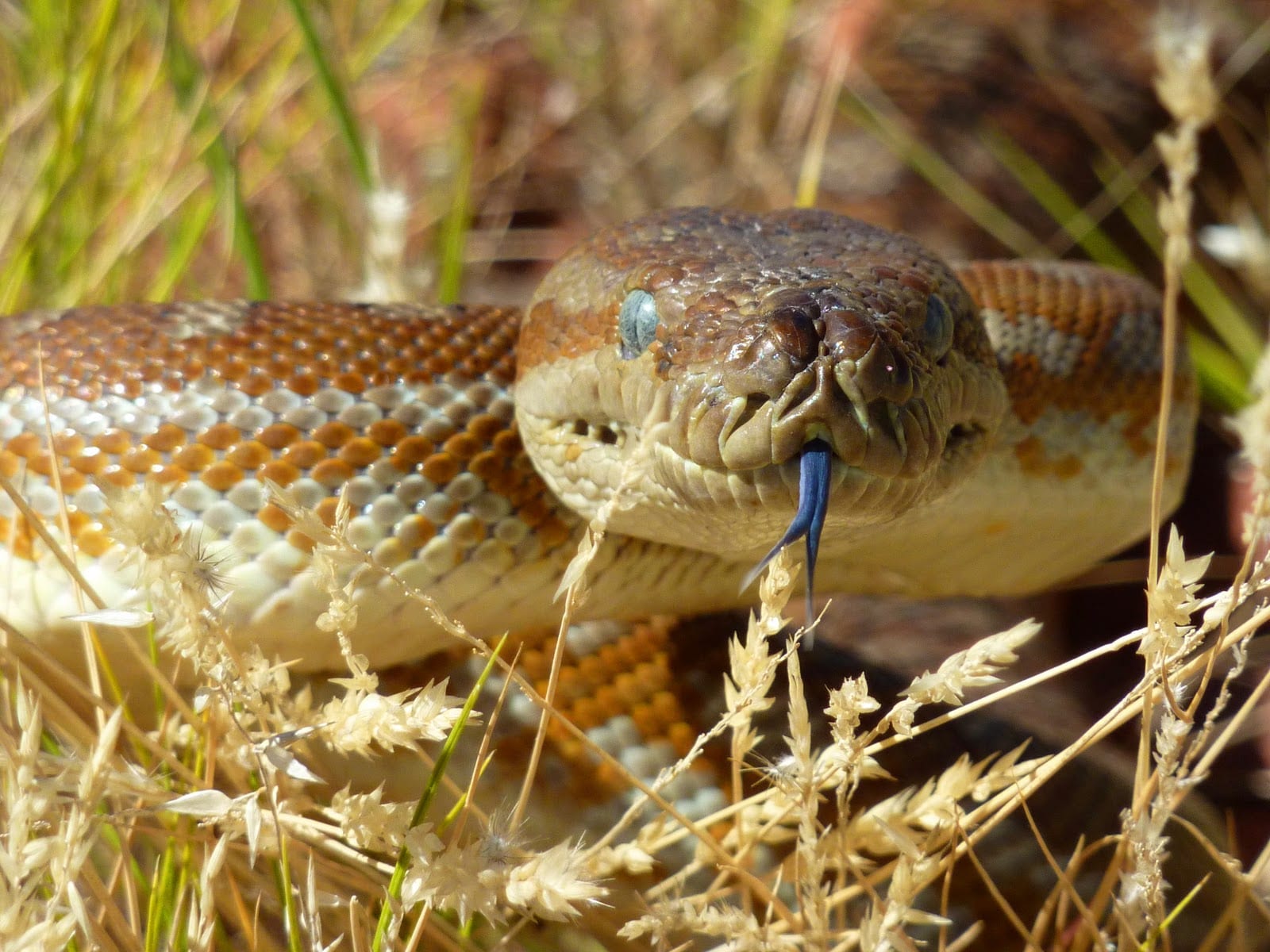
A python endemic to the arid ranges of central Australia. Pale intrusions break up a brown to strongly reddish ground colour, their black borders growing heavier towards the tail. It is slender and climbs readily.
Difficulty
Intermediate
Temperature
22〜38℃
Lifespan
15-25 years
Size
Up to 3m
Humidity
40〜60%
Diet
Thawed frozen mice and rats
About
Morelia bredli is a python endemic to the mountains of the southern Northern Territory of Australia. It is slender-bodied and rarely reaches 3 m. A highly variable pattern of pale intrusions breaks up a brown to strongly reddish ground colour, normally edged in black that becomes heavier towards the tail, and the belly is yellowish to pale cream. It occupies everything from dry desert through savanna and woodland to freshwater wetland, preferring foothills, ridges and rocky outcrops. It hunts and rests both in trees and on the ground, taking hole-nesting birds, possums, rock wallabies and occasionally feral cats and rabbits. It is oviparous, laying 13 to 47 eggs. Captive care calls for a high basking temperature and a large enclosure.
Source: Wikipedia (CC BY-SA 4.0)
Lifespan of the Centralian Carpet Python
The Centralian Carpet Python lives 15-25 years.
Size of the Centralian Carpet Python
The Centralian Carpet Python grows to Up to 3m.
Temperature & humidity for the Centralian Carpet Python
The ideal temperature for the Centralian Carpet Python is 22〜38℃. Ideal humidity is 40〜60%.
Basic Info
Origin
Australia, in the mountains of the southern Northern Territory, across dry desert, savanna, woodland and freshwater wetland, favouring foothills, ridges and rocky outcrops
Lifespan
15-25 years
Care Specifications
Semi-aggressiveSolitaryBreeding: Moderate
Sources: ReptiFiles: Carpet Python Care Sheet / Reptiles Magazine: Carpet Python Care Sheet / Wikipedia (English)
References & Sources
Edited & verified by: BreederDirect editorial team
The taxonomic, regulatory, and husbandry data on this page are compiled and verified against the authoritative primary sources below.
Taxonomy & Authority
Accepted name: Morelia bredli (Gow, 1981)
Synonyms: Python bredli Gow, 1981
Authority databases: GBIF · Reptile Database
Nomenclature follows global taxonomic authority databases.
Regulations & Conservation Status
CITES Appendix IIIUCN LC · Least Concern
Listed in CITES Appendix II as Pythonidae spp. since February 4, 1977 (Species+). As an Appendix II species, registration certificates for international rare wildlife are not required. Among pythons designated as designated animals in the Animal Protection and Management Act Enforcement Order, only five species are regulated, and this species does not qualify.
Sources: CITES Appendices (Pythonidae spp., Appendix II, effective 4 February 1977) / IUCN Red List / Order for Enforcement of the Act on Welfare and Management of Animals, Appended Table
Regulations may change. Always verify the latest information with the relevant authorities.
Centralian Carpet Python Listings
Loading latest listingsFind listings for this species