Source: Wikimedia Commons
Sumatran Short-Tailed Python
IntermediatePython curtus
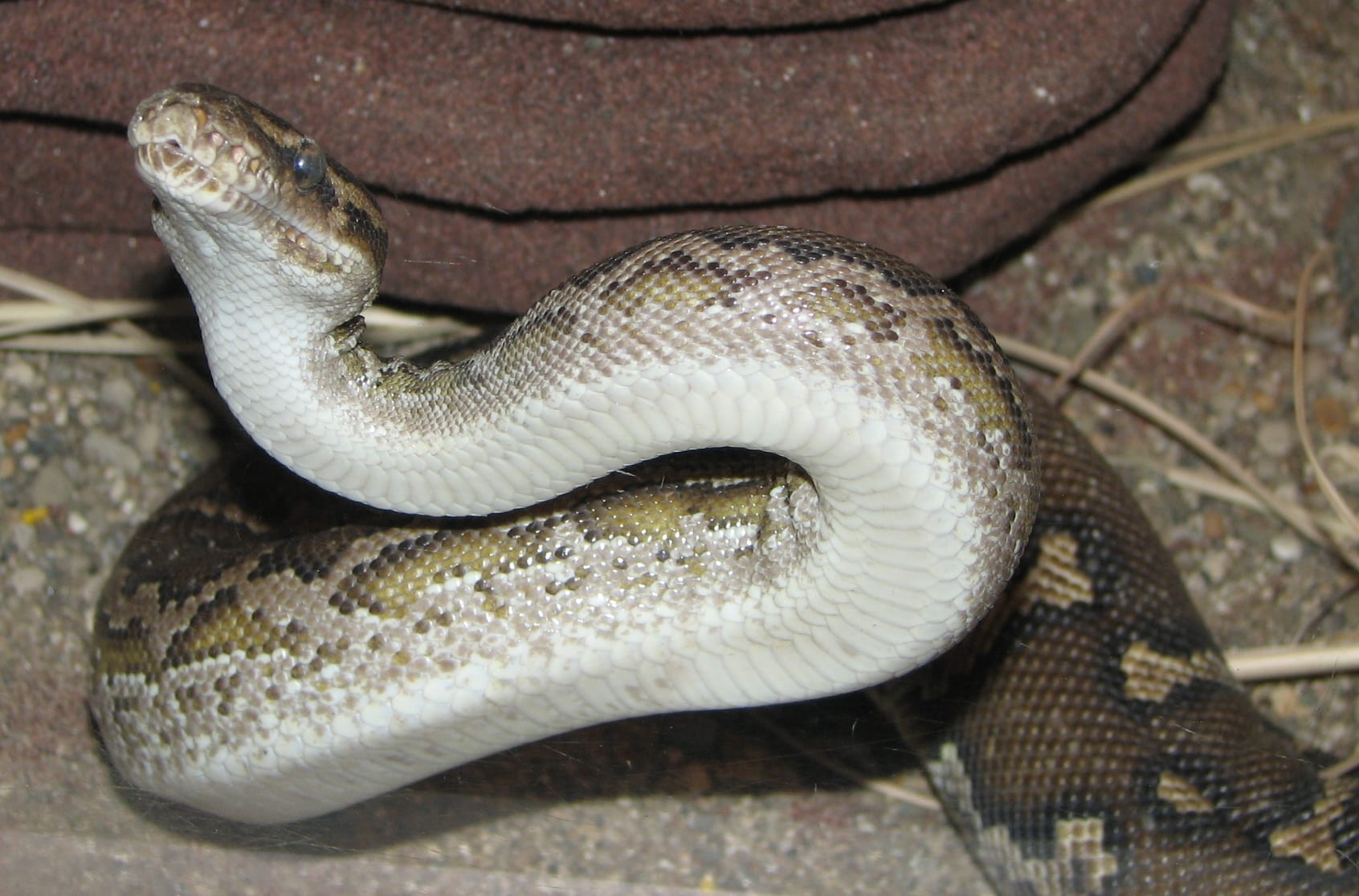
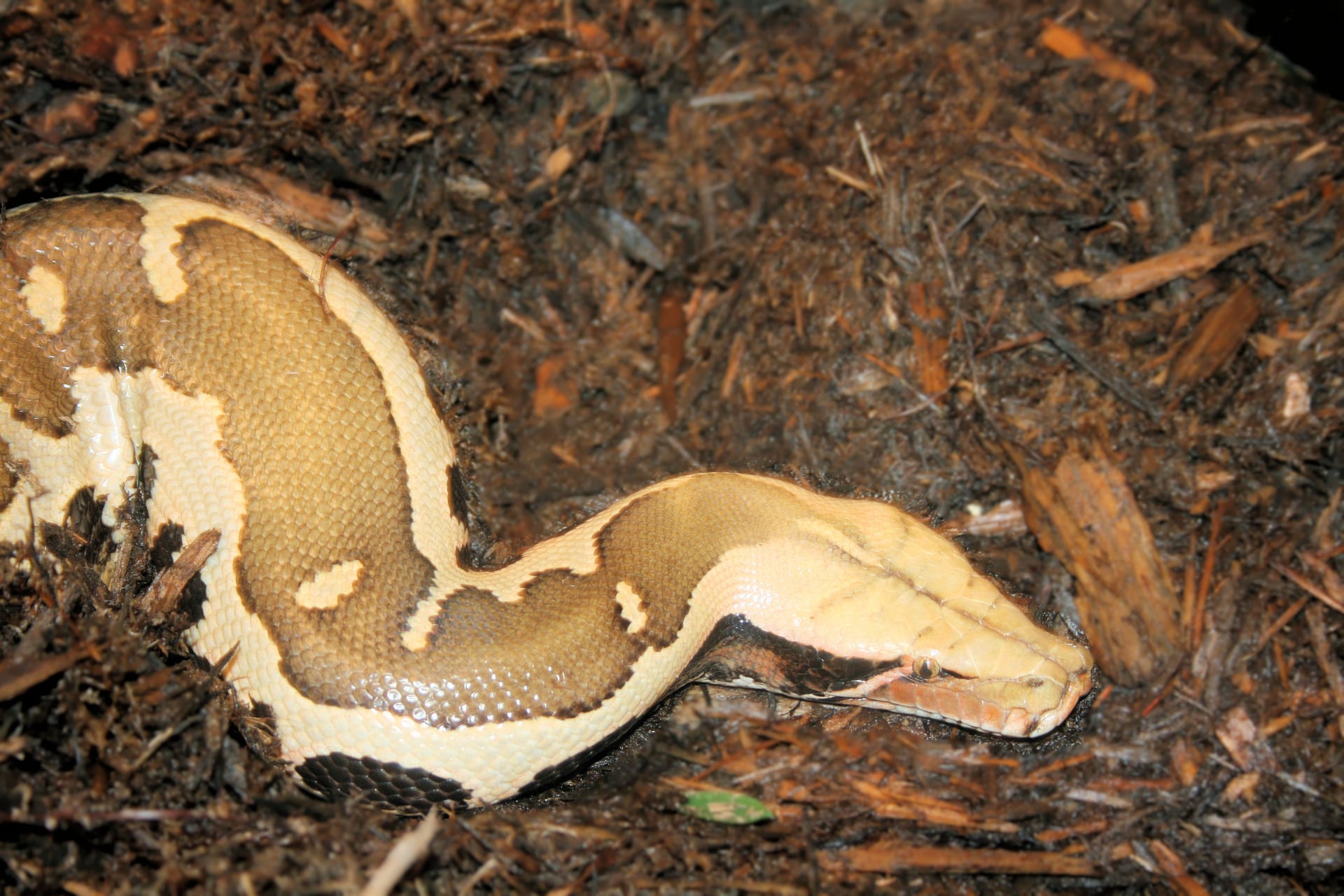
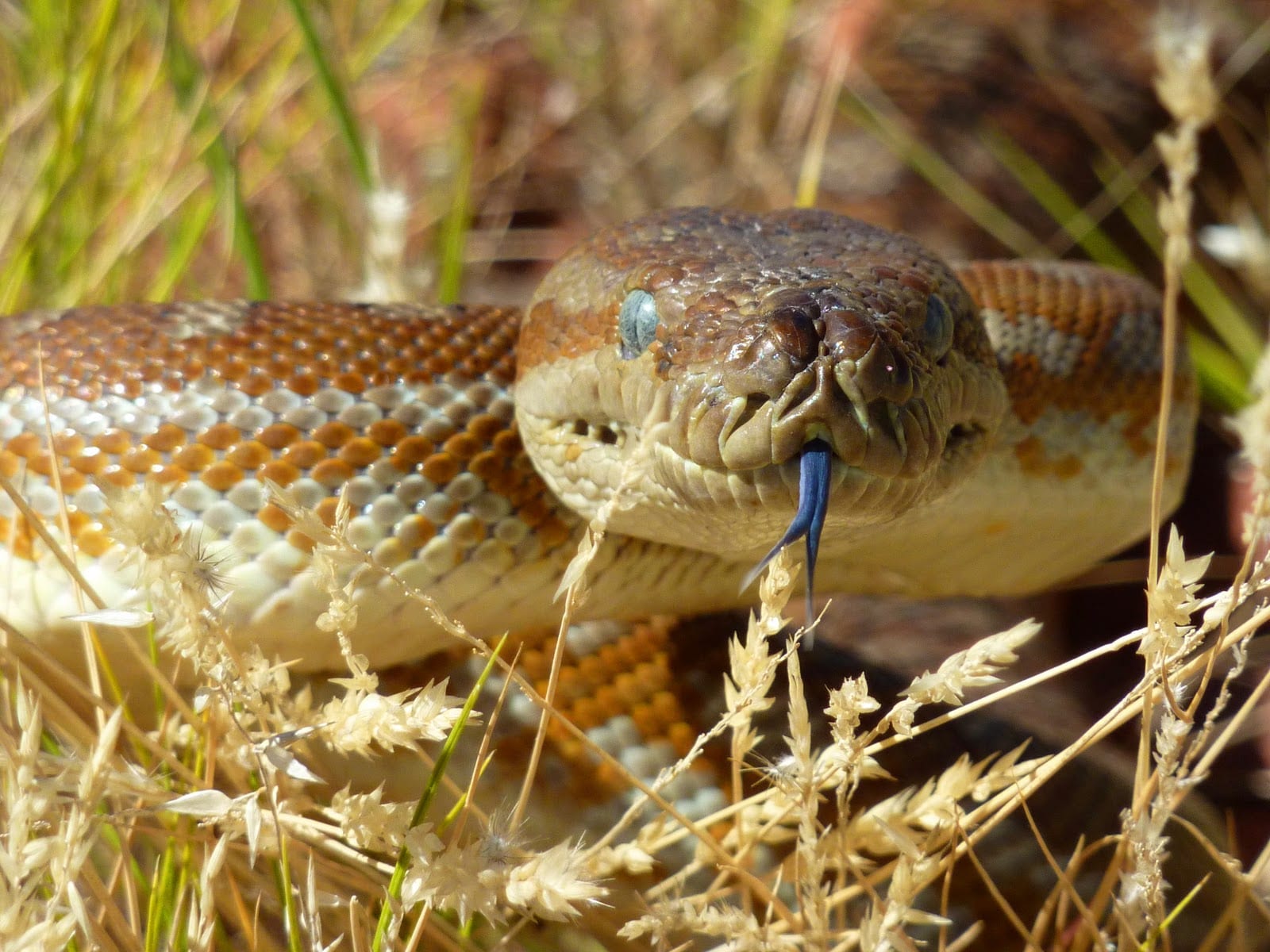
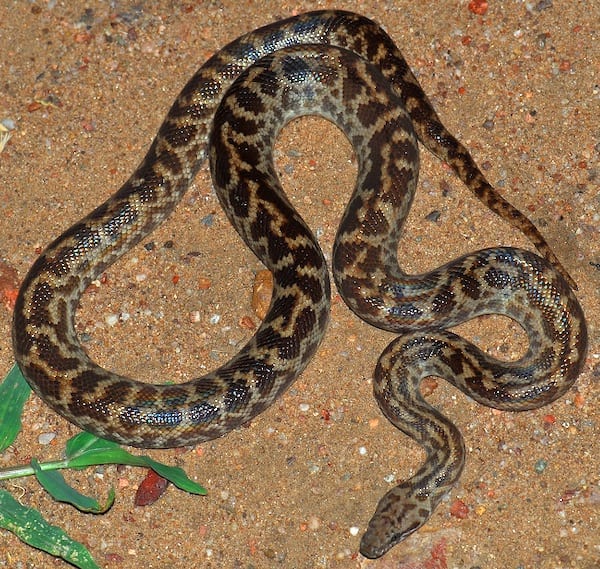
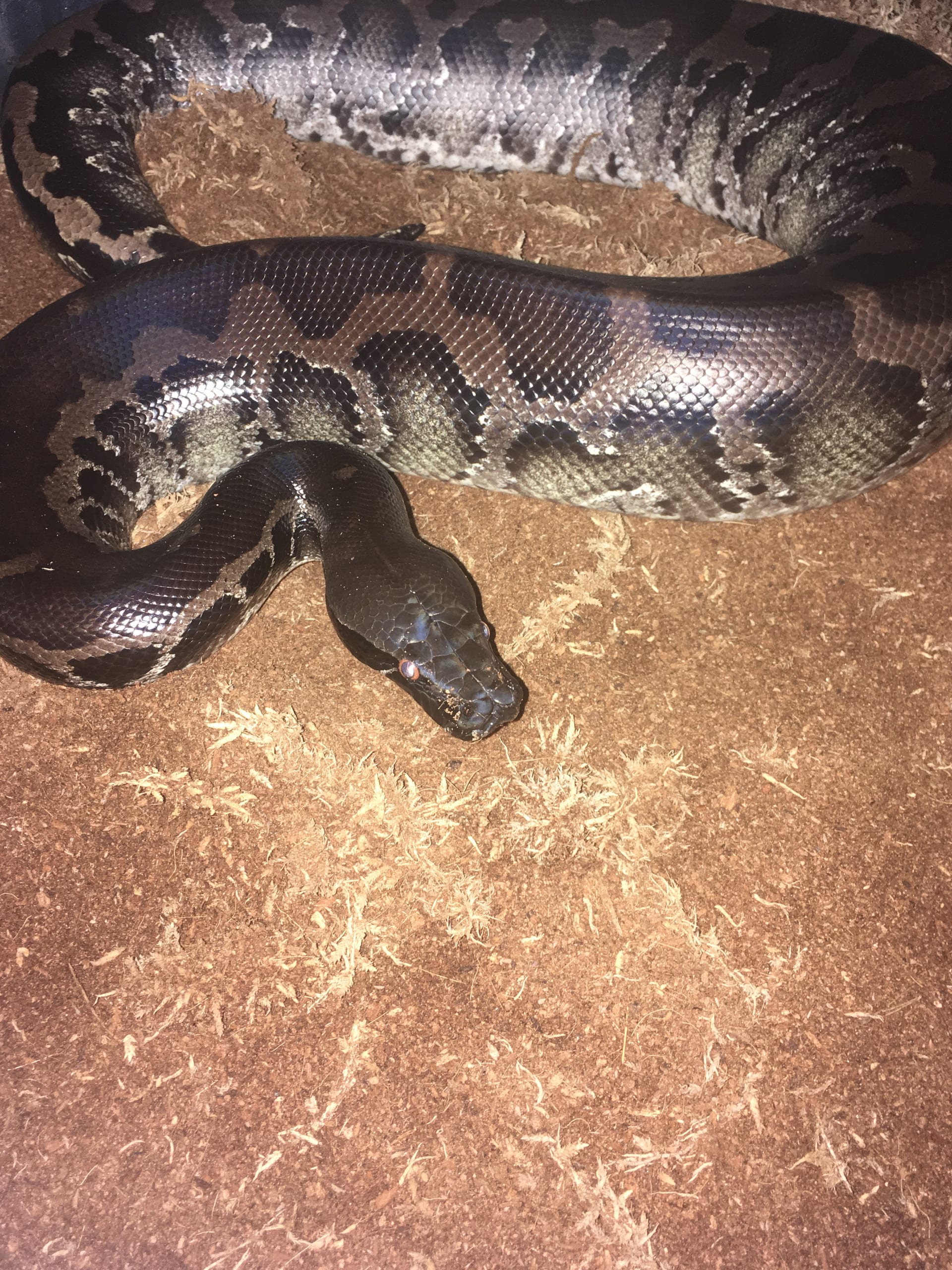
A python endemic to Sumatra and Siberut. Reddish blotches mark a beige to greyish-brown ground, the body is heavily built and the tail extremely short relative to total length. It is told from its two close relatives by how the crown scales meet.
Difficulty
Intermediate
Temperature
27〜30℃
Lifespan
15-25 years
Size
110-150cm
Humidity
40〜70%
Diet
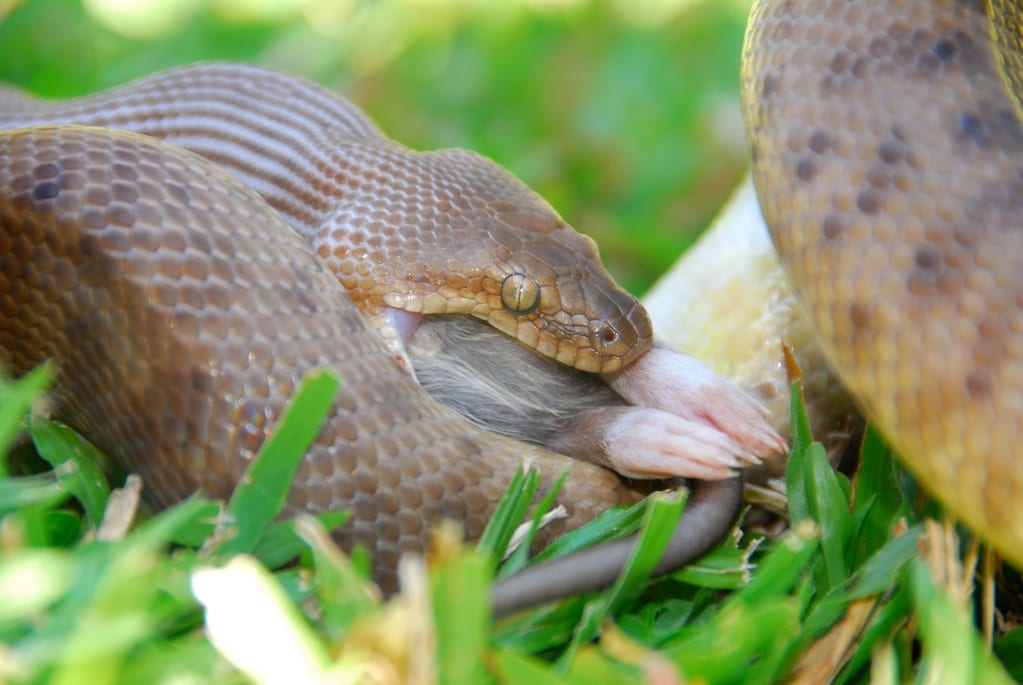
Mice and rats, frozen-thawed
About
Python curtus occurs on Sumatra, Siberut and Bangka. Adults reach 110-150 cm with a very thick body and a tail that is extremely short relative to total length. The ground colour is beige, tan or greyish brown with reddish blotches. Narrow subocular scales and parietal scales that do not meet distinguish it from its relatives P. brongersmai and P. breitensteini. It lives in rainforest, marshes, swamps and along rivers and streams, feeding on mammals and birds. It is oviparous, and females seldom lay more than a dozen large eggs; the female remains coiled around them and shivers to generate heat if the surrounding temperature falls below 32 C. Hatchlings emerge after two and a half to three months at about 30 cm. It is often regarded as unpredictable and aggressive, but well-kept captive-bred animals are far more docile than wild-caught ones. Its bulk and handling demands make it unsuitable for a first snake.
Source: Wikipedia (CC BY-SA 4.0)
Lifespan of the Sumatran Short-Tailed Python
The Sumatran Short-Tailed Python lives 15-25 years.
Size of the Sumatran Short-Tailed Python
The Sumatran Short-Tailed Python grows to 110-150cm.
Temperature & humidity for the Sumatran Short-Tailed Python
The ideal temperature for the Sumatran Short-Tailed Python is 27〜30℃.
Basic Info
Origin
Indonesia (Sumatra, Siberut and Bangka): rainforest, marsh, swamp and river banks
Care Specifications
Semi-aggressiveSolitaryBreeding: Moderate
Sources: Reptiles Magazine: Blood Python / Wikipedia (English) / Reptile Database
References & Sources
Edited & verified by: BreederDirect editorial team
The taxonomic, regulatory, and husbandry data on this page are compiled and verified against the authoritative primary sources below.
Taxonomy & Authority
Accepted name: Python curtus Schlegel, 1872
Synonyms: Aspidoboa curta Sauvage, 1884, Python curtus curtus Stull, 1935
Authority databases: GBIF · Reptile Database
Nomenclature follows global taxonomic authority databases.
Regulations & Conservation Status
CITES Appendix IIIUCN LC · Least Concern
The family Pythonidae spp. is listed in CITES Appendix II (Species+). As it is in Appendix II, a registration certificate is not required. Among species in the family Pythonidae, only five are designated as specified animals in the Animal Protection and Management Law Enforcement Decree, and this species is not among them.
Sources: CITES Appendices (ニシキヘビ科 Pythonidae spp. 附属書II) / IUCN Red List / Order for Enforcement of the Act on Welfare and Management of Animals, Appended Table
Regulations may change. Always verify the latest information with the relevant authorities.
Sumatran Short-Tailed Python Listings
Loading latest listingsFind listings for this species