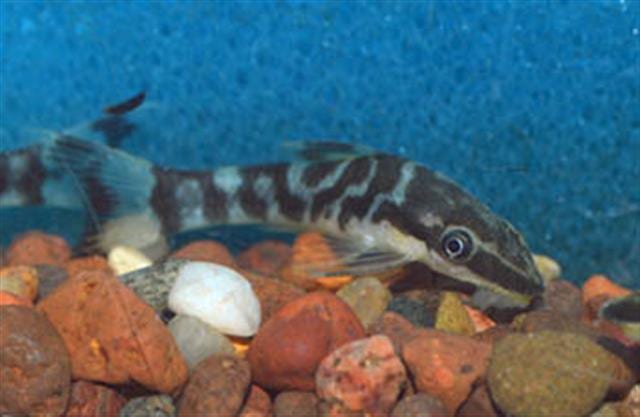
 © Frank M. Greco / CC BY 3.0
Zebra Otocinclus
The Zebra Otocinclus is a small algae-eating catfish known from a single river system in Peru, easily recognized by the black-and-white blotches arranged lengthwise along its slender body. Reaching only about 4 to 5 cm as an adult, it spends its days quietly grazing on algae and biofilm rather than drawing attention to itself. Peaceful by nature, it rarely bothers other fish, but it is small and timid, so it is not suited to ordinary community tanks. It is best kept in a group of six or more, with tankmates limited to small characins, small corydoras or plecos, and shrimp. Because it depends heavily on algae and biofilm that only build up once a tank has matured, newly set-up aquariums often can't offer enough food, leaving it prone to starvation. For this reason, it's generally regarded as a fish for experienced keepers who can judge whether a tank is truly ready.
View Zebra Otocinclus encyclopedia →Breeder Wanted!
List on BreederDirect and sell directly to customers nationwide!
BreederDirect's 6 Transparency Commitments
All Tropical Fish listings include water quality, temperament, and tank size information from verified Breeder.
- Origin Disclosed
- Real Photos
- Water Quality Disclosed
- Recommended Tank Size
- Temperament Disclosed
- Breed Line Disclosed
Browse all 341 breeds
Water Type
Care Level
No listings match your filters
Adjust your filters, or get notified when new listings arrive.
Getting alerts is free with a member account. When new listings match your saved search, we'll notify you by email and in-app.
Browse other categories
Verified breeders (preview)
Are you raising tropical fish?
Register as a breeder and connect with buyers directly.
Apply as a breederZebra Otocinclus key facts
- Care level
- Advanced
- Lifespan
- 3-5 years
- Size
- 4-5cm
- Temperature
- 21〜25℃
- Diet
- Algae, biofilm, spirulina tablets and blanched vegetables
- Tank
- Seriously Fish suggests a 45 x 30cm base of about 41 litres. Plant densely and add floating plants, roots and branches for structure; dried leaf litter will be grazed as it breaks down. Gentle filtration such as an air-driven sponge filter is enough.
- Water Temperature & Quality
- 21-25C, pH 6.0-7.5 and 2-10dGH. Stable water is an absolute requirement and the fish should never be added to an immature aquarium.
- Tank Mates
- Peaceful towards other species, but too small and timid for a general community tank. Keep it alone or at most with diminutive characins, small callichthyid or loricariid catfishes and Caridina or Neocaridina shrimp. It is gregarious and should be kept in a group of six or more.
- Diet & Feeding
- A herbivore feeding on green algae, diatoms and the biofilm on leaves and wood; it will starve in a tank without them. Once settled it takes spirulina and kelp tablets and blanched spinach, cucumber or courgette.
- Breeding & Spawning
- Breeding has been achieved but almost no details are published. The fry are presumably tiny and need copious algae and greenstuffs. A substantial share of traded fish are bred in Asia.
- Health & Notes
- Newly imported fish are often delicate and should be settled in a quarantine tank with an established biofilm before being moved. The IUCN assesses it as Endangered, citing its limited range and overexploitation for the aquarium trade. It is not listed by CITES.
About Zebra Otocinclus
Zebra Otocinclus is a small algae-eating catfish from Peru with black-and-white blotches, living on algae and biofilm in mature tanks. Best suited to experienced keepers with well-established aquariums.
7 things to know before welcoming a Zebra Otocinclus
1Wait for tank maturity
Zebra Otocinclus rely mainly on the algae and biofilm that build up naturally in an aquarium. A newly set-up tank has too little of this food source, which can lead to starvation, so wait until the tank is well established before adding them.
2A species for experienced keepers
This species is considered suited to experienced aquarists. Securing enough food and managing water quality both take some know-how, so prior experience with otocinclus or other small fish is recommended before taking one on.
3Adults reach about 4-5cm
Even fully grown, this fish stays a compact 4 to 5 cm, making it manageable without a large tank. Still, consider the size of any tankmates when planning a community setup.
4Black-and-white lengthwise blotches
Its slender body is marked with distinctive black-and-white blotches running lengthwise. A small group swimming together adds a unique visual accent to the tank.
5Peaceful but timid; keep in groups of six or more
Zebra Otocinclus are peaceful and rarely bother other fish. However, they are small and timid, so they are not suited to ordinary community tanks. Keep them in a group of six or more, and limit tankmates to small characins, small corydoras or plecos, and shrimp.
6Supplement their diet
Algae alone may not always be enough to keep them fed. During periods when algae is scarce, supplement their diet with algae wafers or blanched vegetables.
7Found in only one river system
This fish is known from just a single river system in Peru. Keeping its native habitat in mind, avoid sudden changes in water conditions.
Frequently asked questions about Zebra Otocinclus
- Q.Is the Zebra Otocinclus suitable for beginners?
- A.The Zebra Otocinclus is generally considered a fish for experienced keepers. Since feeding and water quality management both require some know-how, it's best to have prior fishkeeping experience before bringing one home.
- Q.Can they be added right after setting up a new tank?
- A.A freshly set-up tank usually lacks enough algae and biofilm, so food can be scarce. It's best to wait until the tank has fully matured before adding them.
- Q.How big do they grow?
- A.Even as adults, they stay small at around 4 to 5 cm, making them easy to keep without needing a large aquarium.
- Q.Can they be kept with other fish?
- A.They are peaceful and rarely bother other fish, but they are small and timid, so they are not suited to ordinary community tanks. Keep them in a group of six or more, and limit tankmates to small characins, small corydoras or plecos, and shrimp.
- Q.Is this species subject to CITES?
- A.No, the Zebra Otocinclus is not subject to CITES.
Useful tools for Zebra Otocinclus care
Learn more about Zebra Otocinclus in the encyclopedia
View Zebra Otocinclus encyclopedia entry →
Care difficulty, lifespan, size and diet — all basics covered.
More in this category
Can't find the one you're looking for?
Post your wishes for free and breeders with matching animals will contact you with introductions.