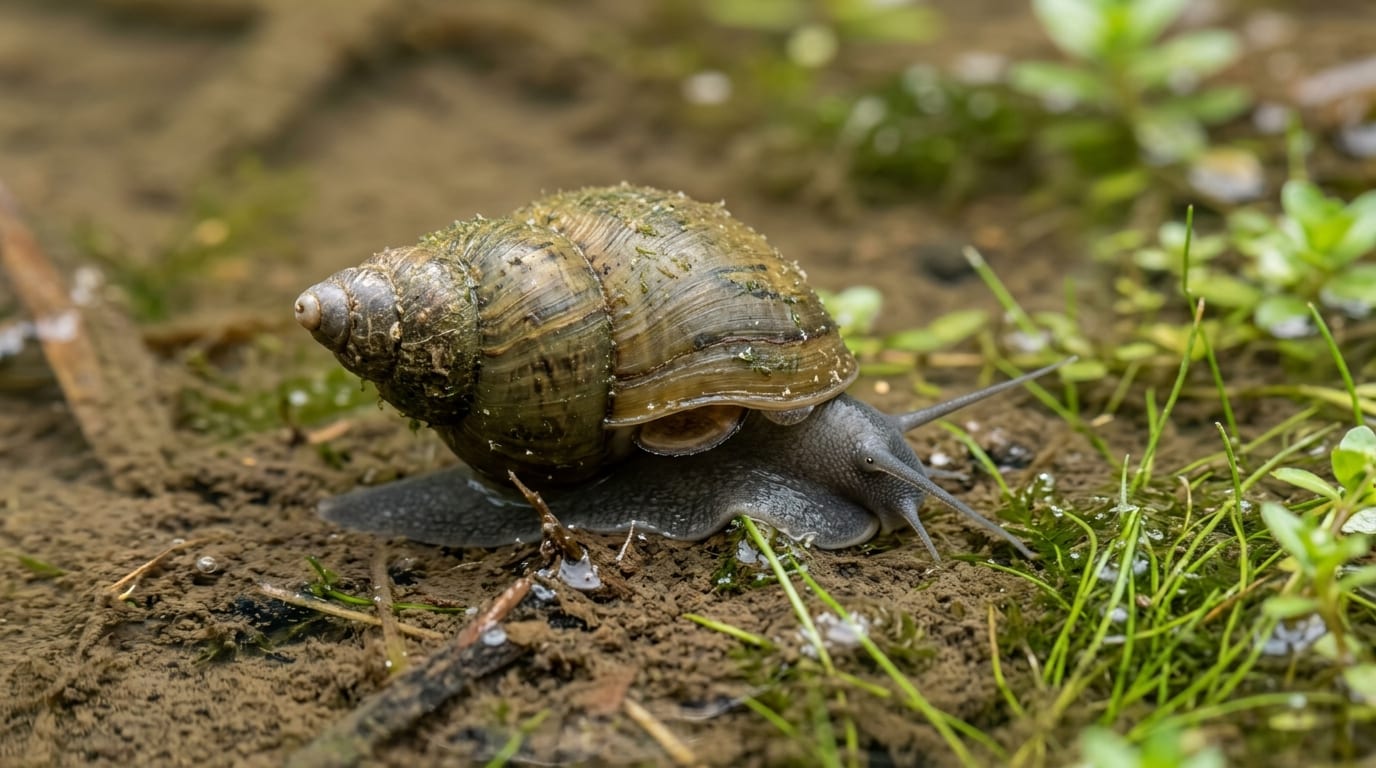
Japanese Trapdoor Snail
The Japanese trapdoor snail is a native species long found in Japan's rice paddies and irrigation channels. This compact snail, with a shell reaching about 20 to 30mm in height, keeps aquariums clean in three ways: grazing algae off glass and rocks, cleaning up leftover food and detritus, and filter-feeding fine particles through its gills. It's a peaceful animal that won't harm fish, shrimp, or live plants, making it a great addition to community tanks. Rather than laying eggs, it gives birth to fully formed baby snails — a livebearing trait that's fascinating to watch. Considered beginner-friendly, it's a reassuring first choice for anyone new to keeping snails.
View Japanese Trapdoor Snail encyclopedia →0% commission on your first sales!Register by September 30, 2026 and your first 2 sales are commission-free!
Breeder Wanted!
List on BreederDirect and sell directly to customers nationwide!
Our 6 Transparency Commitments
All Tropical Fish listings include water quality, temperament, and tank size information from verified Breeder.
- Origin Disclosed
- Real Photos
- Water Quality Disclosed
- Recommended Tank Size
- Temperament Disclosed
- Breed Line Disclosed
Browse all 301 breeds
Water Type
Care Level
Verified breeders wanted for Tropical Fish
Breeders are signing up now ahead of launch. Subscribe to be notified when new listings go live.
Getting alerts is free with a member account. When new listings match your saved search, we'll notify you by email and in-app.
Browse other categories
Verified breeders (preview)
Are you raising tropical fish?
Register as a breeder and connect with buyers directly.
Apply as a breederAbout Japanese Trapdoor Snail
Meet the Japanese trapdoor snail, a native, beginner-friendly freshwater snail with a 20-30mm shell that grazes algae, cleans up detritus, and filter-feeds through its gills.
7 things to know before welcoming a Japanese Trapdoor Snail
1Three Ways It Cleans the Tank
Japanese trapdoor snails graze algae off glass and rocks, clean up leftover food and detritus, and filter fine particles from the water through their gills. This three-pronged feeding style makes them genuinely useful cleanup crew members, not just decorative additions.
2Live-Born Young, Not Eggs
Rather than laying eggs, Japanese trapdoor snails are livebearers that release fully formed baby snails directly into the tank. This means fewer failed hatchings and gives you a front-row seat to watch reproduction happen.
3Calcium Keeps the Shell Strong
A healthy shell depends on adequate calcium in the water. In very soft water, shells can thin or become pitted over time, so using a calcium-rich substrate or supplement helps keep them strong.
4Gentle on Plants and Tankmates
These snails generally leave live plants alone and won't harm fish or shrimp sharing the tank. That makes them an easy fit for planted tanks and peaceful community setups.
5Sensitive to Copper Medications
Snails are especially sensitive to the copper found in many fish medications. Before treating other tankmates for illness, check whether the medication is snail-safe to avoid harming your trapdoor snails.
6A Native Species, Not the Invasive Look-Alike
Japanese trapdoor snails are a native species long found in Japan's rice paddies and irrigation channels — a different animal from the invasive apple snail, which can multiply explosively and is often mistaken for it. It's worth knowing the difference so the two aren't confused.
7Can Multiply Readily in a Tank
As livebearers, they can multiply steadily once conditions suit them. If population growth becomes a concern, planning ahead for thinning numbers or adjusting stocking helps keep things manageable.
Frequently asked questions about Japanese Trapdoor Snail
- Q.Is the Japanese trapdoor snail suitable for beginners?
- A.Yes, it's a hardy, adaptable animal generally considered beginner-friendly. It's easy to get started with even without specialized equipment.
- Q.How good is it at controlling algae?
- A.It grazes algae off glass and rocks, making it a popular choice as an algae-eating snail. It also eats detritus and filter-feeds fine particles, so it handles several cleanup roles at once.
- Q.Will it eat my live plants?
- A.Healthy live plants are rarely bothered by this snail. Since it mainly feeds on algae and detritus, it's generally considered safe to add to planted tanks.
- Q.How big does it get?
- A.Adults typically reach a shell height of about 20 to 30mm. That's a compact size compared to many larger freshwater snails, making it manageable even in smaller tanks.
- Q.Can it live with other fish and shrimp?
- A.Its peaceful temperament means it generally coexists well with most fish and shrimp. Just be cautious with copper-based medications, since snails are sensitive to them — check before treating tankmates.
Useful tools for Japanese Trapdoor Snail care
Learn more about Japanese Trapdoor Snail in the encyclopedia
View Japanese Trapdoor Snail encyclopedia entry →
Care difficulty, lifespan, size and diet — all basics covered.
More in this category
Can't find the one you're looking for?
Post your wishes for free and breeders with matching animals will contact you with introductions.