Otocinclus Negro
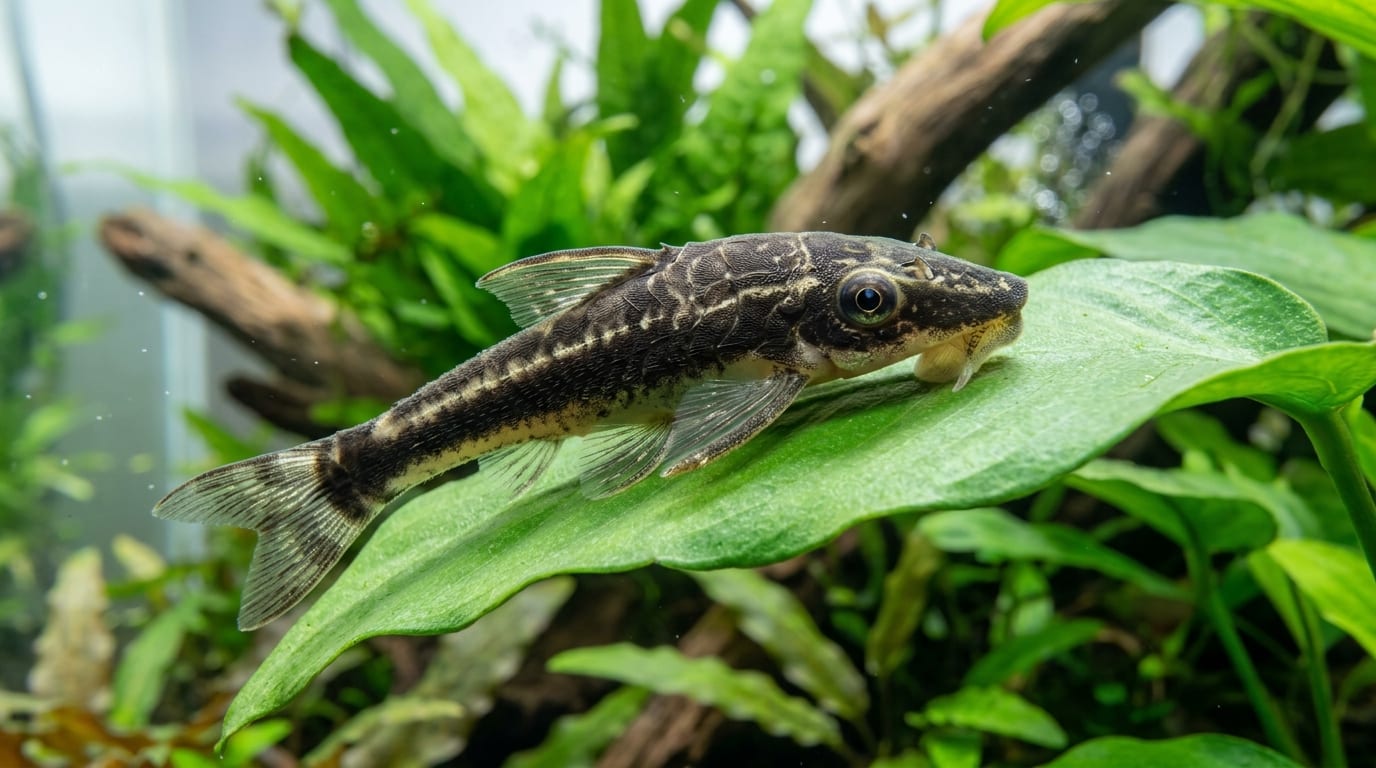
The Otocinclus Negro is a small catfish of the Loricariidae family, known for its dark brown body marked with faint pale stripes running along its length. Native to Atlantic coastal river systems in southern Brazil, this species grazes on algae and is often kept for its natural role in keeping aquarium glass and decor clean. Compared to other Otocinclus species, it tolerates somewhat cooler water temperatures, giving it a bit more flexibility in tank conditions. Calm and unobtrusive, it spends much of its time clinging to glass or driftwood, making it a popular choice for community tanks kept by intermediate-level aquarists.
View Otocinclus Negro encyclopedia →0% commission on your first sales!Register by September 30, 2026 and your first 2 sales are commission-free!
Breeder Wanted!
List on BreederDirect and sell directly to customers nationwide!
Our 6 Transparency Commitments
All Tropical Fish listings include water quality, temperament, and tank size information from verified Breeder.
- Origin Disclosed
- Real Photos
- Water Quality Disclosed
- Recommended Tank Size
- Temperament Disclosed
- Breed Line Disclosed
Browse all 301 breeds
Water Type
Care Level
Verified breeders wanted for Tropical Fish
Breeders are signing up now ahead of launch. Subscribe to be notified when new listings go live.
Getting alerts is free with a member account. When new listings match your saved search, we'll notify you by email and in-app.
Browse other categories
Verified breeders (preview)
Are you raising tropical fish?
Register as a breeder and connect with buyers directly.
Apply as a breederOtocinclus Negro key facts
- Care level
- Intermediate
- Lifespan
- 3-5 years
- Size
- 5-6cm
- Temperature
- 20〜25℃
- Diet
- Algae, biofilm, spirulina tablets and blanched vegetables
- Tank
- A small species of about 6cm. Plant the tank and add driftwood and leaf litter to increase the surfaces where biofilm and algae can develop. Strong flow is not needed.
- Water Temperature & Quality
- FishBase gives 20-25C, pH 5.0-7.0 and hardness up to 16dH. It is adapted to slightly cooler water than most tropical species, so watch for overheating in summer.
- Tank Mates
- It is a small herbivorous bottom fish that is easily outcompeted for food, and tankmates should be chosen on that basis.
- Diet & Feeding
- Algae and biofilm form the main diet. Tank algae alone is rarely enough, so offer spirulina tablets, vegetable-based wafers and blanched spinach or cucumber.
- Breeding & Spawning
- Captive breeding has rarely been recorded, so focus first on keeping the fish well fed and settled long term in a tank rich in algae and biofilm.
- Health & Notes
- Newly imported fish are often thin and should be introduced to a tank that already carries algae and biofilm. The IUCN assesses it as Least Concern and it is not listed by CITES.
About Otocinclus Negro
The Otocinclus Negro is a small Loricariidae catfish from southern Brazil with a dark, pale-striped body. It grazes on algae and suits intermediate keepers who can manage its water conditions.
7 things to know before welcoming a Otocinclus Negro
1Tolerates Cooler Water
Compared to other Otocinclus species, the Otocinclus Negro can tolerate somewhat cooler water temperatures. Even so, extreme cold is still stressful, so use a heater to keep the temperature stable.
2A Natural Algae Grazer
This species readily grazes on algae growing in the tank and is often added specifically for that purpose. You can watch it cling to glass, driftwood, and plant leaves while feeding.
3Avoid Newly Set-Up Tanks
It's best not to introduce this fish into a freshly set-up tank, since algae for it to feed on hasn't had time to grow. A tank that has settled and already shows some natural algae growth is a better fit.
4Peaceful and Community-Friendly
Its calm temperament means it rarely bothers other fish, making it easy to add to a community tank. It tends to stay quiet, often resting on the glass or tucked near driftwood.
5Watch for Food Shortages
Since it relies mainly on algae, it can lose condition in tanks with little algae growth. Supplementing with algae wafers or other plant-based food helps ensure it always has enough to eat.
6Better Kept in a Small Group
This species tends to settle in more comfortably when kept with others of its kind rather than alone. When bringing them home, consider a group size appropriate to your tank's dimensions.
7Sensitive to Sudden Water Changes
This fish can be sensitive to abrupt shifts in water quality, so partial water changes in smaller amounts are preferable to large, infrequent ones. This need for careful water management is part of why it's considered suited to intermediate keepers.
Frequently asked questions about Otocinclus Negro
- Q.How big does the Otocinclus Negro grow?
- A.Adults typically reach around 5 to 6 cm, a fairly typical small size for the Otocinclus group.
- Q.Is this species suitable for beginners?
- A.It's generally considered suited to intermediate keepers, since it requires some knowledge of water quality and feeding management. Gaining some keeping experience first is recommended.
- Q.What should it be fed?
- A.It mainly feeds on algae growing naturally in the tank. If algae is scarce, supplementing with algae wafers or other plant-based food is a good idea.
- Q.Can it be kept with other fish?
- A.Yes, its peaceful temperament makes it well suited to mixing with other tropical fish. Its low aggression makes it an easy addition to a community tank.
- Q.How is it different from other Otocinclus species?
- A.It's distinguished by its dark brown body with faint pale stripes, and it tolerates cooler water than other Otocinclus species. It's endemic to Atlantic coastal river systems in southern Brazil.
Useful tools for Otocinclus Negro care
Learn more about Otocinclus Negro in the encyclopedia
View Otocinclus Negro encyclopedia entry →
Care difficulty, lifespan, size and diet — all basics covered.
More in this category
Can't find the one you're looking for?
Post your wishes for free and breeders with matching animals will contact you with introductions.