 © Emőke Dénes / CC BY-SA 4.0
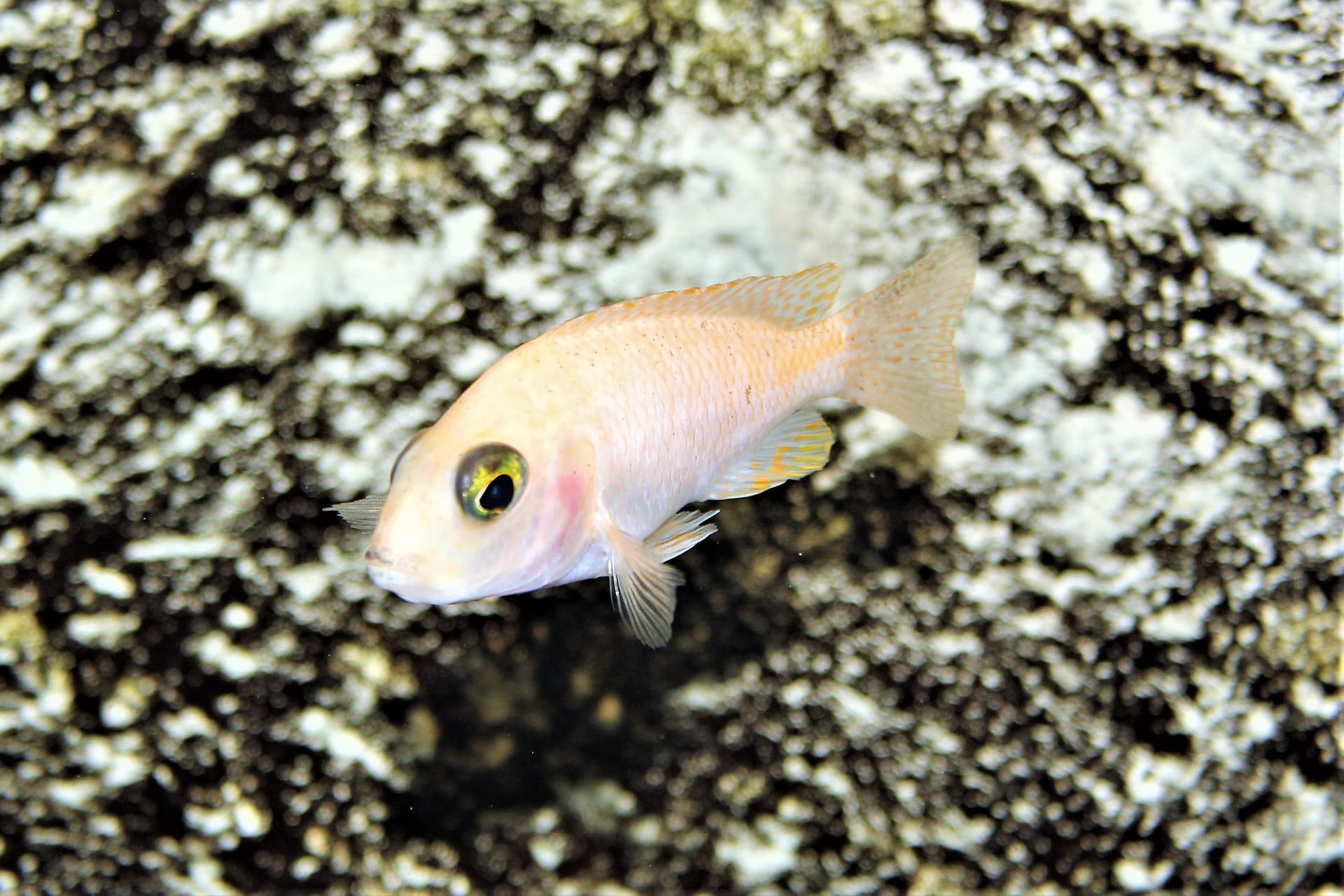
Red Zebra Cichlid
The Red Zebra Cichlid is a mbuna cichlid endemic to the eastern shore of Lake Malawi. In the wild, males typically show a pale blue coloration while females range from brown to bright orange-red, giving the species distinct looks between sexes. It has a feisty, territorial temperament but is hardy and adaptable, making it approachable even for first-time cichlid keepers. As one of the classic red African cichlids, it has long been a staple in the hobby, popular both as a species-only setup and within mixed mbuna communities.
View Red Zebra Cichlid encyclopedia →0% commission on your first sales!Register by September 30, 2026 and your first 2 sales are commission-free!
Breeder Wanted!
List on BreederDirect and sell directly to customers nationwide!
Our 6 Transparency Commitments
All Tropical Fish listings include water quality, temperament, and tank size information from verified Breeder.
- Origin Disclosed
- Real Photos
- Water Quality Disclosed
- Recommended Tank Size
- Temperament Disclosed
- Breed Line Disclosed
Browse all 301 breeds
Water Type
Care Level
Verified breeders wanted for Tropical Fish
Breeders are signing up now ahead of launch. Subscribe to be notified when new listings go live.
Getting alerts is free with a member account. When new listings match your saved search, we'll notify you by email and in-app.
Browse other categories
Verified breeders (preview)
Are you raising tropical fish?
Register as a breeder and connect with buyers directly.
Apply as a breederRed Zebra Cichlid key facts
- Care level
- Beginner-friendly
- Lifespan
- 5-10 years
- Size
- 8-13cm
- Temperature
- 22〜28℃
- Diet
- Spirulina-based prepared foods, frozen foods
- Tank
- FishBase gives a minimum aquarium length of 120cm. Stack rock in layers to provide caves and break sight lines, over a sandy substrate.
- Water Temperature & Quality
- 22-28C at pH 7.5-8.5. Keep the water hard and alkaline and minimise swings during water changes.
- Tank Mates
- Territorial disputes are severe with congeners and similarly coloured mbuna. Choose tank mates of different colour and pattern and keep one male to several females.
- Diet & Feeding
- An algae grazer, so feed mainly vegetable matter. Too much animal protein readily causes digestive trouble.
- Breeding & Spawning
- A mouthbrooder. The female holds eggs and fry in her mouth for about 21 days before releasing them.
- Health & Notes
- Colour varies widely between individuals and localities, and some females show little red. In crowded tanks watch for nitrate build-up.
About Red Zebra Cichlid
Red Zebra Cichlid, a mbuna endemic to Lake Malawi. Males show pale blue, females brown to orange-red. Hardy and beginner-friendly, it's a classic red African cichlid.
7 things to know before welcoming a Red Zebra Cichlid
1Strong Territorial Instinct
Red Zebra Cichlids are feisty and tend to defend their territory. Keeping them as a single species or providing multiple rock shelters helps reduce conflict with tankmates.
2Prefers Alkaline Water
Native to Lake Malawi, this species thrives in neutral to slightly alkaline, hard water. Regular water testing and maintenance help keep conditions stable and the fish healthy.
3Needs Rockwork Hideouts
In the wild they live among rocky shorelines, so the tank should include plenty of rock structures for shelter. Too few hiding spots can increase aggression between individuals.
4Choose Tankmates Carefully
Because of their assertive temperament, pairing them with docile fish is generally not recommended. Combining them with other Lake Malawi cichlids tends to create a more balanced social dynamic.
5Plan for Adult Size
Adults reach roughly 8 to 13 cm. Given their territorial nature, it's wise to set up a tank early on that offers enough swimming room and hiding spaces for their full-grown size.
6Males and Females Differ
Males typically show pale blue coloration while females range from brown to bright orange-red. Watching this coloration develop as they mature is part of the appeal of keeping this species.
7Hardy but Avoid Sudden Changes
This species is relatively tolerant of environmental change and manageable for beginners, but sudden shifts in water quality can still stress the fish. Perform water changes gradually and in small amounts.
Frequently asked questions about Red Zebra Cichlid
- Q.Can beginners keep this fish?
- A.Yes, it's hardy and relatively tolerant of environmental changes, making it a popular entry point into African cichlids. That said, its assertive temperament means hideouts and tankmate choice still need some care.
- Q.How big does it grow?
- A.Adults typically reach about 8 to 13 cm in length. As they grow, make sure the tank offers enough swimming space and shelter for their adult size.
- Q.Can it be kept with other fish?
- A.Its assertive, territorial nature makes it unsuitable for mixing with docile species. Combining it with other Lake Malawi cichlids is generally the safer choice.
- Q.Do males and females look different?
- A.Yes, in the wild males tend to show pale blue coloration while females range from brown to bright orange-red. The intensity of these colors can also shift as the fish matures.
- Q.What kind of tank setup is recommended?
- A.Since it originates from Lake Malawi, a neutral to slightly alkaline water chemistry along with rockwork for shelter is recommended. Regular water quality maintenance also helps keep the fish healthy.
Useful tools for Red Zebra Cichlid care
Learn more about Red Zebra Cichlid in the encyclopedia
View Red Zebra Cichlid encyclopedia entry →
Care difficulty, lifespan, size and diet — all basics covered.
More in this category
Can't find the one you're looking for?
Post your wishes for free and breeders with matching animals will contact you with introductions.