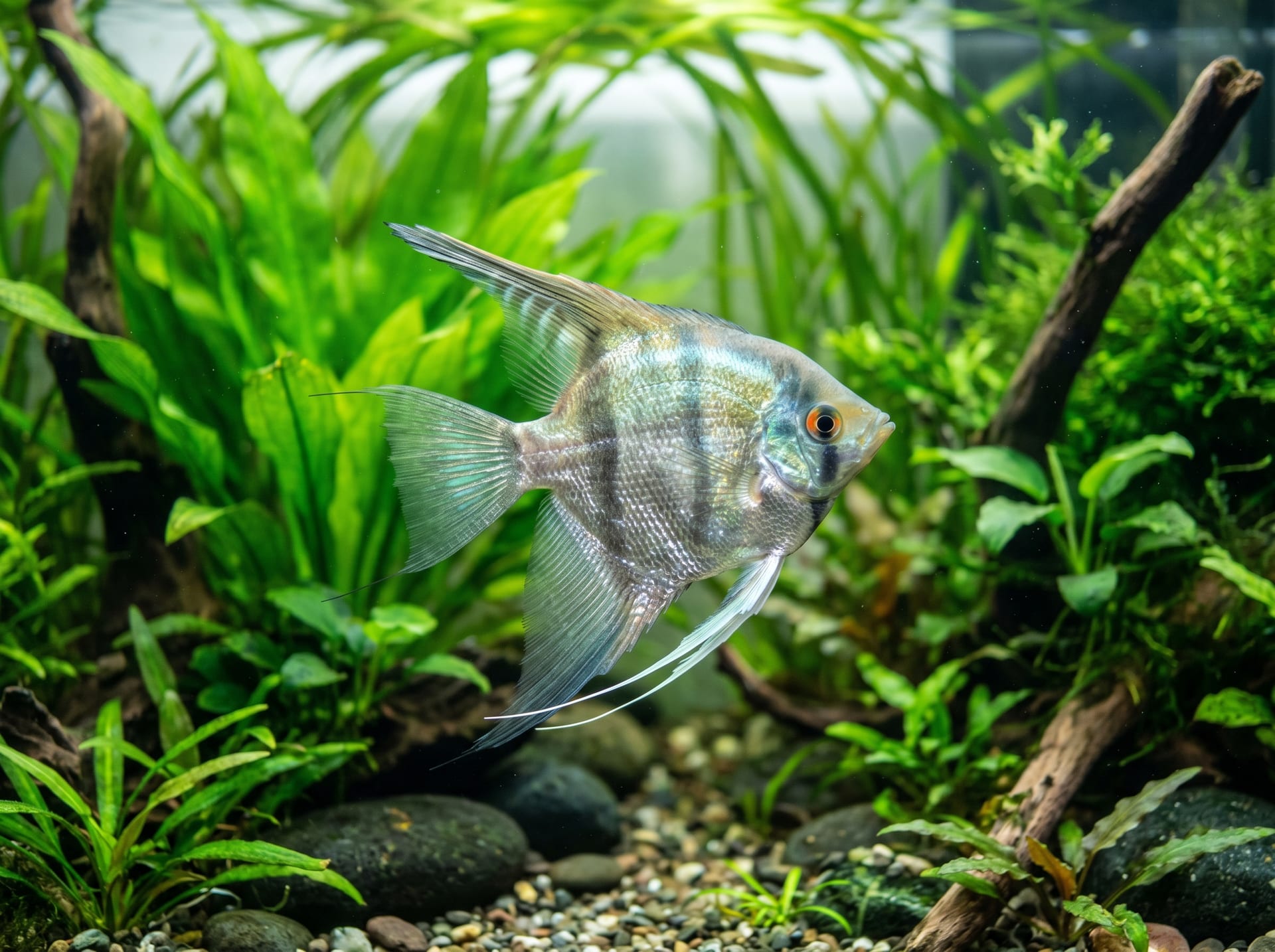
Freshwater Angelfish
Iconic triangular silhouette synonymous with tropical fish. Many selectively bred varieties. Pair breeding is rewarding.
View Freshwater Angelfish encyclopedia →0% commission on your first sales!Register by September 30, 2026 and your first 2 sales are commission-free!
Breeder Wanted!
List on BreederDirect and sell directly to customers nationwide!
Our 6 Transparency Commitments
All Tropical Fish listings include water quality, temperament, and tank size information from verified Breeder.
- Origin Disclosed
- Real Photos
- Water Quality Disclosed
- Recommended Tank Size
- Temperament Disclosed
- Breed Line Disclosed
Browse all 27 breeds
Water Type
Care Level
Verified breeders wanted for Tropical Fish
Breeders are signing up now ahead of launch. Subscribe to be notified when new listings go live.
Getting alerts is free with a member account. When new listings match your saved search, we'll notify you by email and in-app.
Browse other categories
Verified breeders (preview)
Are you raising tropical fish?
Register as a breeder and connect with buyers directly.
Apply as a breederFreshwater Angelfish key facts
- Care level
- Intermediate
- Lifespan
- 10-15 years
- Size
- 12-15cm (height exceeds 20cm)
- Temperature
- 25〜30℃
- Diet
- Pellets, frozen food
- Tank
- 45cm+ tall tank recommended
- Temperature
- 25-30°C
- Compatibility
- May eat small fish — be careful
- Breeding
- Pairs spawn on flat surfaces
- Notes
- Some individuals become aggressive as they grow
About Freshwater Angelfish
Angelfish (Pterophyllum scalare) are cichlids native to the Amazon River basin in South America. Their distinctive diamond-shaped body — thought to mimic drifting leaves in the wild — combined with elegantly extended dorsal and ventral fins has earned them the nickname "Queen of Tropical Fish." Introduced to Europe in the 1920s, selective breeding over the following century has produced a wide array of varieties including gold, marble, smoke, and lace. Angelfish are generally intelligent and even-tempered, often learning to recognize their keeper and swimming up at feeding time. Their breeding behavior is particularly engaging: bonded pairs actively guard their eggs and tend to their fry, offering a glimpse into sophisticated parental instincts rare among aquarium fish. Whether as a centerpiece in a planted aquascape or as part of a community tank, angelfish reward patient keepers with both beauty and personality.
7 things to know before welcoming a Freshwater Angelfish
1Tank Size: 60cm or Larger
Angelfish grow tall vertically, so a tank of at least 60cm is recommended. Adult fish can reach a body height of around 15cm, so choosing a taller tank allows them to swim comfortably. Overcrowding can cause stress and increase the risk of disease.
2Ideal Water Temp: 26–28°C
Originating from the Amazon basin, angelfish prefer warm, soft water. Keeping the temperature stable at 26–28°C helps them stay in good condition. Sudden temperature changes can cause health issues, so use a heater and thermostat to maintain consistency.
3Choose Tankmates Carefully
Angelfish are generally peaceful, but they may prey on small fish such as neon tetras that fit in their mouth. Pairing them with fin-nipping species like guppies can also cause problems. Compatible mid-sized, peaceful fish make the safest tankmates.
4Territorial During Breeding
Once a pair bonds, angelfish become territorial around their spawning site and may aggressively chase other fish. Moving the pair to a separate tank when breeding improves fry survival rates. They typically spawn on driftwood or the surface of broad-leaved plants.
5Watch for Digestive Issues
In addition to ich, angelfish are relatively prone to digestive issues such as dropsy and enteritis. Overfeeding live foods like frozen bloodworms can lead to digestive problems, so manage portion sizes and feeding frequency carefully. Regular water changes, about once a week, help prevent water quality from triggering illness.
6Offer a Varied Diet
Angelfish are omnivores. A staple of flake or pellet food supplemented a few times a week with frozen brine shrimp or bloodworms provides a balanced diet. Feed twice daily in amounts they can consume within 3–5 minutes, and promptly remove any uneaten food to maintain water quality.
7Initial and Ongoing Costs
Initial setup costs for a 60cm tank, filter, heater, and lighting typically range from 10,000 to 30,000 yen. Common angelfish varieties are available from a few hundred to a few thousand yen, while rare morphs can cost more. Monthly running costs for electricity, consumables, and food are generally around 2,000–5,000 yen.
Frequently asked questions about Freshwater Angelfish
- Q.Are angelfish suitable for beginners?
- A.Angelfish are manageable for beginners who are willing to monitor water parameters consistently. They require stable temperature and pH levels, making them slightly more demanding than typical starter fish. Setting up and cycling your tank thoroughly before adding them is strongly recommended.
- Q.How many angelfish can I keep together?
- A.In a 60 cm tank, 2–3 individuals is a reasonable guideline. Once a pair bonds, they may harass other fish, so in smaller tanks a single pair or solitary setup is safer. In tanks 90 cm or larger, keeping a small group can work well and produces attractive schooling behavior.
- Q.Can angelfish be kept with neon tetras?
- A.Adult angelfish are likely to eat neon tetras, so keeping them together is generally not recommended. Some hobbyists report success when both species are raised together from a young age, but this is not guaranteed and carries inherent risk.
- Q.How long do angelfish live?
- A.With proper care, angelfish typically live 8–12 years. Consistent water quality management and a varied, nutritious diet are key factors in their longevity. Minimizing stress through a stable environment and appropriate tank mates also contributes significantly to their lifespan.
- Q.How do I breed angelfish?
- A.Pairs form naturally when multiple angelfish are kept together. Providing broad-leafed plants or a vertical slate tile gives them a preferred spawning surface. Moving the eggs or fry to a separate rearing tank improves survival rates, though leaving the parents to raise the fry allows you to observe their remarkable parental behavior firsthand.
Useful tools for Freshwater Angelfish care
Learn more about Freshwater Angelfish in the encyclopedia
View Freshwater Angelfish encyclopedia entry →
Care difficulty, lifespan, size and diet — all basics covered.
More in this category
Can't find the one you're looking for?
Post your wishes for free and breeders with matching animals will contact you with introductions.