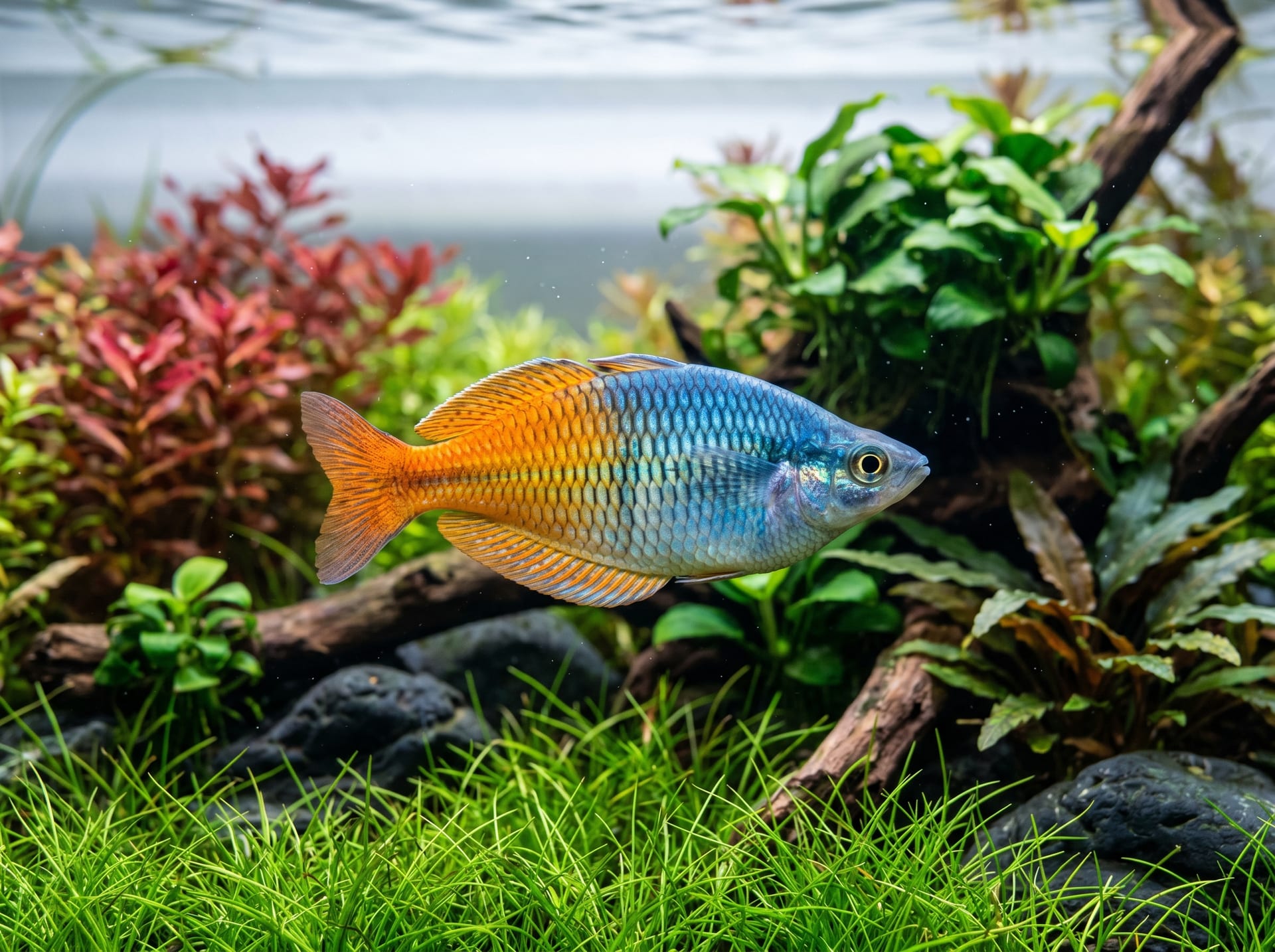
Rainbowfish
Beautiful fish from Australia/New Guinea that shine rainbow colors in morning light. Spectacular in schools.
View Rainbowfish encyclopedia →0% commission on your first sales!Register by September 30, 2026 and your first 2 sales are commission-free!
Breeder Wanted!
List on BreederDirect and sell directly to customers nationwide!
Our 6 Transparency Commitments
All Tropical Fish listings include water quality, temperament, and tank size information from verified Breeder.
- Origin Disclosed
- Real Photos
- Water Quality Disclosed
- Recommended Tank Size
- Temperament Disclosed
- Breed Line Disclosed
Browse all 27 breeds
Water Type
Care Level
Verified breeders wanted for Tropical Fish
Breeders are signing up now ahead of launch. Subscribe to be notified when new listings go live.
Getting alerts is free with a member account. When new listings match your saved search, we'll notify you by email and in-app.
Browse other categories
Verified breeders (preview)
Are you raising tropical fish?
Register as a breeder and connect with buyers directly.
Apply as a breederRainbowfish key facts
- Care level
- Beginner-friendly
- Lifespan
- 5-8 years
- Size
- 5-15cm
- Diet
- Artificial feed, Frozen food
- Notes
- 群れで飼育すると美しい
- Housing
- 活発に泳ぐため広い水槽を
- Notes
- 水質は弱アルカリ性を好む種が多い
- Lighting
- 朝の光で最も美しい体色に
- Notes
- ジャンプするため蓋は必須
About Rainbowfish
Rainbowfish belong to the family Melanotaeniidae and are native to the rivers and lakes of Australia and New Guinea, where they inhabit slow-moving, often heavily vegetated waters. First brought to the attention of Western aquarists and scientists in the late 1800s, they have since become a staple of the freshwater hobby worldwide. Depending on the species, adults range from 5 to 15 cm, with males typically displaying a more diamond-shaped body profile and far more vivid coloration than females, especially when competing for mates. Their peaceful, sociable nature makes them ideal for community aquariums, and a school of six or more swimming together under good lighting is a genuinely spectacular sight. They prefer slightly alkaline, clean water and reward their keeper with the best colors when water quality is consistently maintained. Hardy enough for beginners yet visually rewarding enough for experienced aquarists, rainbowfish occupy a unique place in the hobby that few other species can match.
7 things to know before welcoming a Rainbowfish
1Tank Size Guide
Adults reach 5–15 cm depending on species, so a 60 cm or larger tank is recommended when keeping a school. They are active swimmers that use horizontal space freely, making wider tanks preferable. Allow roughly 10 L per fish to prevent overcrowding and water quality issues.
2Water Conditions
They thrive at pH 7.0–8.0 and 24–28 °C. Sudden temperature swings or acidic water can stress them, so reliable heating and filtration are essential. Weekly partial water changes of around one-third of the tank volume help maintain stable conditions.
3Schooling Behavior
Rainbowfish feel secure in groups and display their best colors when kept in schools. Solitary or small-group keeping can make them shy and dull their coloration. A minimum of 5–6 individuals of the same species encourages natural behavior and vibrant nuptial coloring.
4Compatibility Tips
They are peaceful and compatible with most mid-sized community fish, but avoid fin-nippers such as tiger barbs or certain angelfish. Similarly sized, gentle species generally coexist well. Mixing different rainbowfish species is also an attractive option that works in most cases.
5Feeding Habits
They accept dry flake or pellet food readily, but supplementing with frozen bloodworms or brine shrimp several times a week supports vibrant coloration and overall health. Their mouths are relatively small, so finely crushed flakes or small pellets work best. Feed twice daily in amounts consumed within 3–5 minutes.
6Sexing and Breeding
Males display more vivid coloration and tend to have larger, more developed fins than females. Breeding is relatively straightforward; they scatter eggs among plants or fine-leaved vegetation. As adults may eat their own eggs, moving the eggs to a separate tank after spawning significantly improves hatch rates.
7Cost Considerations
Prices per fish vary by species and availability, but common varieties typically range from a few hundred to a few thousand yen. Initial setup costs—tank, filter, heater, and lighting—run roughly 10,000–20,000 yen for a starter kit or 30,000–50,000 yen for a 60 cm setup. Ongoing monthly expenses for food, electricity, and consumables generally fall in the 500–1,000 yen range.
Frequently asked questions about Rainbowfish
- Q.Are rainbowfish suitable for beginners?
- A.Yes, rainbowfish are generally beginner-friendly as long as you can maintain stable water conditions and provide a suitably sized tank. Regular partial water changes once a week and basic water quality testing will go a long way toward keeping them healthy.
- Q.How many rainbowfish should I start with?
- A.A minimum group of six is recommended to encourage natural schooling behavior and bring out the best coloration. A mix of males and females tends to produce more lively and interesting interactions in the tank.
- Q.Can rainbowfish be kept with other tropical fish?
- A.Rainbowfish are peaceful and mix well with other similarly sized, non-aggressive species such as tetras and corydoras catfish. Avoid pairing them with very small fish they might nip at, or aggressive species like bettas.
- Q.How long do rainbowfish live?
- A.With proper care, rainbowfish typically live 5–8 years. Stable water quality, a varied and balanced diet, and a low-stress environment are the key factors that contribute to a longer lifespan.
- Q.What should I feed rainbowfish?
- A.A high-quality floating flake or pellet food works well as a staple diet. Supplementing a few times per week with frozen foods like bloodworms or brine shrimp promotes vibrant color and good health. Feed small amounts two to three times a day, offering only what they can consume in three to five minutes.
Useful tools for Rainbowfish care
Learn more about Rainbowfish in the encyclopedia
View Rainbowfish encyclopedia entry →
Care difficulty, lifespan, size and diet — all basics covered.
Rainbowfish related articles
See more Rainbowfish articles →More in this category
Can't find the one you're looking for?
Post your wishes for free and breeders with matching animals will contact you with introductions.