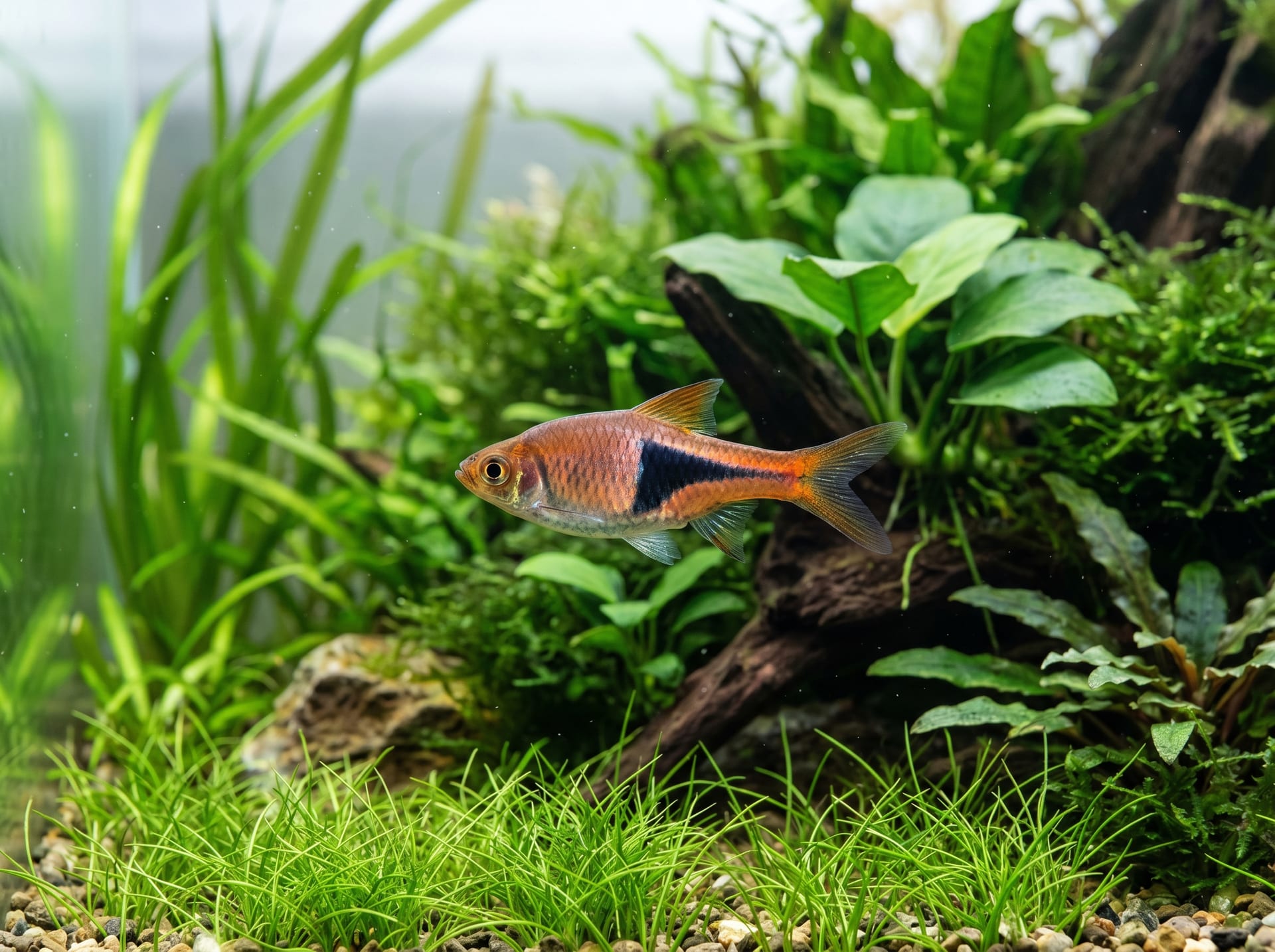
Rainbow Fish Species & Care Guide | Prices, Lifespan, Tank Mates & Color Tips | ブリちょく
Tropical Fish| ✍️ BreederDirect Editorial
Rainbow Fish Species & Care Guide | Prices, Lifespan, Tank Mates & Color Tips
Rainbowfish species, prices, and lifespan at a glance: cost ranges for Boesemani and neon dwarf, 5-8 year care tips, compatible tank mates, and how to bring out their best colors.
Key Takeaways
Rainbowfish species, prices, and lifespan at a glance: cost ranges for Boesemani and neon dwarf, 5-8 year care tips, compatible tank mates, and how to bring out their best colors.
Rainbow Fish Species and Care Guide | Treasures of Australia and New Guinea
Rainbow fish are medium-sized freshwater fish native to Australia and New Guinea. True to their name, mature males display iridescent rainbow-colored bodies depending on the light, and their schooling behavior is renowned for its unmatched beauty among tropical fish. They are hardy and easy to care for, making them popular with both beginners and experienced aquarists alike. This article provides a detailed explanation covering representative species, how to set up the ideal environment, and breeding tips.
✍️
BreederDirect Editorial
The BreederDirect editorial team specializes in care information for animals, covering veterinary care and breeding to deliver beginner-friendly guides.
Find Tropical Fish on BreederDirect
Buy directly from verified breeders
Browse Related Listings
Find Tropical Fish listings related to this article on BreederDirect. Buy directly from verified breeders.
The greatest appeal of rainbow fish (Family Melanotaeniidae) is the deepening color changes that occur with maturity. Juveniles display rather dull coloration, but as they grow, males develop increasingly vibrant hues. Particularly when competing with other males or when activity levels increase, their colors become even more striking, commanding attention within the aquarium.
They also have a relatively peaceful temperament, making them well-suited for mixed-species tanks. They can be kept in schools of multiple individuals regardless of species, and they adapt well to a wide range of water conditions. With proper environment setup and care, they are disease-resistant, earning them high marks as an excellent beginner species for the aquarium hobby.
---
Representative Species
While many rainbow fish species exist, we introduce the representative species commonly available in the Japanese tropical fish market.
Comparison Table of Representative Species
Species
Length
Temperature
pH
Characteristics & Recommended Tank
Boeseman's
10–12 cm
26–30°C
7.0–8.0
Popular blue-purple & orange species • 90 cm+
Neon Dwarf
6–8 cm
22–26°C
6.5–7.5
Compact • Ideal for planted tanks • 60 cm+
Celebes
7–8 cm
24–28°C
7.0–8.0
Elegant silver • Prefers slightly alkaline water
Threadfin
5–6 cm
24–28°C
6.5–7.5
Thread-like fins • Maintain gentle water flow
※Most species thrive at 24–28°C. Schooling in groups of 5 or more brings out their color and beauty.
Boeseman's Rainbow Fish
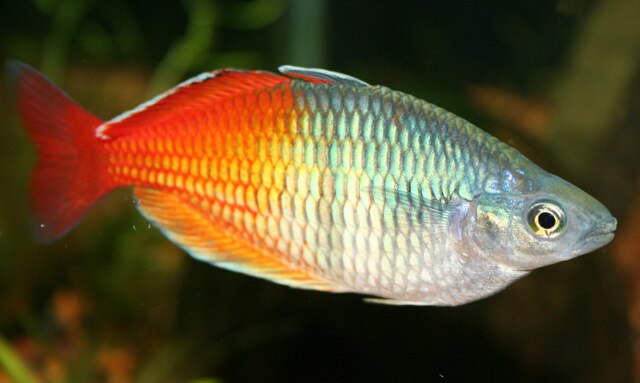
One of the most popular and iconic rainbow fish species. The front half of the body displays vibrant blue-purple coloration, while the rear transitions to orange and yellow, creating a striking and beautiful contrast.
Length: 10–12 cm (large species)
Temperature: 26–30°C
pH: 7.0–8.0 (slightly alkaline)
Care Tips: When kept in schools of 5 or more, the beauty of their schooling behavior becomes truly outstanding. Provide a tank of 90 cm or larger to ensure plenty of swimming space.
Neon Dwarf Rainbow Fish
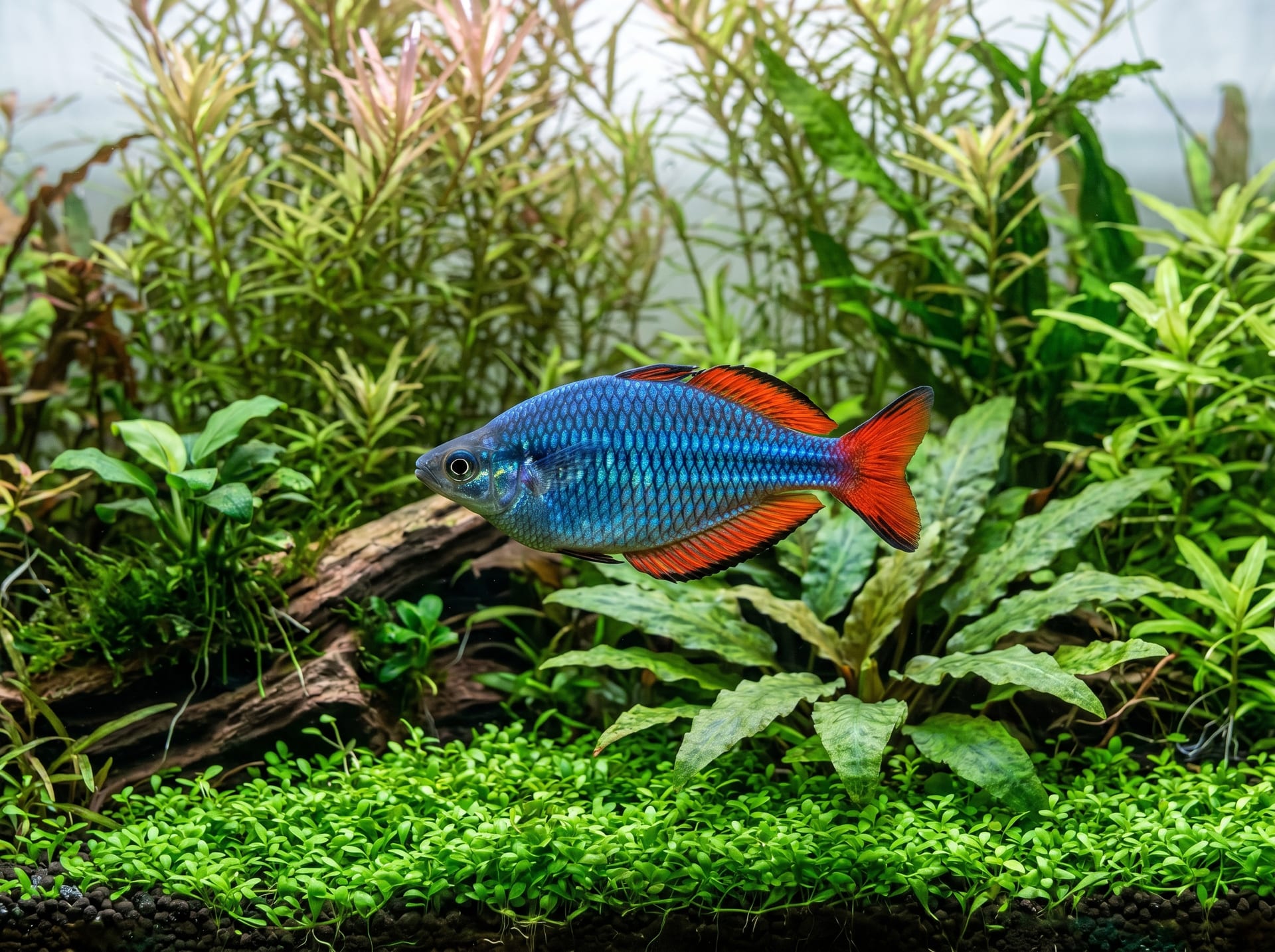
Despite its small size, it displays vivid coloration and pairs exceptionally well with planted tanks. Its blue-tinged body beautifully contrasts with red fins, and it commands attention even in smaller aquariums.
Length: 6–8 cm
Temperature: 22–26°C
pH: 6.5–7.5 (near neutral)
Care Tips: Its peaceful nature makes mixing with other fish easy. It looks particularly striking in aquascapes with abundant aquatic plants. This species is also relatively tolerant of cooler water temperatures, making heater management easier.
Celebes Rainbow Fish (Marosatherina argentus)
Native to Sulawesi Island in Indonesia, this species features a semi-transparent silvery body with yellow fins that conveys an elegant impression. With limited availability, it captivates collectors whenever it becomes available.
Length: 7–8 cm
Temperature: 24–28°C
pH: 7.0–8.0
Care Tips: It prefers slightly alkaline water conditions; stabilizing pH with coral sand or oyster shells is recommended.
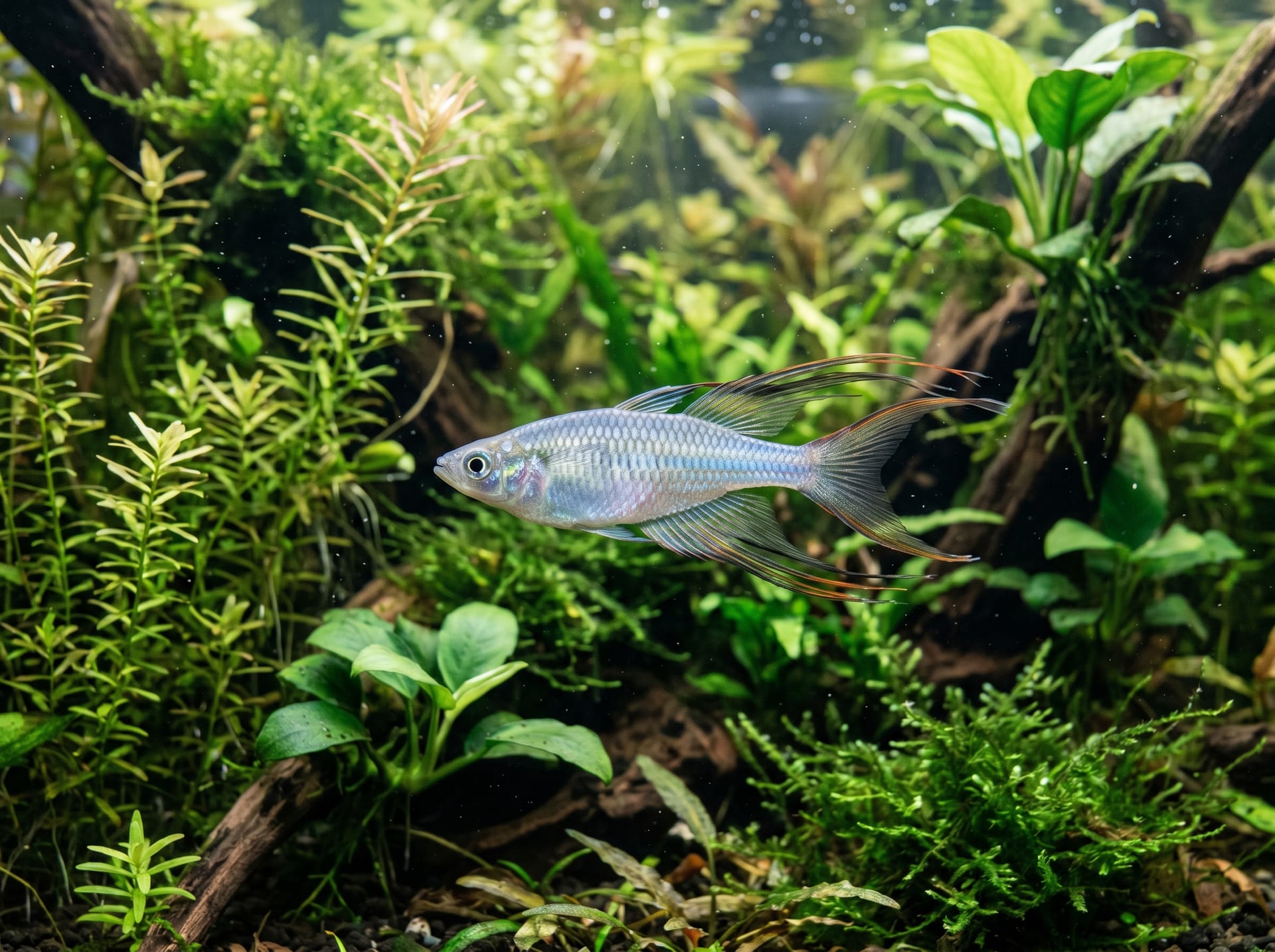
Threadfin Rainbow Fish (Needlefish Rainbow)
The smallest species of rainbow fish, distinguished by the thread-like extensions of the dorsal and ventral fins in males. Despite its delicate appearance, its ornamental value in planted tanks is exceptionally high.
Length: 5–6 cm
Temperature: 24–28°C
pH: 6.5–7.5
Care Tips: Strong water currents can damage their fins. Maintain gentle water flow and choose similarly peaceful tank mates.
---
Rainbow Fish Prices
Rainbowfish are among the more affordable tropical fish, making them easy for beginners to try.
Neon dwarf rainbowfish: 300-800 yen
Boesemani rainbowfish: 800-2,000 yen (fully colored adults around 3,000 yen)
Celebes rainbowfish: 300-700 yen
Threadfin rainbowfish: 400-900 yen
Juveniles are often sold cheaply before they color up, which makes growing them out part of the fun. Wild-caught individuals and select bloodlines command higher prices. These fish shine in schools, so buying six or more of the same species is standard.
Rainbow Fish Lifespan
Lifespan varies by species: about 3-5 years for small species like the neon dwarf, and 5-8 years for mid-sized species like the Boesemani.
Three keys to a long life:
Maintain slightly alkaline water: keep pH 7.0-8.0; old, acidified water causes health problems
Provide swimming space: they are strong swimmers—use a 60 cm tank or larger
Reduce stress with schooling: solitary or small-group keeping leads to timidity and faded colors
Setting Up the Ideal Care Environment
To keep rainbow fish healthy, it is important to recreate their natural habitat to some degree.
Tank Size and Water Quality Management
Tank Size: Large species like Boeseman's are best in 90 cm or larger tanks. Neon Dwarf and Threadfin species do well in 60 cm tanks.
Filtration: Use equipment with sufficient filtration capacity, such as external or top filters. Since they are active swimmers and water becomes soiled quickly, make weekly water changes (25–33% of tank volume) a routine.
Water Flow: Rainbow fish prefer moderate water flow. In still water, their activity may decrease. Adjust your filter's outlet to create a gentle current—this is key.
Temperature: Temperature preferences vary by species, but maintaining 24–28°C generally accommodates most species.
Feeding and Color Enhancement
Being omnivorous and having hearty appetites, they readily consume artificial foods. For optimal color development, the following combination is effective:
Artificial Pellets: Nutritionally balanced flake or pellet foods
Frozen Bloodworms: High palatability with effective color-enhancing properties
Dried Brine Shrimp: Feeding several times weekly aids in maintaining body condition
Overfeeding causes water quality deterioration, so feed an amount they can consume in 2–3 minutes, twice daily.
---
Try Your Hand at Breeding
Rainbow fish have low breeding difficulty and will spawn relatively readily in appropriate conditions.
Preparing for Spawning
For spawning, "spawning mops" made of yarn bundles are convenient. Females deposit eggs in mops or among aquatic plant roots. Keep multiple males and females together in one tank and feed live foods generously to improve conditioning and encourage spawning behavior.
Hatching and Raising Fry
Eggs hatch in approximately 7–10 days at around 25°C
Deposited eggs risk being consumed by parent fish; moving the spawning mop to a separate tank improves survival rates
Because fry are extremely small, initial foods should be infusoria (microorganisms) or powdered artificial foods
After 1–2 weeks, brine shrimp nauplii can be introduced
Repeat breeding allows for the rewarding practice of "strain maintenance"—selectively raising individuals with superior color and body shape. This is an excellent introductory experience for breeder activities.
---
Rainbow Fish FAQ
How many rainbowfish should I keep?
A school of six or more of the same species is standard. In a group they relax, show their true colors and behavior, and males perform fin-spreading displays.
Can they live with other tropical fish?
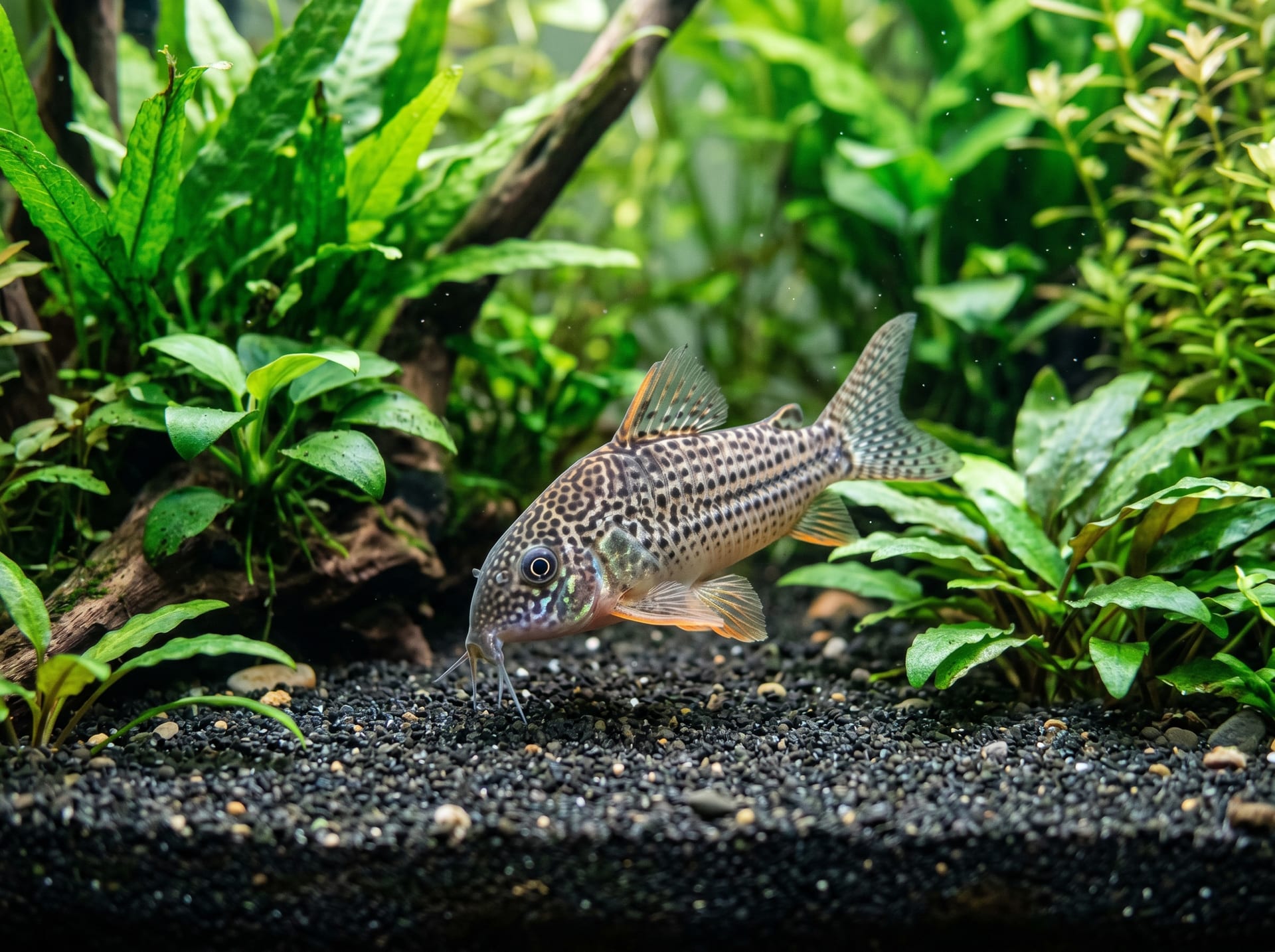
Yes—being peaceful, they do well with tetras, rasboras, and Corydoras. They are fast, skilled feeders though, so spread food across the tank so slower fish do not miss out.
Why won't my rainbowfish color up?
The four main reasons: the fish is young, it is female, the water does not suit them, or the school is too small. Males show their full color at maturity (around one year) and when courting. Keep the water slightly alkaline and turn the lights on before the morning feed to catch their courtship colors at their deepest.
Br-choku''s Safe and Reliable System
Br-choku is a breeder-direct marketplace for live animals including tropical fish. Highly specialized fish like rainbow fish can be purchased directly from experienced breeders, providing confidence in the health and quality of the livestock.
Why Br-choku Is Trusted
Breeder-Direct Sales: Without middlemen, livestock arrives in a stress-minimized condition
Detailed Care Information: Sellers document their care environments and feeding practices, supporting your post-purchase care
Reliable Transaction Support: Our support system addresses potential issues, giving first-time online buyers peace of mind
Access to Rare Species: Difficult-to-find species such as Celebes Rainbow and Threadfin Rainbow are occasionally available
To maximize the appeal of rainbow fish—their stunning coloration—selecting a high-quality individual is essential. We invite you to visit Br-choku and welcome a fish raised under the expert care of a trusted breeder into your aquarium.