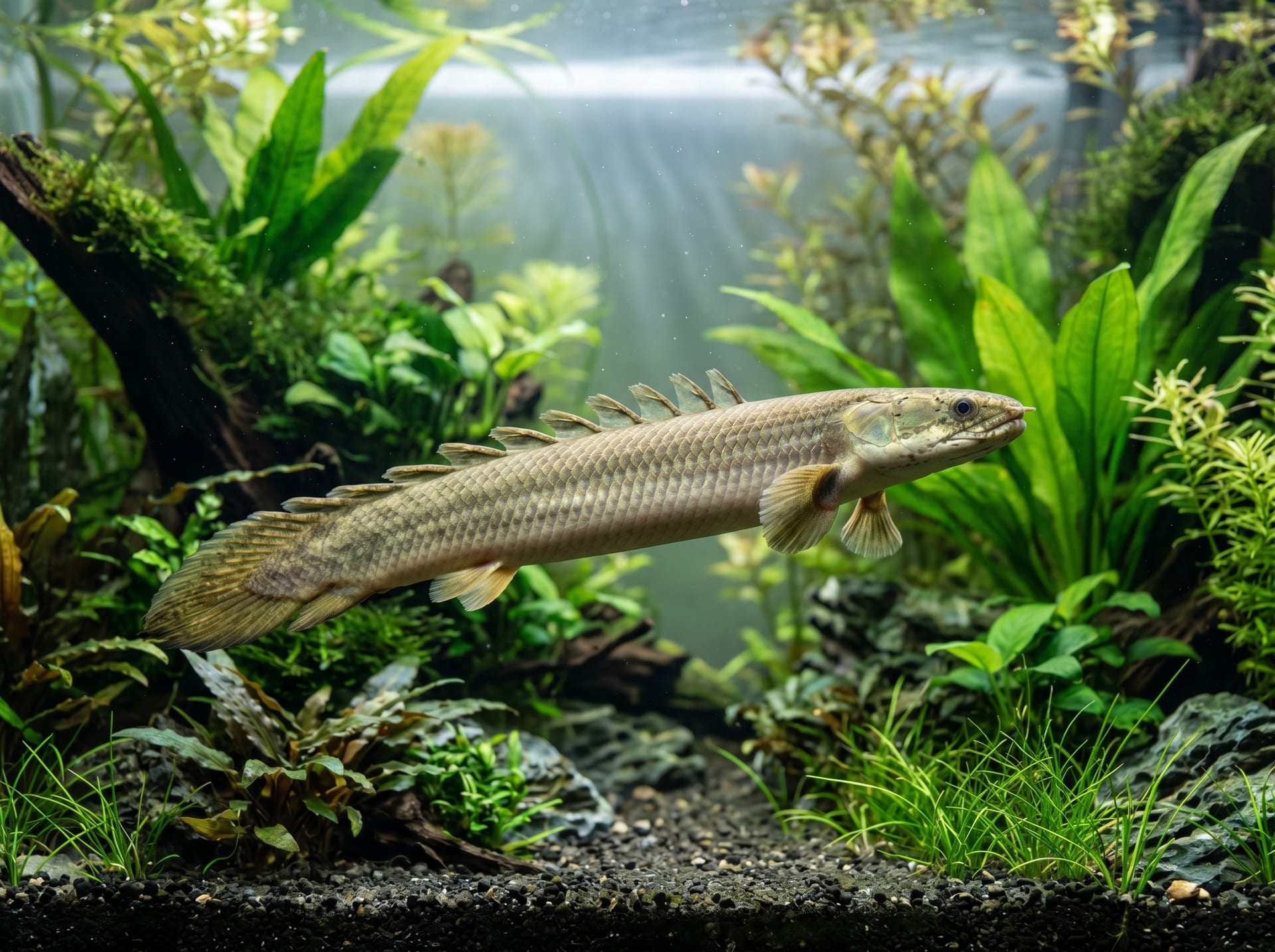
Polypterus
African ancient fish with dinosaur-like appearance and air-breathing ability. Hardy and long-lived. Nocturnal.
View Polypterus encyclopedia →0% commission on your first sales!Register by September 30, 2026 and your first 2 sales are commission-free!
Breeder Wanted!
List on BreederDirect and sell directly to customers nationwide!
Our 6 Transparency Commitments
All Tropical Fish listings include water quality, temperament, and tank size information from verified Breeder.
- Origin Disclosed
- Real Photos
- Water Quality Disclosed
- Recommended Tank Size
- Temperament Disclosed
- Breed Line Disclosed
Browse all 27 breeds
Water Type
Care Level
Verified breeders wanted for Tropical Fish
Breeders are signing up now ahead of launch. Subscribe to be notified when new listings go live.
Getting alerts is free with a member account. When new listings match your saved search, we'll notify you by email and in-app.
Browse other categories
Verified breeders (preview)
Are you raising tropical fish?
Register as a breeder and connect with buyers directly.
Apply as a breederPolypterus key facts
- Care level
- Intermediate
- Lifespan
- 15-20 years
- Size
- 20-70cm (varies by species)
- Temperature
- 25〜28℃
- Diet
- Frozen bloodworms, shrimp, small fish, pellets
- Tank
- Size depends on species — 60-120cm
- Temperature
- 25-28°C
- Escaping
- Comes to surface for air — seal all gaps
- Diet
- Carnivorous — sinking food at night
- Notes
- Poor vision, finds food by smell — feed at night
About Polypterus
Polypterus traces its origins to the Devonian period some 360 million years ago and is found across tropical rivers and wetlands from the Nile basin to Central and West Africa. The name means "many fins," a reference to the row of isolated spiny finlets running along the back that give the fish its unmistakable silhouette. The body is armored in hard, rhomboid ganoid scales, lending an almost prehistoric, dragonlike appearance. A primitive paired lung allows Polypterus to breathe atmospheric air directly, an extraordinary biological trait that enables survival in oxygen-poor waters. In temperament they are generally calm, with little intense territorial aggression among individuals of similar size, though their nocturnal lifestyle means daytime activity is limited and patience is rewarded. The genus encompasses a wide range of species, from the compact Polypterus senegalus to the impressive Polypterus bichir bichir, offering plenty of variety for collectors. Combining remarkable hardiness and longevity with an ancient, otherworldly presence, Polypterus continues to captivate aquarists around the world.
7 things to know before welcoming a Polypterus
1Size Varies by Species
Adult size varies widely by species, from around 20 cm for smaller types to over 70 cm for larger ones. Always research the maximum size of the specific species before purchasing, and plan your tank size accordingly. Small species need at least a 60 cm tank; large species require 120 cm or more.
2Escape Artists
Polypterus can use their pectoral fins to crawl and are notorious escape artists, slipping through surprisingly small gaps. While their air-breathing ability lets them survive briefly out of water, desiccation is dangerous. Always use a tank with a secure, well-fitting lid.
3Nocturnal Behavior
Being nocturnal, Polypterus spend much of the day hiding in driftwood, rock caves, or other shelters. Feeding after lights-out typically produces a better feeding response. Providing multiple hiding spots helps reduce stress and encourages natural behavior.
4Poor Vision, Strong Nose
Polypterus have very poor eyesight and rely primarily on their sense of smell to locate food. This makes scented foods like frozen bloodworms and shrimp highly effective. Strong water currents can disperse food odors and reduce feeding, so maintain a gentle flow in the tank.
5Choosing Tank Mates
Polypterus will eat any fish or shrimp small enough to fit in their mouth. While generally peaceful toward their own kind, significant size differences can lead to the smaller fish being attacked. If keeping with other species, choose peaceful bottom dwellers that are noticeably larger than the Polypterus.
6Water Quality Needs
While Polypterus are relatively adaptable, they are sensitive to ammonia and nitrite spikes. As carnivores, they produce significant waste, so aim for weekly water changes of about one-third of the tank volume. Maintain a water temperature of 24–28°C and a slightly acidic to neutral pH.
7Long-term Commitment
Polypterus can live 15–20 years under proper care, making them a genuine long-term commitment. Larger species require tanks of 120 cm or more along with powerful filtration, resulting in higher initial costs. Carefully consider your available space and ongoing maintenance expenses before committing to these long-lived fish.
Frequently asked questions about Polypterus
- Q.Can I keep multiple Polypterus together?
- A.Keeping multiple individuals together is possible as long as they are similar in size. A significant size difference puts the smaller fish at risk of being eaten, so aim for no more than a one-third difference in body length. Providing one shelter per fish helps minimize territorial conflict.
- Q.Is it okay to keep the tank without a lid?
- A.Keeping a Polypterus without a lid is dangerous. They are capable of climbing out of the tank using their pectoral fins, and many fatalities occur overnight before the escape is noticed. A tight-fitting lid with no gaps is an absolute requirement.
- Q.Can Polypterus be trained to eat pellets?
- A.Most individuals can be gradually trained to accept sinking pellets such as Hikari Carnivore. Start by mixing pellets with frozen bloodworms and slowly increase the pellet ratio over time. Results vary by individual, and some fish may never fully transition to dry food.
- Q.What are the main differences between small and large species?
- A.Small species like P. senegalus stay around 30 cm as adults and can be kept for life in a 60 to 90 cm tank. Large species such as P. endlicherii or P. bichir bichir can exceed 60 cm and require tanks of 120 to 180 cm with powerful filtration. Choose a species that matches your available space and budget.
- Q.How long do Polypterus live?
- A.With proper care, Polypterus commonly live 15 to 20 years or more. Setting up appropriate tank size, filtration, and feeding routines from the start is key to a long, healthy life. Be prepared for a long-term commitment before bringing one home.
Useful tools for Polypterus care
Learn more about Polypterus in the encyclopedia
View Polypterus encyclopedia entry →
Care difficulty, lifespan, size and diet — all basics covered.
Polypterus related articles
See more Polypterus articles →More in this category
Can't find the one you're looking for?
Post your wishes for free and breeders with matching animals will contact you with introductions.