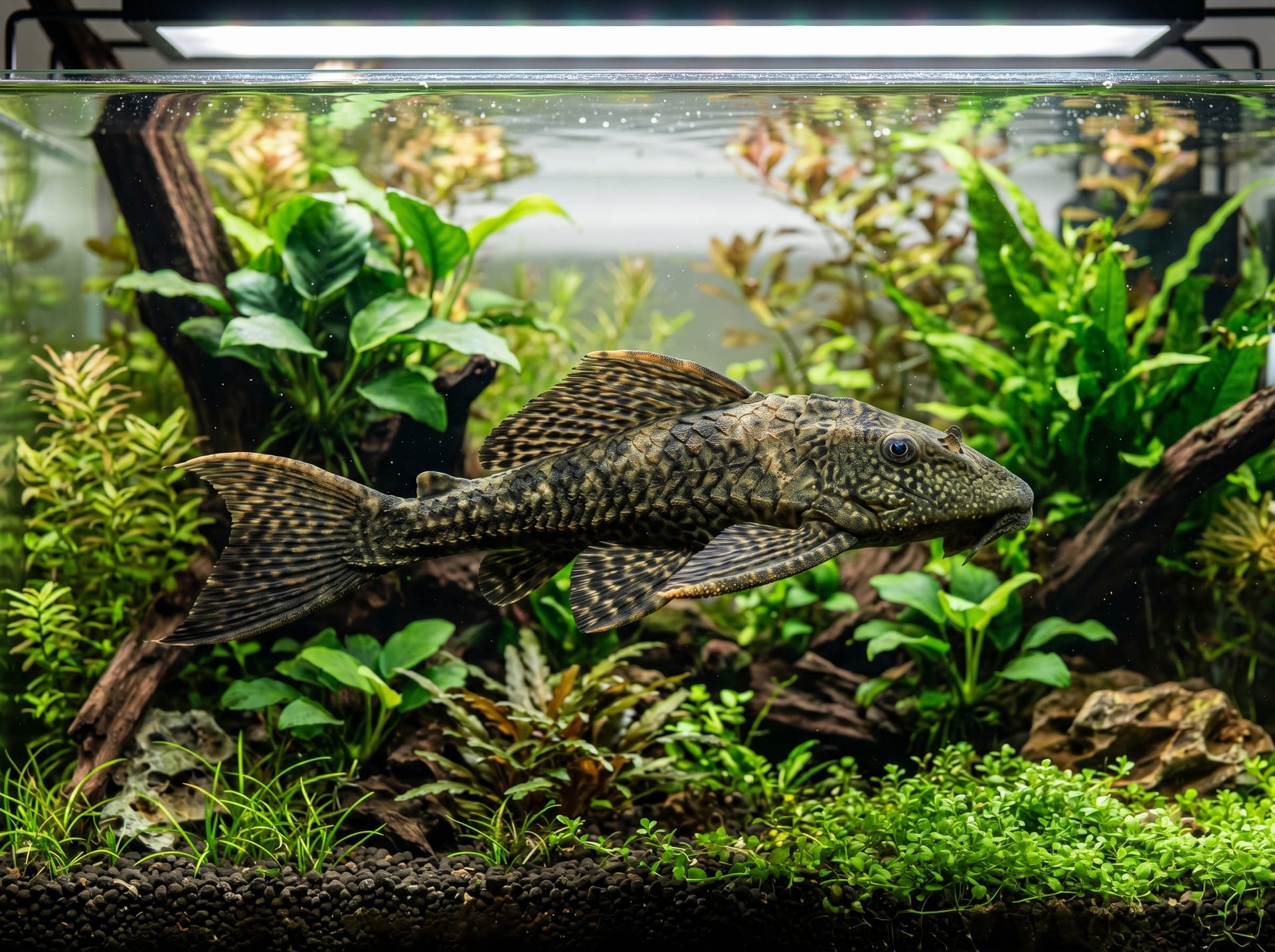
Pleco
Catfish with sucker mouth known as tank cleaners. Huge variety from small to large. Highly collectible.
View Pleco encyclopedia →0% commission on your first sales!Register by September 30, 2026 and your first 2 sales are commission-free!
Breeder Wanted!
List on BreederDirect and sell directly to customers nationwide!
Our 6 Transparency Commitments
All Tropical Fish listings include water quality, temperament, and tank size information from verified Breeder.
- Origin Disclosed
- Real Photos
- Water Quality Disclosed
- Recommended Tank Size
- Temperament Disclosed
- Breed Line Disclosed
Browse all 27 breeds
Water Type
Care Level
Verified breeders wanted for Tropical Fish
Breeders are signing up now ahead of launch. Subscribe to be notified when new listings go live.
Getting alerts is free with a member account. When new listings match your saved search, we'll notify you by email and in-app.
Browse other categories
Verified breeders (preview)
Are you raising tropical fish?
Register as a breeder and connect with buyers directly.
Apply as a breederPleco key facts
- Care level
- Beginner-friendly
- Lifespan
- 10-15 years
- Size
- 5-50cm (varies by species)
- Temperature
- 24〜28℃
- Diet
- Tablet food, driftwood, vegetables
- Tank
- Size depends on species — 45cm+ for small types
- Flow & Placement
- Many species prefer fairly strong flow, and good oxygenation matters. Arrange driftwood and rocks to give surfaces to cling to and hiding places.
- Driftwood
- Needed for digestion — always provide
- Water Temperature & Quality
- Maintain 24-28°C. It eats a lot and fouls the water easily, so allow ample filtration and change water regularly.
- Diet & Feeding
- Plant-based sinking foods are the staple, and vegetables such as zucchini can be offered. Many species are nocturnal, so feeding after lights out works best.
- Notes
- Sailfin plecos exceed 50cm — choose species carefully
About Pleco
Plecos are a collective term for fish in the family Loricariidae, order Siluriformes, native primarily to the Amazon River basin and surrounding river systems of South America. Their most distinctive features are their sucker-shaped mouths and bodies covered in bony plates that act like natural armor. In the wild, they cling to rocks and driftwood in fast-flowing rivers, scraping off algae and organic matter — behavior they maintain in the aquarium. With over 100 officially described species and potentially hundreds more awaiting classification, plecos range from the 5 cm bristlenose to sailfin plecos exceeding 60 cm. Their peaceful temperament and striking appearance make them popular in community tanks, while rare L-number species are prized among collectors. Success in keeping plecos comes down to three essentials: driftwood, adequate shelter, and strong filtration. Given the right environment, they are hardy fish capable of thriving for many years.
7 things to know before welcoming a Pleco
1Size Varies Dramatically by Species
Plecos range from dwarf species that stay around 5 cm (such as the Tiger Pleco) to large species exceeding 60 cm (such as the Common Pleco). Always confirm the adult size before purchasing, and choose a species that fits the tank you can realistically provide. Only a limited number of species are suitable for small aquariums.
2Choosing the Right Tank Size
Small species can be kept in a 60 cm tank, but large species like the Common Pleco may eventually require a tank of 120 cm or more. Because plecos use the bottom area extensively, wider and deeper tanks are preferable over tall ones. Planning for their adult size from the start is essential for long-term success.
3Nocturnal and Shelter-Dependent
Plecos are nocturnal and spend much of the day hiding behind driftwood or rocks. Driftwood serves not only as shelter but also as a digestive aid, as plecos rasp on it regularly, so include it in your aquascape. A lack of hiding spots can cause stress and reduced appetite.
4Algae Alone Is Not Enough
The idea that plecos need no feeding because they eat algae is a misconception — tank algae alone is insufficient nutrition. Supplement with sinking pleco wafers, vegetables such as zucchini or spinach, and frozen bloodworms on a regular basis. Feeding after lights-out allows your nocturnal pleco to eat without stress.
5Water Quality and Oxygenation Matter
Larger plecos produce significant waste, making a high-capacity filter essential to maintain water quality. For bigger species, ensure strong water flow and high oxygenation. A water temperature of 25–28 °C and a pH of 6.5–7.5 (slightly acidic to neutral) suits most species.
6Territorial Behavior Among Plecos
Plecos can become highly territorial when kept with the same or closely related species, particularly between mature males. Without ample hiding spots and bottom space, weaker individuals may be constantly harassed. Cross-species community setups are generally more peaceful.
7Costs and Long-Term Commitment
Rare and premium species such as the Imperial Zebra Pleco can cost tens of thousands of yen, making purchase prices highly variable. Many large species live over 10 years, meaning ongoing costs for tank upgrades, electricity, and food extend for a long time. Carefully consider long-term commitment and expenses before bringing one home.
Frequently asked questions about Pleco
- Q.Can I keep a common pleco in a small tank?
- A.The common pleco grows to 40–50 cm as an adult and requires a tank of 120 cm or larger for long-term care. If you have a smaller setup, consider small species like the bristlenose pleco or tiger pleco, which typically stay under 15 cm when fully grown.
- Q.Do plecos really clean algae from the tank?
- A.Some species do actively graze on brown and green algae, but algae-eating ability varies significantly between species and individuals. It's best to view algae control as a secondary benefit rather than a primary function, and combine it with proper lighting schedules and regular water changes for best results.
- Q.Can plecos be kept with other fish?
- A.Plecos are generally peaceful and compatible with most tropical fish. However, larger individuals may attach to slow-moving fish with smooth skin using their sucker mouths, potentially causing injury. Exercise caution when keeping them with fish like guppies or goldfish that swim slowly and have exposed, smooth body surfaces.
- Q.How long do plecos live?
- A.With proper care, small species typically live 5–10 years, while larger species can exceed 15–20 years. Because plecos are long-lived fish, it's important to plan for their long-term care before bringing one home.
- Q.Is it normal for my pleco to hide all day?
- A.Hiding during the day is completely normal behavior for plecos, as they are naturally nocturnal. Check on them after lights out and you'll likely find them actively moving around. As long as they are eating well and show no visible signs of illness, daytime hiding is nothing to worry about.
Useful tools for Pleco care
Learn more about Pleco in the encyclopedia
View Pleco encyclopedia entry →
Care difficulty, lifespan, size and diet — all basics covered.
Pleco related articles
Pleco (Loricariidae) Complete Care Guide | Species-by-Species Care, Feeding, and Breeding
Comprehensive guide to caring for Loricariidae plecos including Bushynose, Common, and Zebra plecos by species. Detailed coverage of tank size, filtration, feeding, breeding tips, and tankmate compatibility.
Pleco Spawning Shelter Installation Guide | Breeding Success with Cave-Type Caves
Explaining the installation method of cave-type shelters suitable for pleco breeding. Introduction of tips for size selection, materials, and layout.
More in this category
Can't find the one you're looking for?
Post your wishes for free and breeders with matching animals will contact you with introductions.