Pleco Spawning Shelter Installation Guide | Breeding Success with Cave-Type Caves
Explaining the installation method of cave-type shelters suitable for pleco breeding. Introduction of tips for size selection, materials, and layout.
Key Takeaways
Explaining the installation method of cave-type shelters suitable for pleco breeding. Introduction of tips for size selection, materials, and layout.
Related Species
First Steps in Pleco Breeding | Choosing and Installing Spawning Shelters (Caves)
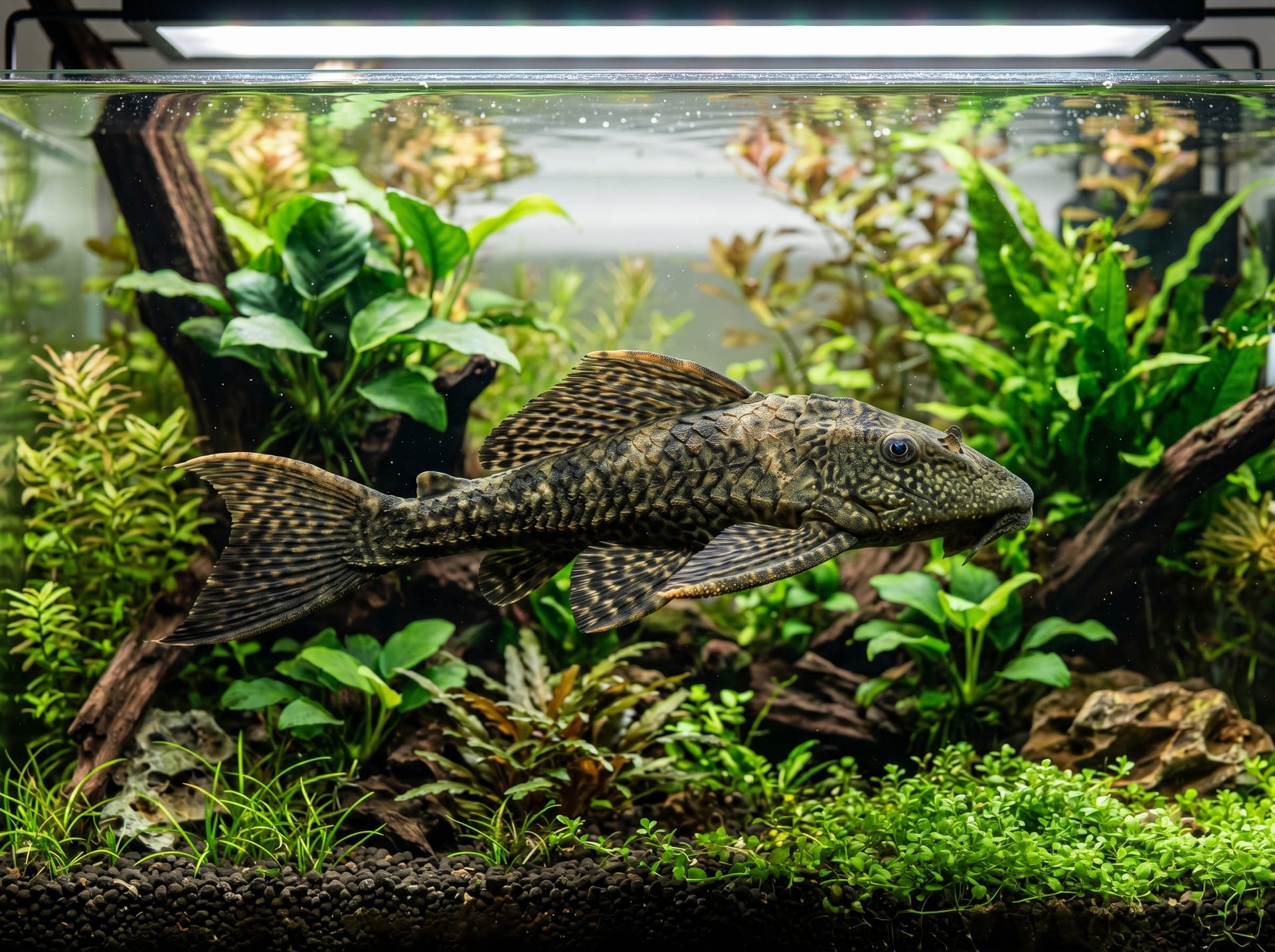
Plecos (family Loricariidae) are bottom-dwelling fish that inhabit rocky areas and gaps in driftwood in the Amazon River basin. In their natural environment, they enter cave-like spaces to spawn during high water seasons, so providing a cave-type shelter called a "cave" is essential for successful breeding in captivity.
Although plecos are often thought to be difficult to breed, they can be spawned relatively reliably when the proper environment is provided. This article provides a clear explanation for those attempting pleco breeding for the first time, covering material selection for shelters, sizing methods, installation techniques, and even male spawning behavior. Those who want to first understand the fundamentals of tropical fish breeding in general should also refer to Tropical Fish Breeding Methods and Precautions | Breeding Guide for Beginners.
Materials and Types of Pleco Caves
Caves come in multiple materials and shapes. Each has its own characteristics, so choose one that matches the type of pleco you're keeping and your tank layout.
Bamboo Tubes
One of the most popular types of caves. Being a natural material, it has high safety for fish and blends naturally into the aquarium aesthetic. The ideal inner diameter is 1.2 to 1.5 times the body width of your pleco. Always boil before use to prevent bacteria and mold growth. If mold appears with long-term use, replace it with a new one.
Ceramic Caves
Commercially available products sold in aquarium shops as "pleco shelters." They come in a wide variety of sizes, suitable for small to large species. Unglazed ceramic has a fine textured surface where algae and microorganisms readily attach, making it easier to create an environment plecos prefer. Additionally, they're easy to clean and maintain hygienically.
Slate (Slate Rock)
You can create a homemade shelter by stacking flat natural stone. By adjusting the number of stones and how you stack them, you can freely customize the entrance size and internal height to match the species. With a natural appearance that blends well into landscaped tanks, it's popular with aquarists who care about aesthetics. Use aquarium-safe adhesive for secure attachment.
Coconut Shells
Cut a coconut in half and drill an entrance hole to use it. Particularly suitable for small pleco species, they're lightweight and easy to handle. The natural texture can help reduce the pleco's wariness. Don't forget to boil before use as well.
Choosing the Right Size
Size is the most critical factor when choosing a cave. Breeding won't be successful if it's too large or too small. Consider the following points:
- Width and Height: There should be enough space for the pleco to enter and rotate its body side to side. However, if the ceiling is too high, water flow to the eggs won't work properly. The ideal height is where the male's dorsal fin just lightly touches the ceiling.
- Entrance Size: The opening must be large enough for both male and female to pass through, but not so large that other fish can enter as predators. Use the width for one pleco as a guideline. The female needs to be able to exit after spawning.
- Length (Depth): The ideal length is about the same as or slightly longer than the pleco's body. When the body fits completely inside, the male can focus on egg guarding without stress.
Note that as plecos grow, their body shape changes, so it's important to periodically reassess the size to match your fish.
Effective Installation Methods and Layout
The location and orientation of the cave also affect breeding success. Refer to the following points for installation. If you want to review your entire tank layout, Tropical Fish Tank Setup Guide | Equipment Selection and Initial Setup is also helpful.
Choosing Installation Location
- Place it where water flow is gentle. In completely still areas, oxygen won't reach the eggs and they'll rot. However, also avoid areas with strong direct water flow.
- Install near the substrate, at a height where the pleco can naturally enter. Plecos move along the bottom, so they don't prefer elevated installations.
- Choose a location that's easy to observe so you can easily monitor the male's behavior and check for spawning. It's recommended to position the entrance facing the glass.
Provide Multiple Caves
Males have a habit of selecting their preferred cave. If you provide only one, it may not be used at all if he doesn't like it. Providing 2-3 different types of caves in various materials and sizes, giving the male a choice, is a key to increasing breeding success.
Secure Installation to Prevent Tipping
If the cave shifts or tips over, the male will become alarmed and stop guarding the eggs. Secure it by embedding it in the substrate or fixing it with rocks or driftwood.
Male Spawning Behavior and Process Until Hatching
Understanding the breeding process helps you notice any abnormalities early.
Behavior Before and After Spawning
As spawning time approaches, the male frequently enters and exits the cave and displays cleaning behavior inside. This is preparatory behavior for spawning. When the female matures and is ready to spawn, the male entices her into the cave where spawning occurs. After spawning, the female exits the cave and only the male remains inside.
Egg Guarding Period (Incubation)
After spawning is complete, the male uses his pectoral fins to direct water flow over the eggs, continuously supplying fresh oxygen. This egg guarding behavior continues until hatching, and the male rarely leaves the cave. During this time, avoid forcing food on him and minimize stress to the male.
The time to hatching varies by species and water temperature, but generally 4-10 days is the standard. Higher water temperatures tend to speed up hatching.
Fry Management After Hatching
After hatching, fry remain in the cave for a time, absorbing nutrition from the yolk sac in their belly. They'll start swimming on their own around the time the yolk sac is depleted. At that point, begin offering small amounts of fry food (such as corydoras tablets or vegetable-based food). Once the fry start swimming actively, consider moving them to a separate tank to prevent them from being eaten by the parents.
Summary | Deepen Your Breeding Knowledge on BreederDirect
Pleco breeding starts with choosing and installing the proper cave. Mastering the three elements of material, size, and location, then creating an environment where the male can guard eggs with confidence, is the shortcut to success.
- Choose materials from bamboo tubes, ceramic, slate, and coconut shells based on species and preference
- Size should allow the pleco to enter and rotate, with low ceiling height and an entrance for one fish
- Install near the substrate with gentle water flow, providing multiple caves to let the male choose
- After spawning, it's important to manage without interfering with the male's egg guarding behavior and minimize stress
Many breeders with pleco breeding experience offer fish on BreederDirect. A major appeal is being able to get practical advice directly from breeders on topics like selecting breeding pairs and setting up caves. If you want to try breeding, be sure to search for experienced breeders on BreederDirect.