Tropical Fish Tank Setup Guide: Equipment Selection and Startup Procedure
This guide explains how to choose tanks, heaters, filters, and lighting for tropical fish care, along with tank startup (cycling) procedures. We also introduce setup tips for beginners.
Key Takeaways
This guide explains how to choose tanks, heaters, filters, and lighting for tropical fish care, along with tank startup (cycling) procedures. We also introduce setup tips for beginners.
Related Species
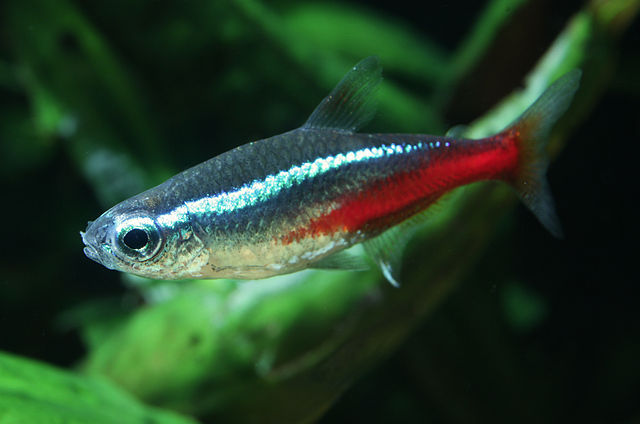
Proper tank setup is crucial for keeping tropical fish healthy and for a long time. If you choose equipment incorrectly, the water quality won't stabilize and fish are more prone to disease. Conversely, if you set up the environment correctly, even beginners can enjoy a beautiful aquarium for years to come, even after 2026. In this article, we explain step-by-step from equipment selection to tank startup to introducing fish. Reviewing tropical fish care fundamentals as well will make it easier to grasp the overall picture.
Essential Equipment List and Selection Tips
Tropical fish care requires several essential pieces of equipment. Let's identify what you need to have from the start.
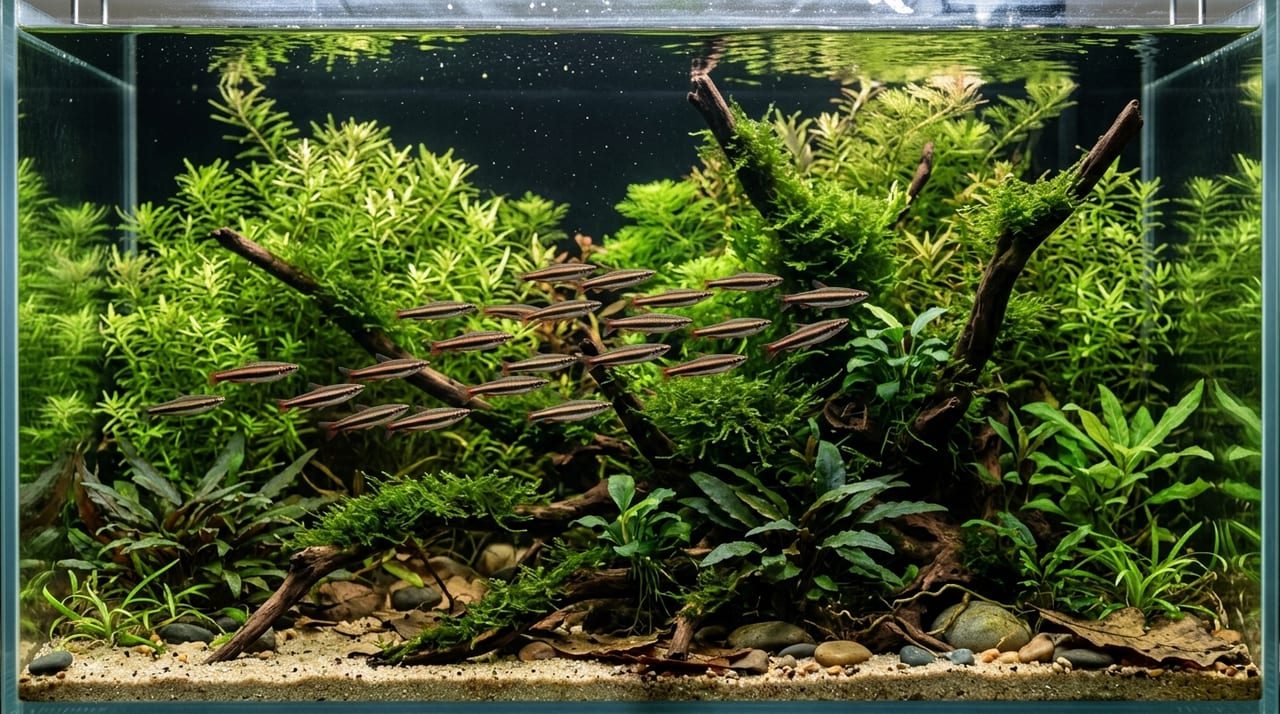
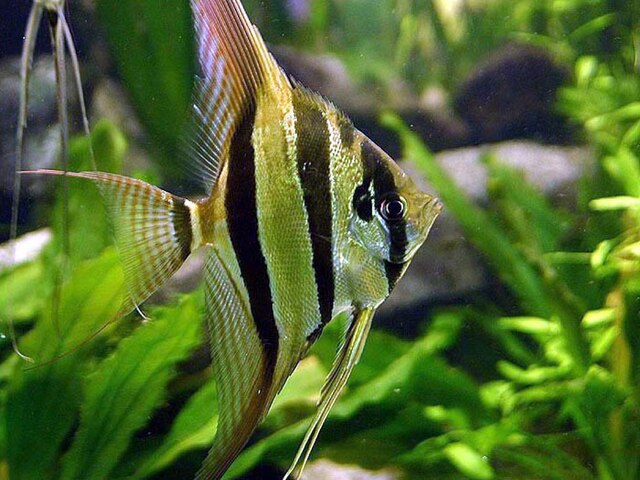
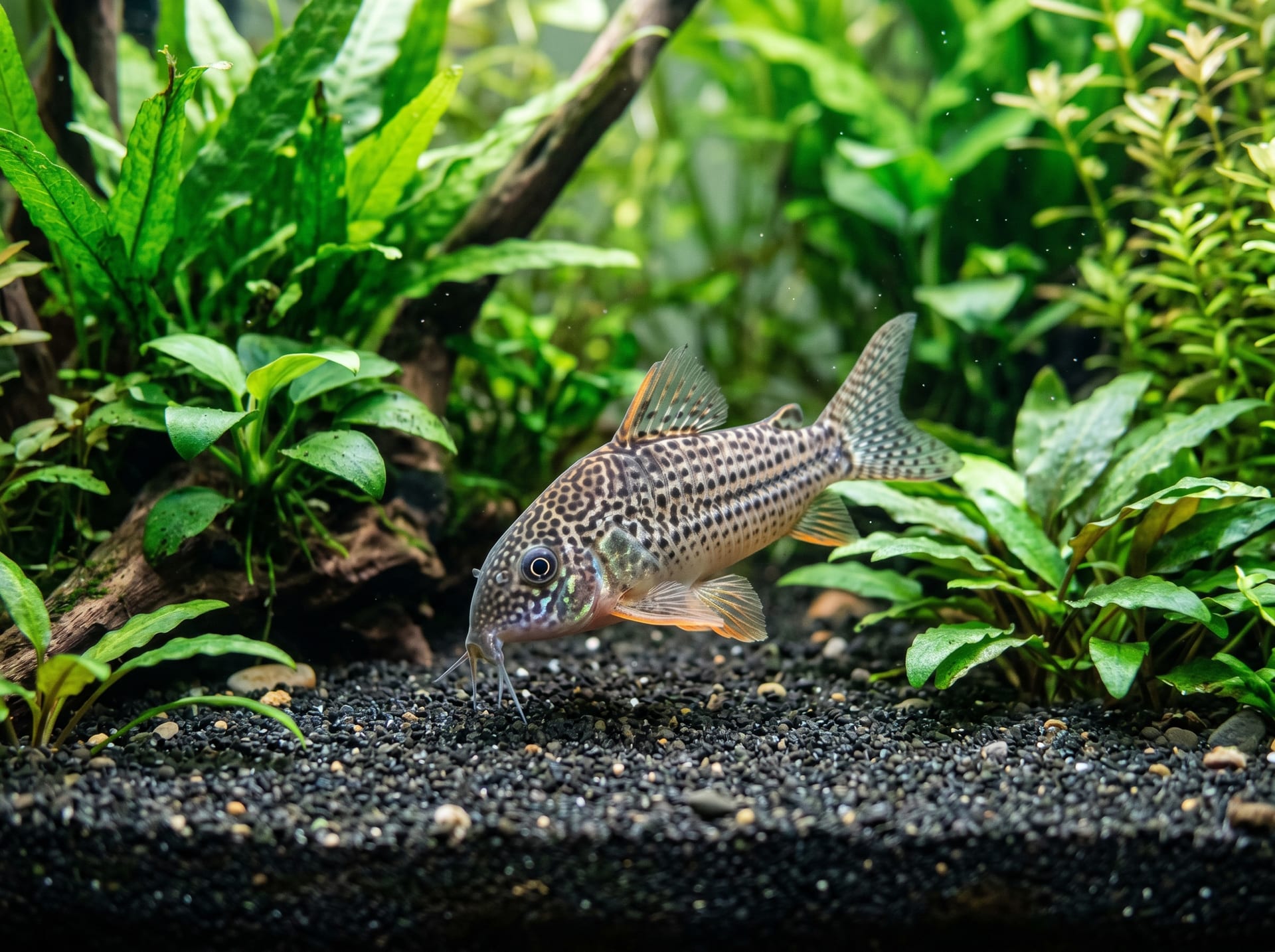
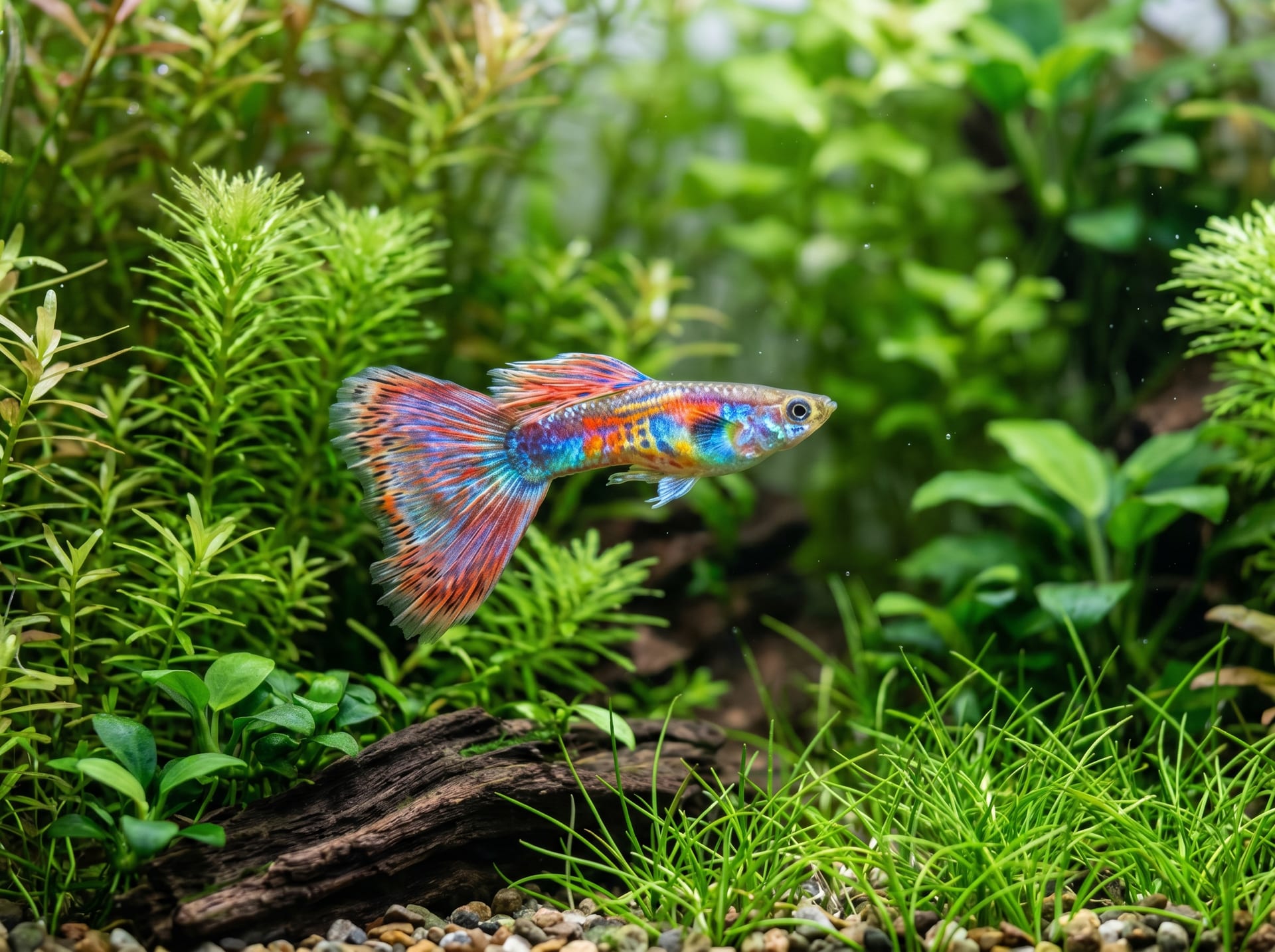
- Tank: For small fish (neon tetras, guppies, etc.), a 30-45 cm tank is appropriate; for medium-sized fish (angelfish, corydoras, etc.), 60 cm or larger is recommended. The more water volume, the more stable the water quality will be. When in doubt, choosing a slightly larger size is recommended.
- Filter: The most important piece of equipment for keeping the water clean. See "Filter Selection" below for details.
- Heater + Thermostat: Tropical fish require water temperatures of 25-26°C. Unstable temperatures lower immunity and increase disease susceptibility, so choose a reliable brand. All-in-one thermostat heaters are easy to manage and compact.
- Lighting: Essential not only for aesthetic appeal but also for aquatic plant photosynthesis. LED lighting is energy-efficient, produces less heat, and offers excellent value due to its long lifespan.
- Substrate: Serves as an attachment point for beneficial bacteria. Options like silica sand, soil, and aquatic soil vary depending on fish species and whether aquatic plants are present.
- Water Conditioner (dechlorinator): Chlorine in tap water is harmful to fish. Be sure to prepare a dechlorinator.
Understanding Filter Types and Their Characteristics
Filters are key components of an aquarium, with different types suited to different tank sizes and requiring different levels of maintenance.
Hang-on-Back Filter
The standard filter for 30-60 cm tanks. It's easy to install by simply hooking it onto the tank's rim, and maintenance is simple, making it ideal for beginners. While its filtration capacity is somewhat moderate, it's sufficient for keeping small fish.
Top Filter
Suitable for medium to large tanks of 60 cm or larger. Its large filter chamber provides excellent conditions for beneficial bacteria colonization, resulting in high filtration capacity and stable water quality. Maintenance can be performed from above, making it hassle-free. For those wanting to keep many fish or prioritizing durability, a top filter is a reliable choice.
External Filter
A sealed system with excellent filtration capacity and gentle water flow, making it ideal for planted tanks. However, installation requires hose plumbing, which may be challenging for beginners. It's suited for those aiming for a more serious aquascaping setup.
Undergravel Filter
A simple design that utilizes the entire substrate as filter media, offering low cost and excellent filtration capacity. However, regular substrate cleaning is required, and it can be inconvenient when plant roots become entangled.
For beginners, we strongly recommend starting with a hang-on-back or top filter. Once you're comfortable, consider upgrading to an external filter.
Tank Startup Procedure: Pre-Introduction Preparation is Critical
Before bringing home your tropical fish, you must "cycle" your tank. Cycling is the process of establishing beneficial bacteria in the tank to stabilize water quality. Skipping this preparation often leads to short fish lifespans, so it's important to take your time and not rush. Common beginner mistakes frequently cite inadequate cycling.
- Tank and Equipment Setup: Place the tank in a location without direct sunlight, on a flat and stable surface. Arrange substrate, driftwood, aquatic plants, and other décor to create an aesthetically pleasing layout.
- Add Dechlorinated Water: Don't use tap water directly; treat it with dechlorinator first. Follow the product instructions for proper dosing.
- Verify Equipment Function: Start the filter and heater, and confirm they're operating correctly. Set the heater to the appropriate temperature.
- Add Bacterial Culture: Using a commercial bacterial starter will speed up the cycling process. Even without fish, you can feed bacteria by adding a small amount of fish food.
- Run the System for 1-2 Weeks: Run the filter for at least one week, ideally two weeks, without adding fish. During this time, beneficial bacteria will establish and create an environment capable of breaking down harmful ammonia and nitrite.
- Test Water Quality Before Adding Fish: Use test kits to measure ammonia, nitrite, and pH. Only introduce fish once these parameters are stable.
Important Considerations When Introducing Fish
Once your tank is ready, it's time to introduce your fish. Even here, patience is key.
Don't Add Too Many Fish at Once
Newly cycled tanks have limited beneficial bacteria; adding too many fish at once will cause rapid water quality deterioration. Start with just a few fish and gradually add more over 1-2 week intervals.
Always Acclimate Fish Properly
Fish you purchase are acclimated to the shop's water temperature and chemistry. Float the bag in the tank for about 30 minutes to match temperatures, then gradually introduce tank water into the bag. Skipping this process can cause shock-related death from sudden environmental changes.
Quarantine New Fish
Newly purchased fish may carry diseases or parasites. If possible, quarantine them in a separate small tank (treatment tank) for 1-2 weeks before adding to the main tank for peace of mind.
Research Compatibility Before Mixing Species
Depending on the combination, territorial disputes or predation may occur. Referring to tips for mixed species tanks, starting with small, peaceful fish together reduces the likelihood of problems.
Pay Attention to Temperature Management
High temperatures are expected in summer 2026. Water temperature spikes cause many problems during summer, so be sure to check summer tropical fish care tips in advance.
Summary: Find Your Perfect Tropical Fish at BreederDirect
Success in tropical fish care depends on proper initial tank setup. By choosing appropriate equipment and taking 1-2 weeks to properly cycle your tank before introducing fish, you create a stable long-term environment.
At BreederDirect, you can purchase healthy tropical fish directly from trusted breeders who have carefully raised them. You can also consult with breeders about your care setup before purchasing, giving beginners peace of mind when welcoming new fish. Once your tank is ready, explore the tropical fish category to find your favorites.