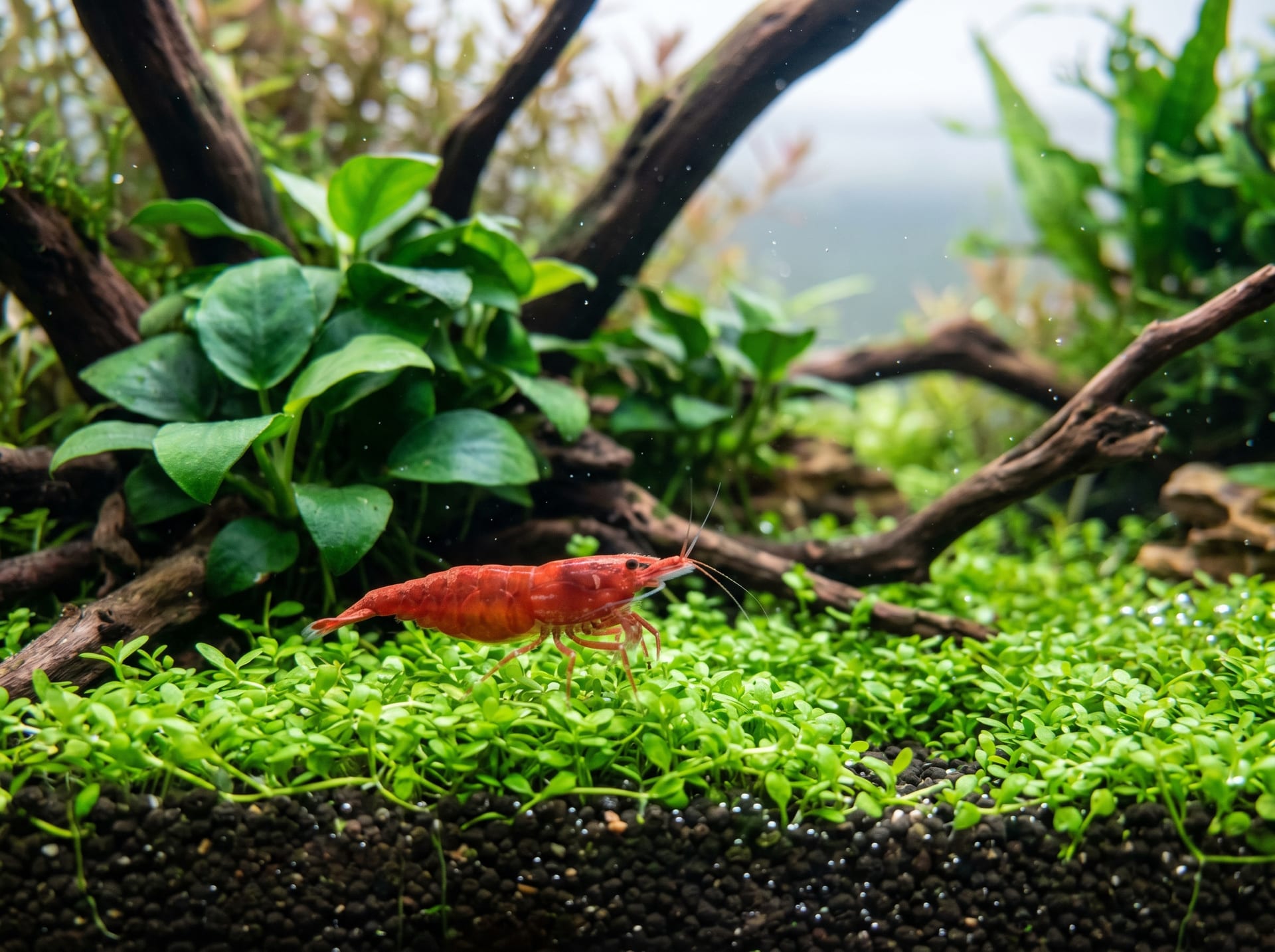
Shrimp
Freshwater shrimp are popular aquarium crustaceans prized for their vibrant colors and natural algae-cleaning ability. Species range from beginner-friendly Cherry Shrimp to more demanding Bee Shrimp, offering options for all experience levels. With careful water quality management, they can thrive and breed in a well-maintained tank.
0% commission on your first sales!Register by September 30, 2026 and your first 2 sales are commission-free!
Breeder Wanted!
List on BreederDirect and sell directly to customers nationwide!
Our 6 Transparency Commitments
All Tropical Fish listings include water quality, temperament, and tank size information from verified Breeder.
- Origin Disclosed
- Real Photos
- Water Quality Disclosed
- Recommended Tank Size
- Temperament Disclosed
- Breed Line Disclosed
Browse all 27 breeds
Water Type
Care Level
Verified breeders wanted for Tropical Fish
Breeders are signing up now ahead of launch. Subscribe to be notified when new listings go live.
Getting alerts is free with a member account. When new listings match your saved search, we'll notify you by email and in-app.
Browse other categories
Verified breeders (preview)
Are you raising tropical fish?
Register as a breeder and connect with buyers directly.
Apply as a breederAbout Shrimp
Freshwater ornamental shrimp belong to various crustacean families found in river systems across Asia and beyond, but their rise as a hobby animal truly began in the 1990s. A German breeder's accidental creation of the Crystal Red Bee Shrimp sparked a global craze, with Japan quickly becoming one of the world's most passionate shrimp-keeping markets. Most species measure between one and five centimeters, yet their vivid reds, whites, yellows, and blues — set against semi-transparent bodies — make them among the most visually striking inhabitants of any planted tank. Behaviorally, shrimp are peaceful scavengers, constantly grazing on algae and leftover food and helping maintain a balanced aquarium ecosystem. The greatest joy for many keepers is watching the colony multiply: a female carrying a clutch of eggs tucked beneath her abdomen, then releasing dozens of miniature shrimp that grow visibly week by week. With consistent water chemistry and good husbandry, a thriving colony can be sustained for years, and the pursuit of new color grades or selectively bred variants offers endless depth for dedicated hobbyists.
7 things to know before welcoming a Shrimp
1Water Quality Sensitivity
Shrimp are highly sensitive to water quality changes, particularly to ammonia, nitrite, and nitrate buildup. It is essential to fully cycle your tank and establish beneficial bacteria before adding shrimp. Regular partial water changes of around 10–20% weekly help maintain stable conditions.
2Temperature and Water Hardness
Common species like Neocaridina shrimp prefer water temperatures of 22–26°C and moderate hardness. Advanced species such as Bee Shrimp require soft, slightly acidic water, so understanding the specific parameters for each species is important. Cooling fans or aquarium chillers help manage high summer temperatures.
3Copper and Pesticide Toxicity
Shrimp are extremely sensitive to copper, and even trace amounts found in some fish medications or liquid fertilizers can be lethal. When introducing aquatic plants, always verify whether they have been treated with pesticides and choose pesticide-free plants or those that have been properly treated.
4Breeding and Egg Observation
Shrimp breed relatively easily once water conditions are stable, with females carrying eggs under their abdomen for 3–4 weeks before releasing tiny shrimplets. Providing moss and fine-leaved plants gives shrimplets hiding spots and significantly improves their survival rate. Keep species separate to prevent hybridization if maintaining pure strains.
5Choosing Tank Mates
Shrimp are small and vulnerable, and most fish pose a predation risk if they can fit shrimp in their mouths. Safe tank mates include peaceful small species such as Otocinclus, Corydoras, and small Rasboras. For successful breeding, a shrimp-only tank is recommended, as shrimplets are especially easy prey.
6Molting and Shell Care
Shrimp molt regularly as they grow and breed, and are extremely vulnerable immediately after molting when their new shell is still soft. Discarded shells are often consumed by the shrimp themselves as a calcium source and generally do not need to be removed. Mineral deficiencies can lead to failed molts, so using a dedicated mineral supplement can be beneficial.
7Initial and Ongoing Costs
Initial setup costs including a tank, filter, substrate, and plants typically range from 10,000 to 30,000 yen, while high-grade Bee Shrimp individuals can cost several thousand to tens of thousands of yen each. Ongoing expenses including electricity, food, and water conditioner are relatively modest at a few hundred to a few thousand yen per month. Regular maintenance of filters and substrate is essential to prevent water quality deterioration.
Frequently asked questions about Shrimp
- Q.Which shrimp species are best for beginners?
- A.Cherry Shrimp (Neocaridina davidi variants) are the top recommendation for beginners due to their tolerance for a wider range of water parameters and their willingness to breed readily. They are widely available, affordable, and do well even in small tanks. Mastering Cherry Shrimp husbandry first provides a solid foundation before moving on to more demanding species.
- Q.What is the minimum tank size for a shrimp setup?
- A.Cherry Shrimp can be kept and bred in tanks as small as 10–20 liters, but smaller volumes make water parameters harder to keep stable. For beginners, a 30-liter or larger tank is recommended for more forgiving conditions. For sensitive species like Bee Shrimp, a larger water volume makes parameter management considerably easier.
- Q.Can shrimp safely be kept with fish in the same tank?
- A.Small, peaceful fish with tiny mouths — such as ember tetras or small rasboras — can sometimes coexist with adult shrimp, but juvenile shrimp remain at risk of being eaten. Avoid housing shrimp with larger-mouthed or aggressive species like angelfish, bettas, or most cichlids. Dense moss and plenty of hiding structures help reduce predation risk when mixed setups are attempted.
- Q.What causes sudden shrimp deaths?
- A.The most common causes are sudden shifts in water parameters (pH, hardness, or temperature) and spikes in ammonia or nitrite. Pesticide-contaminated plants or copper-containing medications introduced to the tank can also cause rapid, widespread death. If losses are occurring, the first step is to test all key water parameters with a reliable test kit to identify the source of the problem.
- Q.How often should I feed my shrimp?
- A.In a planted tank with sufficient algae, daily feeding is not strictly necessary. A general guideline is to offer a small amount of dedicated shrimp pellets or dried vegetable slices (such as kelp or spinach) once every one to two days — only what can be consumed within a couple of hours. Remove any uneaten food promptly, as decomposing leftovers quickly degrade water quality.
Useful tools for Shrimp care
Shrimp related articles
A Guide to Causes and Prevention of Sudden Freshwater Shrimp Death: How to Distinguish Between Molting Failure, Water Quality Shock, Pesticides, and Oxygen Depletion
A thorough explanation of the causes of sudden freshwater shrimp death and total colony collapse. This guide covers how to distinguish between common causes of death such as molting failure (incomplete molting), water quality shock, pesticides, oxygen depletion, and bacterial deficiency, along with specific prevention strategies.
Complete Guide to Setting Up a Freshwater Shrimp Tank | Substrate, Filter, and Aquatic Plant Selection and Setup Procedures
A comprehensive guide to aquarium setup for healthy freshwater shrimp. Covering substrate soil, filter types, aquatic plant introduction, pilot fish, and cycling period—bringing together the key points for creating a reliable environment.
Complete Guide to Pesticide Removal from Aquatic Plants | Aquatic Plant Pretreatment and Safe Introduction Methods to Protect Shrimp
A complete guide to protecting shrimp from pesticides in aquatic plants. Explains types of pesticides, their toxicity, removal methods (water change method, activated carbon method, wood vinegar method), and procedures for shrimp safety confirmation tests.
Complete Guide to Brine Shrimp Hatching and Live Feed Management | Maximizing Hatch Rates, Harvesting, and Gut-Loading in Practice
A comprehensive guide to home-hatching brine shrimp for tropical fish and marine fish fry rearing. Covers five condition management (salinity, water temperature, pH, aeration, light), comparison of hatching devices from DIY bottle hatchers to commercial systems, harvesting and cleaning procedures, and nutritional enhancement through gut-loading (Selco, phytoplankton). Presented with practical techniques.
Betta Fish Tank Mates Guide | Compatible Fish, Incompatible Fish, and Tips for Success
A comprehensive guide to keeping Bettas with other tropical fish. We introduce compatible species like Neon Tetras, Corydoras, and Amano Shrimp, as well as species to avoid such as Sumatra Barbs and Guppies, with detailed explanations of why. Also includes practical advice on layout and tank size for successful community setups.
Neocaridina (Cherry Shrimp) Complete Care Guide | Color Variations, Water Quality Management, and Breeding
Neocaridina shrimp (Cherry shrimp) are hardy and easy-to-breed freshwater shrimp, making them an ideal species for beginners. This guide explains abundant color variations like Red Cherry and Blue Dream, proper water quality management, filter selection, breeding methods, and tankmate compatibility for newcomers.
More in this category
Can't find the one you're looking for?
Post your wishes for free and breeders with matching animals will contact you with introductions.