Betta Fish Tank Mates Guide | Compatible Fish, Incompatible Fish, and Tips for Success
A comprehensive guide to keeping Bettas with other tropical fish. We introduce compatible species like Neon Tetras, Corydoras, and Amano Shrimp, as well as species to avoid such as Sumatra Barbs and Guppies, with detailed explanations of why. Also includes practical advice on layout and tank size for successful community setups.
Key Takeaways
A comprehensive guide to keeping Bettas with other tropical fish. We introduce compatible species like Neon Tetras, Corydoras, and Amano Shrimp, as well as species to avoid such as Sumatra Barbs and Guppies, with detailed explanations of why. Also includes practical advice on layout and tank size for successful community setups.
Related Species
Why Is Keeping Bettas with Other Fish Difficult?
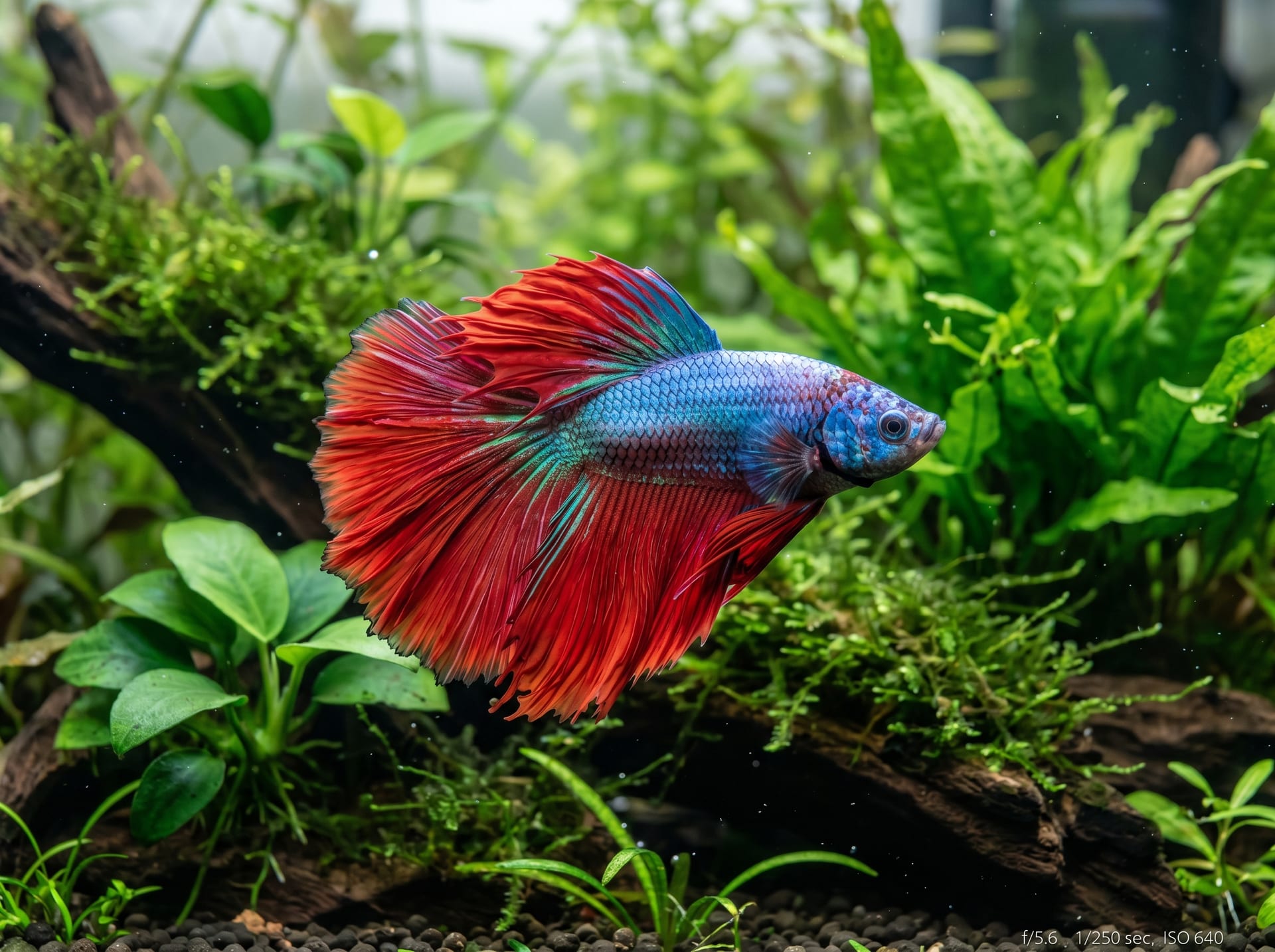
Bettas (Betta splendens), as their nickname "fighting fish" suggests, possess strong territorial instincts and aggression, with males fighting fiercely with one another. However, the belief that "Bettas cannot be kept with any other fish" is a misconception—with proper environmental conditions and the right tank mates, community tank setups are indeed possible.
The difficulty in keeping Bettas with other fish stems from several factors:
- Intense aggression between males: Males of the same species will fight to the death when they meet
- Tendency to target fins: The Betta's own large fins can become targets for other fish
- Individual temperament variation: Even among Bettas, some individuals are docile while others are aggressive
- Water quality requirements: Bettas thrive in slightly acidic water at high temperatures (26–28°C), but tank mates must also be compatible with these conditions
Quick Reference: Compatible and Incompatible Fish for Bettas
The following sections provide details, but here is a summary first. ◎ = Relatively safe / △ = Conditional / × = Avoid
| Tank Mate | Compatibility | Reason / Conditions |
|---|---|---|
| Neon Tetra, Cardinal Tetra | ◎ | They swim in the mid-water column and do not target Betta fins. Keeping them in groups of 5 or more disperses attention away from individual fish. |
| Corydoras | ◎ | Spend time exclusively on the bottom, with minimal overlap in living space with Bettas. The most reliable tank mate. |
| Otocinclus | ◎ | A gentle species that grazes on algae on tank surfaces. Rarely enters the Betta's line of sight. |
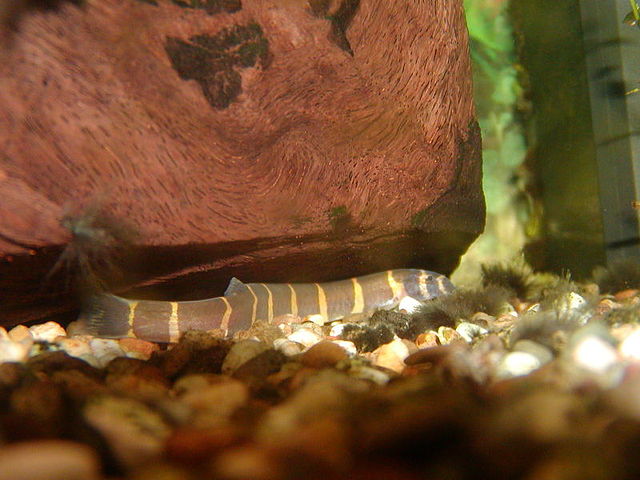
| Loaches (Kuhli Loach, etc.) | ◎ | Nocturnal bottom-dwellers. They burrow into sand substrate when available. |
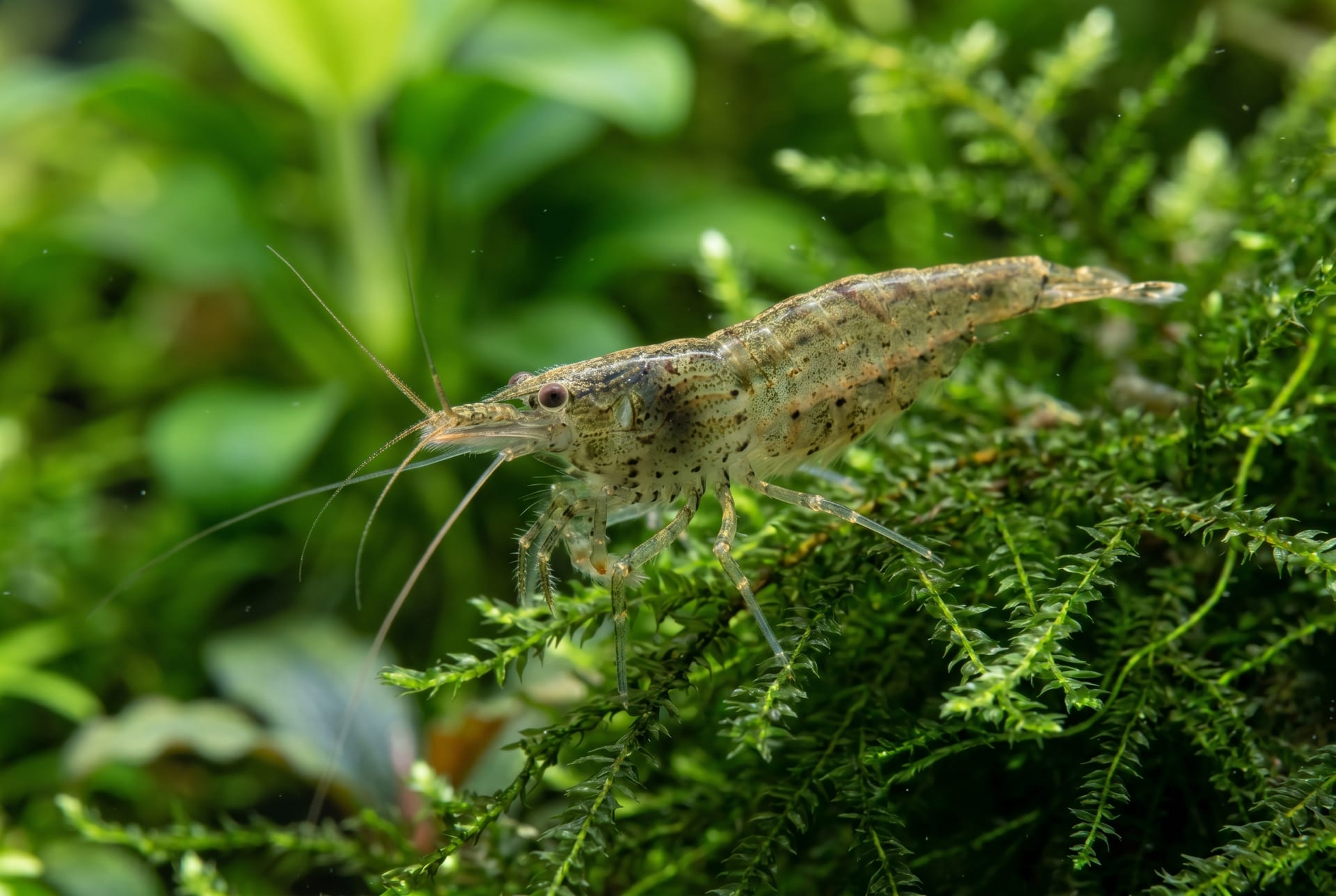
| Amano Shrimp | △ | Can coexist if dense aquatic plants are present. However, expect shrimplets to be predated upon. |
| Ramshorn Snail, Nerite Snail | ◎ | Bettas show no interest in them. Excellent as algae-control helpers. |
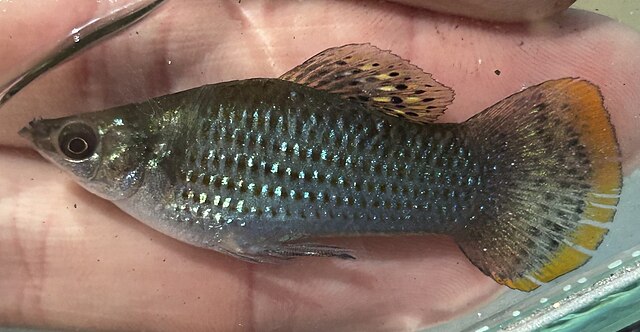
| Platy, Molly | △ | Females only. Males are brightly colored and prone to becoming targets of aggression. |
| Female Betta | △ | Only in tanks with ample space and adequate hiding places. More challenging than keeping a single Betta. |
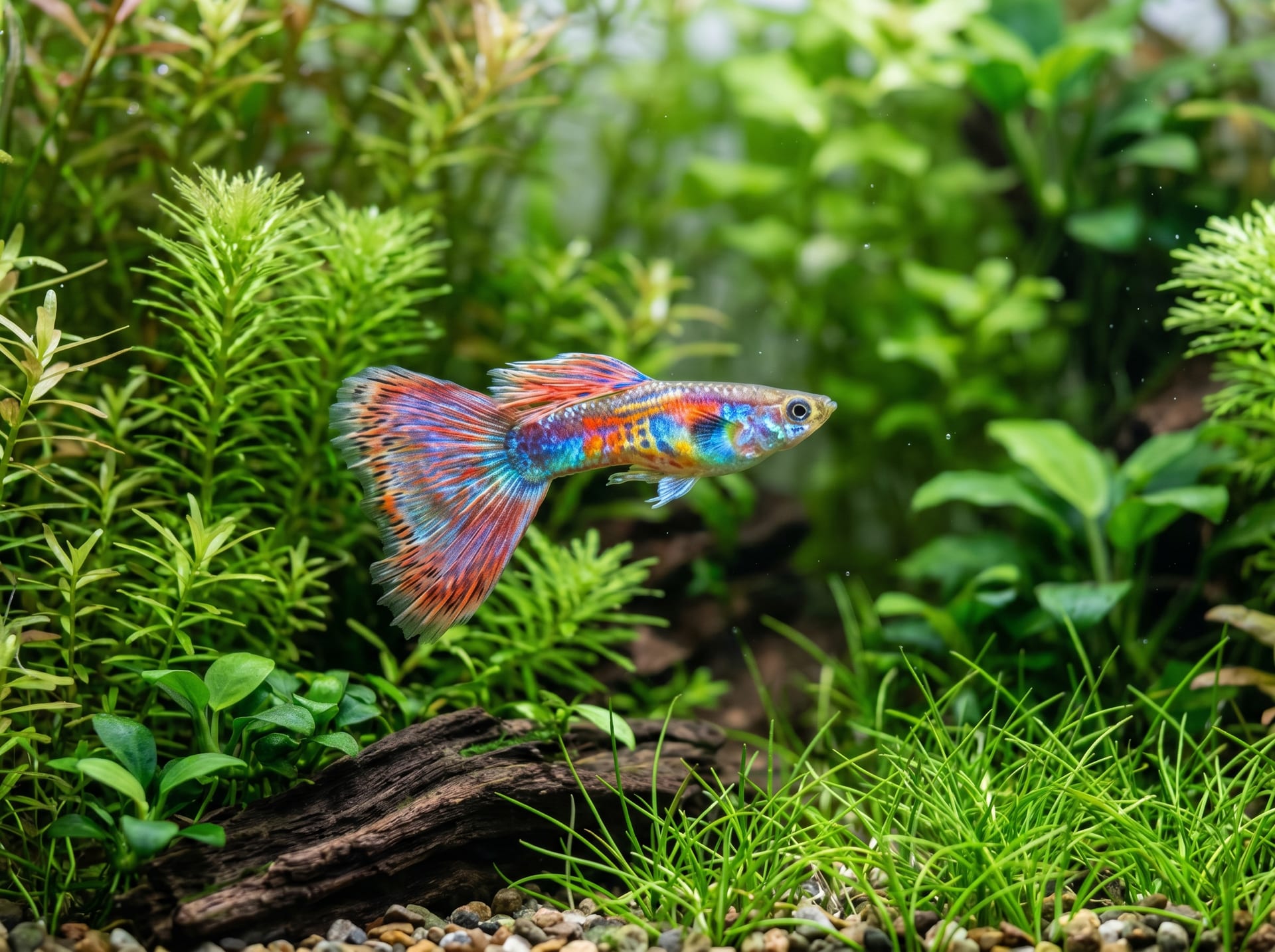
| Guppy (especially males) | × | The Betta may mistake flowing, long fins for another Betta and attack. |
| Sumatra Barb (Tiger Barb) | × | Known for fin-nipping; Bettas are prone to one-sided injury. |
| Goldfish | × | Incompatible temperature requirements (Goldfish 18–25°C · Betta 25–28°C). Water quality needs also conflict. |
| Paradise Fish | × | Another anabantoid (labyrinth fish) with equally strong territorial behavior; they will fight vigorously. |
| Two or more male Bettas | × | Will invariably result in fatal combat. |
Shrimp and snails are also viable options as tank mates. They place less bioload on the tank than fish and help control algae, making them the top choice if you want to add something to a single-Betta setup.
Note that the ◎ ratings in this table assume a tank of 60 cm or larger with adequate hiding places. The success of a Betta community setup depends more on tank size and available escape routes than on fish species combinations alone, so do not make decisions based on compatibility ratings alone.
Compatible Fish Species
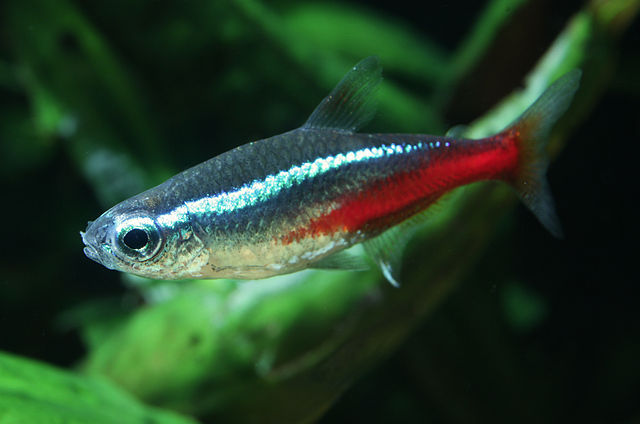
Neon Tetra, Cardinal Tetra
Compatibility: ◎
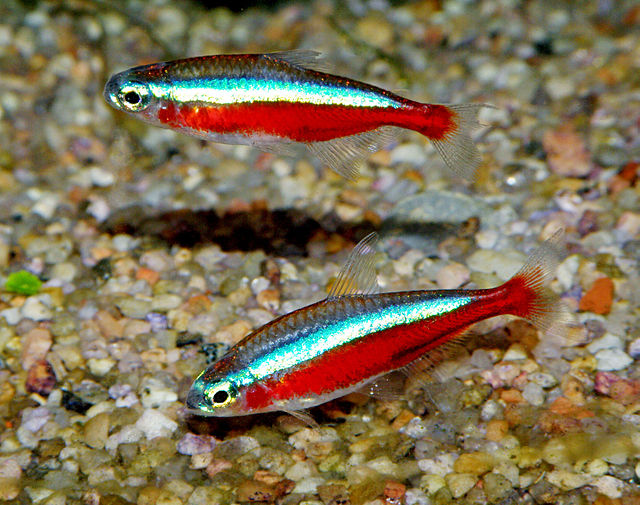
The combination of Bettas and Neon Tetras is a classic community setup. Neon Tetras are agile and possess the evasion skills to escape a pursuing Betta. They also share water quality preferences (slightly acidic, 28°C), making it easy to maintain unified tank conditions.
However, some individual Bettas may persistently chase Tetras, so careful observation during the first few days is essential. Success rates improve when keeping them in a 60 cm or larger tank with abundant live plants.
Corydoras
Compatibility: ◎
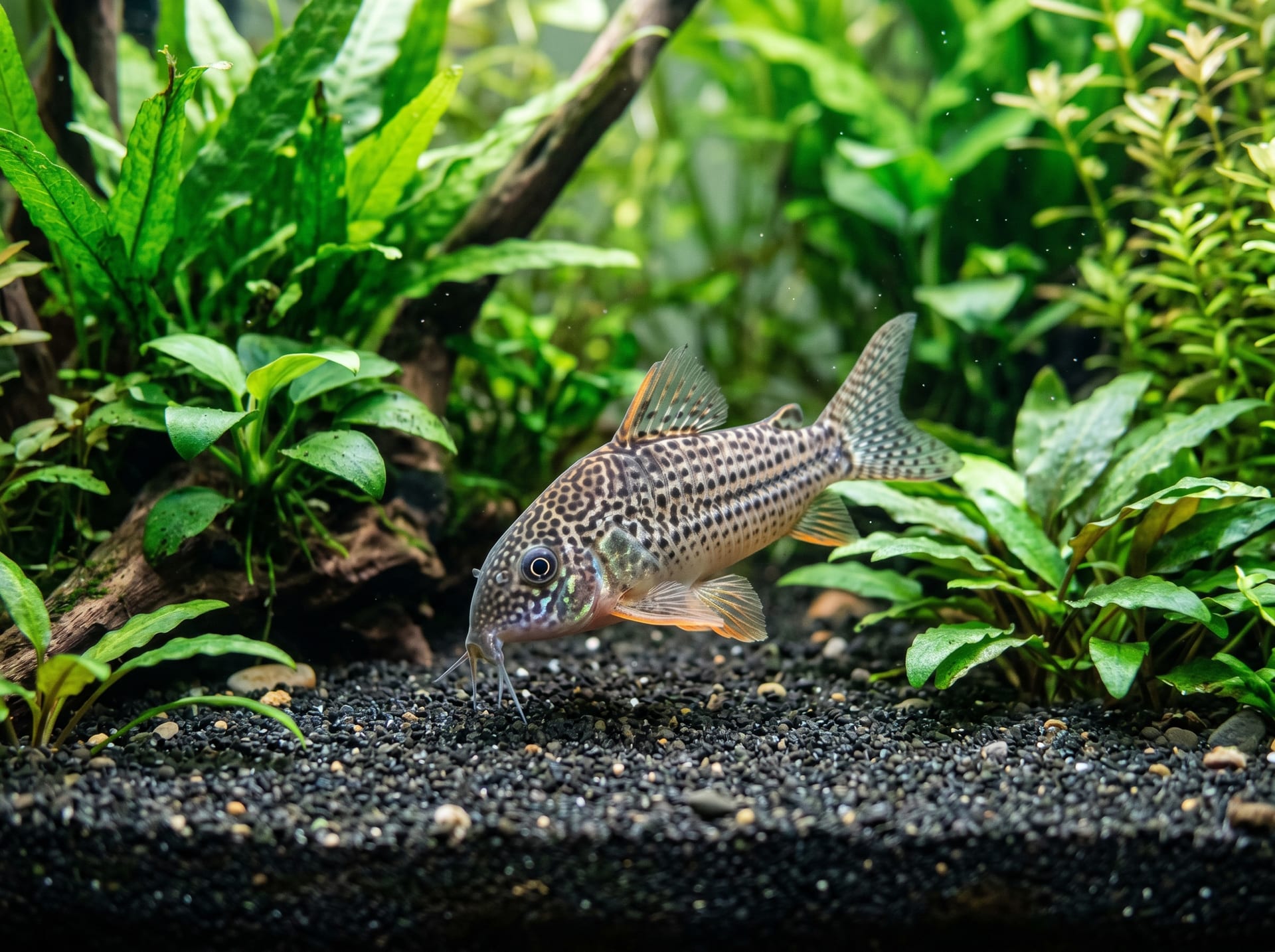
Corydoras, which inhabit the bottom layer, rarely overlap in living space with Bettas, making them one of the most recommended tank mates. While Bettas swim near the surface and in the mid-water column, Corydoras remain centered around the substrate, resulting in minimal territorial conflict.
Select species that tolerate 26–28°C, such as Corydoras paleatus and Corydoras sterbai (avoid species requiring cooler temperatures).
Otocinclus
Compatibility: ◎
Like Corydoras, Otocinclus move along the bottom and glass surfaces, minimizing habitat overlap with Bettas and reducing the likelihood of conflict. They are useful for algae control, though they tend to become undernourished; ensure adequate feeding (algae on driftwood or specialist foods).
Loaches (Kuhli Loach, etc.)
Compatibility: ◎
Kuhli Loaches, which burrow into sand, are among the most compatible species with Bettas. Being nocturnal, they have minimal contact with Bettas and help keep the substrate clean.
Platy, Molly (Females Only)
Compatibility: △
Female Platies and Mollies (avoid males) are relatively docile and commonly kept with Bettas. However, unlike Guppies with their large tail fins, it is important to select species and varieties with simple, less conspicuous fin shapes that are unlikely to become Betta targets.
Fish Species to Avoid
Sumatra Barb (Tiger Barb)
Compatibility: ✕✕
Sumatra Barbs are known for their fin-nipping habit, making the Betta's large fins prime targets. Fin-tearing is a common outcome, and they should be absolutely avoided as tank mates.
Guppy (especially Males)
Compatibility: ✕
Male Guppies have large tail fins that may cause the Betta to mistake them for rivals of its own species (or similar appearance) and attack. Female Guppies are somewhat safer, but risk remains. Keeping Guppies with Bettas in the same tank is generally not recommended.
Two or More Male Bettas
Compatibility: ✕✕✕
Males without a barrier between them will inevitably fight to the death. Even visual stimuli (mirrors, transparent dividers) cause exhaustion, so avoid keeping them in the same tank or in adjacent tanks.
Goldfish
Compatibility: ✕
They have incompatible temperature and water quality requirements (Goldfish prefer cooler temperatures and neutral to slightly alkaline water). Goldfish may also consume Betta fins.
Paradise Fish
Compatibility: ✕
Also bubble-nest builders with strong territorial instincts, they will clash violently with Bettas for essentially the same reasons.
Practical Tips for Successful Betta Community Setups
Tank Size
Unlike single-Betta setups (5–10 L), community tanks require significantly more space. As a guideline:
- 30–45 cm tank (20–40 L): One Betta + 2–3 Corydoras for a small-scale community
- 60 cm tank (60 L): One Betta + 5–6 Corydoras + approximately 10 Neon Tetras for a full community setup
The greater the water volume, the easier it is to dilute territoriality, stabilize water chemistry, and provide escape routes.
Aquatic Plants and Layout
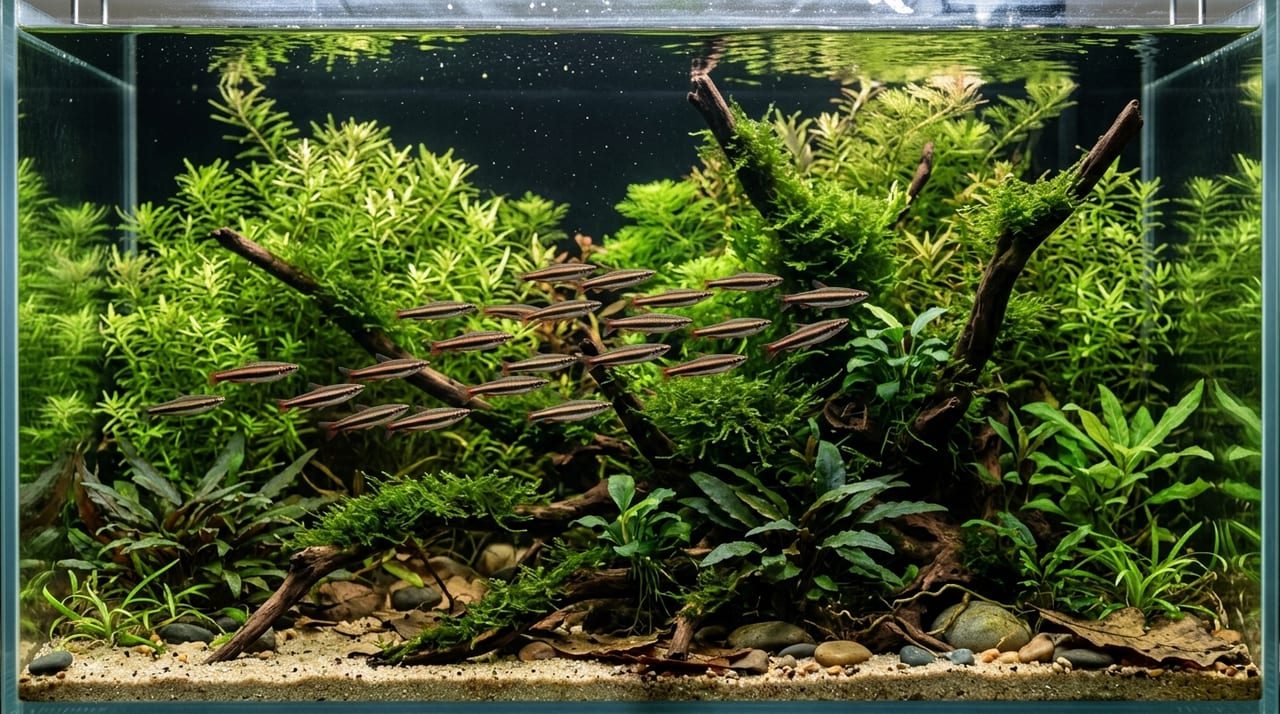
Create sight-blocking areas using dense plants (Amazon Sword, Anubias, Willow Moss, etc.) and driftwood or rocks. The less line-of-sight through the tank, the weaker the Betta's territoriality becomes.
Aquatic plants also stabilize bubble nests and reduce stress in Bettas.
Introduction Order
Do not introduce the Betta first. Allow Corydoras or Tetras to establish themselves first, then add the Betta last. In a tank with established residents, the Betta is less likely to assert territoriality.
Observation During the First Few Days
The period immediately after introducing tank mates is the most accident-prone. Regularly check whether the Betta is actively chasing other fish or if other fish are nipping at its fins. If problems arise, use an isolation container to temporarily separate them.
Keeping Female Bettas with Tank Mates
Female Bettas have milder temperaments than males, making community setups less challenging. However, note the following:
- Female-to-female: Individual variation exists, and territorial disputes may occur. When establishing a "sorority tank" (60 L or larger with 5 or more individuals), group dynamics tend to stabilize.
- Female and male cohabitation: Generally recommended to keep them separated except during breeding season (males may attack females).
Summary
Keeping Bettas with other fish is not "impossible" but rather "achievable with careful planning." By selecting compatible species such as Corydoras and Neon Tetras, and by providing adequate water volume, planted layouts, and thoughtful introduction sequencing, you can create a beautiful community tank. The key to success is avoiding species that clearly cause problems—such as Sumatra Barbs and male Guppies—while maintaining daily observation during the first 1–2 weeks of the setup.