Complete Glass Catfish Care Guide | Transparent Body, School Behavior, Water Quality, Tank Mates
Glass catfish live 5–8 years and reach 6–8 cm. A shy schooling fish that needs a group of five or more: tank size, water parameters, feeding, safe and unsafe tankmates, disease prevention, and breeding.
Key Takeaways
Glass catfish live 5–8 years and reach 6–8 cm. A shy schooling fish that needs a group of five or more: tank size, water parameters, feeding, safe and unsafe tankmates, disease prevention, and breeding.
Related Species
What is the Glass Catfish?
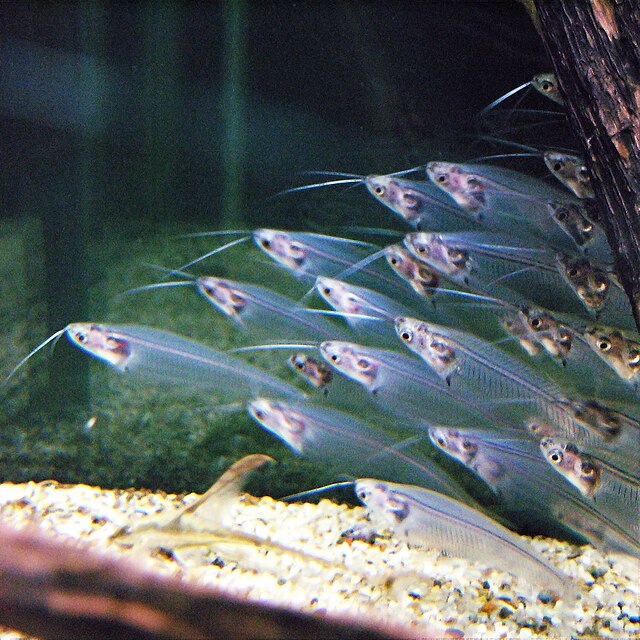
The Glass Catfish (Translucent Glass Catfish, scientific name: Kryptopterus vitreolus) is a catfish species native to Southeast Asia (Thailand and Malaysia). Its most distinctive feature is its completely transparent body, through which the skeleton and internal organs are visible. When lit in an aquarium, the internal organs shimmer with iridescent colors, earning them the nickname "living jewels."
They reach about 6-8 cm in length and can live 5-8 years with proper care. Due to their timid nature, they thrive in groups and require at least 5 individuals for stable behavior.
Basic Care Setup
Tank Size
Glass Catfish are schooling fish. To house 5 or more individuals, a standard 60 cm tank (57L minimum) is recommended. Tanks that are too small become a source of stress for these timid fish.
Water Parameters
| Parameter | Target |
|---|---|
| Temperature | 22-28°C (Optimal: 24-26°C) |
| pH | 6.5-7.5 |
| Hardness (GH) | 5-15 dGH |
| Nitrite & Ammonia | 0 ppm |
They prefer slightly acidic to neutral, soft water. As a Southeast Asian species, they can tolerate blackwater conditions (pH 6.0-6.5), but they adapt well to standard neutral tap water.
Filtration and Aeration
They prefer moderate water flow, making external or top filters ideal. Sponge filters alone may provide insufficient current and oxygenation. The current should be gentle to moderate—strong flow is unnecessary.
Layout and Hiding Spaces
Given their timid nature, it's crucial to provide plenty of hiding places with plants, driftwood, and moss. Hiding spaces reduce stress and encourage them to display their beautiful schooling behavior through plants.
Floating plants (such as Frogbit or Amazon Frogbit) on the water surface help reduce stress from bright lighting.
Feeding Methods
Unlike typical catfish with downward-facing mouths, Glass Catfish swim in the middle to upper water column and feed in the middle water column. They often miss sinking food, so choose floating pellets or slowly sinking granules.
Recommended Foods
- Small floating pellets (guppy food, Tetra food, etc.)
- Frozen bloodworms (highly palatable and easy to digest)
- Frozen brine shrimp
- Live food like daphnia and paramecia
Some individuals are reluctant to accept prepared foods, but with patience they will adapt. A useful approach is to first stimulate appetite with frozen bloodworms, then gradually transition to prepared diets.
Feed once or twice daily, only the amount they can consume without leftovers.
Tank Mate Compatibility
Glass Catfish have peaceful temperaments and can be housed with other gentle tropical fish of similar size.
Compatible Species
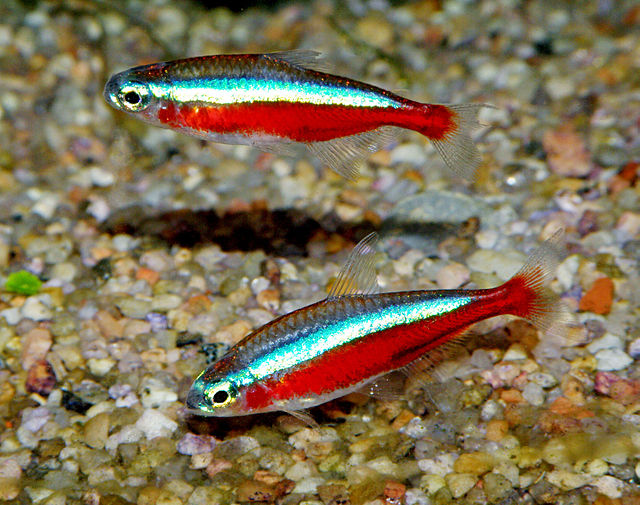
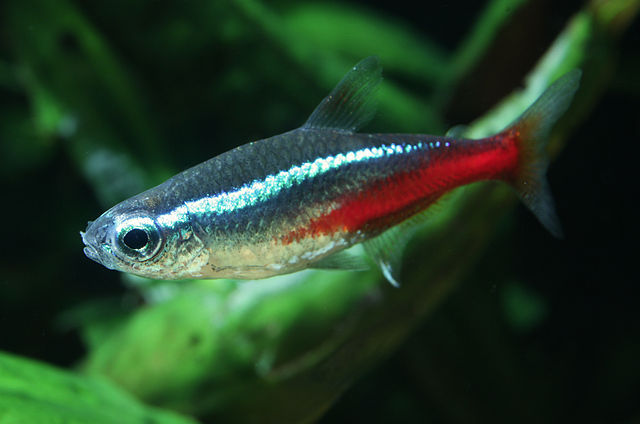
- Neon Tetras and Cardinal Tetras (similar schooling behavior)
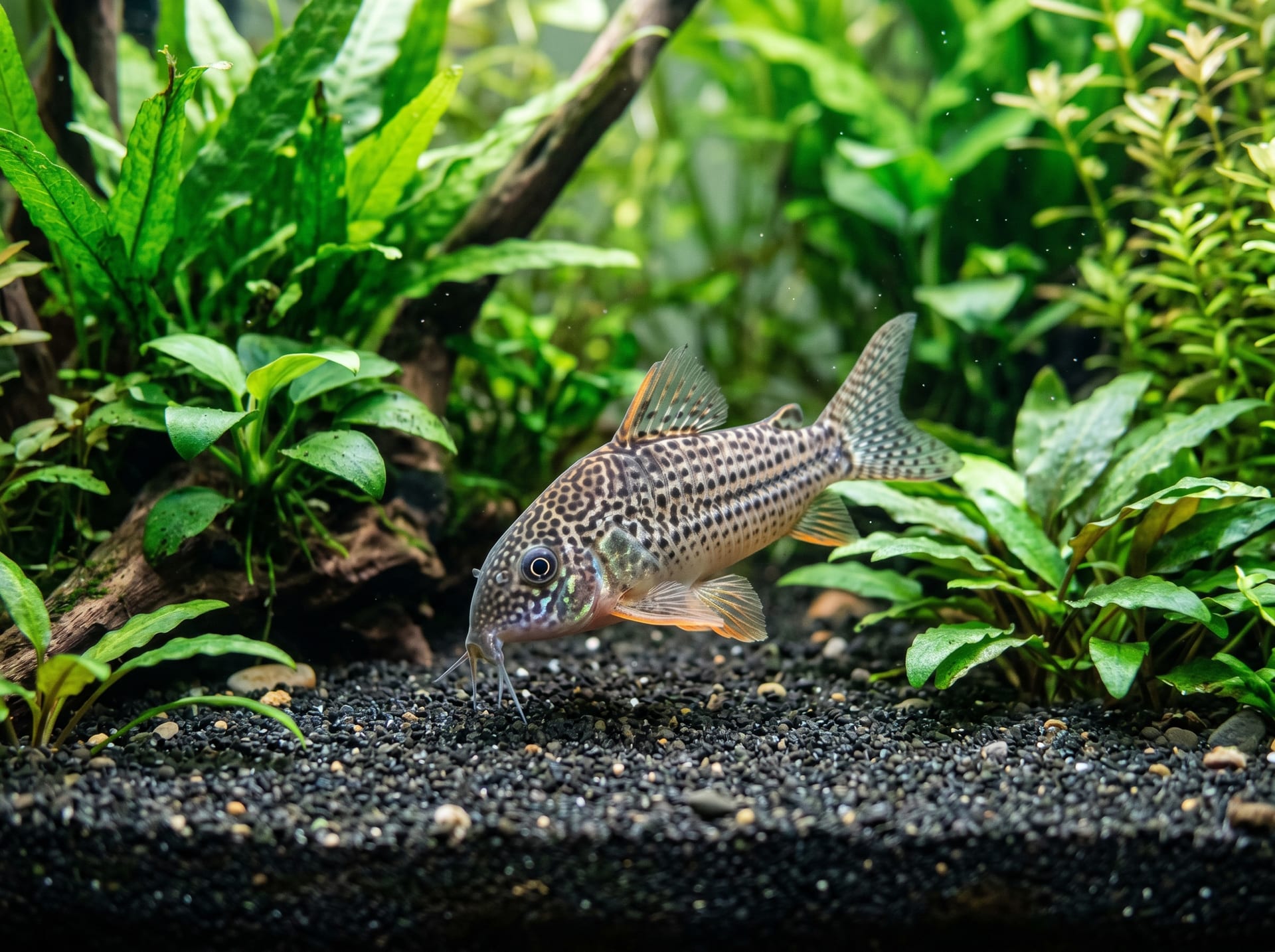
- Corydoras (occupy different water column levels)
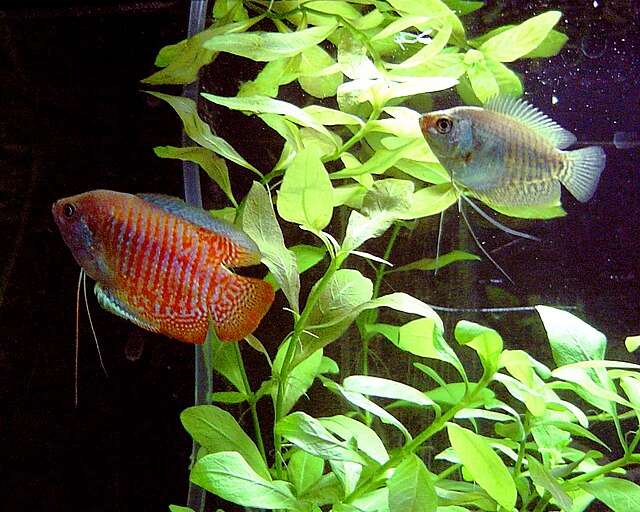
- Small Gourami species (such as Dwarf Gourami)
- Rasboras
Incompatible Species
- Goldfish and large cichlids (predation risk)
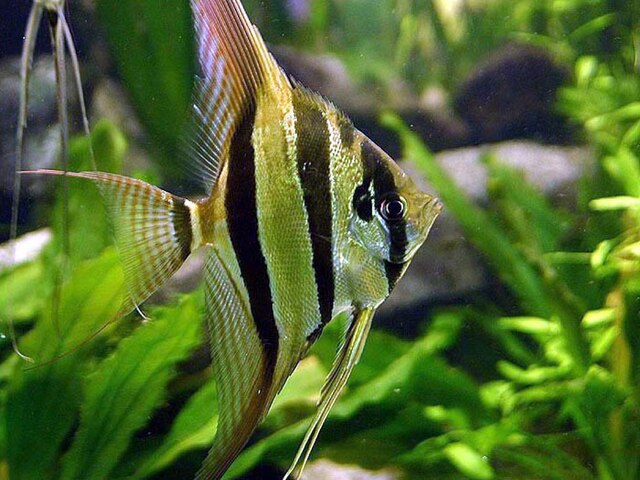
- Angelfish (can prey on them as they grow larger)
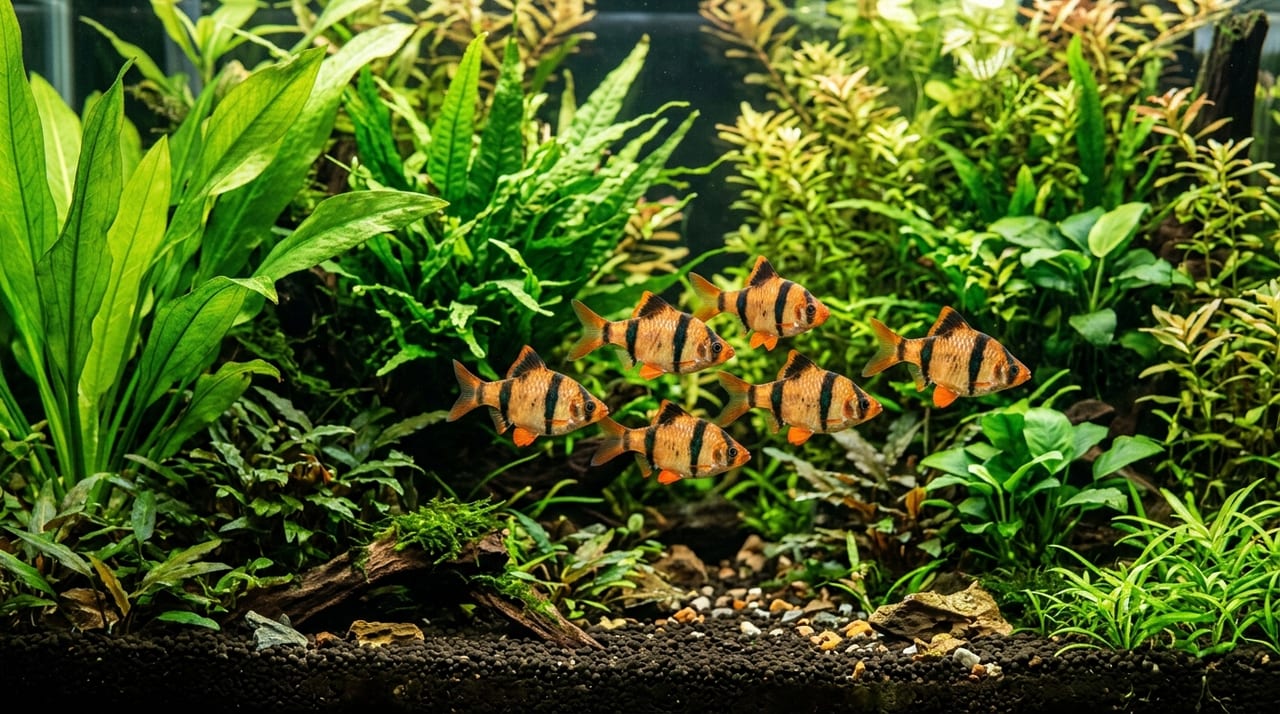
- Aggressive species (such as large Tiger Barb groups)
An important tip: establish the school from the beginning. Adding individuals later may result in poor integration.
Common Diseases and Prevention
White Spot Disease (Ichthyophthirius)
The most common issue. White spots appear on the body. Early cases may respond to a light salt bath (0.3-0.5%) and raising temperature by 1-2°C. For severe cases, use commercial white spot medication at recommended doses.
Aeromonas Infection (Red Spot Disease / Dropsy)
This bacterial infection is more likely during water quality issues. Red patches on the body suggest Aeromonas infection. Increase water changes to improve conditions and use antibacterial treatments like Green F Gold if necessary.
Basic Prevention
The best prevention is maintaining water quality (15-20% water change weekly) and monitoring tank mates' health. Always quarantine new fish in a treatment tank for about 2 weeks before adding them to the main tank.
Breeding
Breeding Glass Catfish in aquariums is considered difficult. In nature, seasonal changes during the rainy season (temperature drops, increased water volume, pH reduction) trigger spawning, but replicating these conditions at home is challenging.
Some hobbyists have reported success using rain simulation systems and lowering temperature by a few degrees Celsius. Those interested in breeding should consult specialized resources and approach the process carefully.
The Appeal of Keeping Glass Catfish
Beyond their beauty, their transparent bodies offer a unique opportunity to observe internal organs and skeletal movement in real time. Their distinctive behavior of tilting at 45-degree angles while stationary as a group ("standing") captivates aquarists.
Their transparent bodies blend seamlessly into planted tanks, and their elegant schooling and stationary behavior add "living art" to any aquarium. While relatively beginner-friendly, maintaining a proper school size and good water quality will reward you with years of enjoyment from these enigmatic fish.