Freshwater Shrimp Cohabitation Guide | Fish Compatibility and Breeding Environment Setup
Explains freshwater shrimp and fish cohabitation compatibility. Lists fish that eat shrimp and safe fish, introduces breeding environments.
Key Takeaways
Explains freshwater shrimp and fish cohabitation compatibility. Lists fish that eat shrimp and safe fish, introduces breeding environments.
In the ornamental fish world, freshwater shrimp have seen rapid growth in popularity over recent years. Beyond their practical use as algae-eating cleaners in tanks, their translucent bodies and vibrant coloration are beautiful, and a style of aquarium keeping called "shrimp tanks" where shrimp are the main attraction has become established. However, cohabitation between freshwater shrimp and fish involves delicate considerations. With poor pairing choices, it's not uncommon for carefully raised shrimp to be wiped out entirely. This article covers the characteristics of representative freshwater shrimp, how to distinguish between fish suitable for cohabitation and those to avoid, and environmental setups for successful breeding—all explained in a way that's practical even for beginners.
✍️
BreederDirect Editorial
The BreederDirect editorial team specializes in care information for animals, covering veterinary care and breeding to deliver beginner-friendly guides.
Find Tropical Fish on BreederDirect
Buy directly from verified breeders
Browse Related Listings
Find Tropical Fish listings related to this article on BreederDirect. Buy directly from verified breeders.
Representative Freshwater Shrimp Species and Their Characteristics
First, let's organize the types of freshwater shrimp commonly kept in aquariums. Body size and water quality requirements vary by species and significantly affect whether cohabitation is possible.
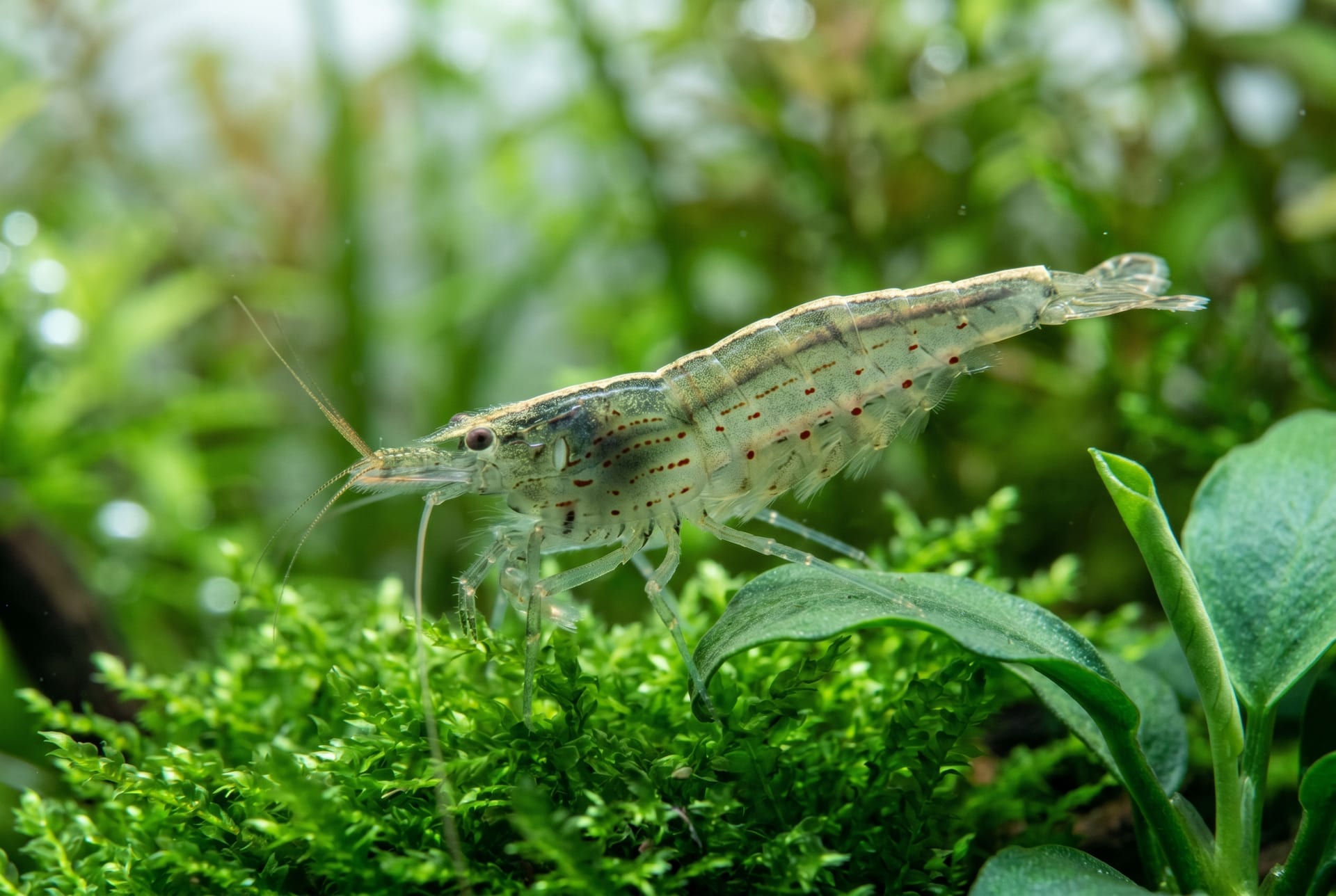
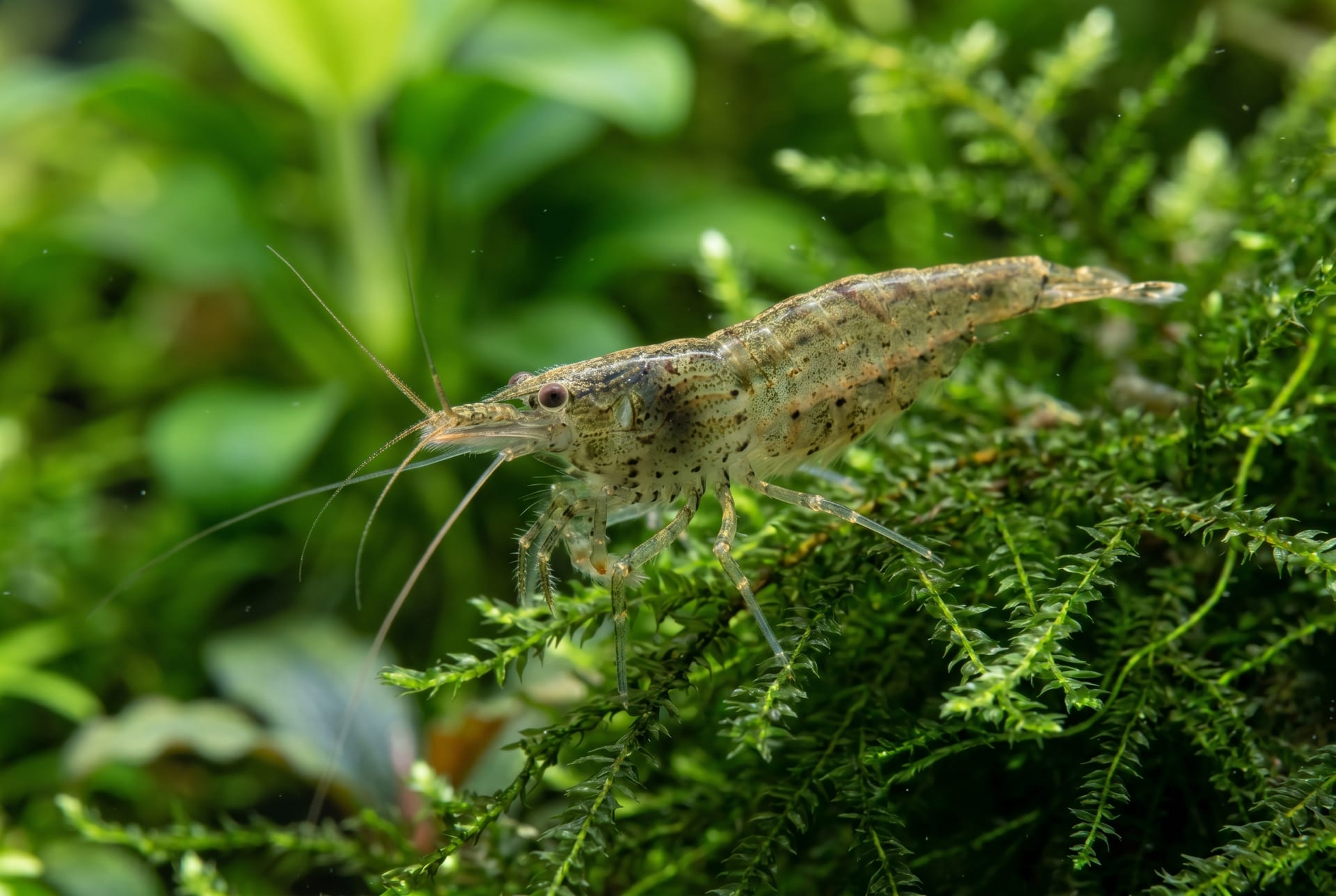
Yamato Amano Shrimp
At 3–5 cm in body length, they rank among the larger freshwater shrimp. Their algae-eating ability is exceptional, vigorously consuming thread algae and brown algae. Because of their larger size, they're less likely to be eaten by fish, making them relatively easy to introduce into mixed tanks. However, breeding requires brackish water (a mix of freshwater and saltwater), so they won't multiply in typical freshwater tanks. They're ideal for those who want algae control but don't need breeding.
Red Cherry Shrimp and Related Species
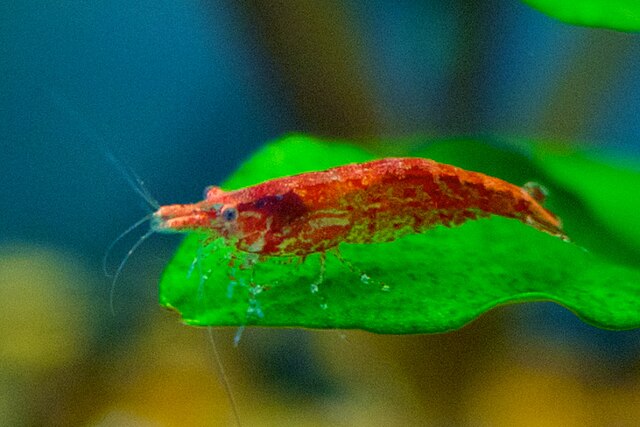
At 2–3 cm in body length, they breed in pure freshwater, so their numbers multiply steadily in the tank. With many color variations—red cherry shrimp, yellow shrimp, blue velvet, and others—collecting them as colored shrimp is also popular. Because they're small, they're easily eaten by fish, making fish selection especially important when attempting cohabitation.
Bee Shrimp (Crystal Red & Crystal Black)
At 1.5–2.5 cm in body length, their red-and-white or black-and-white contrast is striking, and price varies significantly by grade (color pattern). They have very strict water quality requirements, with soft, slightly acidic conditions and TDS (total dissolved solids) management in soil tanks being essential. Because of the complexity involved in breeding them, bee shrimp keeping has become established as its own "hobby category."
Choosing Fish Safe for Cohabitation
The most important factors in shrimp-fish cohabitation are "mouth size" and "feeding habits." Small fish unable to fit shrimp in their mouths, or herbivorous and detritivorous fish, can coexist relatively safely.
Fish Species
Compatibility
Reason
Otocinclus
◎
Completely herbivorous; tiny sucker-like mouth; indifferent to shrimp
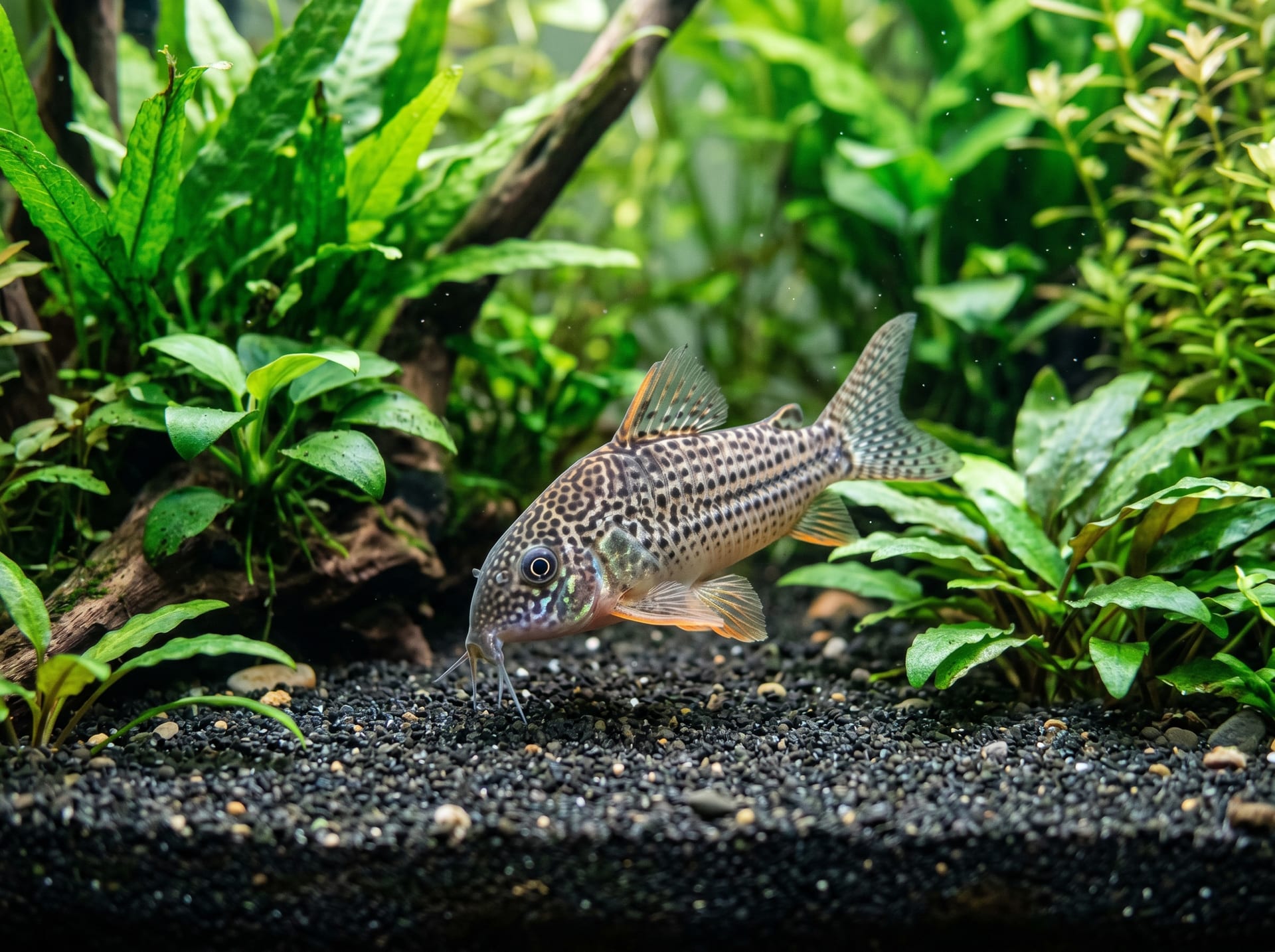
Corydoras
○
Eats leftover food on tank floor; usually indifferent to shrimp
Small Rasboras (Harlequin, Dwarf)
○
Small mouth; won't eat adult shrimp. Use caution with shrimplets
Medaka
△
Ignores adult shrimp but may consume shrimplets
Otocinclus in particular are so compatible they're sometimes called "shrimp tank guardians," and they also help with algae control. Small rasboras, too, have small mouths and gentle temperaments, so mixed-species setups with colored shrimp are common. However, there's always some risk that any fish may consume shrimplets (freshly born, tiny individuals). If breeding is your goal, consider cohabitation very carefully.
Dangerous Fish to Avoid in Cohabitation
Now let's confirm which fish should never share a tank with shrimp. All of these either "actively target shrimp" or "eat anything that fits in their mouths."
Fish Species
Danger Level
Reason
Betta
★★★
Actively pursue and hunt shrimp
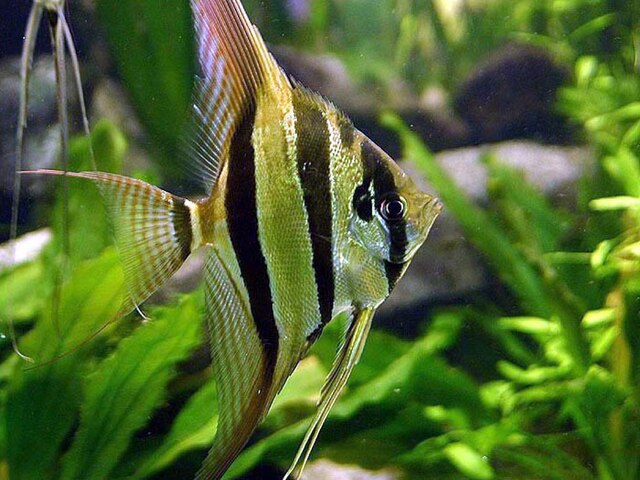
Angelfish
★★★
Will eat anything that fits in their mouth
Gouramis (Large Species)
★★★
Prefer to eat shrimp. Three-spot gourami in particular requires caution
Large Tetras (Blue Tetra, etc.)
★★
May target both shrimplets and adults
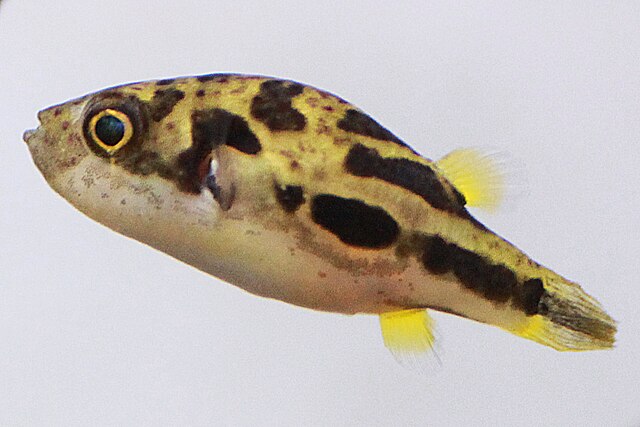
Dwarf Pufferfish
★★★
Crustaceans are their primary diet. Shrimp are the top target
Even gouramis and tetras, often described as "gentle," actively hunt shrimp depending on the species. Always confirm whether there's a track record of successful cohabitation with shrimp before purchasing.
Creating an Environment for Successful Breeding
For serious shrimp breeding, the most reliable approach is a dedicated shrimp-only tank. You can optimize the environment for shrimp by increasing hiding places and managing water quality.
Water Quality and Substrate Setup
Substrate: Use aquatic soil; maintain slightly acidic conditions (pH 6.5–7.0) and soft water (TDS around 100–150)
Water Temperature: 22–26°C is ideal. High summer temperatures (28°C and above) are harmful to shrimp
Water Changes: Once weekly, about 10–15% of total volume. Large water changes cause rapid quality shifts and should be avoided
Dechlorinator: Choose a type that removes not just chlorine but also heavy metals
Using Hiding Places and Aquatic Plants
Fine, fibrous plants like willow moss, java moss, and marimo serve as hiding places and spawning sites for shrimp. Especially after shrimplets are born, they need environments where they can quickly hide even without predators present. Combining stones and driftwood to add complexity to the layout increases aesthetic appeal—two benefits in one.
Filter Selection
Use a sponge filter as standard to prevent shrimplets from being sucked up. If using an external filter, attaching a sponge cover to the intake is essential. Strong water flow stresses shrimp, so maintain a gentle current.
Signs of Gravidity and Hatching
A female carrying green or gray eggs on her abdomen is a sign of gravidity. The hatching period varies with water temperature, but roughly 3–4 weeks at around 25°C is typical. During this time, keep water changes minimal and prioritize water quality stability.
BreederDirect's Safety and Assurance System
Freshwater shrimp, particularly bee shrimp and high-grade colored shrimp, vary greatly in quality depending on the vendor. Shops often make it difficult to confirm lineage or rearing environment details, and troubles like "the grade wasn't what I expected" or "they arrived weak" are not uncommon.
On BreederDirect, shrimp breeders sell directly with full transparency about their rearing environment, substrate used, water quality data, and lineage. You can ask breeders questions before purchasing and choose based on information like "what water conditions they're raised in" and "what generation they are."
Additionally, since breeders sell directly without middlemen, shrimp experience minimal stress—a major advantage. You get an environment where individuals acclimate easily upon arrival. If you want to enrich your home shrimp breeding, we encourage you to find a trusted breeder on BreederDirect.