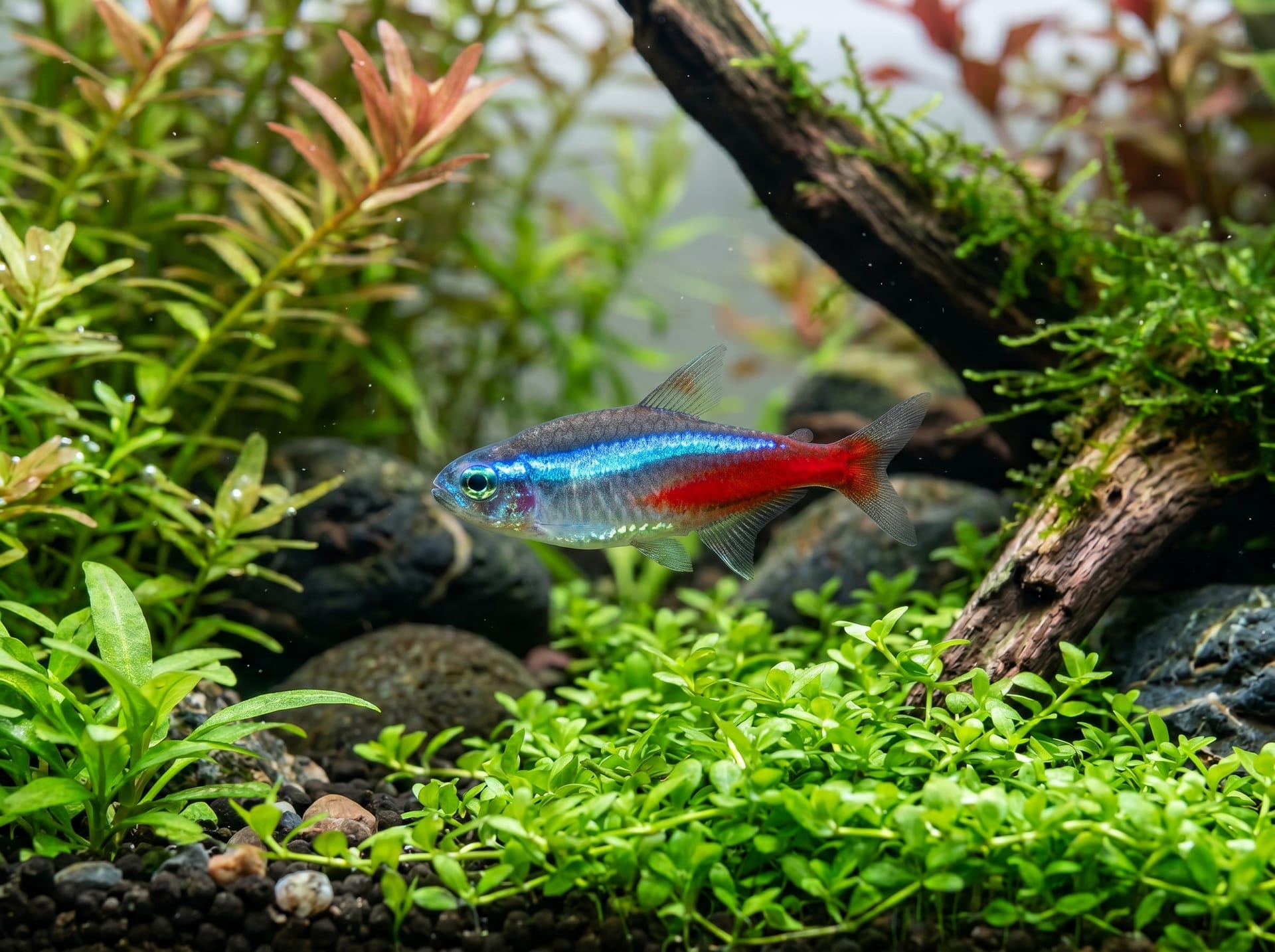
Tetra / Characin
Tetras and characins are a diverse group of small tropical fish native to South America and Africa, celebrated for their vibrant colors — from the iconic Neon Tetra to the striking Cardinal Tetra. Their peaceful temperament makes them excellent community fish, and their schooling behavior creates a captivating display in any aquarium. With many hardy species available, they are an ideal choice for beginner fishkeepers.
0% commission on your first sales!Register by September 30, 2026 and your first 2 sales are commission-free!
Breeder Wanted!
List on BreederDirect and sell directly to customers nationwide!
Our 6 Transparency Commitments
All Tropical Fish listings include water quality, temperament, and tank size information from verified Breeder.
- Origin Disclosed
- Real Photos
- Water Quality Disclosed
- Recommended Tank Size
- Temperament Disclosed
- Breed Line Disclosed
Browse all 27 breeds
Water Type
Care Level
Verified breeders wanted for Tropical Fish
Breeders are signing up now ahead of launch. Subscribe to be notified when new listings go live.
Getting alerts is free with a member account. When new listings match your saved search, we'll notify you by email and in-app.
Browse other categories
Verified breeders (preview)
Are you raising tropical fish?
Register as a breeder and connect with buyers directly.
Apply as a breederAbout Tetra / Characin
Tetras and characins belong to the order Characiformes and encompass hundreds of small tropical fish species native primarily to the Amazon River basin in South America and the Congo River basin in Africa. In the wild, they inhabit shaded forest streams and shallow lakes. The neon tetra, with its iconic fluorescent blue and red stripe, was introduced to the Western hobby in the 1950s and has since become one of the most recognized aquarium fish worldwide. Most species measure just 3–6 cm, yet their vivid coloration and the mesmerizing sight of a tight school turning in perfect unison make them a centerpiece in any planted tank. Their temperament is consistently gentle, with little territorial aggression, making them compatible with a wide range of similarly sized, peaceful species. They adapt reasonably well to a variety of water conditions, and with proper filtration and regular partial water changes, long-term care is very manageable. Adding driftwood and live plants to the aquarium replicates their natural habitat and further enhances both their colors and natural behavior.
7 things to know before welcoming a Tetra / Characin
1Keep Them in Schools
Tetras are naturally schooling fish and thrive best when kept in groups of at least 6 to 10 individuals of the same species. Smaller numbers can cause stress, leading to faded coloration and shy behavior. Keeping a proper school brings out their natural beauty and dynamic swimming patterns.
2Prefer Slightly Acidic Water
Most tetras and characins prefer slightly acidic to neutral water (pH 6.0–7.0) with low to moderate hardness. Species like the Neon and Cardinal Tetra may show duller colors and reduced vitality in harder, more alkaline conditions. If using tap water, check pH and hardness, and adjust with peat or a dedicated water conditioner if needed.
3Ideal Temperature: 24–28°C
Most tetra and characin species thrive at water temperatures between 24–28°C (75–82°F). Sudden temperature fluctuations are a common trigger for ich and other diseases, so using a reliable heater with a thermostat is essential. Pay close attention to temperature differences during water changes and seasonal transitions.
4Choose Tankmates Carefully
While tetras are peaceful, avoid housing them with large predatory fish or fin-nipping species. They coexist well with other calm, similarly sized fish such as corydoras, guppies, and rasboras. Be cautious when introducing territorial species like bettas, and always monitor behavior after adding new tankmates.
5Feed Small-Sized Foods
Tetras have small mouths, so flake food or micro-pellets are most suitable as a staple diet. Supplementing a few times a week with live or frozen foods like brine shrimp or bloodworms can significantly enhance their coloration. Feed once or twice daily in amounts they can consume within 2–3 minutes, and promptly remove any uneaten food to maintain water quality.
6Watch Out for Ich
Ich (white spot disease) is one of the most common ailments affecting tetras, appearing as small white dots on the body and fins. It is often triggered by temperature drops or stress, making stable water conditions the best prevention. When introducing new fish, quarantine them in a separate tank for 1–2 weeks before adding them to the main aquarium to reduce the risk of disease transmission.
7Estimated Costs to Consider
Many tetra and characin species are affordably priced at roughly 100–500 yen per fish, making them budget-friendly to stock. Initial setup costs for a 45–60 cm tank, filter, heater, and lighting typically range from 10,000 to 30,000 yen. Ongoing monthly expenses for food, electricity, and water-change supplies generally fall in the 2,000–5,000 yen range.
Frequently asked questions about Tetra / Characin
- Q.How many tetras should I start with?
- A.A minimum of six fish is generally recommended. Smaller groups can cause stress, leading to faded colors and hiding behavior. Starting with around ten fish, if space allows, will showcase their schooling behavior at its best.
- Q.What is the difference between neon and cardinal tetras?
- A.The main difference is the extent of the red stripe. In neon tetras, red coloration covers only the rear half of the body, while in cardinal tetras it extends across the entire belly, giving a more vivid appearance. Cardinals prefer slightly more acidic water and require a little more attention to water chemistry.
- Q.Can tetras be kept with goldfish?
- A.It is not recommended. Goldfish thrive in cooler water (around 10–25°C), while tetras need warmer temperatures of 24–28°C. Because their optimal temperature ranges differ significantly, keeping them together places undue stress on one or both species.
- Q.What is the typical lifespan of tetras?
- A.With proper care, most tetra species live approximately 2–5 years. Stable water quality, a balanced diet, and avoiding overcrowding are the key factors in extending their lifespan.
- Q.Why have my tetras' colors faded?
- A.Common causes include stress, poor water quality, nutritional deficiency, and being kept in too small a group. Start by performing a water change and checking water parameters. If the group is small, consider adding more of the same species. Lighting duration and the availability of hiding spots can also influence coloration.
Useful tools for Tetra / Characin care
Tetra / Characin related articles
Betta Fish Tank Mates Guide | Compatible Fish, Incompatible Fish, and Tips for Success
A comprehensive guide to keeping Bettas with other tropical fish. We introduce compatible species like Neon Tetras, Corydoras, and Amano Shrimp, as well as species to avoid such as Sumatra Barbs and Guppies, with detailed explanations of why. Also includes practical advice on layout and tank size for successful community setups.
Complete Guide to South American Aquariums: Breeding and Care of Neon Tetras and Corydoras
This guide explains how to build a South American aquarium centered on Neon Tetras and Corydoras. It covers recreating a blackwater environment, managing low pH and soft water, breeding Neon Tetras in schools, and raising Corydoras fry from spawning—all with practical, hands-on approaches.
Green Neon Tetra Care Guide | Differences from Neon Tetras, Water Quality, and the Beauty of Schooling
A detailed guide to caring for the smaller and more beautiful green neon tetra (Paracheirodon simulans). Covers the differences between green neon tetras, neon tetras, and cardinal tetras, how to create optimal weakly acidic soft water, tank layouts that showcase schooling behavior, and breeding basics—a complete guide to enjoying green neon tetras.
Complete Guide to Keeping Congo Tetras | Water Quality Management and Tank Mates for These Shimmering Rainbow-Colored Large Characins
The Congo Tetra is a large, beautiful characin from the Congo River. As a schooling fish with iridescent scales that shimmer in rainbow colors, we explain the secrets to bringing out its true beauty through soft, slightly acidic water quality management and careful selection of compatible tank mates.
Rummy Nose Tetra Care Guide | Water Quality Management and Schooling Techniques for These Beautiful Red-Headed Schooling Fish
A beginner's guide to caring for Rummy Nose Tetras with their striking red heads and black-and-white striped tail fins. Learn the number of fish, tank size, water quality management needed to showcase beautiful schooling, plus detailed methods for checking body color as a health indicator.
Beginner's Guide to Caring for Characins (Tetras) | 10 Popular Species and Basic Tank Management
A beginner's guide to caring for Characins (Tetras), a staple group of tropical fish. This comprehensive guide covers the characteristics of 10 popular species including Neon Tetras, Cardinal Tetras, and Glowlight Tetras, as well as proper tank size, water parameters, compatibility with other species, and feeding guidelines.
More in this category
Can't find the one you're looking for?
Post your wishes for free and breeders with matching animals will contact you with introductions.