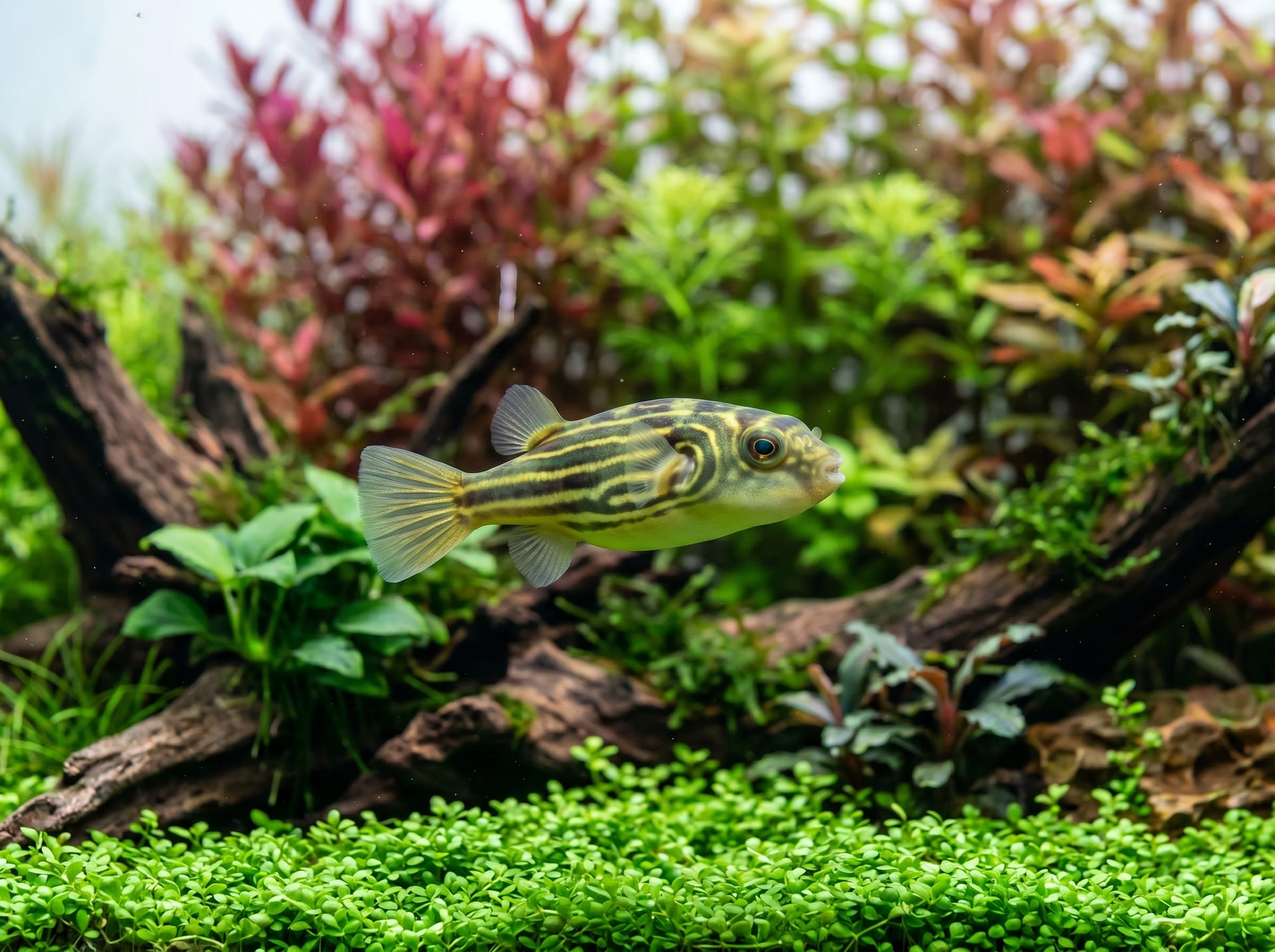
Freshwater Puffer
Freshwater puffers are unique fish adapted to freshwater or brackish environments, and their round, chubby bodies and expressive eyes make them a favorite among aquarium enthusiasts. They are notably intelligent, often recognizing their owners and approaching the glass at feeding time. However, their sharp beaks and territorial nature require careful consideration before adding them to a tank.
0% commission on your first sales!Register by September 30, 2026 and your first 2 sales are commission-free!
Breeder Wanted!
List on BreederDirect and sell directly to customers nationwide!
Our 6 Transparency Commitments
All Tropical Fish listings include water quality, temperament, and tank size information from verified Breeder.
- Origin Disclosed
- Real Photos
- Water Quality Disclosed
- Recommended Tank Size
- Temperament Disclosed
- Breed Line Disclosed
Browse all 27 breeds
Water Type
Care Level
Verified breeders wanted for Tropical Fish
Breeders are signing up now ahead of launch. Subscribe to be notified when new listings go live.
Getting alerts is free with a member account. When new listings match your saved search, we'll notify you by email and in-app.
Browse other categories
Verified breeders (preview)
Are you raising tropical fish?
Register as a breeder and connect with buyers directly.
Apply as a breederAbout Freshwater Puffer
Freshwater puffers are a diverse group within the family Tetraodontidae that have adapted to rivers, lakes, and brackish environments rather than the ocean. They are found across Southeast Asia, Africa, and South America, with popular species including the dwarf puffer (Carinotetraodon travancoricus), figure-eight puffer, and South American puffer. Body size ranges from just a few centimeters to over 30 cm depending on the species, but all share the family's signature round body and expressive face. Like their marine cousins, they can inflate their bodies when threatened, and some species carry toxins in their skin. In temperament, they are highly curious and territorial — full of personality even when kept alone. What truly sets them apart for aquarists is their remarkable ability to recognize their keeper and respond with visible enthusiasm, a level of interactivity rarely seen in fish. Once experienced, their charm is difficult to forget.
7 things to know before welcoming a Freshwater Puffer
1Tankmates Are Risky
Freshwater puffers are territorial and will often nip the fins or bodies of other fish with their sharp beaks. Single-species or solo setups are generally recommended, and any attempts at cohabitation require careful observation of individual compatibility.
2Beak Trimming Needed
The beak of a freshwater puffer grows continuously throughout its life. Providing hard foods such as snails or small crustaceans regularly helps wear it down naturally. Overgrown beaks can prevent the fish from eating, so diet management is an important part of care.
3Water Quality Matters
Water requirements vary by species — some puffers thrive in pure freshwater while others, like the green spotted puffer, need brackish conditions. Always confirm the specific needs of your chosen species before setting up the tank to avoid health issues.
4Live or Frozen Foods Best
Freshwater puffers are often reluctant to eat dry or pellet foods, and most do best on live or frozen foods such as bloodworms, daphnia, or snails. While some individuals can be trained to accept prepared foods, this requires patience and is not always successful.
5Right Tank Size Counts
Small species like the Amano puffer can be kept in tanks of 20–30 liters, but medium to large species need 60 liters or more. Providing open swimming space along with driftwood or rocks for shelter helps reduce stress and supports natural behavior.
6Personality Varies Widely
Even within the same species, individual puffers can vary greatly in aggression and willingness to interact with humans. Observing the specific fish at the shop — checking that it is active and eating — is one of the best ways to choose a healthy, long-term companion.
7Know the Setup Costs
Initial setup costs including a tank, filter, heater, and water testing kit typically range from around 10,000 to 30,000 yen even for small species. Brackish water species also require marine salt mix, so factor in ongoing supply costs when planning your budget.
Frequently asked questions about Freshwater Puffer
- Q.Can freshwater puffers be kept in pure freshwater?
- A.It depends on the species. Dwarf puffers and South American puffers do well in pure freshwater, while species like the figure-eight puffer require brackish conditions. Always research the specific needs of the species you intend to keep before setting up your aquarium.
- Q.Can puffers be kept with other fish?
- A.Mixed-species tanks are generally not recommended. Freshwater puffers are aggressive fin-nippers and tend to harass or injure tank mates. If you want to attempt cohabitation, choose a spacious tank and select only robust, fast-moving species — and be prepared to separate them if problems arise.
- Q.What should I feed a freshwater puffer?
- A.Good staple foods include bloodworms, krill, snails, and clams. Snails are especially useful because chewing on the shells helps keep the beak worn down. Some individuals can be conditioned to eat prepared pellets, but a diet centered on live or frozen meaty foods is ideal for long-term health.
- Q.How long do freshwater puffers live?
- A.Lifespan varies by species and care, but many freshwater puffers can live 5–10 years under good conditions. Consistent water quality, a varied diet, and stress-free housing are the key factors in achieving a long, healthy life.
- Q.Are freshwater puffers suitable for beginners?
- A.Freshwater puffers can be kept by beginners who have some experience with aquarium maintenance, but their specific dietary needs, water quality requirements, and beak care make them more demanding than typical starter fish. The dwarf puffer (Carinotetraodon travancoricus) is often recommended as the most approachable entry-level species.
Useful tools for Freshwater Puffer care
Freshwater Puffer related articles
See more Freshwater Puffer articles →More in this category
Can't find the one you're looking for?
Post your wishes for free and breeders with matching animals will contact you with introductions.