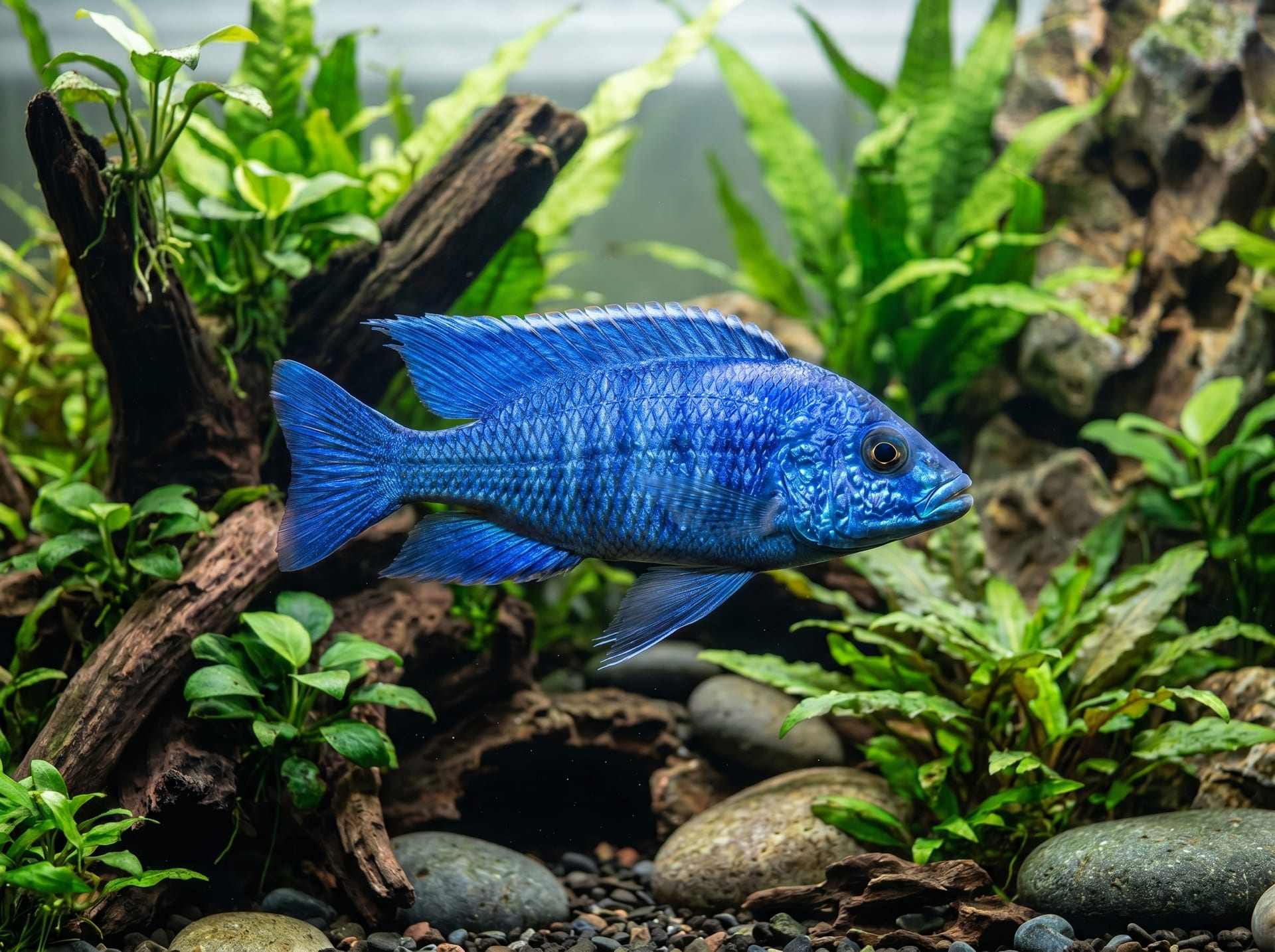
African Cichlid
African cichlids are vibrantly colored tropical fish native to the great lakes of the African continent. Known for their bold, territorial personalities, they bring dynamic energy and vivid color to any aquarium. With hundreds of species to choose from, they are a favorite among freshwater fish enthusiasts.
View African Cichlid encyclopedia →0% commission on your first sales!Register by September 30, 2026 and your first 2 sales are commission-free!
Breeder Wanted!
List on BreederDirect and sell directly to customers nationwide!
Our 6 Transparency Commitments
All Tropical Fish listings include water quality, temperament, and tank size information from verified Breeder.
- Origin Disclosed
- Real Photos
- Water Quality Disclosed
- Recommended Tank Size
- Temperament Disclosed
- Breed Line Disclosed
Browse all 27 breeds
Water Type
Care Level
Verified breeders wanted for Tropical Fish
Breeders are signing up now ahead of launch. Subscribe to be notified when new listings go live.
Getting alerts is free with a member account. When new listings match your saved search, we'll notify you by email and in-app.
Browse other categories
Verified breeders (preview)
Are you raising tropical fish?
Register as a breeder and connect with buyers directly.
Apply as a breederAbout African Cichlid
African cichlids are a diverse group of freshwater fish originating primarily from three of Africa's great lakes: Lake Tanganyika, Lake Malawi, and Lake Victoria. Millions of years of geographic isolation drove explosive speciation, resulting in hundreds of recognized species today. Their colors span vivid blues, yellows, oranges, and reds, and even the same species can display striking regional color variations. Most are active and territorial by nature, making in-tank behavioral observation a highlight of keeping them. While they require alkaline, hard water and thoughtful tankmate selection to manage their aggression, African cichlids are hardy fish that adapt well once their environment is established. Their readiness to breed in captivity adds another rewarding dimension to the hobby, making them a perennial favorite among dedicated freshwater enthusiasts.
4 things to know before welcoming a African Cichlid
1Water Quality Is Key
African cichlids thrive in alkaline, hard water with a pH of 7.8 to 8.5. Using crushed coral substrate or pH buffers helps maintain stable water chemistry. Regular water testing is essential, as poor water quality quickly leads to stress and disease.
2Territorial Aggression
Most African cichlids are strongly territorial, and males especially can become aggressive during breeding. Providing plenty of hiding spots such as rocks and caves helps distribute aggression. Introducing multiple fish of similar size at once can also reduce targeted bullying.
3Tank Size Matters
Even smaller species require at least a 60 to 90 cm tank, while larger species or group setups benefit from 120 cm or more. Overcrowding degrades water quality and intensifies aggression. Larger tanks also provide more stable water parameters, making maintenance easier.
4Diet and Feeding
Dietary needs vary by species, ranging from herbivorous to carnivorous. A quality cichlid pellet forms a good base, supplemented with species-appropriate foods. Overfeeding animal protein to herbivorous species can cause bloat, so choose spirulina-rich or vegetable-based foods for those varieties.
Frequently asked questions about African Cichlid
- Q.Can beginners keep African cichlids?
- A.African cichlids are better suited to hobbyists with some prior fishkeeping experience, as water chemistry management and aggression control require attention. That said, hardy beginner-friendly species exist, and with proper setup most motivated newcomers can succeed.
- Q.Can they be kept with other tropical fish?
- A.Mixing African cichlids with small, peaceful fish like guppies or tetras is generally not recommended due to their aggressive nature. Tankmates of similar size and temperament, including other cichlids from the same lake, tend to fare much better.
- Q.How often should I do water changes?
- A.A weekly water change of 20 to 30 percent of the tank volume is a standard guideline. Heavily stocked tanks or those with larger species may require more frequent changes. Always treat replacement water to match the tank's pH and hardness to avoid sudden parameter swings.
- Q.What is their lifespan?
- A.Lifespan varies by species, but many African cichlids live 8 to 15 years under good care. Stable water quality and a well-balanced diet are the most important factors in ensuring a long, healthy life.
- Q.What size tank do African cichlids need?
- A.A 60 to 90 cm tank is the minimum for smaller species, while groups or larger species benefit from a 120 cm tank or more. Larger tanks maintain more stable water parameters and help disperse territorial aggression among fish.
Useful tools for African Cichlid care
Learn more about African Cichlid in the encyclopedia
View African Cichlid encyclopedia entry →
Care difficulty, lifespan, size and diet — all basics covered.
African Cichlid related articles
Victoria Lake Cichlid Care Guide | Introduction and Management of Colorful African Cichlids
Explaining the care methods for Victoria Lake cichlids with unique appeal distinct from Tanganyika and Malawi varieties. We cover the characteristics of representative species, water quality management, precautions for mixed-species tanks, and breeding.
African Cichlid Tank Layout Guide | Rock Arrangement and Substrate Design by Tanganyika and Malawi Origin
A guide to optimal tank layouts for African cichlid keeping by origin. This article covers the differences in rock arrangement, substrate, and water flow design between Tanganyika Lake species (shell brooders, etc.) and Malawi Lake Mbuna, along with practical layout examples.
African Cichlid Care Guide | The World of Tanganyika and Malawi Lake Fish
Explains care methods for African cichlids native to Lakes Tanganyika and Malawi. Covers how to create alkaline hard water, dealing with territorial behavior, and breeding techniques for mouthbrooding reproduction.
African Cichlid Color Genetics | OB Morph and Hybridization Management
An explanation of African cichlid color genetics. Introduction to OB morphs, blotch inheritance, and hybridization prevention management methods.
More in this category
Can't find the one you're looking for?
Post your wishes for free and breeders with matching animals will contact you with introductions.