African Cichlid Color Genetics | OB Morph and Hybridization Management
An explanation of African cichlid color genetics. Introduction to OB morphs, blotch inheritance, and hybridization prevention management methods.
Key Takeaways
An explanation of African cichlid color genetics. Introduction to OB morphs, blotch inheritance, and hybridization prevention management methods.
Related Species
Introduction to African Cichlid Color Genetics | Fundamentals of OB Morph and Hybridization Management
The East African rift valley lakes—Lake Malawi, Lake Tanganyika, and Lake Victoria—are irreplaceable "natural laboratories" for understanding fish evolution. The Mbuna and Peacock cichlids from Lake Malawi, in particular, display dramatic color variation within a single species, and their genetic diversity has captured the attention of both researchers and breeders alike.
This article provides an accessible explanation for beginners, from the basics of African cichlid color genetics to the inheritance patterns of the famous OB (Orange Blotch) morph, and finally to hybridization management techniques for preserving breed purity.
Why African Cichlid Colors Are So Diverse
Lake Malawi is home to an estimated 500–1,000 cichlid species, a result of what is called "explosive speciation." As each isolated rocky reef environment developed its own fixed color pattern, members of the same genus in different habitats came to look dramatically different.
Color formation involves mainly the following pigment cells:
Melanophores: Pigment cells responsible for black and brown coloration. Essential for the formation of blotches and stripe patterns.
Xanthophores: Produce yellow to orange coloration.
Iridophores: Reflective cells that create metallic blue and silver hues through light interference.
The combination of these pigment cells and the genetic diversity controlling them is what produces the remarkable color variations found in African cichlids.
What Is OB Morph? | The Most Famous Color Variation
The OB (Orange Blotch) morph is characterized by an orange-to-yellow body with irregular black blotches scattered across it—a color pattern that exists in nature in Lake Malawi. It is particularly common in Mbuna species (genera Melanochromis, Pseudotropheus, etc.).
✍️
BreederDirect Editorial
The BreederDirect editorial team specializes in care information for animals, covering veterinary care and breeding to deliver beginner-friendly guides.
Find Tropical Fish on BreederDirect
Buy directly from verified breeders
Browse Related Listings
Find Tropical Fish listings related to this article on BreederDirect. Buy directly from verified breeders.
Related Tools
Related Articles
Browse by Category
🪸Coral
🐠Marine Fish
🐟Tropical Fish
🐡Goldfish
🐟Medaka
🦎Reptiles
Share
OB Inheritance Pattern
The OB pattern is controlled by a dominant allele (OB allele) at the W locus. Importantly, this is connected to the ZW sex determination system found in birds and some fish species:
Males: ZZ type (two Z sex chromosomes)
Females: ZW type (one Z and one W sex chromosome)
Because the OB allele is located on the W chromosome, it tends to express stably only in females. This explains why OB morphs are overwhelmingly more common in females.
OB Males
OB males are born occasionally, likely due to the involvement of recessive modifier genes. Normally, OB expression is suppressed in males, so OB males are treated as exceptional breeding patterns. Some breeders may emphasize "OB males" as rare specimens; however, using them for breeding without understanding their genetic background can produce unexpected phenotypes, so caution is warranted.
Predicting Ratios from Crosses
In crosses of OB females × normal males, approximately 50% of the F1 generation should be OB females and the remaining 50% normal males (ZZ)—under the ZW model, not all F1 will be female. By utilizing this ratio, you can strategically increase or maintain OB percentages. Keeping records across generations will also improve the accuracy of future pairing selections.
Representative Color Patterns and Their Genetic Characteristics
Blue Mbuna (Stripes and Bars)
Blue varieties exemplified by Demasoni (Pseudotropheus demasoni) and Solosi are characterized by blue and black stripes. These typically exhibit sexual dimorphism, with only males displaying vibrant blue coloration while females remain dull silver-gray. The brilliance of body color is closely linked to male sexual signaling, and it is believed that some color-determining genes are linked to sex chromosomes.
Yellow Types (Labidochromis caeruleus)
Labidochromis caeruleus, known by the common name "Electric Yellow," has a relatively simple genetic structure and is well-known for stable yellow color fixation. Breeding pure yellow individuals together yields a high probability of yellow offspring, though occasionally albino-tendencies may appear. Males characteristically display black submarginal bands on the dorsal and caudal fins.
Peacock Types (Aulonocara)
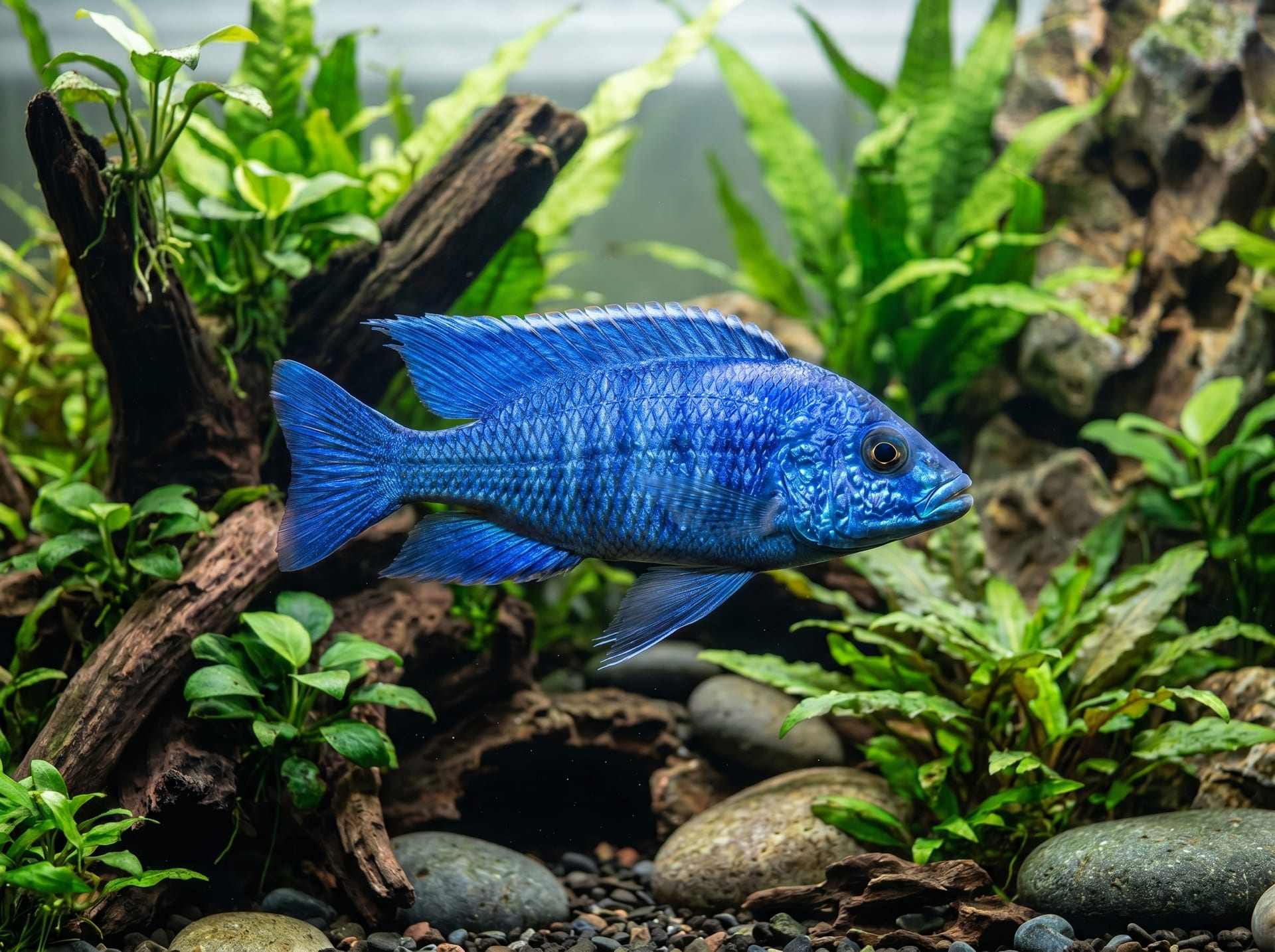
Aulonocara peacock cichlids possess exceptionally rich coloration—metallic blue, orange, yellow, and more. However, reproductive isolation between subspecies is weak, making hybridization between different subspecies and color variants extremely easy. F1 offspring from crosses typically display intermediate coloration, and in many cases they are difficult to distinguish by appearance alone.
Practical Management Methods for Preventing Hybridization
One of the greatest challenges in Lake Malawi cichlid keeping is "hybridization." If fish originate from the same lake, breeding is often possible even between different genera or species, and unintended hybridization occurs easily in community tanks. Maintaining purity requires the following management practices:
Tank Separation and Species Management
One species (or subspecies) per tank is the basic rule: Breeding tanks should contain only a single species as a principle.
Avoid mixing similar-looking species: Species with similar coloration or body shape carry high hybridization risk.
Limit the number of males: Multiple males in one tank cause intense territorial conflicts, sometimes preventing females from selecting a preferred male. The ideal structure is "one male to multiple females."
Individual Identification and Record-Keeping
Record the species name, origin, and source when acquiring or breeding individuals.
Exclude any unidentified or suspected hybrid individuals from your breeding line.
Tracking parental information from the fry stage makes future lineage tracing much easier.
Handling Hybrid Individuals
Should hybridization accidentally occur, avoid selling or transferring the resulting fry to other breeders. When hybrids enter the market, other breeders risk unknowingly using them as pure-breeds in their own breeding programs. To preserve quality in the African cichlid hobby as a whole, hybrid individuals must be strictly excluded from breeding.
BreederDirect's Commitment to Safety and Reliability
Purchasing individuals from breeders who correctly understand African cichlid color genetics and hybridization management is essential for enjoying the hobby long-term. Breeders listing on BreederDirect prioritize disclosure of lineage information, maintenance of breed purity, and healthy breeding environments. Buyers can ask questions directly to breeders on listing pages.
Questions like "What colors were this individual's parents?" or "What generation is this OB female's bloodline?" will be answered thoughtfully by experienced breeders. Direct-from-breeder sales without middlemen—a defining feature of BreederDirect—enable this level of transparency.
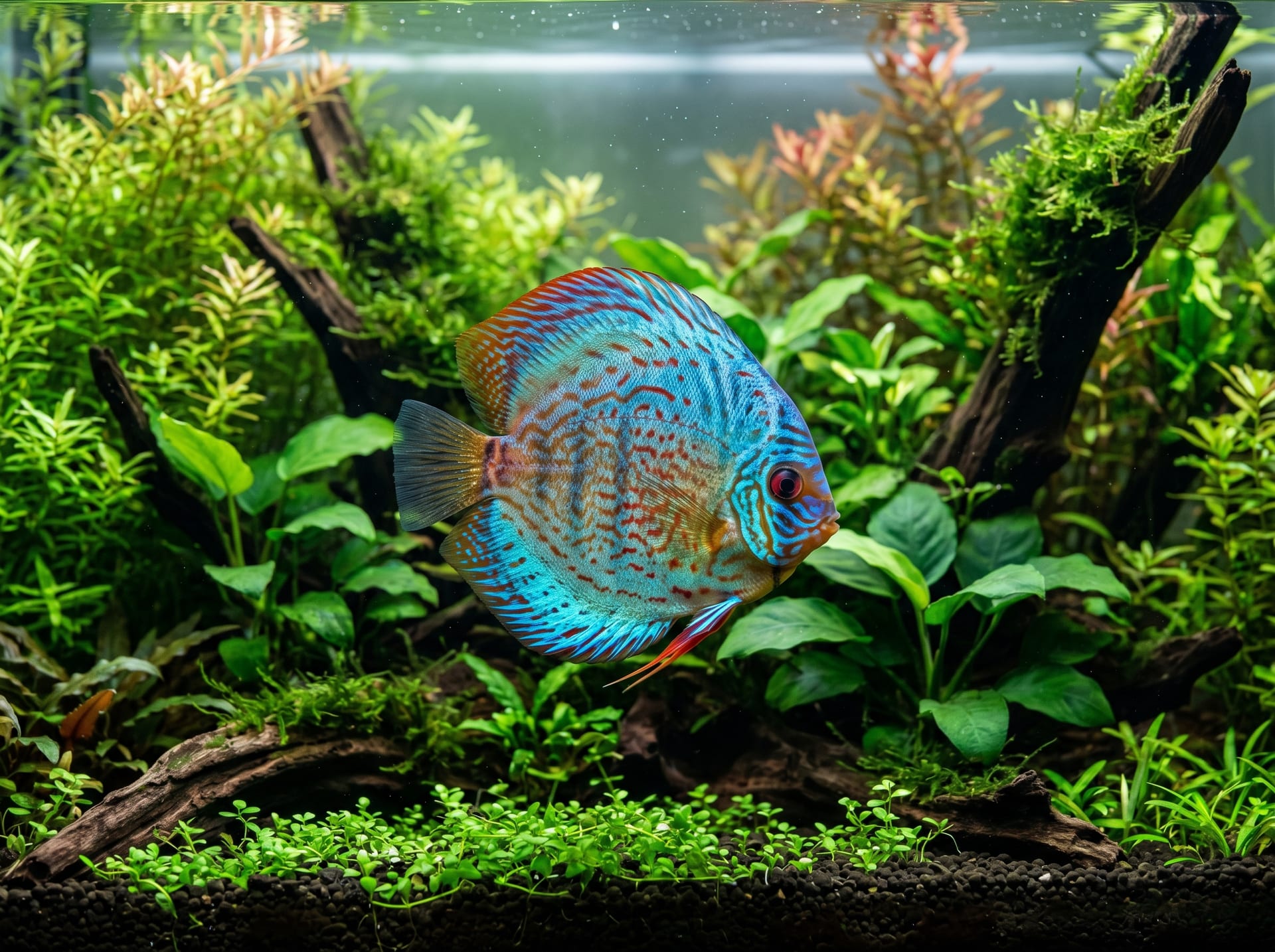
Beyond African cichlids, you'll also find breeders working with other cichlids possessing the same genetic diversity appeal, such as discus fish and flowerhorns. If you're seeking purebred African cichlids, be sure to explore BreederDirect and find a trustworthy breeder.