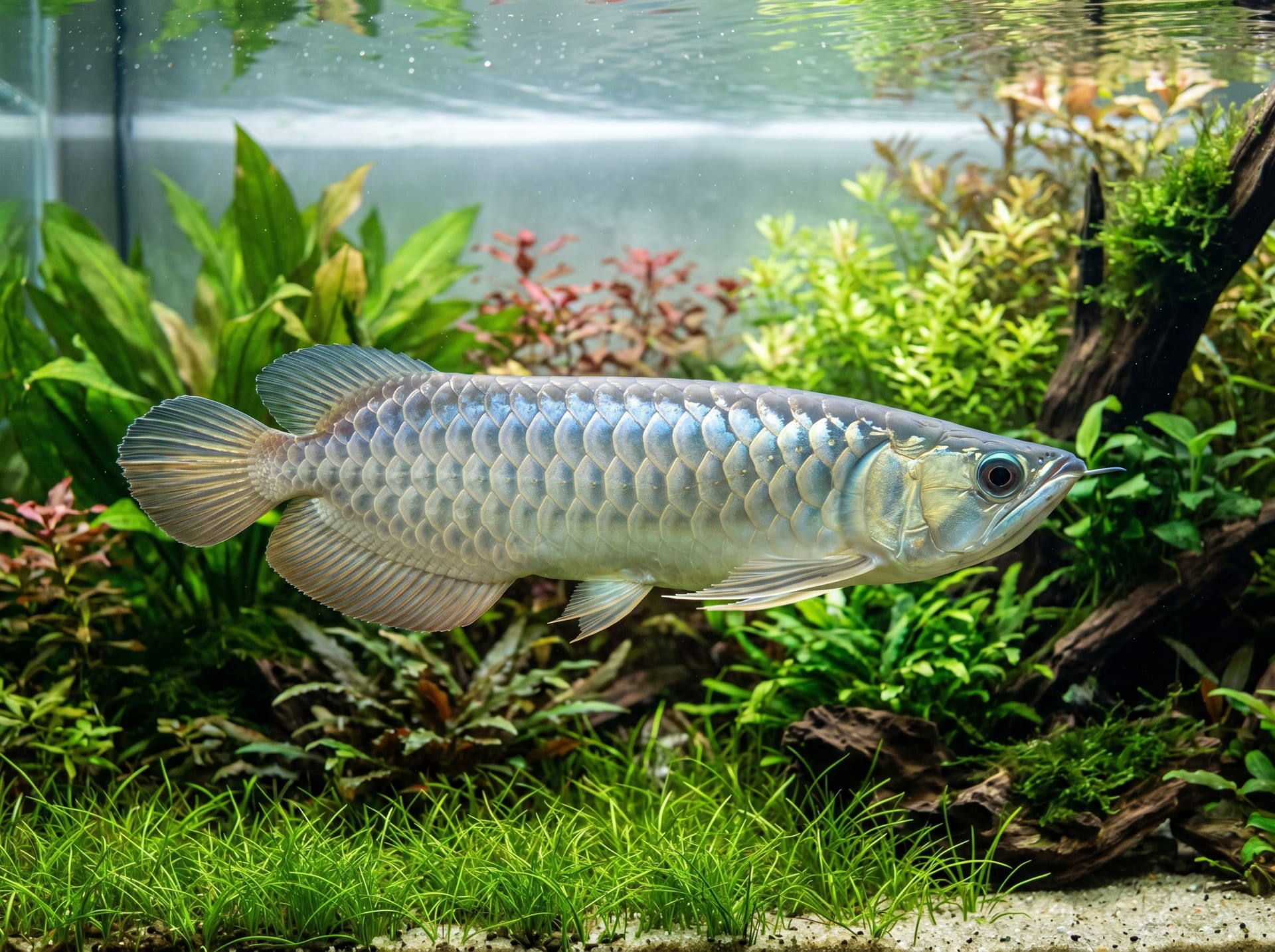
Arowana
King of ancient fish. Gold and red varieties are stunningly beautiful. Majestic swimming near the surface is breathtaking.
View Arowana encyclopedia →0% commission on your first sales!Register by September 30, 2026 and your first 2 sales are commission-free!
Breeder Wanted!
List on BreederDirect and sell directly to customers nationwide!
Our 6 Transparency Commitments
All Tropical Fish listings include water quality, temperament, and tank size information from verified Breeder.
- Origin Disclosed
- Real Photos
- Water Quality Disclosed
- Recommended Tank Size
- Temperament Disclosed
- Breed Line Disclosed
Browse all 27 breeds
Water Type
Care Level
Verified breeders wanted for Tropical Fish
Breeders are signing up now ahead of launch. Subscribe to be notified when new listings go live.
Getting alerts is free with a member account. When new listings match your saved search, we'll notify you by email and in-app.
Browse other categories
Verified breeders (preview)
Are you raising tropical fish?
Register as a breeder and connect with buyers directly.
Apply as a breederArowana key facts
- Care level
- Advanced
- Lifespan
- 20-30 years
- Size
- 60-90cm
- Temperature
- 26〜30℃
- Diet
- Insects, crustaceans, small fish, pellets
- Tank
- 150cm+ large tank essential
- Temperature
- 26-30°C
- Jumping
- Powerful jumper — heavy lid essential
- Diet
- Carnivorous — balanced diet needed
- Notes
- CITES regulated — certificate verification required
About Arowana
Often called a "living fossil," the arowana has remained virtually unchanged for approximately 200 million years and is found across Asia, South America, and Australia. The Asian arowana (Scleropages formosus), native to Southeast Asia, is especially prized for its stunning color varieties—golden, red, and green—and has long been regarded as a symbol of good fortune and prosperity. Its large, lustrous scales create an almost armor-like appearance, and watching it glide effortlessly near the water's surface delivers a sense of majesty unlike any other aquarium fish. While temperament varies between individuals, arowanas generally have strong territorial instincts yet tend to bond closely with their keepers over time. For dedicated aquarists, the combination of extraordinary longevity and an unmatched presence makes the arowana one of the most rewarding fish to keep for a lifetime.
7 things to know before welcoming a Arowana
1Massive Tank Required
Adult arowanas can reach 60–90 cm, so a tank at least 180 cm wide is typically required. It is advisable to plan for adult size from the start rather than upgrading tanks repeatedly. Tank setups of this scale can exceed 200 kg, so check that your floor can support the weight beforehand.
2Watch Out for Jumping
Arowanas are powerful jumpers and escaping the tank is a common and fatal accident. Always use a well-fitting, securely fastened lid with no gaps. Take extra care during feeding and water changes to avoid leaving the tank open.
3Best Kept Alone
Arowanas are territorial and may attack tankmates, so single-specimen keeping is generally recommended. If mixing with other fish, choose species larger or faster than the arowana and ensure ample space. Individual temperaments vary, so introduce tankmates gradually and monitor closely.
4Water Quality Is Critical
Arowanas prefer soft, slightly acidic to neutral water (pH 6.5–7.5). As large fish, they produce significant waste, making a powerful filtration system and regular water changes essential. Sudden changes in water parameters can cause stress or illness, so always match temperature and chemistry when doing water changes.
5Check Legal Regulations
Asian arowanas (distinct from silver arowanas) are regulated under CITES (the Washington Convention), and trading or importing them without proper documentation is illegal. Always verify the species and supply chain before purchasing and obtain fish through legitimate channels. Regulations can change, so stay informed of the latest rules.
6Offer a Varied Diet
Arowanas are carnivores that naturally prefer live food such as insects, crustaceans, small fish, and earthworms. A diet of only live food may lack balance, so gradually training them to accept prepared pellets is recommended. Feed once or twice daily in amounts that leave no waste to protect water quality.
7Plan for Long-Term Costs
Beyond the initial purchase price of the fish, setup costs for a large tank, powerful filter, heater, and other equipment can be substantial. With a lifespan of 20–30 years, ongoing costs for electricity, food, and consumables add up significantly over time. Calculate the total long-term cost before committing to ownership.
Frequently asked questions about Arowana
- Q.What tank size do I need to keep an arowana?
- A.Given that adults can reach 60–90 cm, a tank at least 180 cm wide is the general minimum. Juveniles can be kept in smaller tanks temporarily, but arowanas grow quickly, so planning an upgrade early is strongly advisable.
- Q.Can I legally purchase an Asian arowana?
- A.The Asian arowana is listed on CITES Appendix I, prohibiting most international commercial trade. In Japan, only individually registered specimens may be legally sold. Always verify that the seller can provide a legitimate registration certificate before making any purchase.
- Q.Can arowanas be kept with other fish?
- A.Fish small enough to fit in an arowana's mouth are at risk of being eaten, so tank mates should be of comparable size. Individual aggression levels vary widely, however, so close observation is essential whenever new fish are introduced to the tank.
- Q.What should I feed my arowana?
- A.Arowanas are carnivores that eat insects, crustaceans, and small fish in the wild. In captivity, training them to accept high-quality pellets formulated for arowanas is ideal for balanced nutrition. Crickets, mealworms, and frozen shrimp can be offered as supplements, but relying solely on live food may lead to picky eating habits.
- Q.Can eye drop in arowanas be corrected?
- A.Once eye drop has developed, fully reversing the condition is generally considered difficult. Prevention is the best approach: feeding at or near eye level and covering the tank sides to reduce the fish's tendency to look downward at external movements are among the most commonly recommended strategies.
Useful tools for Arowana care
Learn more about Arowana in the encyclopedia
View Arowana encyclopedia entry →
Care difficulty, lifespan, size and diet — all basics covered.
Arowana related articles
Complete Guide to Silver Arowana Care: Choosing Large Tanks, Feeding, Growth Management, and Precautions
A detailed explanation of tank size, feeding methods, water quality management, and care during growth for silver arowana keeping. Covers jump prevention and lights-off management that beginners often struggle with.
Asian Arowana Care Guide: Legal Regulations, Tank Environment, and Food Selection
Essential knowledge for caring for Asian arowanas (dragon fish). This guide covers CITES registration acquisition, tank environment setup for fish exceeding one meter in length, feed types and feeding methods, and key points for color development management.
Beginner's Guide to Keeping Arowanas | Complete Explanation of Required Equipment, Water Quality, and Feeding
Explanation of large aquariums, filters, and temperature management essential for raising prehistoric arowanas. Introduction for beginners covering differences between silver arowanas and Asian arowanas, feeding methods, and care precautions.
More in this category
Can't find the one you're looking for?
Post your wishes for free and breeders with matching animals will contact you with introductions.