Asian Arowana Beginner's Care Guide | Legal Regulations, Tank Setup, and Feeding
This guide explains the essential knowledge for keeping Asian arowana (dragon fish). It covers the registration card under Japan's Act on Conservation of Endangered Species, tank setup for this large fish that reaches about 90cm, types of food and feeding methods, and tips for color enhancement.
Key Takeaways
This guide explains the essential knowledge for keeping Asian arowana (dragon fish). It covers the registration card under Japan's Act on Conservation of Endangered Species, tank setup for this large fish that reaches about 90cm, types of food and feeding methods, and tips for color enhancement.
Related Species
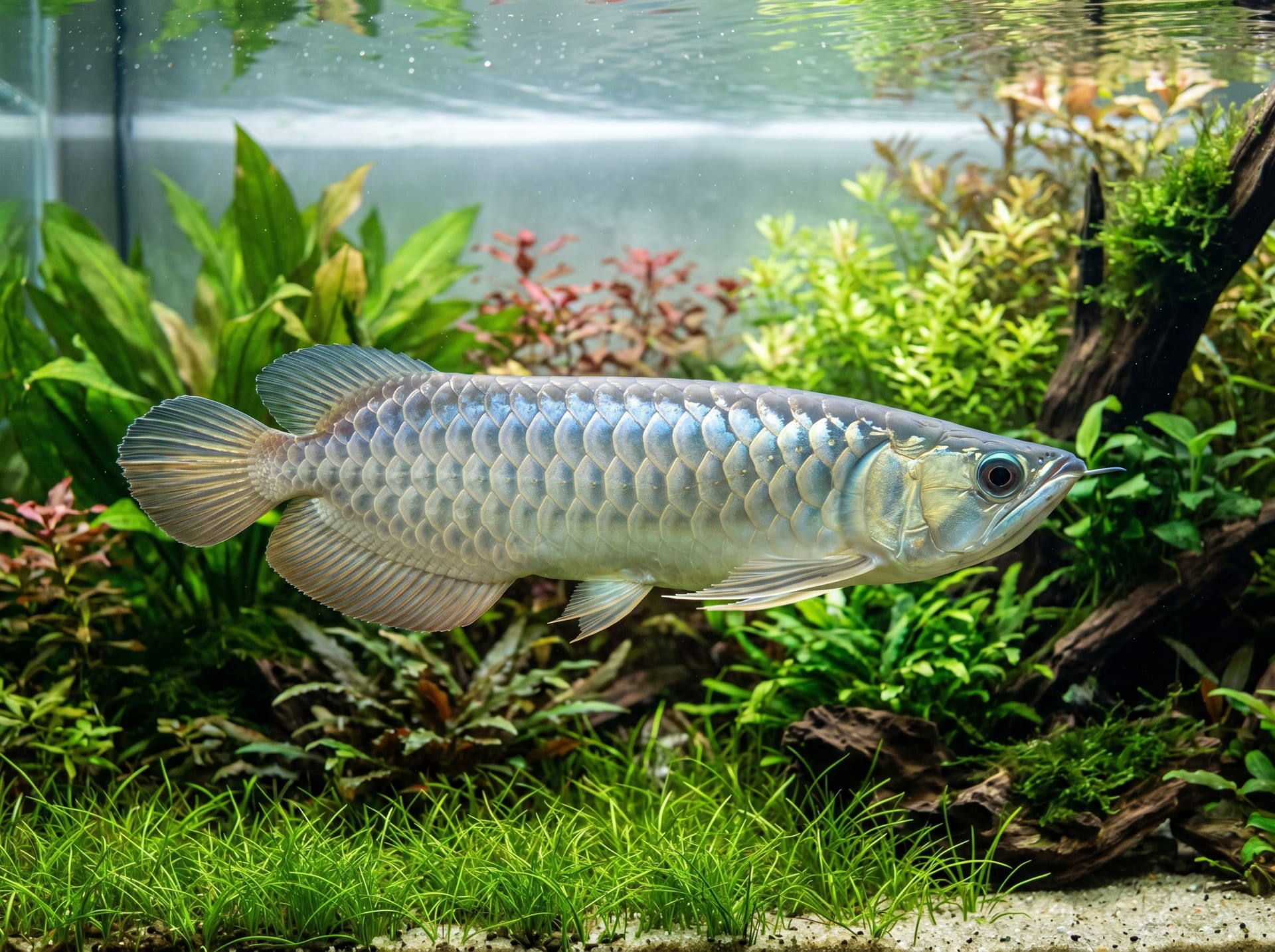
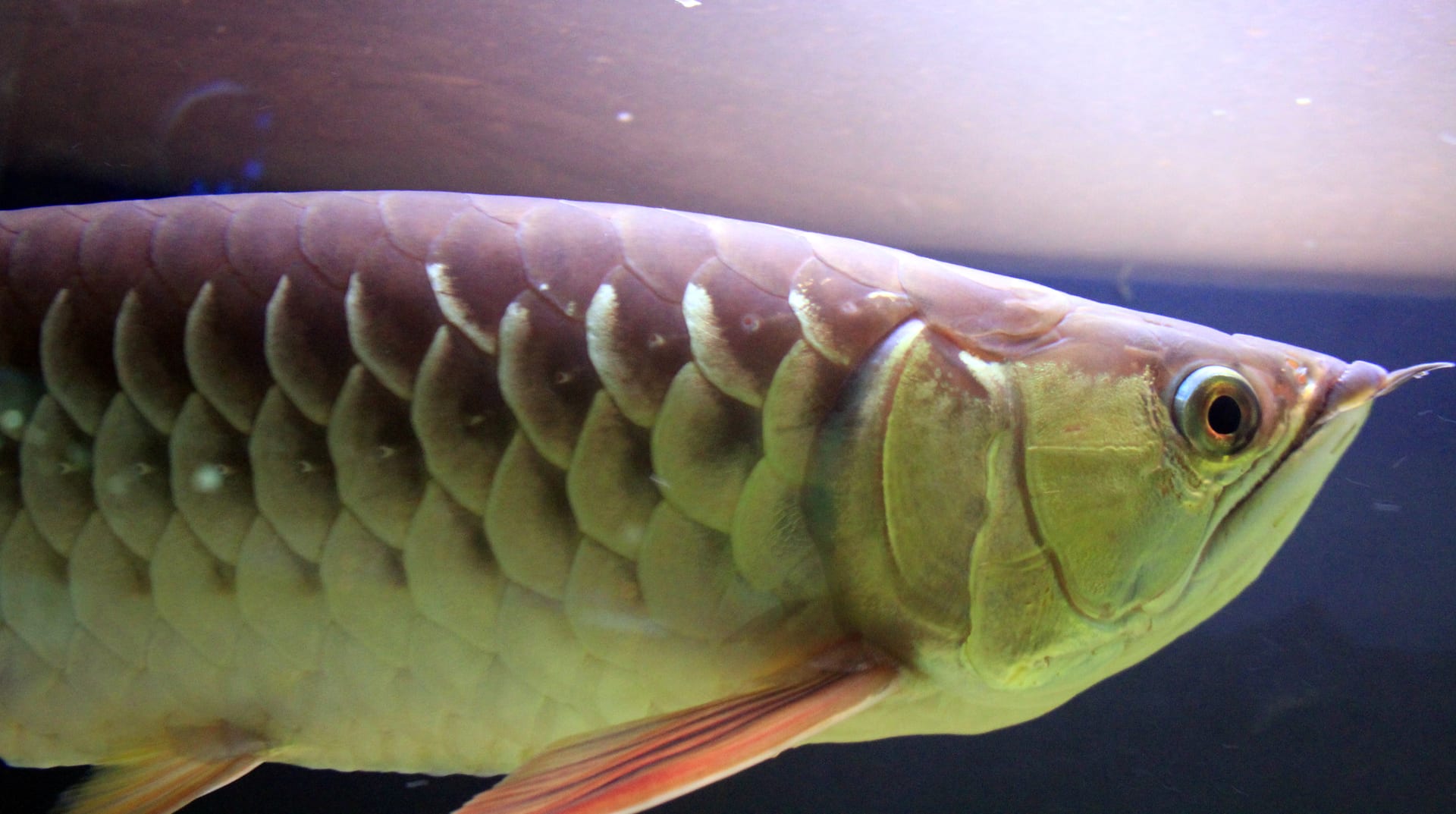
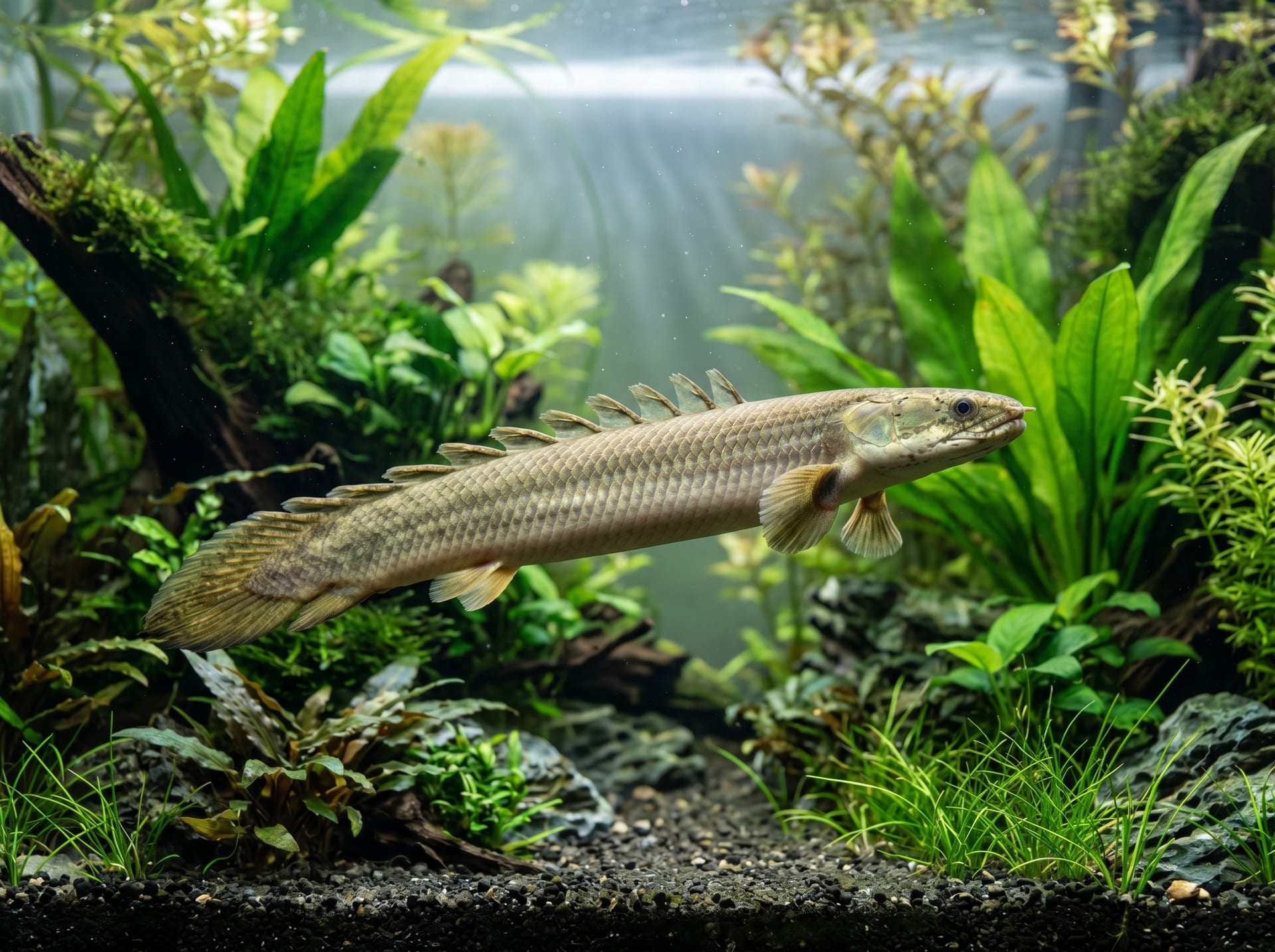
Asian arowana (scientific name: Scleropages formosus) is called the "dragon fish" or "golden dragon fish" due to its shimmering golden scales and dragon-like appearance, making it one of the most popular ornamental fish throughout Asia. Rare individuals are traded for anywhere from hundreds of thousands to millions of yen, making it one of the world's most prestigious aquarium fish. However, keeping them in Japan requires special legal procedures. This article provides a detailed explanation of the basic knowledge needed to legally acquire and healthily maintain Asian arowana over the long term.
Asian Arowana and Legal Regulations: CITES Documents for Import, a Registration Card for Domestic Trade
Asian arowana is listed in Appendix I of the Convention on International Trade in Endangered Species of Wild Fauna and Flora (CITES), and international commercial trade of wild-caught individuals is principally prohibited. Individuals imported through international trade require documents such as a CITES export permit issued by the exporting country. In addition, to sell or otherwise transfer an individual within Japan, a separate "registration card" (tōrokuhyō) for each individual is required under the Act on Conservation of Endangered Species of Wild Fauna and Flora.
Key Points When Purchasing and Keeping Asian Arowana in Japan:
- Obtain a "registration card" (distinct from CITES import/export documents) issued by the Japan Wildlife Research Center for each individual under the Act on Conservation of Endangered Species of Wild Fauna and Flora, and file a notification within 30 days of transfer (the Act on Conservation of Endangered Species of Wild Fauna and Flora (e-Gov Legal Search))
- Each individual has a microchip implanted and can be verified against the certificate
- Under the Act on Conservation of Endangered Species of Wild Fauna and Flora, transferring or receiving an individual without a registration card (for example, buying or selling it) and displaying or advertising it for sale are prohibited (Articles 12 and 17)
- Keeping itself is permitted in private households as long as the individual has a registration card
Before purchasing, always verify that the retailer properly keeps the registration card and hands it over together with the fish. For Asian arowana listed on BreederDirect, we recommend confirming the registration card information before proceeding with the transaction.
Types of Asian Arowana and Color Variation
Super Red (from Kalimantan) is the highest-grade coloration, with the entire body gleaming red, and also commands the highest price.
Crossback Golden (from Perak, Malaysia) is characterized by golden scales that "cross" the back, and as a symbol of good fortune, it is especially popular throughout Asia.
24K Golden is a variety with the luster of pure gold across the entire body.
Green Arowana is relatively common in distribution with a more affordable price, making it suitable as a beginner's species.
Color variation is greatly influenced by lighting, water quality, and food. To enhance red and golden coloration, specialized color-enhancing lighting (red spectrum-emphasized type) and food containing astaxanthin are considered effective.
Tank Setup: Start with 120cm or Larger
Adult Asian arowana grow to a maximum total length of about 90cm. For long-term care, a minimum tank of 120cm × 60cm × 60cm (approximately 430L capacity) is required. For fully grown individuals, 150cm and 180cm tanks are ideal.
Water Quality Parameter Guidelines:
- Temperature: 26-30°C (optimal around 28°C)
- pH: 6.5-7.5
- Hardness (GH): 5-12 dH
- Ammonia/Nitrite: Nearly zero
- Nitrate: Maintain at 50ppm or below
Filtration should use a powerful external filter for large fish or an overflow system. Asian arowana produce large amounts of uneaten food and waste, so weak filtration leads to rapid water quality deterioration. Partial water changes (20-30%) at least once per week are essential.
Jump prevention is critical. Arowana have extremely powerful jumping ability, so the tank cover must be weighted or secured. Accidents from jumping continue to occur.
Considerations for Tank Mates
Asian arowana are highly aggressive, so care must be taken with both same-species and mixed-species tank mates.
Examples of Compatible Tank Mates:
- Polypterus species (Arnaud, Endlicheri, etc.): Possible to cohabitate as they prefer the bottom layer
- Large catfish (Red-tailed catfish, Tiger shovel-nose, etc.)
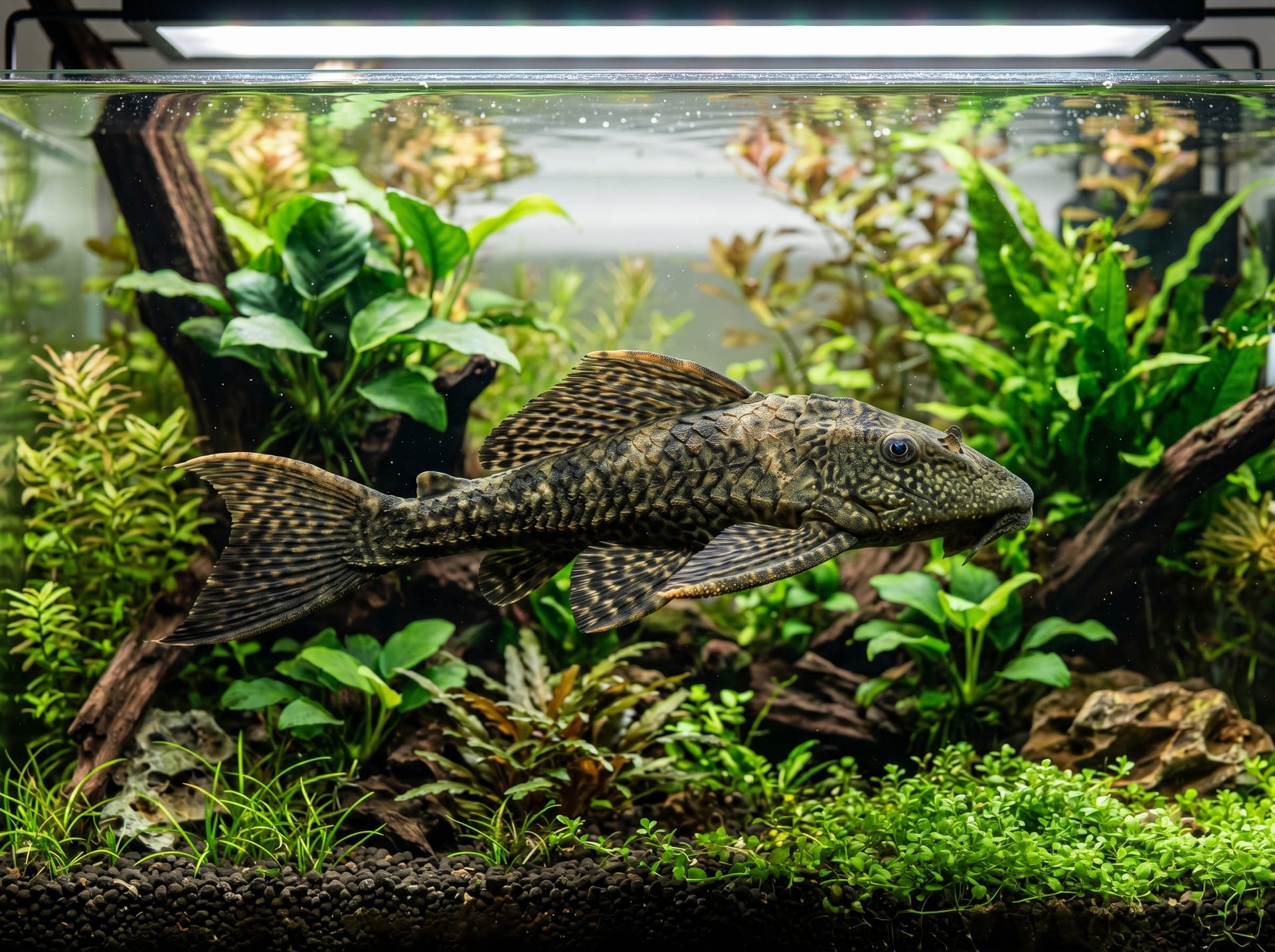
- Large plecos (Sailfin, Royal, etc.): Also serve a role in cleaning the bottom
Tank Mate Combinations to Avoid: Small fish (they become food), same-species Asian arowana (territory disputes intensify unless in a very large tank with multiple individuals)
Feeding: Balanced Nutrition with Diverse Foods
Asian arowana are carnivorous and eat insects, frogs, and small fish in the wild. In captivity, the following foods are used.
Live Food and Frozen Food:
- Goldfish and loaches (however, risk of introducing parasites and disease; quarantine treatment essential)
- Frozen crickets, frozen shrimp, frozen mealworms
- Insect-based foods such as grub pie
Artificial Feed: Large pellets specifically formulated for Asian arowana are sold by various manufacturers. While acclimation to feed may take time, ultimately conditioning them to accept artificial feed has management advantages as a stable nutritional source.
Feeding Frequency: Adult fish need only be fed 2-3 times per week. Overfeeding causes water quality deterioration and body deformity. Feed only the amount that can be consumed at once, and always remove any leftover food.
Health Management and Long-term Care Tips
With proper management, Asian arowana can live over 20 years. Key points for maintaining health are listed below.
Stress Management: Asian arowana have a shy side and are sensitive to loud noises and sudden light changes. Attaching background sheets to the rear and sides of the tank helps them feel calmer.
Eye Health: A condition called "drop eye" where the eyeball droops downward is thought to result from the direction in which food is viewed. Feeding food near the water surface is effective for prevention.
Regular Observation: It is important to observe scale condition, body color, appetite, and swimming behavior daily and detect any abnormalities early. Unusual behavior patterns may be signs of disease or environmental stress.
Asian arowana are creatures with high legal and husbandry requirements, yet enthusiasts around the world are genuinely fascinated by their majestic appearance and long-term companionship. On BreederDirect, you can find Asian arowana with registration cards under the Act on Conservation of Endangered Species, managed by reliable domestic breeders. For those new to the hobby, we recommend consulting with knowledgeable breeders as you consider keeping them.