About Peacock Bass (Cichlid)
Peacock Bass (Cichla sp.) is a large cichlid native to South America, inhabiting regions such as the Amazon River basin and Orinoco River basin. The name "Peacock Bass" derives from the vibrant orange, yellow, and black spot patterns that appear on the flanks of mature individuals, resembling the feathers of a peacock.
Highly popular as a game fish, Peacock Bass is known worldwide as a target for sport fishing. In aquarium hobby, it is also highly prized among large fish enthusiasts, valued for its dramatic predatory behavior and beautiful coloration.
Important: This species is subject to legal regulations in Japan (detailed below)
Major Species of Cichla
| Species | Scientific Name | Adult Size | Availability | Characteristics |
|---|
| Monoculus Peacock Bass | Cichla monoculus | 40–60 cm | Common | Most readily available species; exhibits significant color variation |
| Temensis | Cichla temensis | Up to 90+ cm | Rare | Largest Cichla species; known as "Speckled Peacock Bass" |
| Ocellaris | Cichla ocellaris | 40–60 cm | Moderate | Considered the type species; renowned for beautiful coloration |
| Intermedia | Cichla intermedia | 30–50 cm | Rare | Relatively small; suited to cichlid tanks |
| Kelberi | Cichla kelberi | 30–40 cm | Moderate | Small size; adapts well to compact tanks |
Japan's Legal Regulations (Critical)
While Peacock Bass is not designated as a specified alien species, it is a fish of concern for ecosystem impacts. In Hawaii, wild releases have caused severe damage to native species; release into Japanese waters is strictly prohibited.
Keeping this species is currently legal, but:
- Check the latest legal regulations before purchasing (the Invasive Species Law may be revised)
- Never release into rivers, lakes, ponds, or any natural waterways
- If unable to continue care, opt for euthanasia or transfer to a professional breeder or facility
Aquarium Setup
Tank Size
Peacock Bass are active and grow large, requiring substantial water volume.
| Fish Size | Minimum Tank Size | Recommended |
|---|
| Juveniles (≤10 cm) | 60 cm | 90 cm |
| Young (10–25 cm) | 120 cm | 150 cm |
| Adults (≥25 cm) | 150 cm | 180 cm+ |
Adults require substantial space. Planning ahead for adult size and setting up a large tank from the start avoids wasted effort.
Water Parameters
| Parameter | Target |
|---|
| Temperature | 25–30°C |
| pH | 6.0–7.5 (slightly acidic to neutral) |
| Hardness (GH) | 5–15 dH |
| Ammonia/Nitrite | 0 mg/L |
| Nitrate | ≤40 ppm |
They prefer high temperatures (28–30°C), but long-term stability at 28°C or below extends lifespan. Being Amazon natives, slightly acidic to neutral pH is ideal, but avoid overly acidic conditions (pH below 6.0).
Filtration
Peacock Bass are heavy eaters with substantial waste output, requiring powerful filtration.
- External filters: Ideal to run 2+ in parallel (circulation rate of 10–15× total volume per hour)
- Hang-on filters: Easy maintenance; well-regarded for large fish keeping
- Protein skimmer (freshwater): Effective for organic removal, but not essential
- Substrate: Sand or gravel (fine substrate may be disturbed by aggressive digging); bare-bottom is also manageable
Lighting
No special requirements, but moderate lighting (6500–10000K) enhances color. However, overly intense light can cause stress.
Feeding
Peacock Bass are carnivorous (piscivorous), preferring live fish and small animals.
Juveniles to Young
- Frozen bloodworms and tubifex: High palatability during acclimation
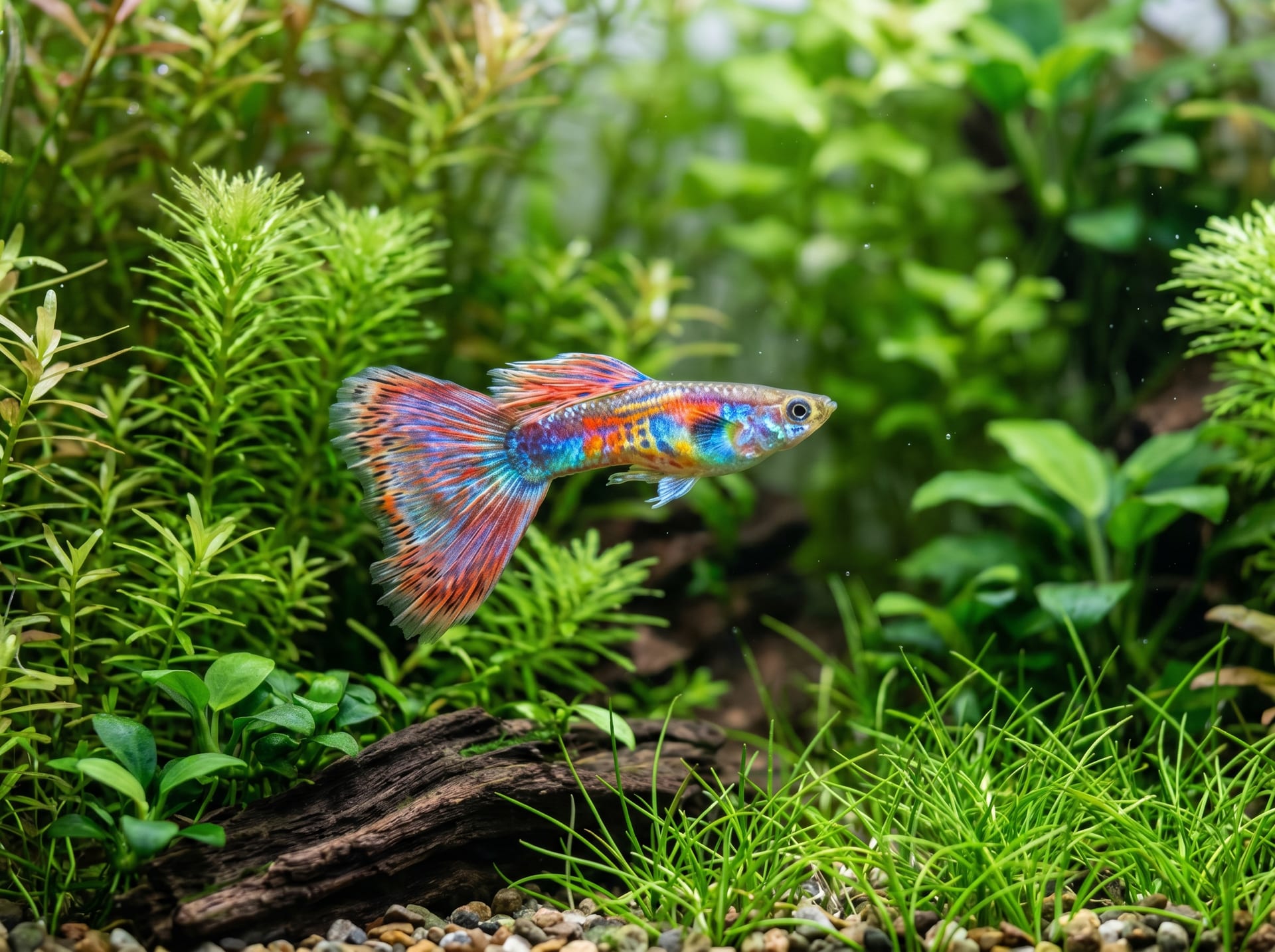
- Live guppies or killifish: Live food stimulates feeding response
- Frozen krill (shrimp): Excellent protein source
Young to Adults
- Large carnivore pellets/sticks: Critical to acclimate to prepared food for long-term health management
- Frozen mackerel or halfbeak: High palatability
- Live food (goldfish or comets): Offer 1–2 times weekly as supplemental feeding; frequent use imbalances nutrition
Transitioning to prepared food is easiest when young. The "starvation method"—withholding food before offering pellets—is common, but individual variation exists.
Mixed Tankmates
Peacock Bass are highly territorial; any fish small enough to fit in their mouth is a predation target.
Compatible (guideline): Large fish at least 50% of Peacock Bass body length
- Snakeheads
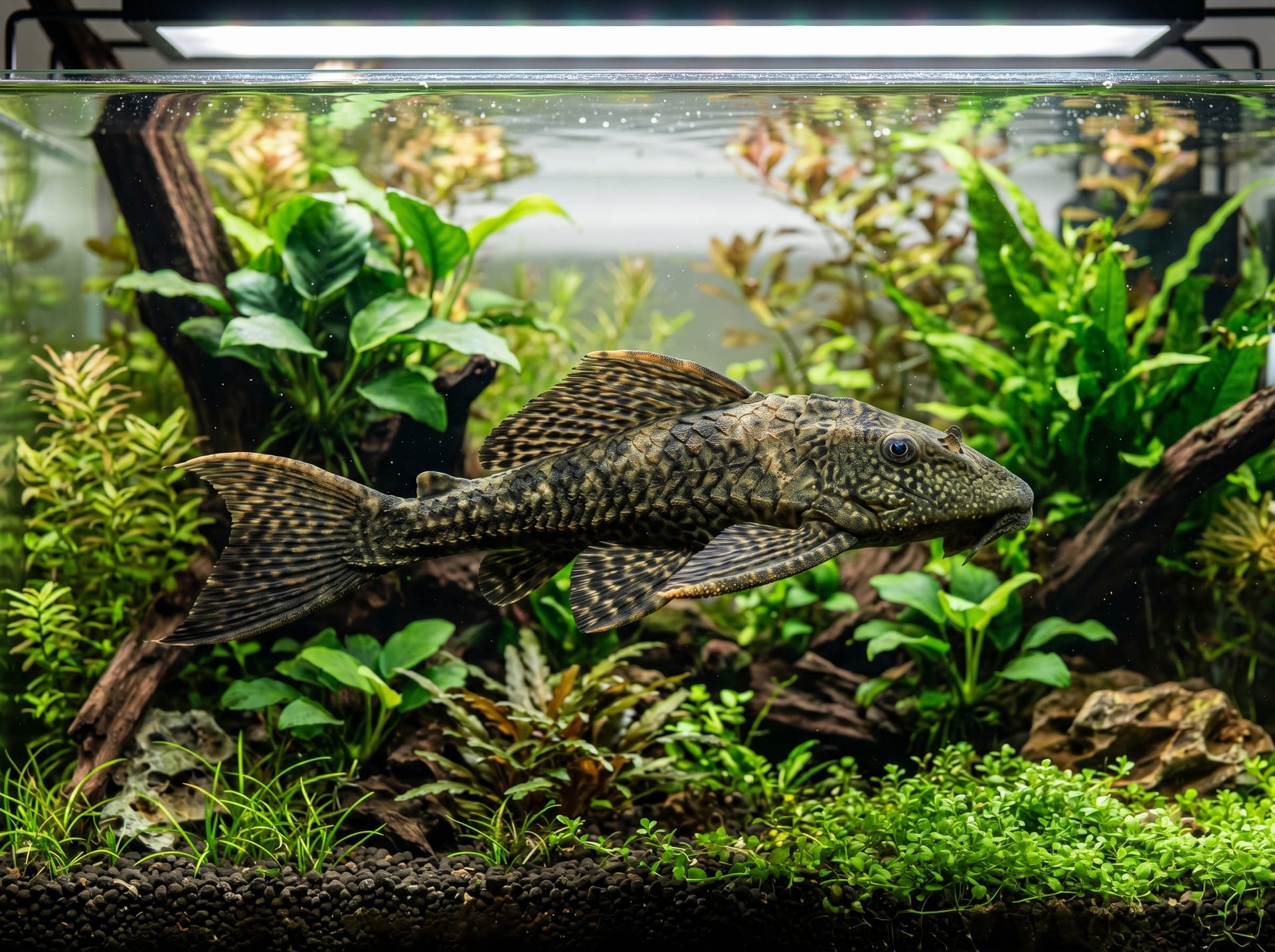
- Large plecos (30+ cm)
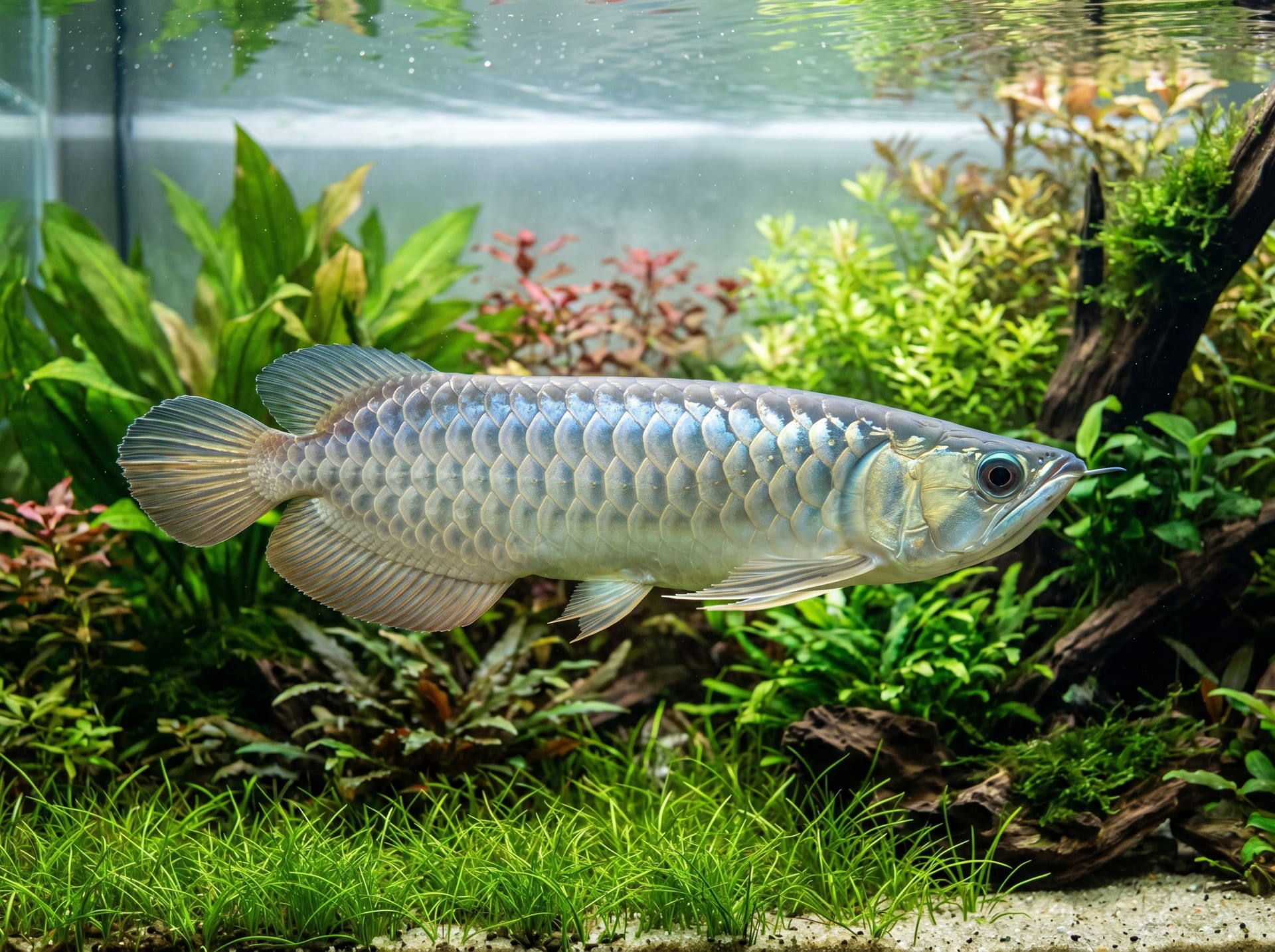
- Large arowanas (adequate tank size essential)
- Gar (relatively safe due to body shape differences)
Incompatible: All small to medium fish species (will be predated)
Even conspecifics engage in fierce territorial conflict; multiple specimens require spacious tanks with abundant hiding places.
Breeding
Peacock Bass have been recorded breeding in aquaria.
- Sexual maturity: Around 20–25 cm
- Spawning site: Dig pits in substrate depressions or flat rocks
- Incubation: 3–4 days at 28°C water temperature
- Parental care: Characterized by "biparental care," with both parents cooperatively protecting fry
Fry become free-swimming 2–3 days after hatching, with parents leading the school. If parents remain, they may consume fry, so consider separation once fry reach 1–2 cm.
Summary of Important Points
- Check regulations: Always verify the latest invasive species laws before purchase and keeping
- Release strictly prohibited: Never release into the wild due to ecosystem impact
- Plan ahead for large tanks: Essential to account for adult size from the start
- Acclimate to prepared food early: Reduces long-term management challenges
- Robust filtration: Monitor water quality closely due to heavy bioload
With their impressive size, dynamic movements, and vibrant colors, Peacock Bass are captivating. Enjoy responsible keeping within proper conditions and legal compliance.