Bushynose Pleco (Ancistrus) Care Guide | Breeding and Management of Small Algae-Eating Plecos
The Bushynose Pleco (Ancistrus genus) is a small pleco characterized by facial protrusions. Easier to manage than large plecos and easier to breed—an excellent algae-eater. Detailed explanations of basic care, breeding procedures, and tank compatibility.
Key Takeaways
The Bushynose Pleco (Ancistrus genus) is a small pleco characterized by facial protrusions. Easier to manage than large plecos and easier to breed—an excellent algae-eater. Detailed explanations of basic care, breeding procedures, and tank compatibility.
What is a Bushynose Pleco?
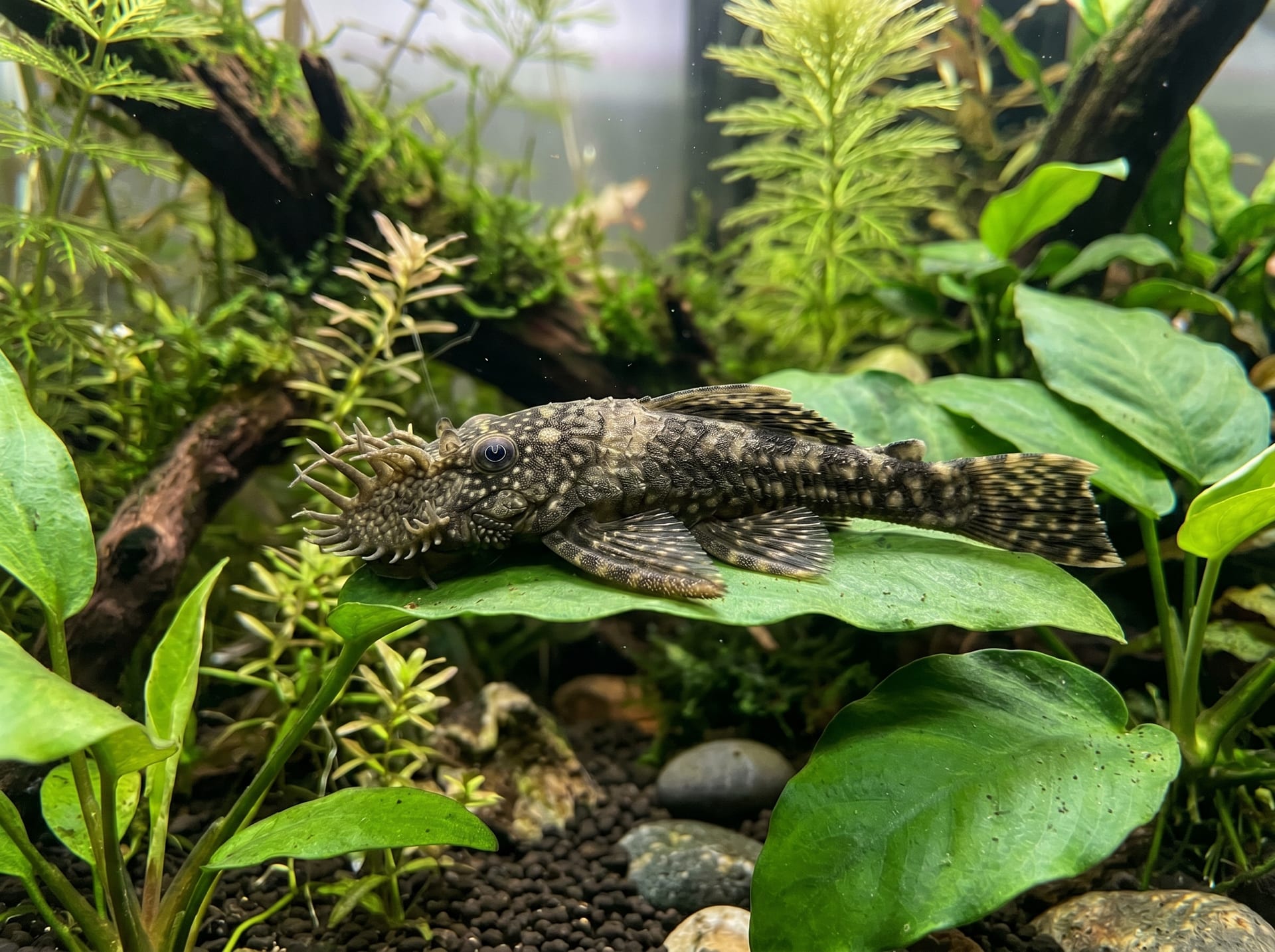
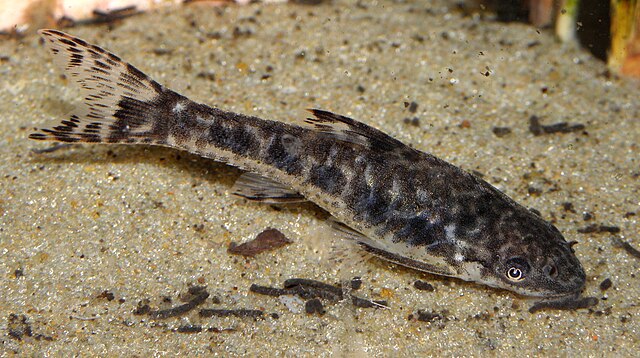
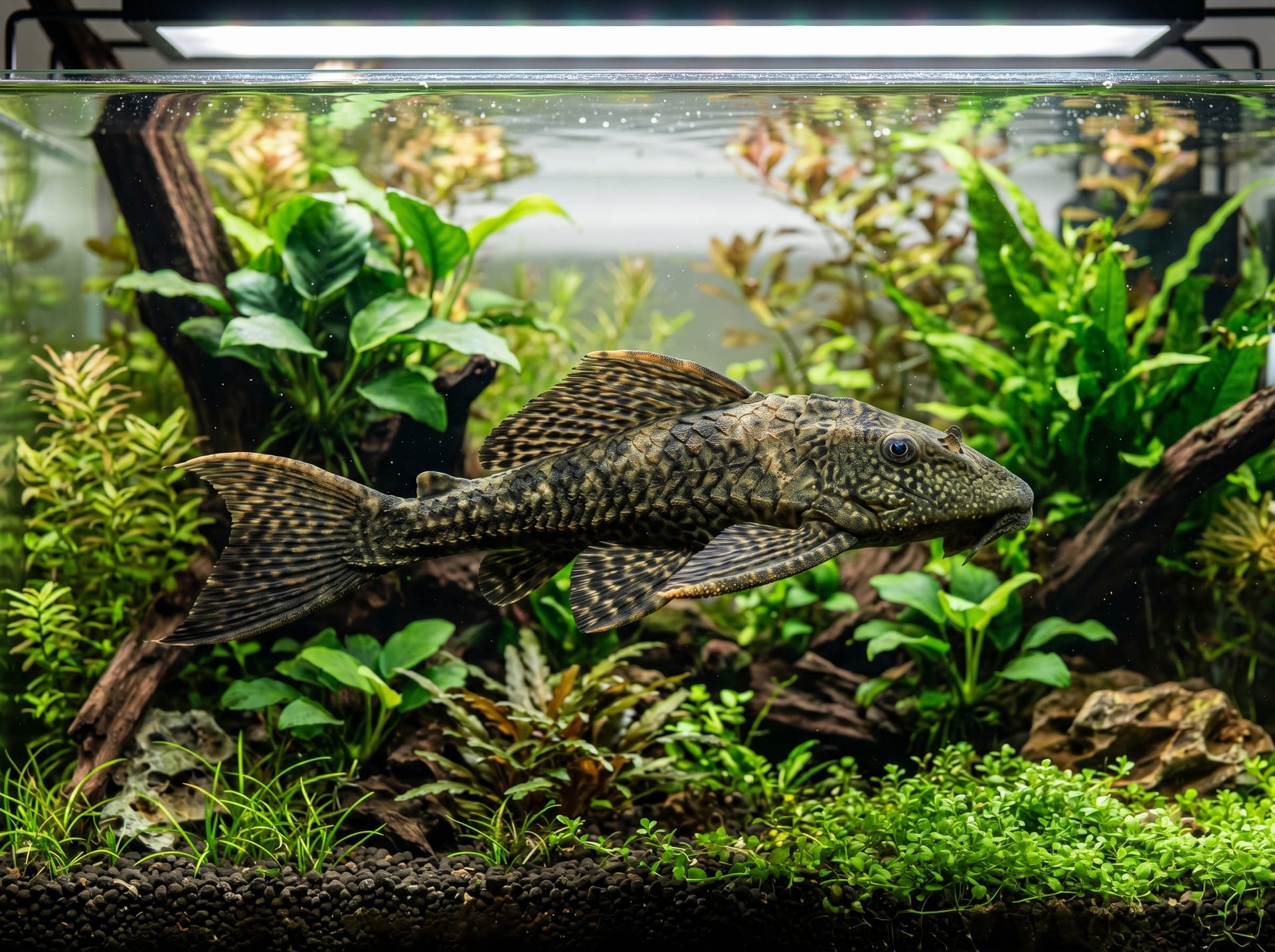
The Bushynose Pleco (scientific name: Ancistrus genus) is a small pleco of the order Siluriformes, family Loricariidae, native to the Amazon River basin in South America. Its English name is "Bristlenose Pleco." The distinctive feature is the fleshy, tentacle-like protrusions that grow around the mouth of mature males—this unique silhouette captivates aquarists and never lets go. Females also develop these protrusions, but they are not as pronounced as in males, making it relatively easy to distinguish males from females using this feature.
✍️
BreederDirect Editorial
The BreederDirect editorial team specializes in care information for animals, covering veterinary care and breeding to deliver beginner-friendly guides.
Find Tropical Fish on BreederDirect
Buy directly from verified breeders
Browse Related Listings
Find Tropical Fish listings related to this article on BreederDirect. Buy directly from verified breeders.
Adult fish reach approximately 8–15 cm in total length. In contrast to large plecos such as Sailfin Plecos and Royal Plecos, which reach 50–60 cm, Bushynose Plecos can be kept for their entire lifespan in a 45–60 cm tank. Their small size, high algae-eating ability, and capacity for breeding—this trifecta of qualities makes them favored by aquarists from beginners to advanced hobbyists.
Body color variation is also abundant, with breeders producing diverse phenotypes through selective breeding across generations. The major varieties are summarized as follows:
Normal (Wild-type): Standard body color—dark brown to black with white or yellow spots
Albino: Lacking melanin pigment, ranging from cream to pale yellow in color. Eyes are red and stand out conspicuously in the tank
Super Red: A selectively bred morph with emphasized red coloration. Breeder-specific line-bred variety
Long Fin: An elegant fin type with elongated dorsal and caudal fins
Lemon Drop (Golden): A light-colored morph with strong yellow tones
Many aquarists keep multiple phenotypes as part of their collection, and the fish grows deeper in fascination the more you keep them.
Setting Up the Right Tank Environment
To keep Bushynose Plecos healthy in long-term captivity, it is important to correctly establish three key elements: substrate, driftwood, and filter.
Tank and substrate should prioritize floor area. A 60 cm standard tank (60×30×36 cm) can comfortably accommodate 1–2 individuals. Fine substrate such as rounded river sand or sand with a grain size of 1–2 mm is ideal. Since these fish have a habit of pressing their mouths into the substrate to feed, sharp-edged gravel or coarse sand and gravel can injure their mouths.
Driftwood is an essential item. Bushynose Plecos gnaw driftwood and utilize the fine fibers ingested as digestive aids; in environments without driftwood, they may suffer from digestive disorders or fall ill. Choose driftwood of adequate size with holes or crevices where they can hide—this will also be useful for breeding, as discussed later.
Filter selection must account for the pleco's high bioload. An external filter (2213 class or above for 60 cm tanks) is most stable. If using hang-on filters or sponge filters, increase filter media cleaning frequency to once or twice per week to prevent water quality deterioration.
Item
Recommended Value
Water temperature
24–28 °C
pH
6.5–7.5
Hardness
Soft to moderately hard water
Tank size
45 cm or larger (60 cm recommended)
Choose a heater with a safety cover. Plecos sometimes cling tightly to heaters and suffer low-temperature burns.
Choosing and Feeding Tips
Bushynose Plecos are omnivorous and require a balanced diet of both plant and animal matter for long-term captivity. Being strongly nocturnal, feeding just before lights out results in dramatically improved feeding response.
Use sinking tablets (pleco-specific tablets, corydoras tablets, etc.) as the main food. Watching them scrape and eat sinking tablets with their rasp-like mouth is one of the joys of keeping Bushynose Plecos.
Also actively supplement with vegetables. Below are vegetables with good feeding response and feeding tips:
Sliced zucchini: Floats in water, so weigh it down with a stone (skewer it and trap it under a glass plate, etc.). Feeding response is top-tier
Sliced cucumber: Sink as you would zucchini. High water content means it is usually consumed in a few hours
Spinach: Blanch lightly to soften for easier consumption. Contains oxalic acid, so limit to once or twice per week
Thin-sliced pumpkin: Rich in dietary fiber. Microwaving for 30 seconds softens it and makes it easier to eat
Leftover vegetables rapidly degrade water quality. Always remove them 12–24 hours after feeding.
If breeding is your goal, 2–4 weeks before spawning, supplement 2–3 times per week with frozen bloodworms or frozen brine shrimp to boost protein intake. This is known to trigger spawning.
Tank Mates and Care Precautions
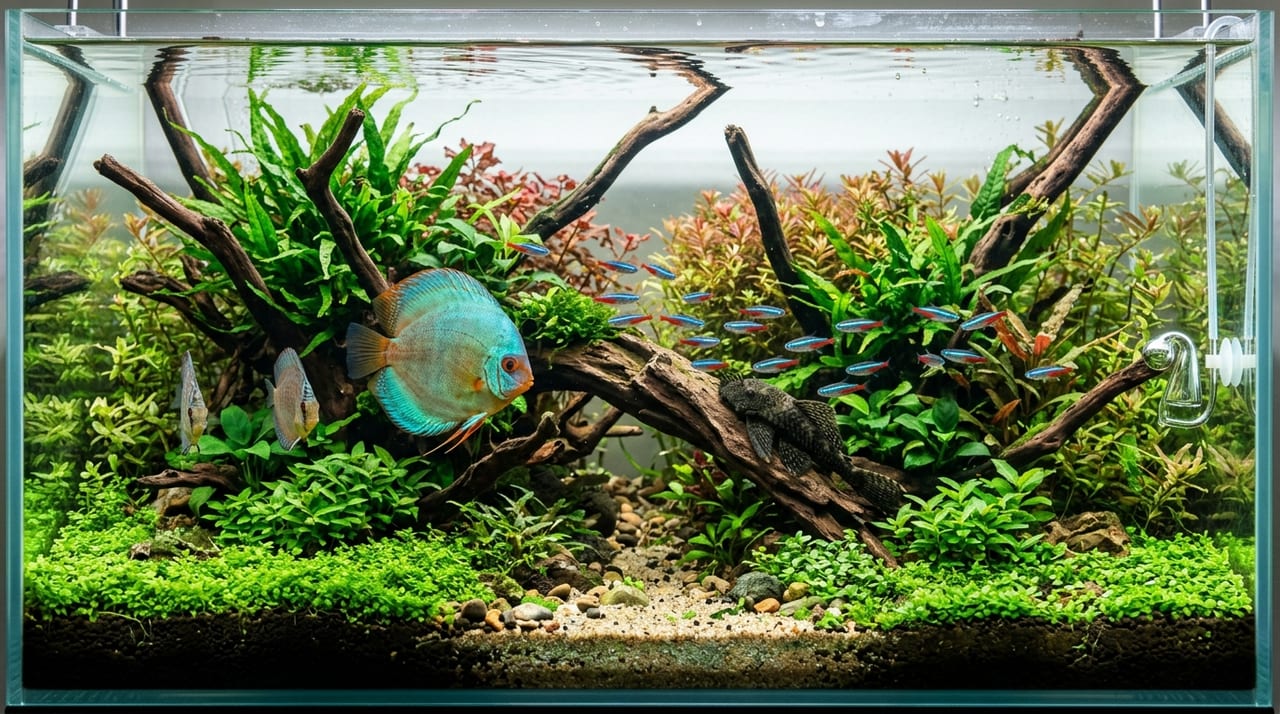
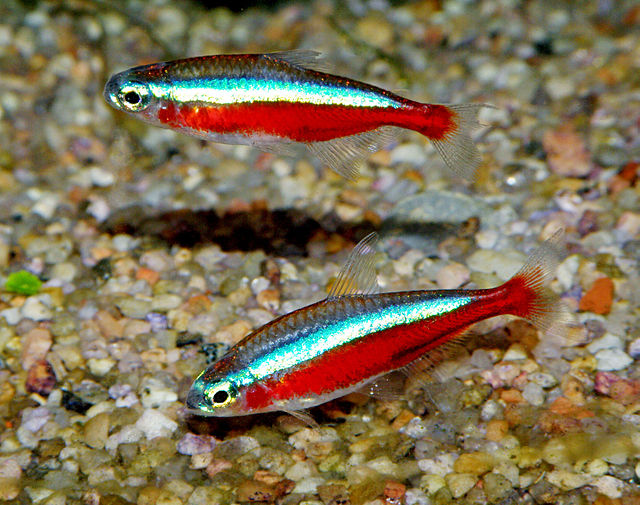
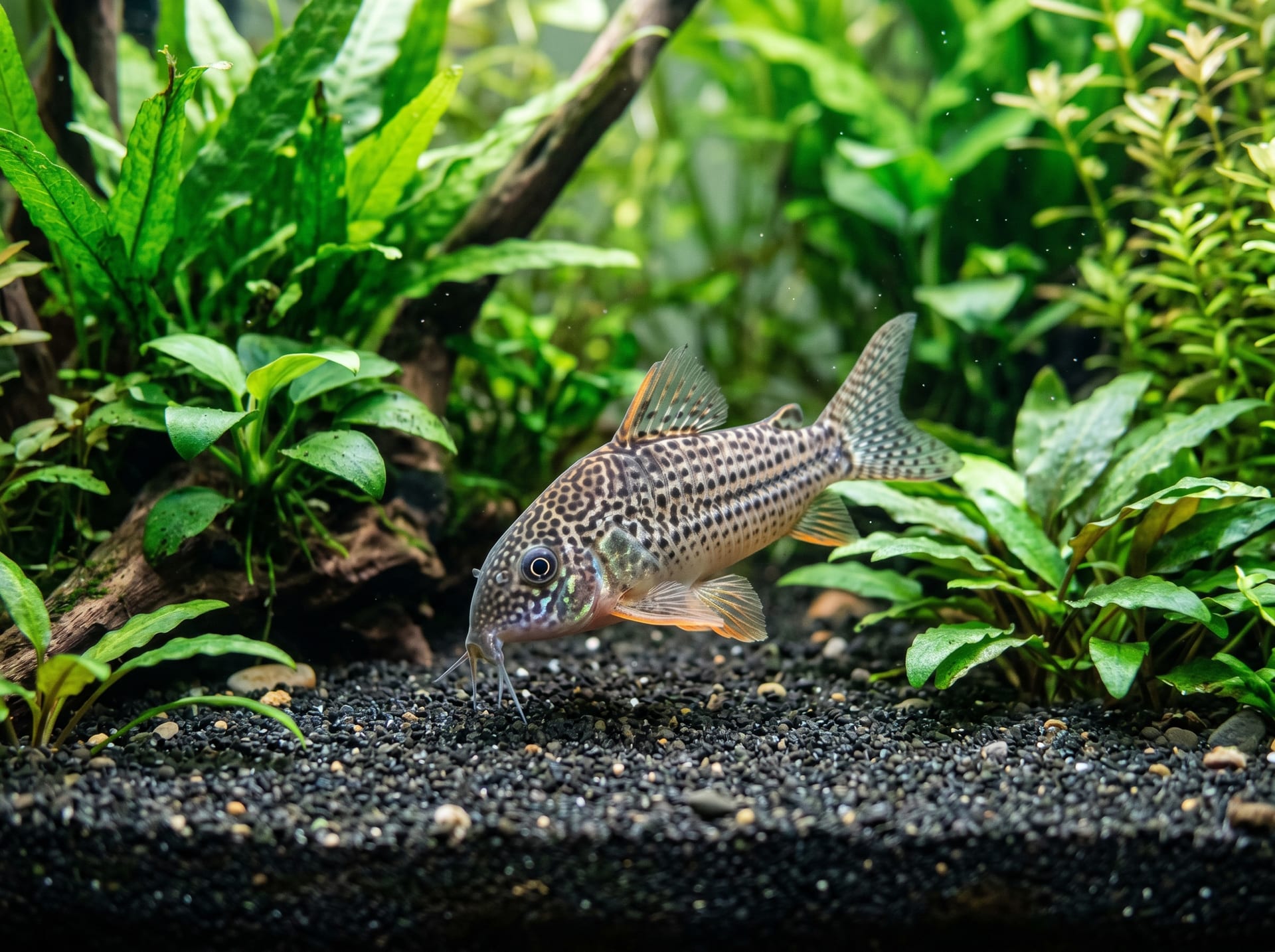
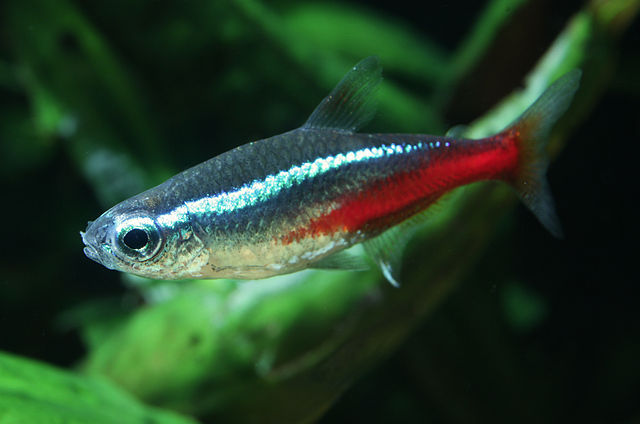
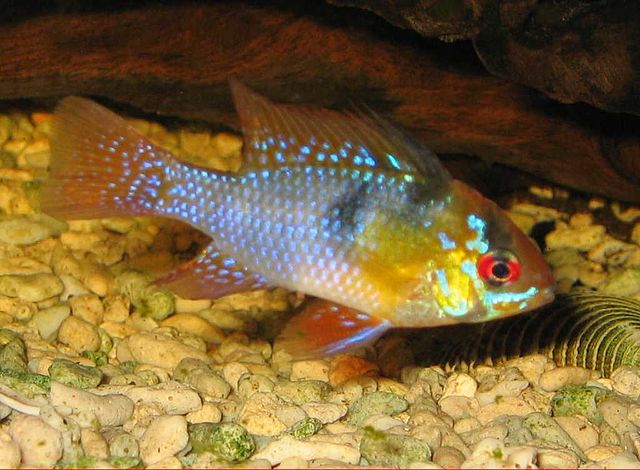
The Bushynose Pleco is a gentle bottom-dweller that coexists without issue with most tropical fish. They boast high compatibility with Corydoras, Otocinclus, tetras (Neon tetra, Cardinal tetra, Ramirezi, etc.), gouramis, and rasboras. When combining multiple cleaner fish species for algae control, Bushynose Pleco and Otocinclus—despite having similar feeding habits and water layers—easily partition their niches and remain a frequently chosen pairing.
Attention is needed for male-to-male territorial disputes. Males strongly defend "nest holes" (pipes, hollows in driftwood), and if multiple males of the same or closely related species are present, they will repeatedly engage in intense battles. The basic rule is one male per tank. When pairing for breeding purposes, a ratio of one male to 2–3 females tends to keep them calmer. Additionally, providing more hiding places than the number of males can mitigate territorial conflicts.
Breeding Challenge: From Spawning to Fry Rearing
Breeding Bushynose Plecos ranks among the highest success rates in freshwater fish. If conditions are met, it can be completed in a single 60 cm tank, making them an ideal starter species for breeding.
There are three key points to trigger spawning:
Provide a spawning site: A dark, enclosed space is necessary, such as a terracotta cave, bamboo node, or hole in driftwood. Terracotta pipe-shaped caves are most readily available and preferred by males
Water change stimulus: Perform a 30–40% water change with fresh water slightly cooler than normal (2–3 °C lower than current temperature) before spawning to induce reproduction. This mimics the monsoon season of the Amazon River
Nutritional enhancement: As mentioned earlier, increasing animal protein before spawning is important
When spawning occurs, the male occupies the nest and guards 200–400 orange eggs in a cluster. Oxygen is supplied to the eggs as the male fans them with his ventral fins; at a water temperature of 25–26 °C, they hatch in 5–7 days. During this period, do not disturb the male, and ideally minimize water changes to avoid stress.
The hatched fry remain in the nest while absorbing the yolk sac, then disperse throughout the tank as they begin to swim. Initial feeding should use powder food containing spirulina or crushed tablets. By 2–3 weeks of age, they can consume small vegetable fragments. Fry grow rapidly, and within 1–2 months their body color and patterns become clearly evident.
When raising fry alongside adults in the same tank, do not forget to create abundant hiding places such as Willow moss and fine driftwood so fry are not chased by other fish.
Summary: Why Bushynose Plecos Are Chosen
The Bushynose Pleco combines "small size, hardiness, excellent algae-eating, ease of breeding, and distinctive appearance"—a fish boasting top-tier cost-performance in the aquarium hobby. Successful care comes down to three essentials: a 60 cm tank set up with driftwood and spawning sites, stable filtration, and well-balanced feeding.
With abundant color varieties available, there is also the pleasure of choosing a type that matches your tank—Albino, Long Fin, Super Red, and others. The greatest advantage of purchasing through BreederDirect is the ability to select healthy, line-bred individuals directly from your preferred phenotype. Whether you are setting out on your first pleco keeping experience or a mid-level to advanced aquarist committed to serious breeding, the Bushynose Pleco will prove to be an unfailing choice.