Paradise Fish (Butterfly Carp) Care Guide | How to Keep a Hardy Labyrinth Fish from East Asia
The Paradise Fish (Macropodus), native to China and Southeast Asia, is one of the world's oldest aquarium fish. While its cold water tolerance and hardiness make it suitable for beginners, males are highly aggressive toward one another. This guide covers care methods and tankmate compatibility.
Key Takeaways
The Paradise Fish (Macropodus), native to China and Southeast Asia, is one of the world's oldest aquarium fish. While its cold water tolerance and hardiness make it suitable for beginners, males are highly aggressive toward one another. This guide covers care methods and tankmate compatibility.
What is the Paradise Fish?
The Paradise Fish (Macropodus opercularis) is a type of labyrinth fish (order Perciformes, family Anabantidae) widely inhabiting rice paddies, rivers, and ponds from East to Southeast Asia, including southern China, Vietnam, and Korea. Its Japanese name is also "Butterfly Carp," and it is said to have already been imported to Japan from the late Edo period to the early Meiji era. It has an extremely long history in the aquarium trade and belongs to the same group as bettas and gouramis, which breed via bubble nests.
✍️
BreederDirect Editorial
The BreederDirect editorial team specializes in care information for animals, covering veterinary care and breeding to deliver beginner-friendly guides.
Find Tropical Fish on BreederDirect
Buy directly from verified breeders
Browse Related Listings
Find Tropical Fish listings related to this article on BreederDirect. Buy directly from verified breeders.
Related Tools
Related Articles
Browse by Category
🪸Coral
🐠Marine Fish
🐟Tropical Fish
🐡Goldfish
🐟Medaka
🦎Reptiles
Share
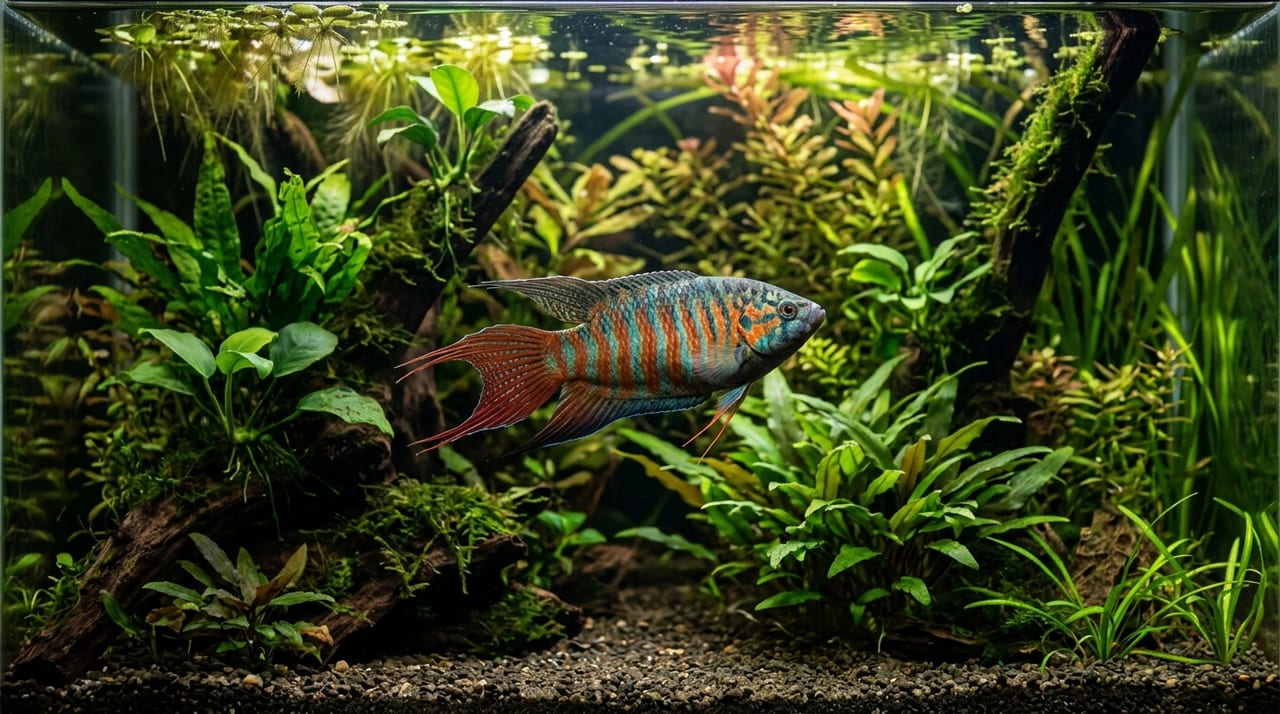
Its body coloration is characterized by striking alternating stripes of orange to red and blue-green, and males in particular display exceptionally vibrant coloration during spawning and when excited. The caudal, dorsal, and anal fins feature delicate red thread-like extensions, and as their Japanese name "Butterfly" suggests, their graceful swimming is a major attraction. Adult fish reach approximately 8–12 cm in length.
Their greatest strength is cold water tolerance and hardiness. Thanks to their labyrinth organ, they can take oxygen directly from the air at the water's surface, allowing them to survive even in oxygen-poor rice paddy environments. As one of the few tropical fish capable of overwintering indoors without a heater, they remain a popular choice for beginners.
Aquarium Setup and Water Conditions
To keep Paradise Fish healthy and long-lived, it is important to provide the following environmental conditions.
Item
Recommended
Tank Size
45 cm (single fish) – 60 cm or larger (pair/breeding)
Water Temperature
18–26°C
pH
6.0–8.0
Water Change Frequency
Once weekly, approximately 1/3 of tank volume
Tank size: A 45 cm tank is sufficient for a single fish, but 60 cm or larger is recommended for pair breeding or reproduction. Male territorial disputes are extremely intense, and keeping multiple males in the same tank results in fighting severe enough to cause death. Keep only one male per tank as an absolute rule.
Water temperature: 18–26°C is the ideal range. Temperatures exceeding 30°C in summer will exhaust the fish, but they can overwinter if room temperature stays in the high 10s°C in winter. However, sudden temperature fluctuations can trigger stress-related illnesses such as ich, so it is safer to introduce a heater during seasonal transitions when temperatures drop sharply.
A cover is essential. Labyrinth fish have the habit of surfacing to breathe air, and will jump out if startled or excited. Leaving a 5–8 cm gap between the water surface and the cover stabilizes air intake and reduces the risk of jumping out.
Add live plants and driftwood actively. Large-leaved plants such as Amazon sword and ludwigia, or moss balls like willow moss, create hiding spots and visual barriers that reduce male stress, provide females with refuge, and stabilize bubble nests. The denser the plants, the more vibrant the fish's coloration tends to become, and breeding behavior is more easily triggered.
Feeding and Diet Management
Paradise Fish are omnivorous and eat a wide variety of foods from live prey to prepared diets. They rarely refuse food, and their vigorous appetite reflects their hardiness.
The following feeding rotation is recommended:
Daily staple: Tropical fish flake food or sinking pellets
Supplementary food 1–2 times weekly: Frozen bloodworms or frozen brine shrimp (to supply animal protein and enhance coloration)
Live food occasionally: Brine shrimp nauplii or daphnia (especially effective for conditioning before breeding)
Feed once or twice daily, offering only what can be consumed in 2–3 minutes. Uneaten food directly degrades water quality, so develop the habit of promptly removing leftovers with a pipette or net. Overfeeding leads to sluggish movement and reduced breeding drive, so avoid overfeeding.
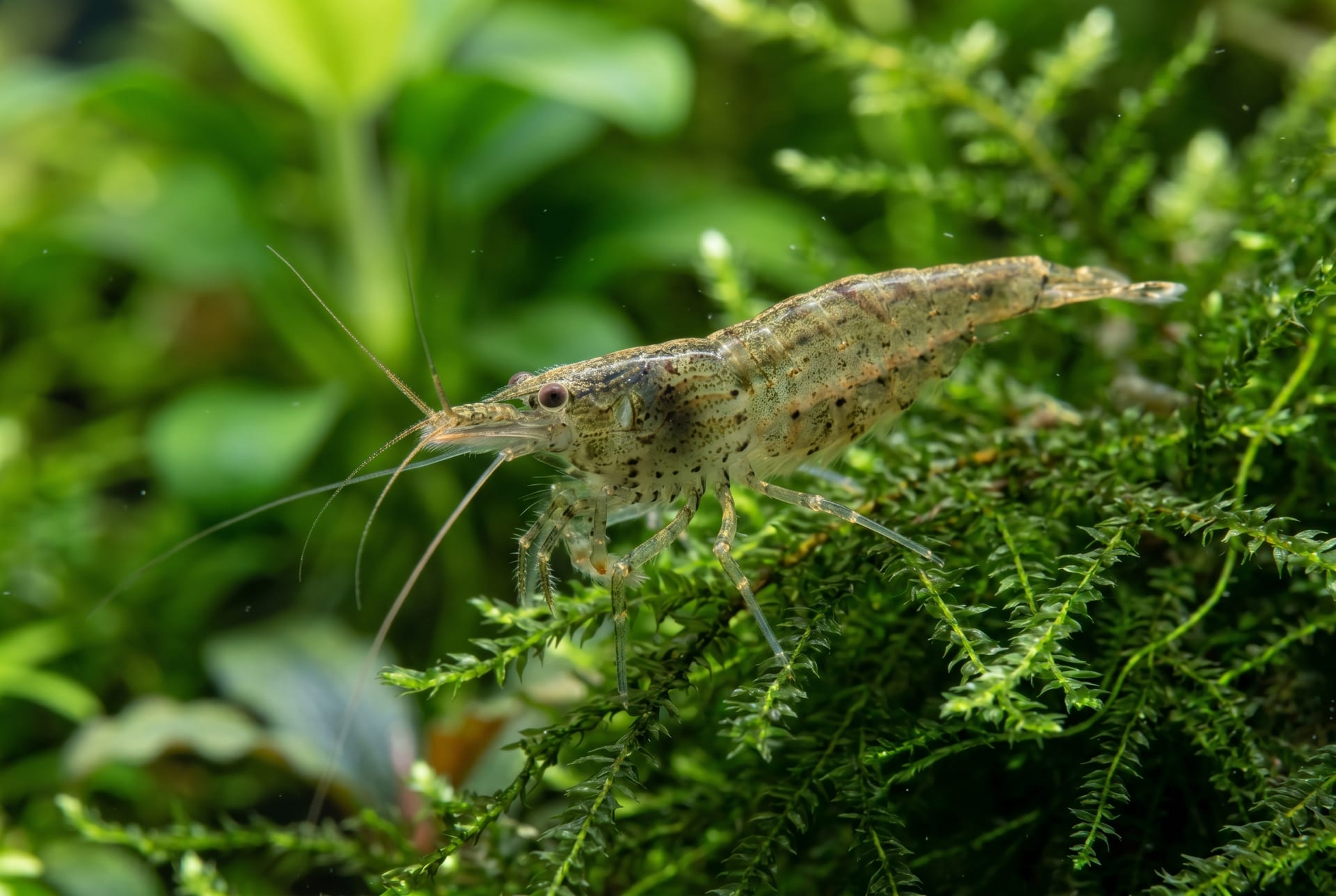
Small crustaceans (such as Amano shrimp) and small fish may also be preyed upon by Paradise Fish. Consider tankmate selection carefully, taking the next section into account as well.
Compatibility and Individual Care Considerations
Paradise Fish are highly aggressive, so selecting appropriate tankmates and tank layout is key to successful keeping.
Combinations to avoid:
Same-species males (results in fatal fighting)
Males of other labyrinth fish species, such as bettas
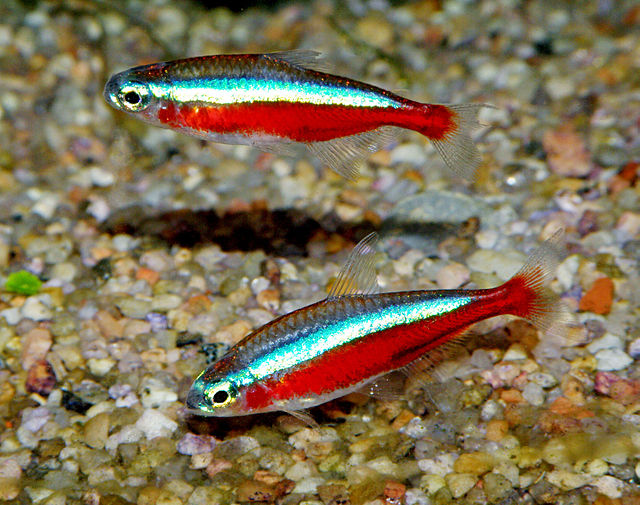
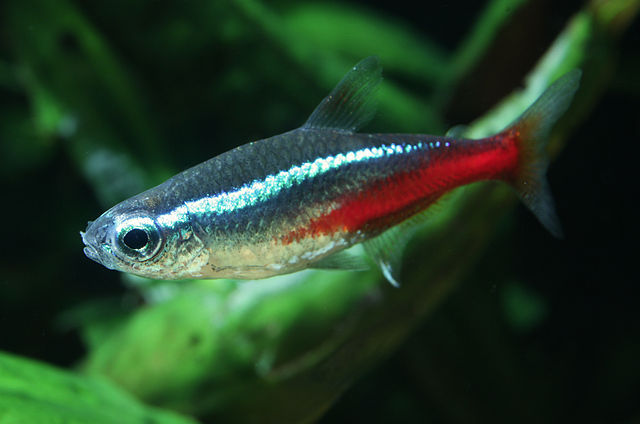
Small fish that fit in their mouth (such as neon tetras and cardinal tetras)
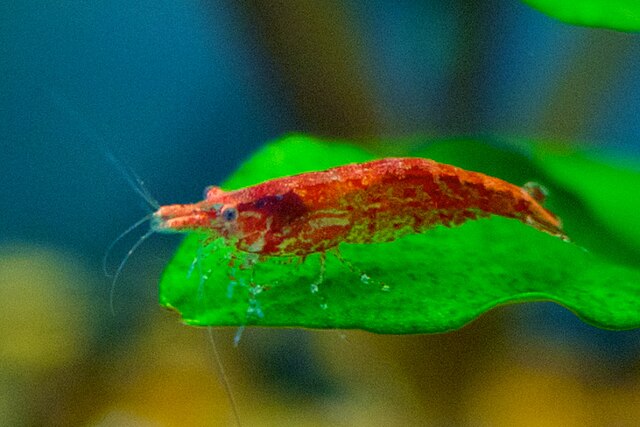
Small shrimp such as Amano shrimp and cherry shrimp
Combinations that often work well:
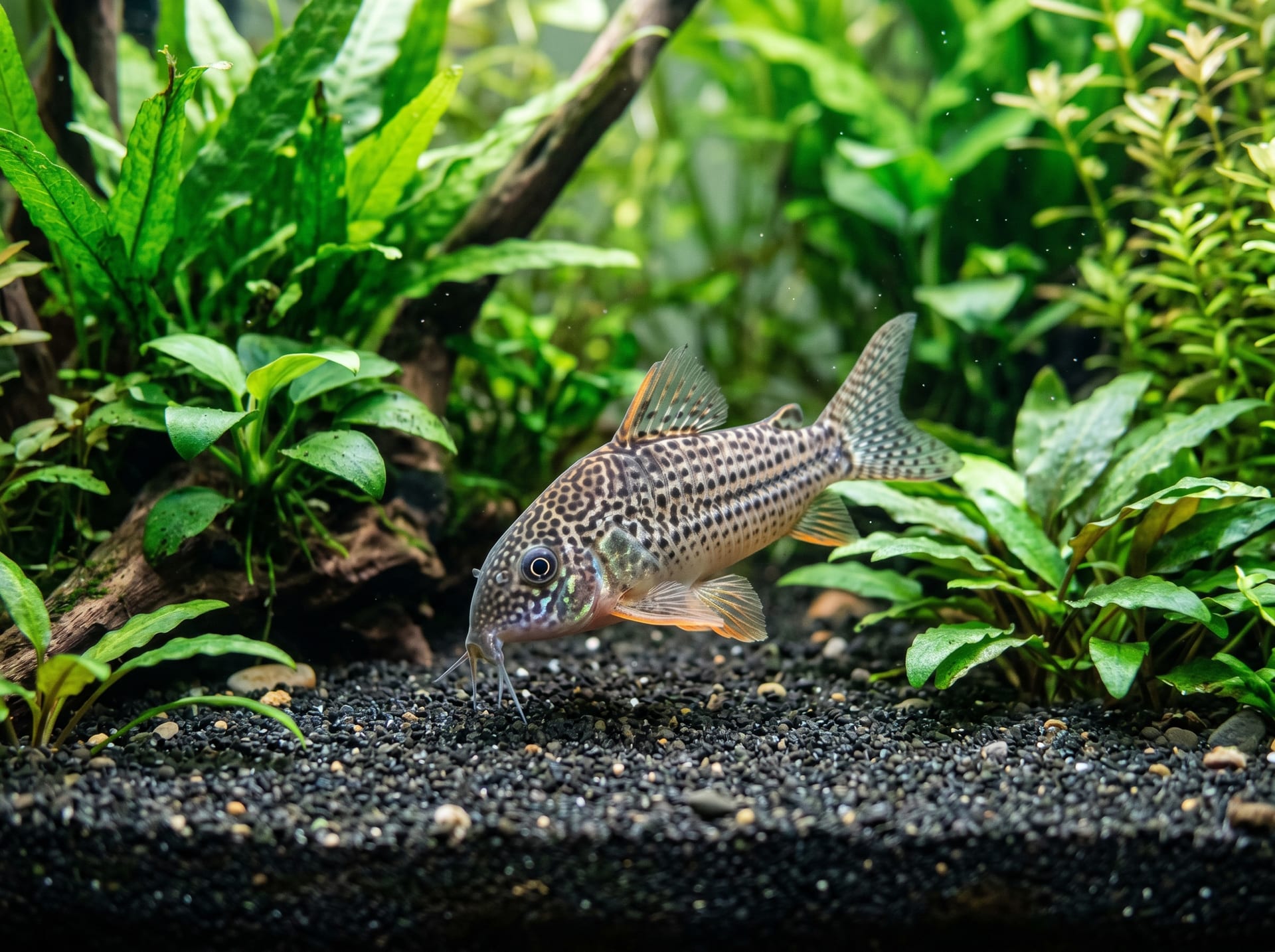
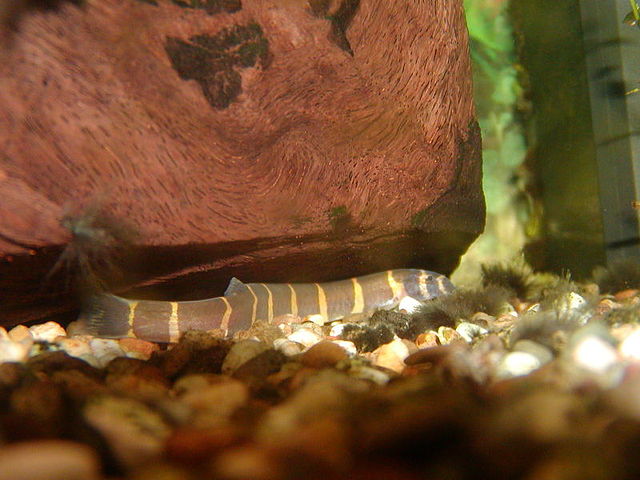
Medium or larger bottom-dwellers such as corydoras and coolie loaches
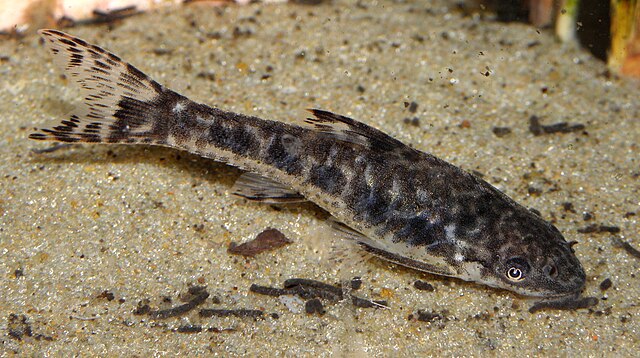
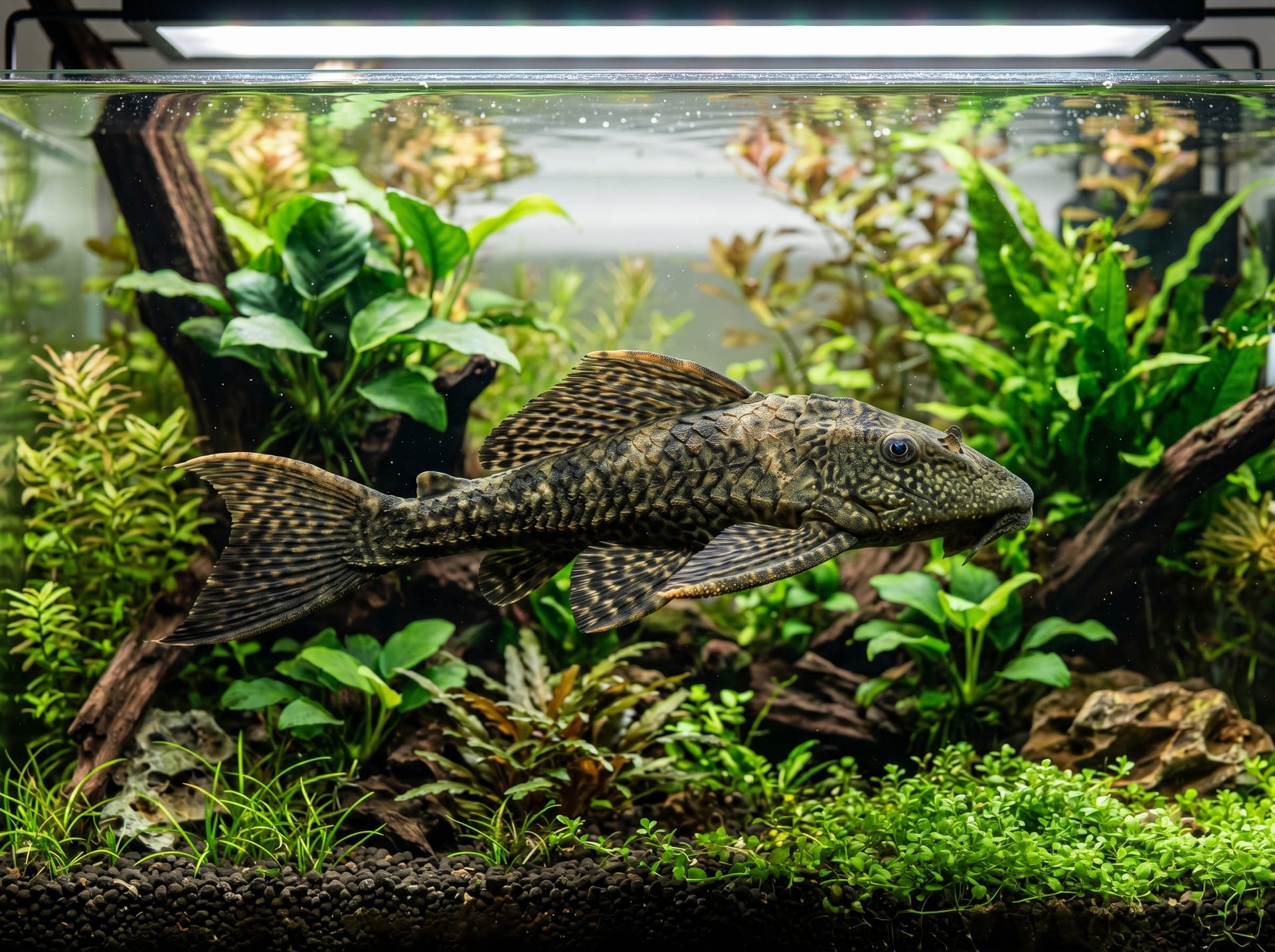
Plecos and otocinclus (useful as algae eaters)
Medium-sized tetras of similar or larger size (but continue observing for individual variation)
Cohabitation with females (pair breeding) is done for reproduction, but males may persistently chase and injure females. Provide plenty of plant cover for females to escape into, and regularly check that their fins are not becoming increasingly damaged. It is safer to keep males and females in separate tanks outside of breeding season.
Attempting to Breed
Paradise Fish reproduce via bubble nest spawning, similar to bettas. If conditions are right, spawning often occurs naturally, making this an approachable species for those experiencing labyrinth fish breeding for the first time. Following the steps in order increases the success rate.
Conditioning: Feed both male and female high-protein foods such as frozen bloodworms or live brine shrimp for 1–2 weeks to build up their body condition.
Water change stimulation: Supplying a large amount of fresh water at 25–28°C to the breeding tank can trigger spawning.
Introduce the pair: Once the male begins building a bubble nest near the water surface, move the female into his tank. The male will perform courtship displays repeatedly and eventually embrace the female with his body to spawn.
Isolate the female after spawning: Once spawning is complete, the male begins guarding the eggs and fry and will aggressively chase the female. Move the female to a separate tank immediately.
Rearing fry: Eggs hatch in 2–3 days. Initially feed infusoria (Paramecium) or commercial liquid fry food, then transition to frozen brine shrimp nauplii after about a week. The male guards the area around the bubble nest until the fry begin free-swimming, at which point remove the parent as well.
Successfully breeding Paradise Fish offers the joy of observing fry grow day by day, one of the great pleasures of keeping labyrinth fish.
Related Species, Variants, and Selection Tips
Several related species and cultivated variants of Paradise Fish are available in the hobby.
Black Paradise Fish (Macropodus spechti): Features black to dark green coloration and is somewhat larger in build. Reported to be more aggressive than the standard form, requiring even greater care in tankmate selection.
Round-tailed Paradise (Round-tail Paradise): A population with rounded caudal fins. Most have coloration similar to the standard form, with more modest fin extensions and a sleeker appearance.
Albino and Long-fin Cultivars: Variants with intensified red coloration or notably elongated fins are available, offering the enjoyment of seeking out a highly collectible individual.
Check the following points when purchasing:
No fin rot or melting (signs of bacterial infection or ich)
Swimming with dorsal and caudal fins properly extended
No white spots, wounds, or bleeding on the body
Active feeding response
Paradise Fish are more active swimmers than bettas, moving lively throughout the tank. Their beautiful striped pattern and spirited swimming make them a captivating species once you keep them. With their hardiness and ease of breeding, please consider this species as your next step into labyrinth fish keeping.