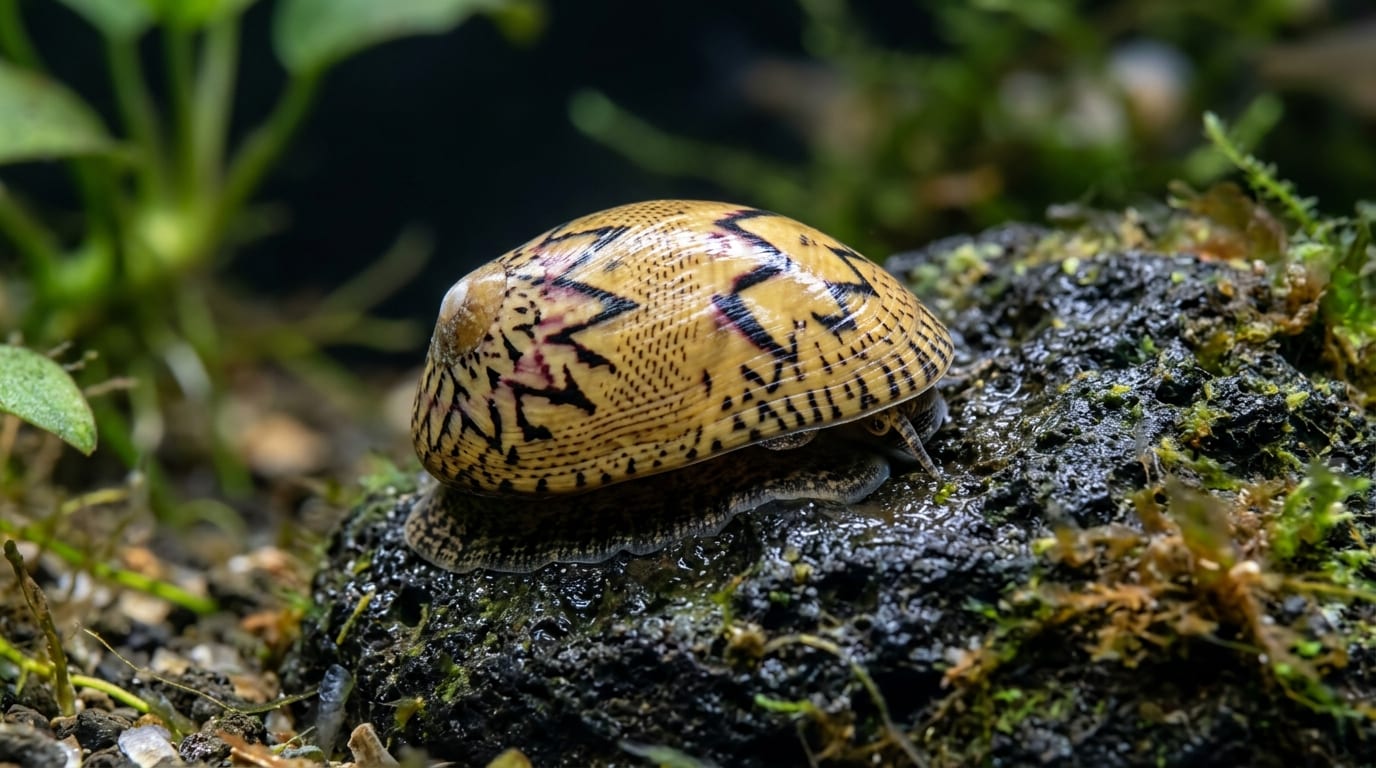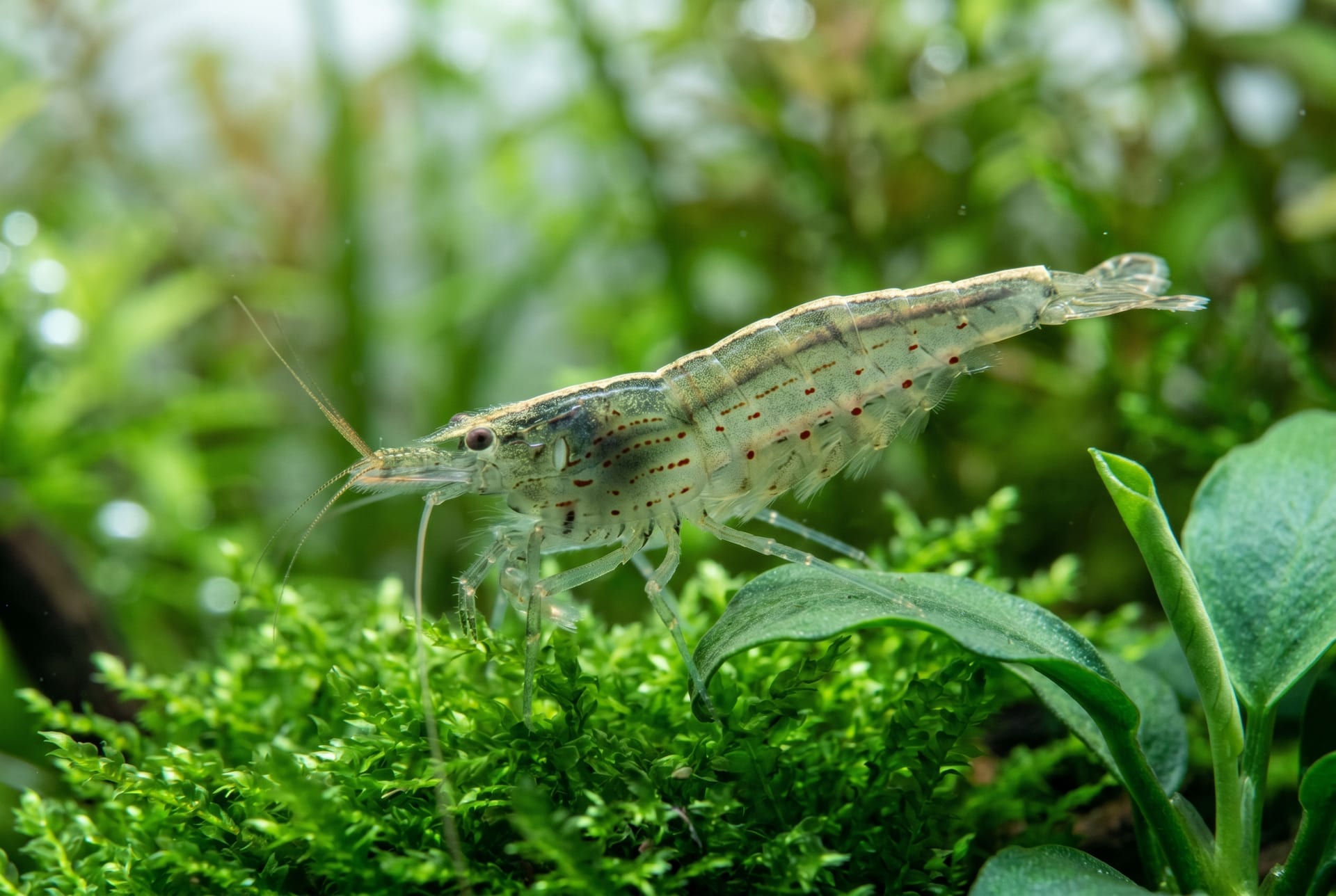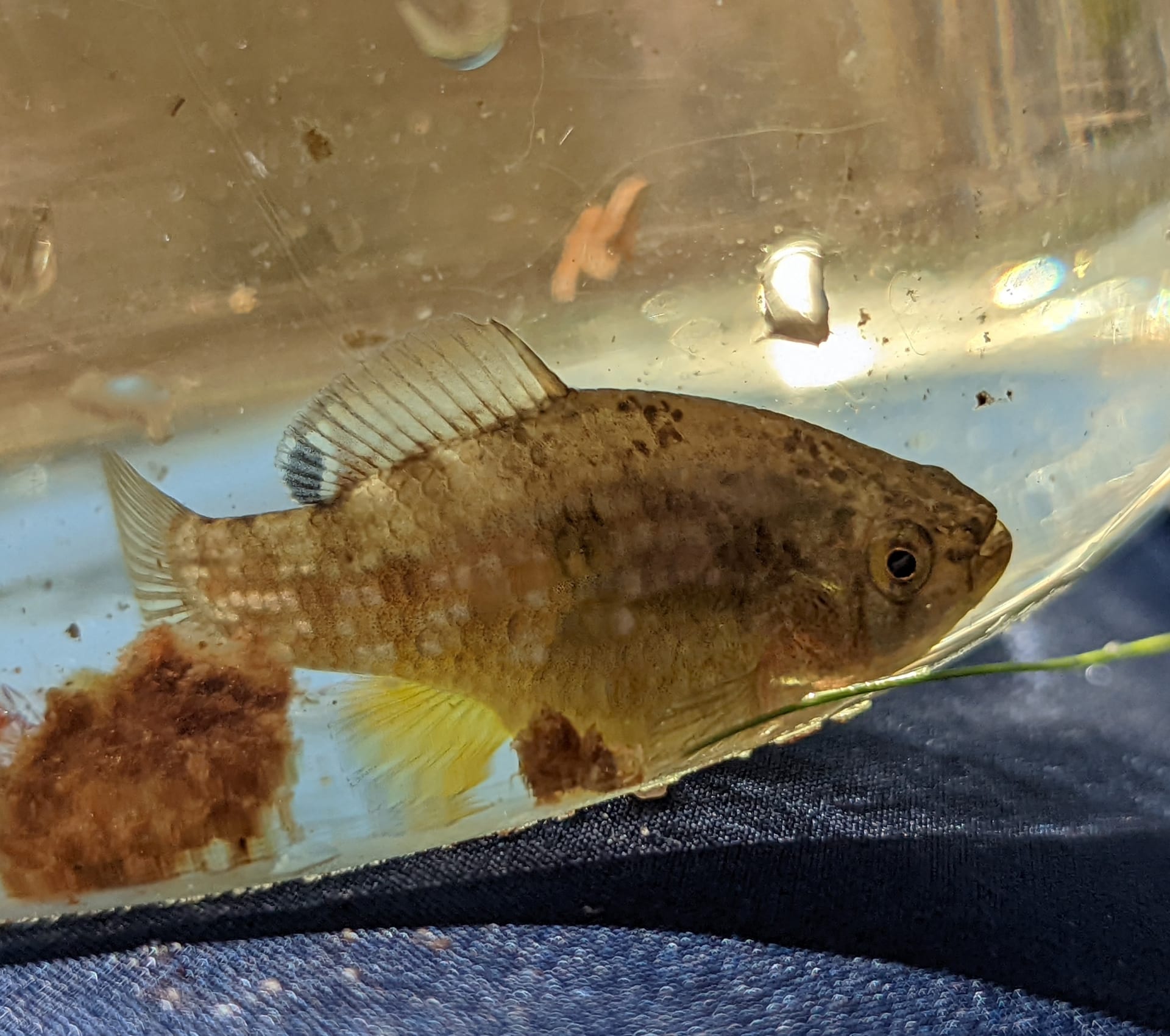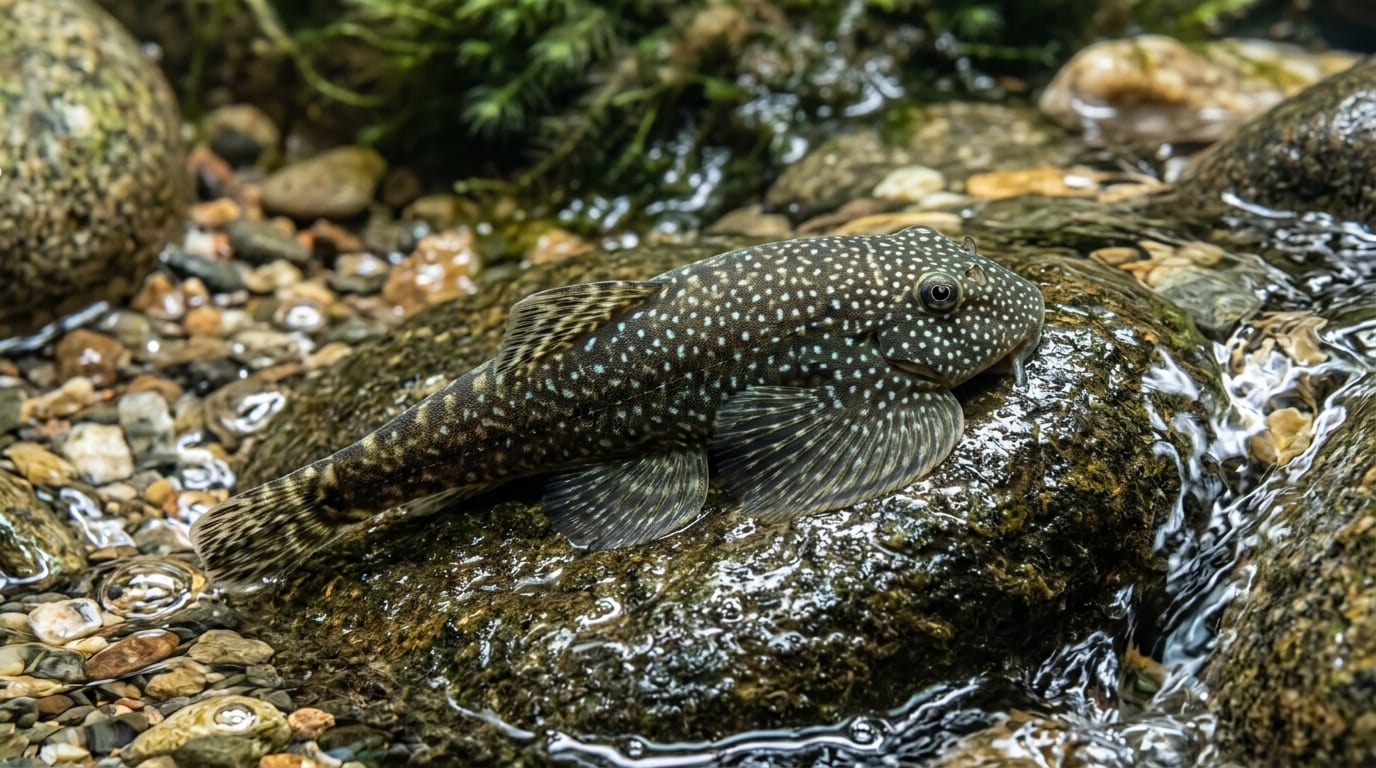
AI-generated image
Bristlenose Pleco
BeginnerAncistrus cf. cirrhosus
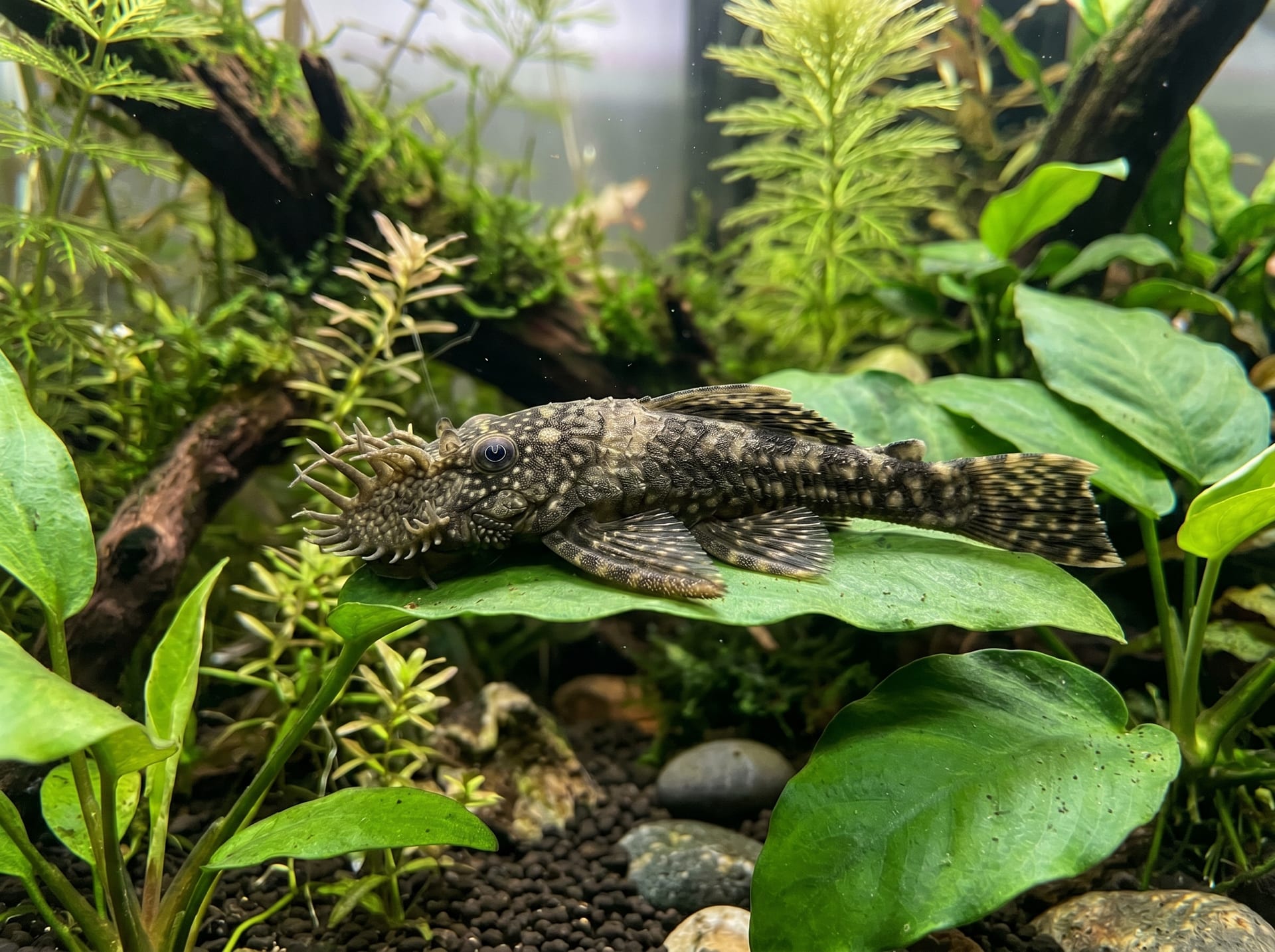
A small pleco with distinctive bristle-like growths around the mouth. Popular tank cleaner with strong algae-eating ability.
Difficulty
Beginner
Temperature
22〜28℃
Lifespan
10-15 years
Size
10-15cm
Diet
Algae, Vegetables, Artificial feed
About
The bristlenose pleco (Ancistrus sp.), also called the bushy-nose pleco, is a small loricariid catfish widely distributed across the Amazon River basin of South America. At 10–15 cm, it is significantly smaller than the common pleco, making it far better suited to standard home aquariums. Its most distinctive feature is the branched, tentacle-like bristles that develop on the snout of mature males — the dense growth resembles a tiny bush, hence the alternative common name. An outstanding algae eater, bristlenose plecos graze effectively on glass, driftwood, and substrate. The inclusion of driftwood is particularly beneficial as they actively rasp and consume the wood, providing dietary fiber. Nocturnal by nature, they spend daylight hours concealed under driftwood or in corners. Breeding follows cave-spawning behavior: males guard eggs laid in hollow logs or PVC tubes until hatching. Popular variants include the albino form and the long-fin variety.
Lifespan of the Bristlenose Pleco
The Bristlenose Pleco lives 10-15 years.
Lifespan exceeds 10–15 years in good conditions.
Size of the Bristlenose Pleco
The Bristlenose Pleco grows to 10-15cm.
Temperature & humidity for the Bristlenose Pleco
The ideal water temperature for the Bristlenose Pleco is 21〜26℃.
They adapt well to 22–28°C at pH 6.5–7.5 and handle slightly cooler temperatures with reasonable resilience.
Basic Info
Origin
Amazon River basin, South America
Care Specifications
- pH
- 5.5–7.5
- Hardness (GH)
- 1–15 dGH
- Water Temp.
- 21–26℃
- Min. Tank
- 54 L
PeacefulPairBreeding: Easy
Sources: Seriously Fish
References & Sources
Edited & verified by: BreederDirect editorial team
The taxonomic, regulatory, and husbandry data on this page are compiled and verified against the authoritative primary sources below.
Primary sources
Taxonomy & Authority
Accepted name: Ancistrus cf. cirrhosus (Valenciennes, 1836)
Synonyms: Chaetostomus cirrhosus (Valenciennes, 1836), Chaetostomus cirrhosus var. maculatus Steindachner, 1881, Chaetostomus cirrhosus var. punctata Steindachner, 1881, Hypostomus cirrhosus Valenciennes, 1836
Authority databases: GBIF
Nomenclature follows global taxonomic authority databases.
Regulations & Conservation Status
Not CITES-listed
Bushy Pleco. No CITES-listed species within the genus Ancistrus.
Sources: FishBase / Seriously Fish / CITES Appendices (Checklist)
Regulations may change. Always verify the latest information with the relevant authorities.
Bristlenose Pleco Listings
Loading latest listingsFind listings for this species