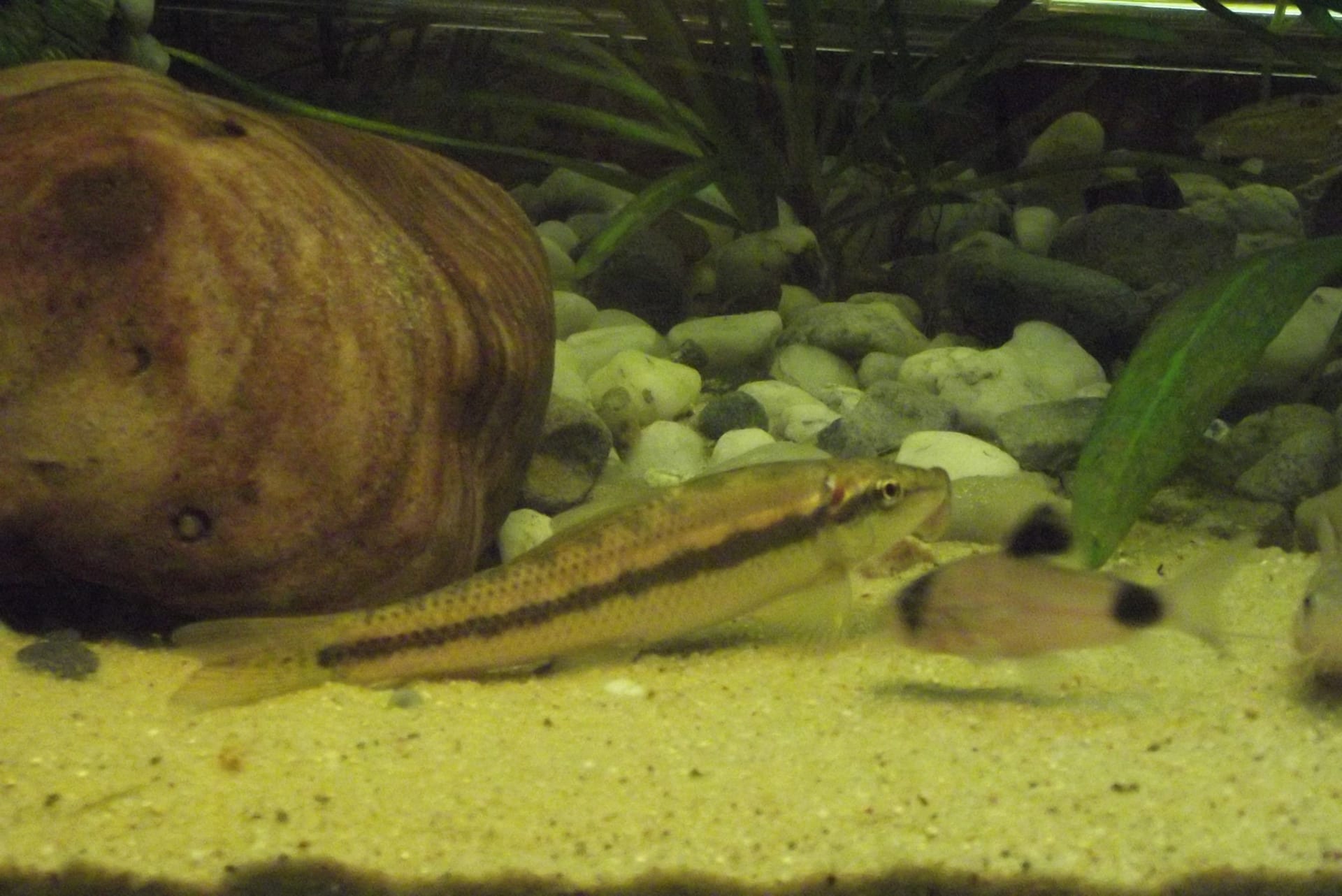
Source: Wikimedia Commons
Chinese Algae Eater
IntermediateGyrinocheilus aymonieri
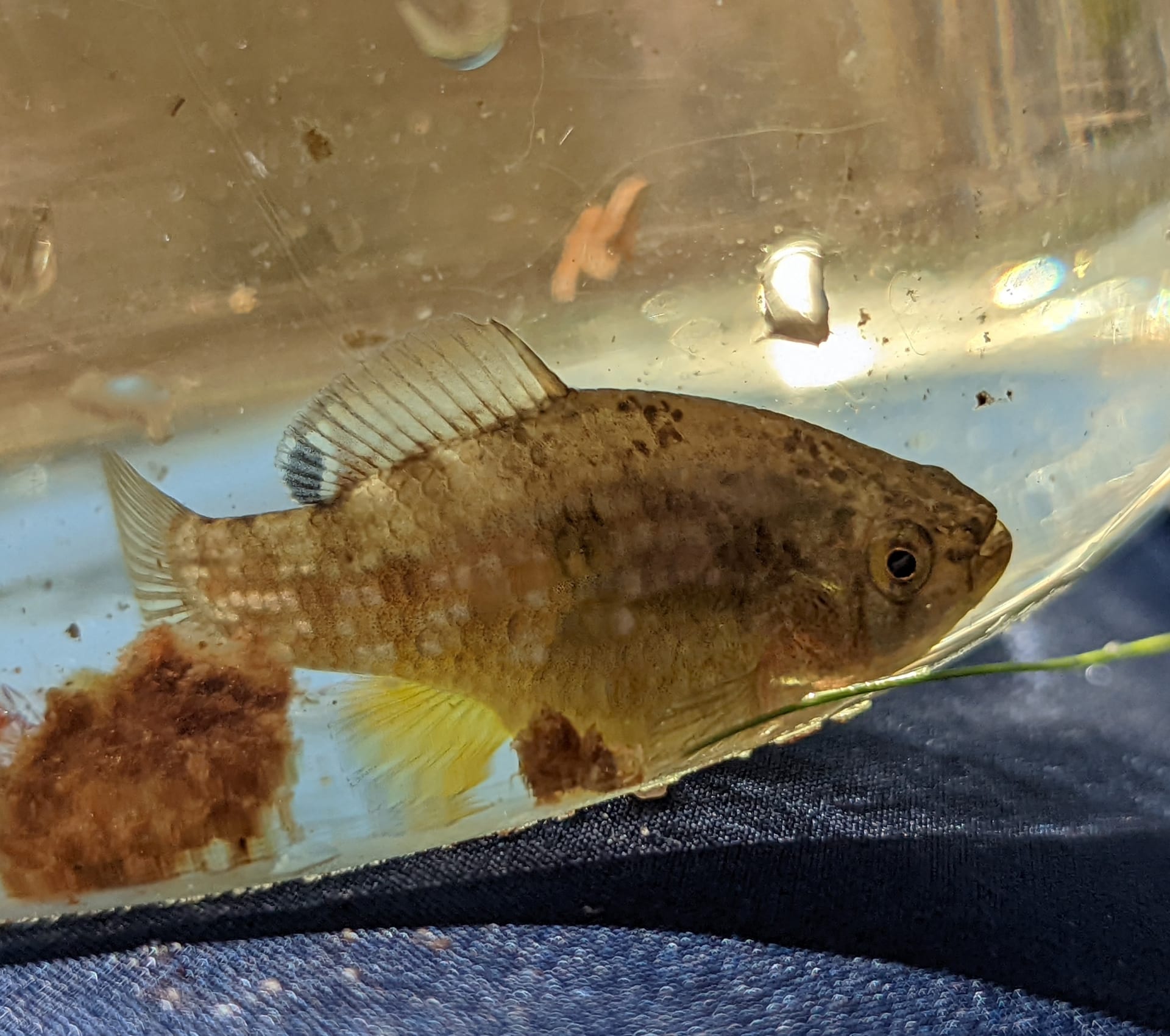
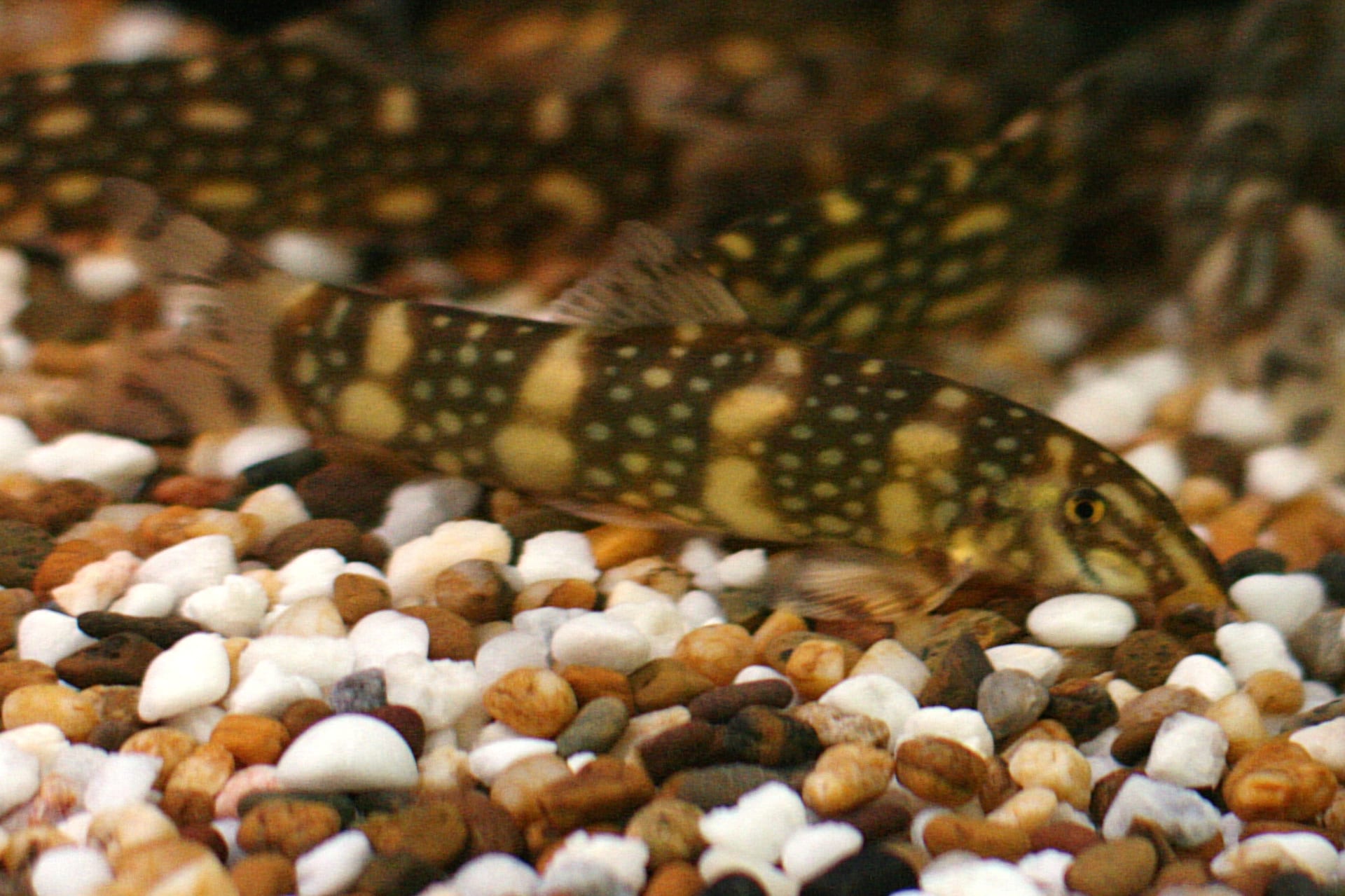
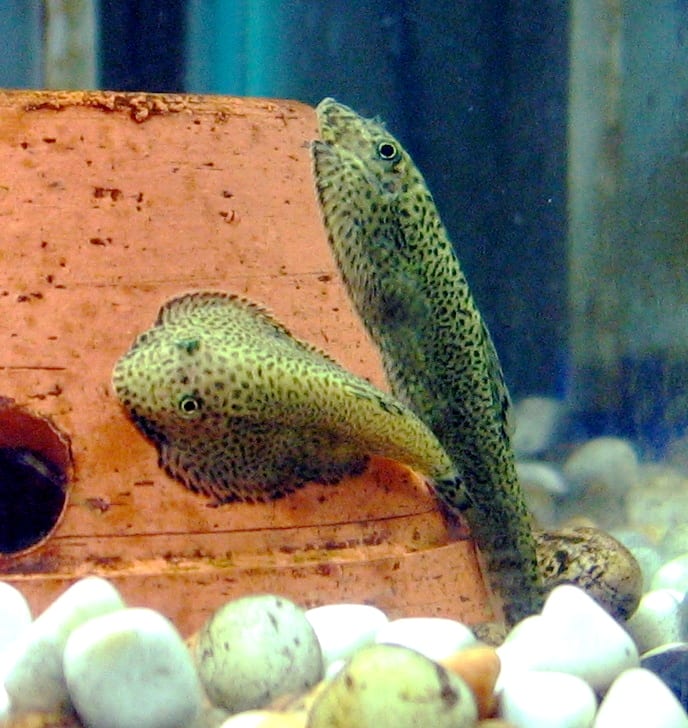
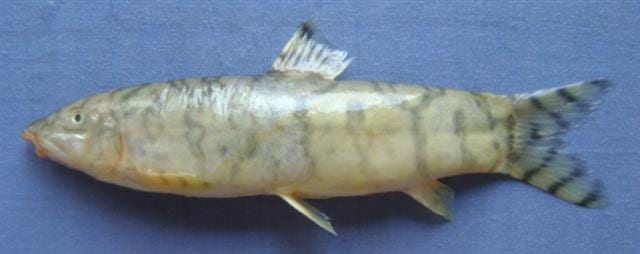
A fish that clamps onto rock and glass with a sucker-like mouth to rasp algae. Juveniles graze algae, but it reaches 28cm and grows increasingly territorial, so it does not suit a community tank.
Difficulty
Intermediate
Temperature
22〜26℃
Lifespan
Can exceed 15 years
Size
Up to 28cm
Diet
Algae, vegetable-based dried foods, animal foods such as frozen bloodworm
About
Gyrinocheilus aymonieri lives in the Mekong, Chao Phraya and neighbouring rivers of Southeast Asia. FishBase gives a standard length of 28.0cm, and Seriously Fish likewise 280mm. It clamps onto solid surfaces in flowing water with its sucker-like mouth and rasps algae, periphyton and phytoplankton, though it also takes insect larvae and zooplankton. Because the mouth is used for attachment, it breathes by drawing water in through a small spiracle and passing it over the gills. Juveniles are sold cheaply as algae eaters, but the fish becomes increasingly territorial as it grows, and Seriously Fish states plainly that it is unsuitable for a community. It is especially aggressive towards similar-looking fishes such as Garra and Epalzeorhynchos, and it may attach to the flanks of larger tankmates to feed on their mucus. Seriously Fish gives a 150 x 45cm tank of about 304 litres, 22-26C, pH 6.0-8.0 and 2-20dGH. There is no record of aquarium breeding, and trade stock is hormone-induced. IUCN status is Least Concern.
Source: Wikipedia (CC BY-SA 4.0)
Lifespan of the Chinese Algae Eater
The Chinese Algae Eater lives Can exceed 15 years.
Size of the Chinese Algae Eater
The Chinese Algae Eater grows to Up to 28cm.
Temperature & humidity for the Chinese Algae Eater
The ideal temperature for the Chinese Algae Eater is 22〜26℃.
Basic Info
Origin
Southeast Asia (Mekong, Chao Phraya and neighbouring basins)
Care Specifications
- pH
- 6–8
- Hardness (GH)
- 2–20 dGH
- Water Temp.
- 22–26℃
- Min. Tank
- 304 L
AggressiveSolitaryBreeding: Very hard
Sources: FishBase / Seriously Fish
References & Sources
Edited & verified by: BreederDirect editorial team
The taxonomic, regulatory, and husbandry data on this page are compiled and verified against the authoritative primary sources below.
Taxonomy & Authority
Accepted name: Gyrinocheilus aymonieri (Tirant, 1883)
Authority databases: FishBase
Nomenclature follows global taxonomic authority databases.
Regulations & Conservation Status
Not CITES-listedIUCN LC · Least Concern
Sources: CITES Appendices (species not listed) / IUCN Red List
Regulations may change. Always verify the latest information with the relevant authorities.
Chinese Algae Eater Listings
Loading latest listingsFind listings for this species