Source: Wikimedia Commons
Reticulate Loach
IntermediateBotia lohachata
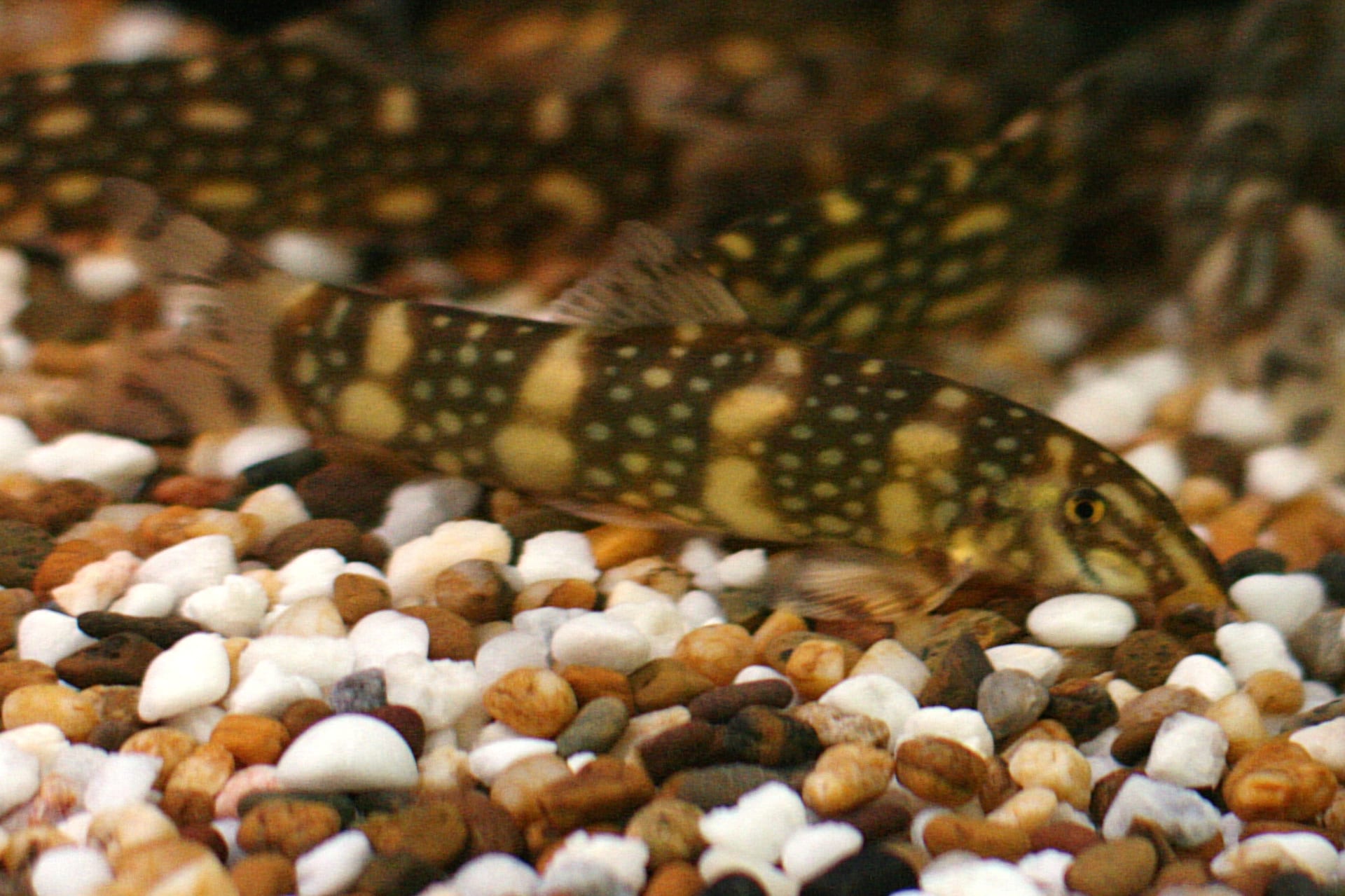
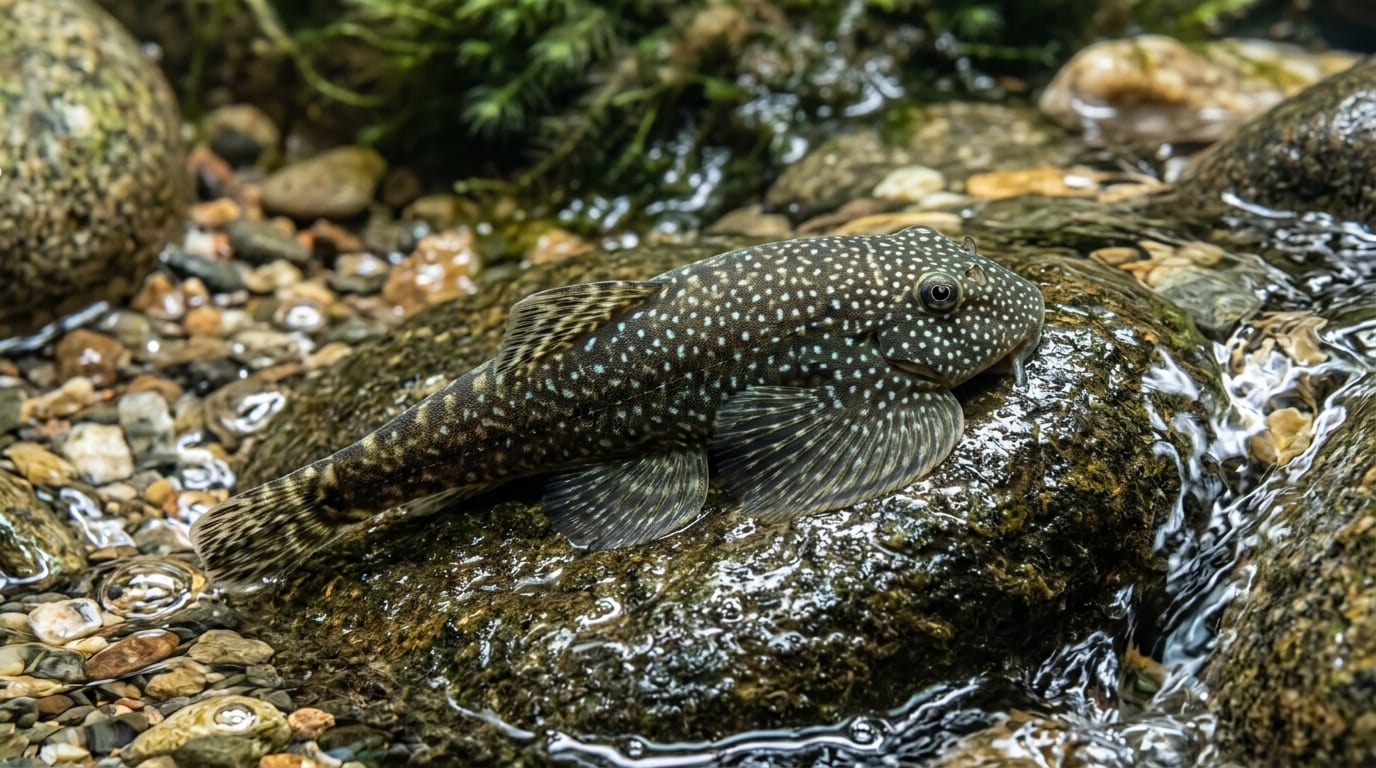
A medium-sized loach with a black reticulated pattern over a silvery body, from the rocky, gravelly rivers of India and Pakistan. It settles when kept in a group and works the bottom of the tank actively.
Difficulty
Intermediate
Temperature
24〜30℃
Lifespan
8-12 years
Size
About 15cm
Diet
Sinking dried foods, frozen bloodworm, Tubifex, vegetables such as cucumber
About
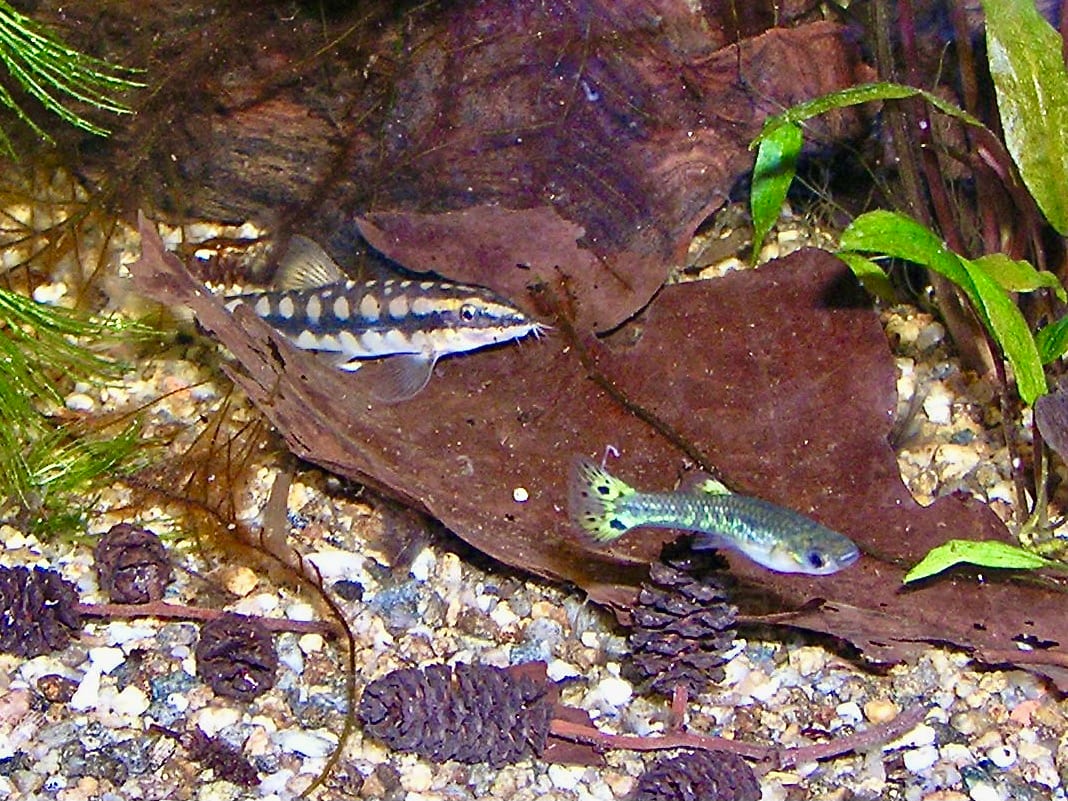
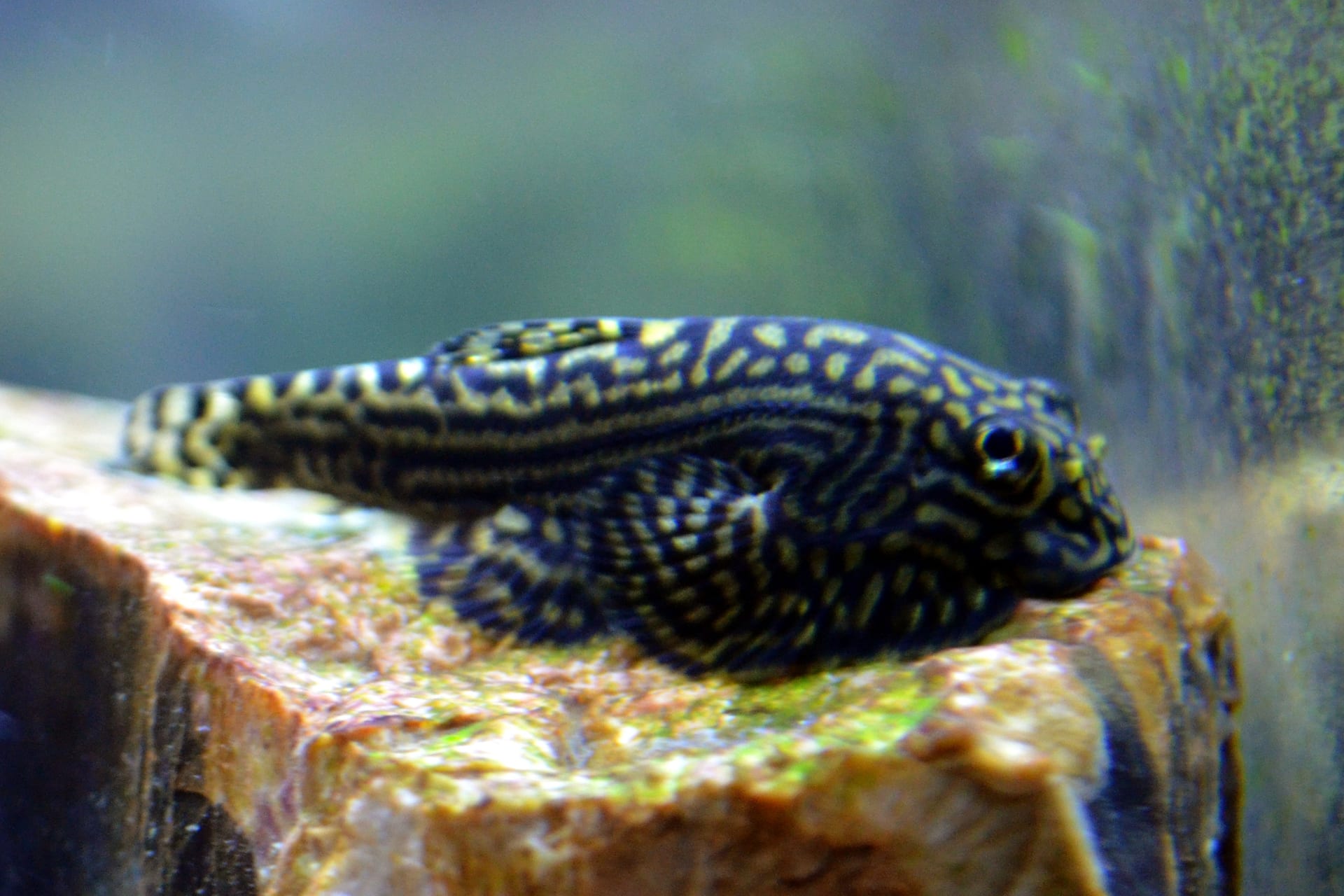
Botia lohachata is a loach of the Ganges and neighbouring basins from Pakistan into India. FishBase gives a total length of 15.4cm, and it inhabits creeks with rocky and gravel bottoms. A black reticulated pattern runs over a silvery ground, and in juveniles the marks read as the letters i and y, the origin of the English name yo-yo loach. FishBase records 24-30C, pH 6.0-8.0 and 5-12dH in the wild. Seriously Fish, under the Botia almorhae grouping that includes this species, gives a 120 x 45cm tank of about 243 litres, pH 6.0-7.5, 2-12dGH and 19-27.5C. A base of sand or fine gravel with rounded stones and driftwood, arranged to give plenty of cover, lets it settle. It is inquisitive and explores the bottom constantly, so it needs space. It is not especially aggressive, but much smaller fish are intimidated by it and slow, long-finned fish such as ornamental bettas and guppies risk nipped fins. There are no reports of natural breeding in aquaria, and trade stock is mostly produced with hormones. IUCN status is Least Concern.
Source: Wikipedia (CC BY-SA 4.0)
Lifespan of the Reticulate Loach
The Reticulate Loach lives 8-12 years.
Size of the Reticulate Loach
The Reticulate Loach grows to About 15cm.
Temperature & humidity for the Reticulate Loach
The ideal temperature for the Reticulate Loach is 24〜30℃.
Basic Info
Origin
South Asia (Pakistan, India, Ganges basin)
Care Specifications
- pH
- 6–8
- Hardness (GH)
- 5–12 dGH
- Water Temp.
- 24–30℃
- Min. Tank
- 243 L
Semi-aggressiveGroupBreeding: Very hard
Sources: FishBase / Seriously Fish(Botia almorhae 種群)
References & Sources
Edited & verified by: BreederDirect editorial team
The taxonomic, regulatory, and husbandry data on this page are compiled and verified against the authoritative primary sources below.
Taxonomy & Authority
Accepted name: Botia lohachata Chaudhuri, 1912
Authority databases: FishBase
Nomenclature follows global taxonomic authority databases.
Regulations & Conservation Status
Not CITES-listedIUCN LC · Least Concern
Sources: CITES Appendices (species not listed) / IUCN Red List
Regulations may change. Always verify the latest information with the relevant authorities.
Reticulate Loach Listings
Loading latest listingsFind listings for this species