Source: Wikimedia Commons
Dwarf Chain Loach
IntermediateAmbastaia sidthimunki
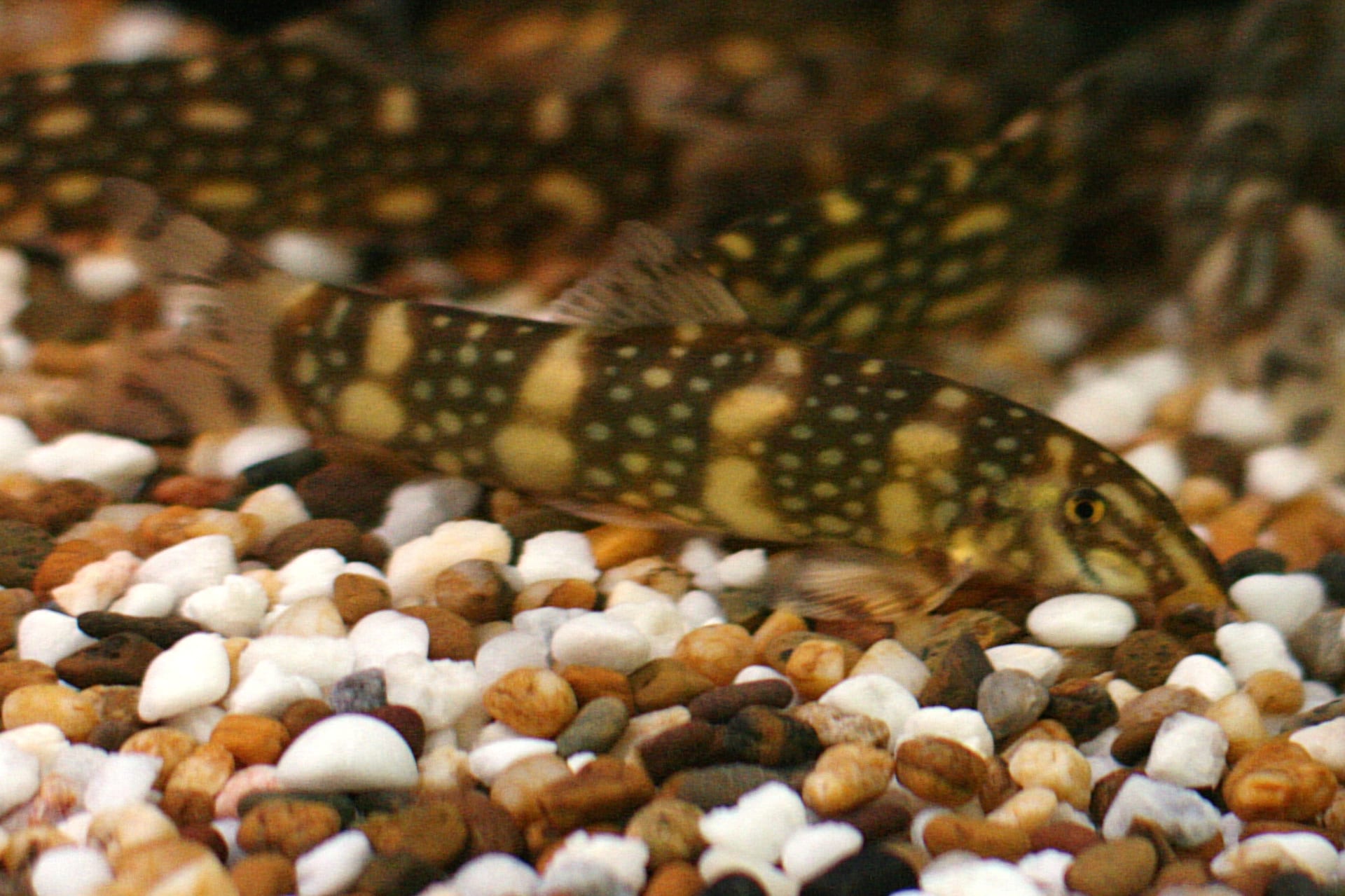
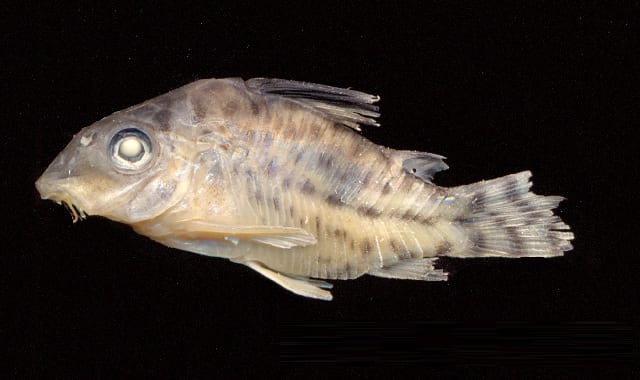
A small loach of about 6cm whose dark dorsal stripe and reticulated flanks read as a chain. Diurnal and shoaling a little above the substrate, it is one of the few loaches that suits a planted tank.
Difficulty
Intermediate
Temperature
20〜30℃
Lifespan
8-12 years
Size
5.5-6cm
Diet
Sinking dried foods, frozen bloodworm, Daphnia, Artemia
About
Ambastaia sidthimunki is a small loach of the Chao Phraya and Mekong basins in Thailand and Myanmar. FishBase gives a standard length of 5.5cm and Seriously Fish 60mm. It lives in medium to large rivers, flooded fields and small turbid lakes, and is active by day, shoaling a little above the bottom. That habit and its small size make it one of the few loaches suited to a planted tank. Seriously Fish gives 20-30C, pH 5.5-7.5, 1-12dGH and an 80 x 30cm tank of about 72 litres. Opinions on its temperament are divided: some keepers find it peaceful over the long term, while others report damaged eyes and fins in sedentary or long-finned tankmates. Seriously Fish cannot explain the difference but advises against small aquaria and recommends as large a group as possible. In the wild it appears to be a seasonal, migratory spawner, and success in private aquaria is very rare. Trade stock is mostly hormone-induced. IUCN status is Endangered.
Source: Wikipedia (CC BY-SA 4.0)
Lifespan of the Dwarf Chain Loach
The Dwarf Chain Loach lives 8-12 years.
Size of the Dwarf Chain Loach
The Dwarf Chain Loach grows to 5.5-6cm.
Temperature & humidity for the Dwarf Chain Loach
The ideal temperature for the Dwarf Chain Loach is 20〜30℃.
Basic Info
Origin
Southeast Asia (Thailand and Myanmar, Chao Phraya and Mekong basins)
Lifespan
Care Specifications
- pH
- 5.5–7.5
- Hardness (GH)
- 1–12 dGH
- Water Temp.
- 20–30℃
- Min. Tank
- 72 L
Semi-aggressiveGroupBreeding: Very hard
Sources: FishBase / Seriously Fish
References & Sources
Edited & verified by: BreederDirect editorial team
The taxonomic, regulatory, and husbandry data on this page are compiled and verified against the authoritative primary sources below.
Taxonomy & Authority
Accepted name: Ambastaia sidthimunki (Klausewitz, 1959)
Synonyms: Botia sidthimunki, Yasuhikotakia sidthimunki
Authority databases: FishBase
Nomenclature follows global taxonomic authority databases.
Regulations & Conservation Status
Not CITES-listedIUCN EN · Endangered
Sources: CITES Appendices (species not listed) / IUCN Red List
Regulations may change. Always verify the latest information with the relevant authorities.
Dwarf Chain Loach Listings
Loading latest listingsFind listings for this species