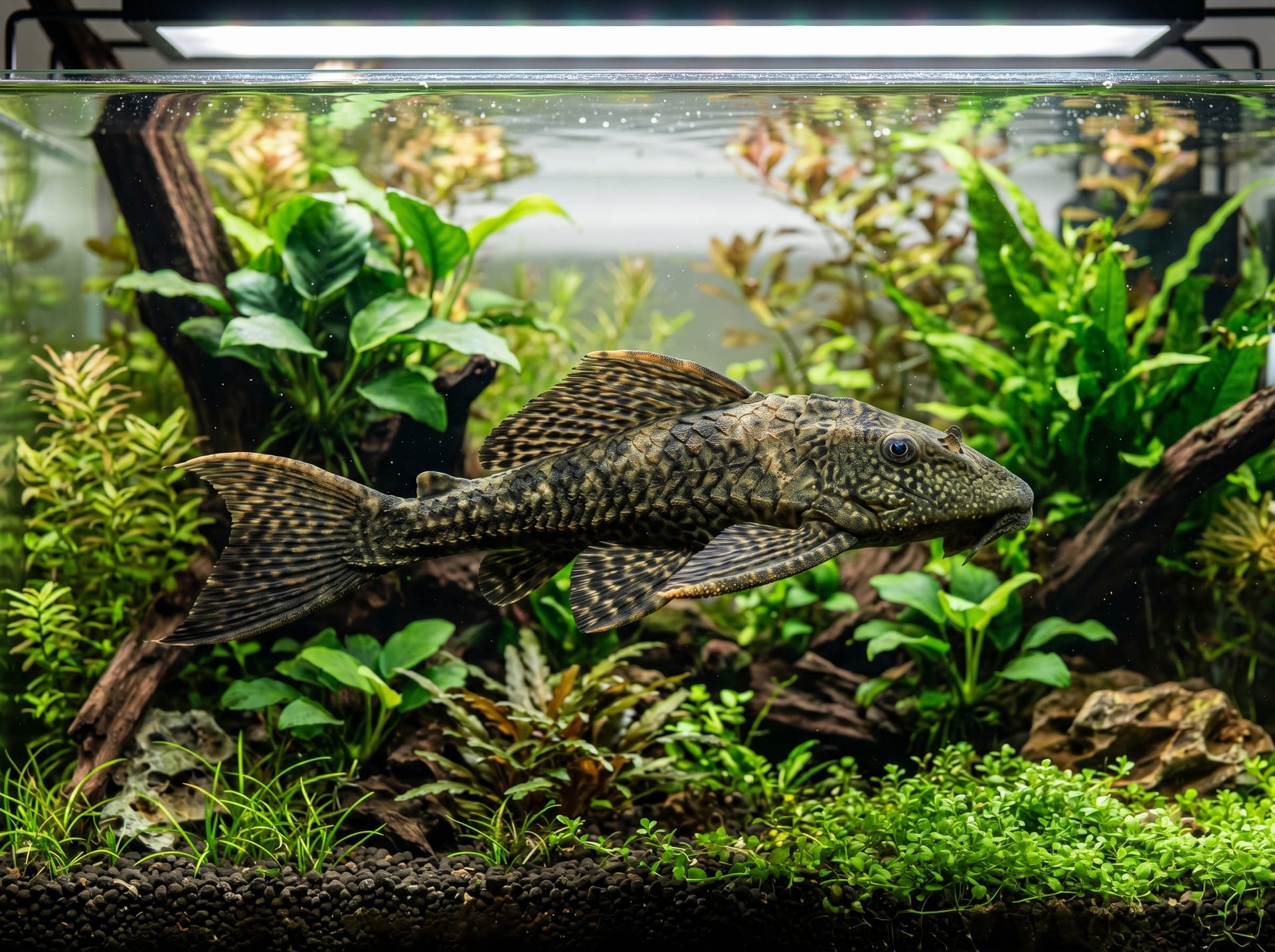
Hillstream Loach (Gastromyzon) Care Guide | Creating Rapids Environments, Feeding, and Tank Mates
Learn how to care for hillstream loaches (Gastromyzon spp.), unique bottom-dwelling fish that cling to rocks. This guide covers creating strong currents and high-oxygen environments that mimic rapids, tips for maintaining lower water temperatures, feeding methods to supplement their algae-based diet, and how to choose compatible tank mates.
Key Takeaways
Learn how to care for hillstream loaches (Gastromyzon spp.), unique bottom-dwelling fish that cling to rocks. This guide covers creating strong currents and high-oxygen environments that mimic rapids, tips for maintaining lower water temperatures, feeding methods to supplement their algae-based diet, and how to choose compatible tank mates.
Hillstream loaches (hillstream loach) are a unique group of bottom-dwelling fish that cling to rocks in fast-flowing waters. Their distinctive appearance, with a sucker-like belly that allows them to stick to rocks, is unlike any other tropical fish, and they add a unique biological character to planted aquariums and stone-arranged layouts. This article focuses primarily on the representative genus Gastromyzon (Gastromyzon spp.) and provides detailed explanations of hillstream loach characteristics, optimal tank environments, and care tips.
✍️
BreederDirect Editorial
The BreederDirect editorial team specializes in care information for animals, covering veterinary care and breeding to deliver beginner-friendly guides.
Find Tropical Fish on BreederDirect
Buy directly from verified breeders
Browse Related Listings
Find Tropical Fish listings related to this article on BreederDirect. Buy directly from verified breeders.
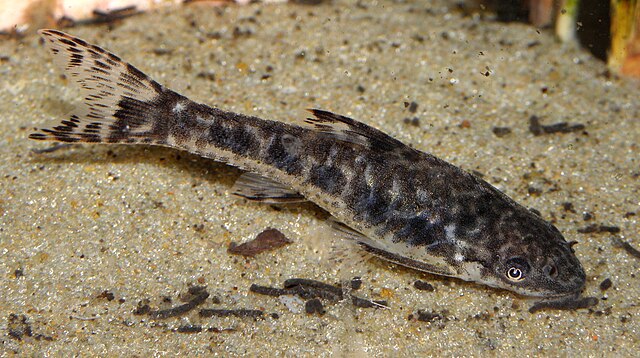
Hillstream loaches are a collective term for small Asian bottom-dwelling fish belonging to the Balitoridae or Homolopteridae family. They inhabit mountain streams in regions such as Borneo, the Philippines, and the Indochinese Peninsula. They have a unique ecology—clinging to rocks and stones about fist-sized in fast currents using their sucker-structured belly, and scraping off and eating algae (moss).
Representative Species
Species
Origin
Characteristics
Gastromyzon punctulatus
Borneo
Spotted body pattern; the most commonly available species
Gastromyzon ctenocephalus
Borneo
Fine protrusions on the head
Beaufortia kweichowensis
China
5–7 cm in length; hardy and beginner-friendly
Sewellia lineolata
Vietnam
Distinctive yellow reticulated pattern on the body; particularly beautiful
Pseudogastromyzon cheni
Hong Kong/Guangdong
Characterized by an elongated body shape
Pet shops sell them under various names such as "hillstream loach," "starry night loach," and "Borneo pleco," making species identification difficult at times.
Setting Up the Optimal Tank Environment
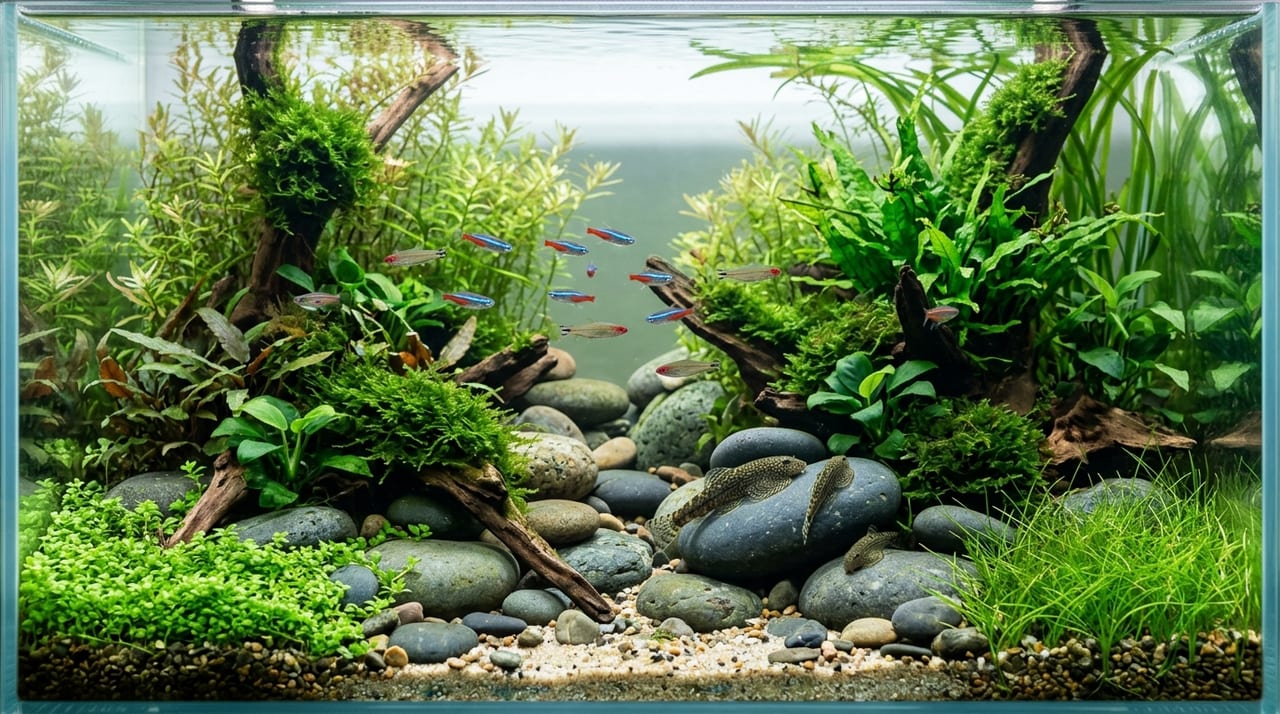
To maintain hillstream loaches long-term, recreating an environment similar to rapids is essential.
Tank Size and Equipment
Tank: 45–60 cm or larger recommended; wider floor space is better
Filter: A powerful external or undergravel filter system is ideal; higher flow rates increase oxygen levels
Water current: Create strong water movement; optimize sponge filter or power filter outlet positioning to enhance flow
Aeration: Due to high oxygen demands, run aeration continuously in addition to external filtration
Water Parameters
Parameter
Recommended Range
Water temperature
20–25°C (68–77°F)
pH
6.5–7.5
Hardness
GH 4–10
Dissolved oxygen
High
The key is maintaining lower water temperatures. Since their natural habitat is mountain streams, temperatures above 26°C (79°F) cause stress and exhaustion. Consider using an aquarium chiller or cooling fan during summer months.
Substrate and Stone Layout
Hillstream loaches often cling to flat stones and rock surfaces, so using flat river rocks or lava stone in your layout is ideal both biologically and aesthetically. For substrate, fine gravel (2–5 mm grain size) is better than sand as it resists debris accumulation.
Naturally occurring algae on rock surfaces (brown algae and green algae) serve as their primary food, so avoid excessive algae removal.
Feeding
While algae is their primary food, it often lacks sufficient nutrition on its own. Provide the following supplemental foods regularly:
Corydoras tablets: Place sinking tablets near rocks
Spirulina-based flakes: Rich in plant-based nutrients and highly suitable
Blanched spinach and zucchini: Blanch until soft before feeding
Frozen brine shrimp: Offer as a protein source once or twice per week
Note that other fish often eat the food first if present. Feed during lights-off (at night) or confirm that the hillstream loaches are consuming the food.
Choosing Compatible Tank Mates
Hillstream loaches have peaceful temperaments and can generally cohabitate with other fish species. However, keep the following in mind:
Intraspecific aggression: They may quarrel over territory if space is limited. For a 60 cm tank, 3–5 individuals is a good guideline
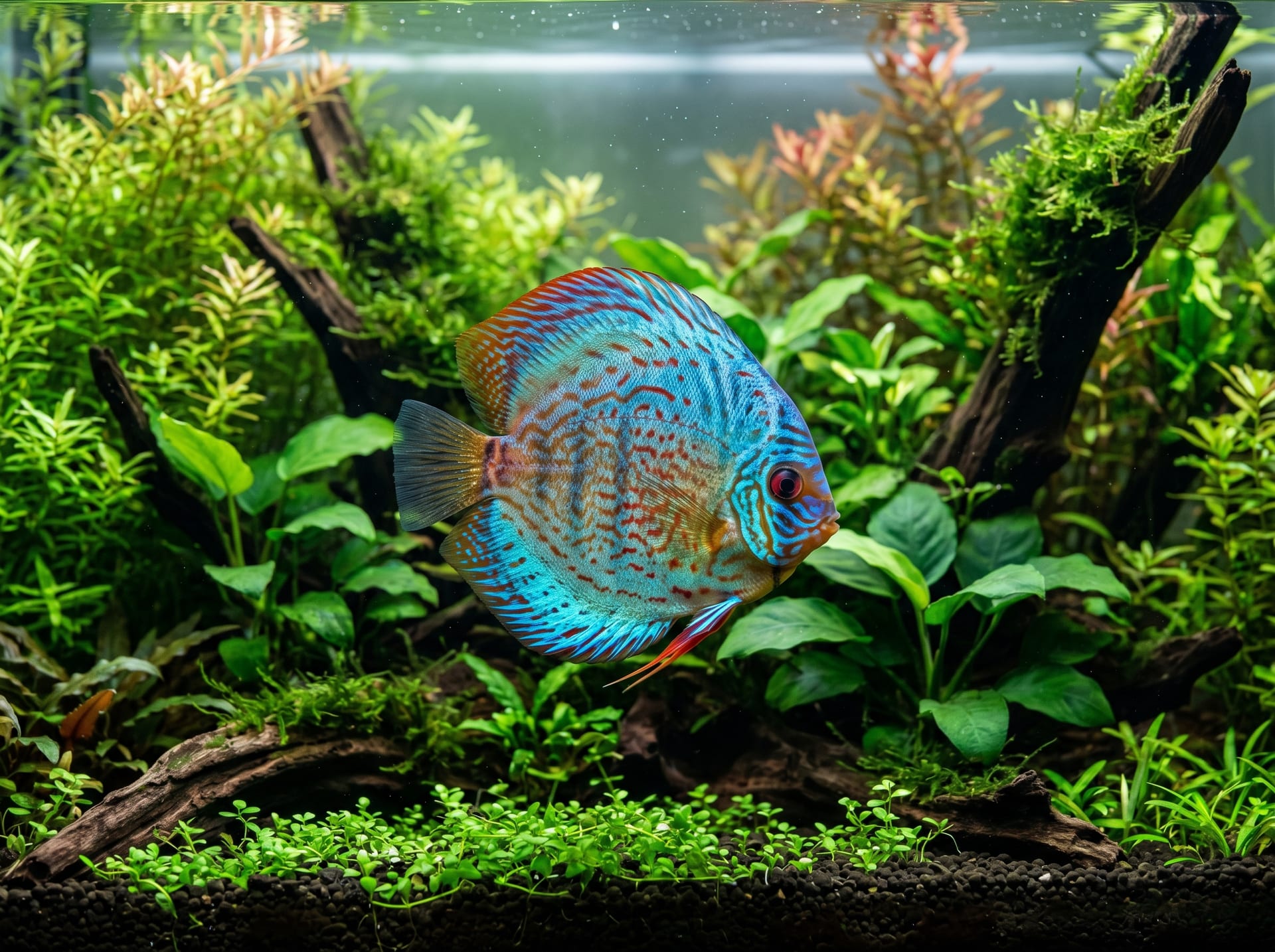
Avoid warm-water fish: Discus and bettas prefer high temperatures, which are unsuitable for hillstream loaches
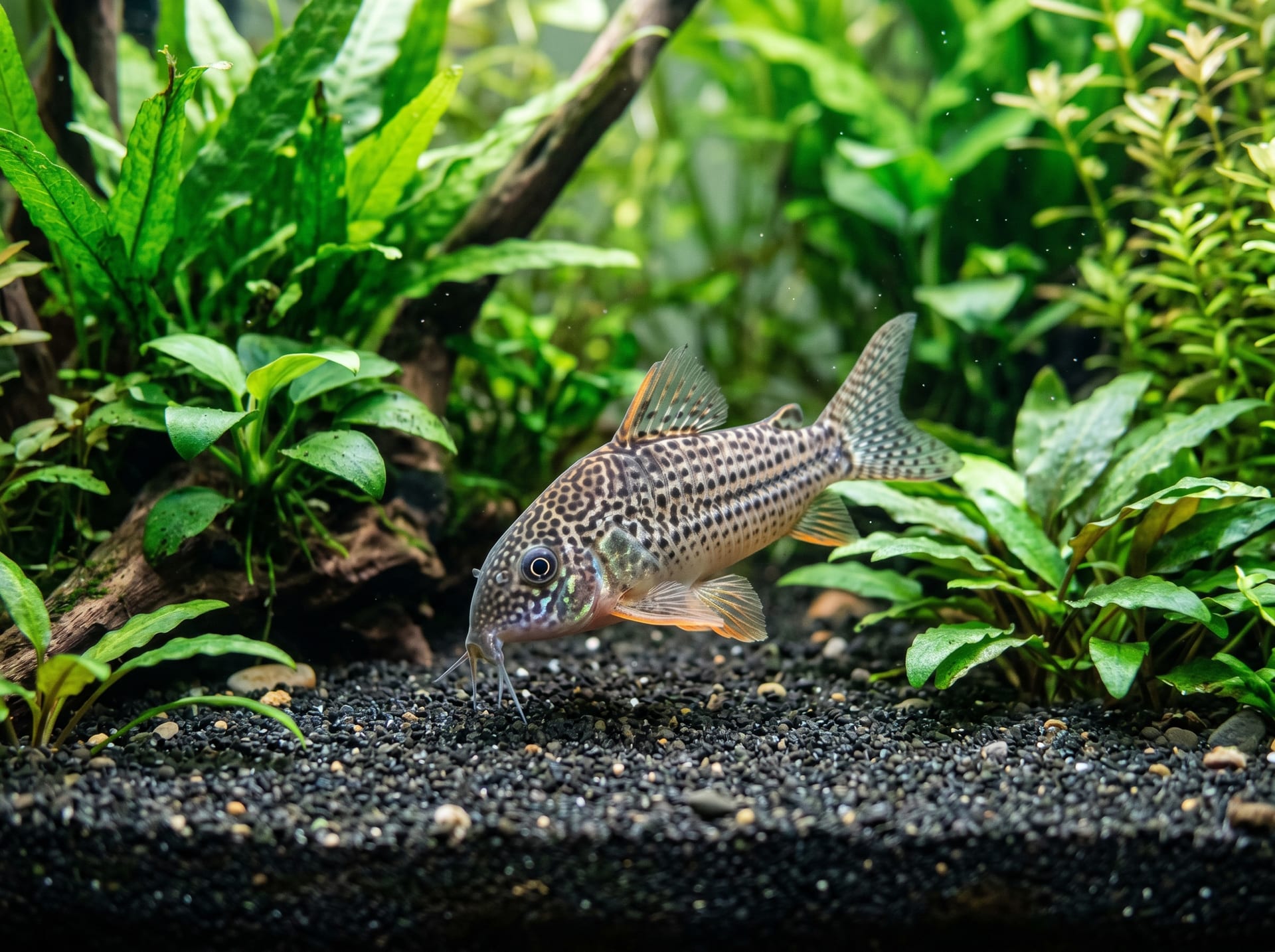
Suitable tank mates: Corydoras species, lamp-eye tetras, small tetras, and otos—peaceful low- to mid-range temperature fish
Breeding
While natural spawning has been documented, planned breeding in home aquariums is challenging. When they spawn, they lay tiny eggs on the undersides of rocks or in crevices. Fry are extremely small and require infusoria or ultra-fine fry food as initial nutrition.
Summary
Hillstream loaches are a unique tropical fish that truly shine in stone-arranged tanks that recreate rapid environments. When you establish the three conditions of water temperature, oxygen, and water flow, you can maintain them healthily for extended periods and observe their characteristic behavior—clinging to rocks or swimming in currents—daily. They also possess algae-eating abilities, making them valuable companion fish for stone-arranged layouts and shrimp tanks. While care difficulty is somewhat high, with proper conditions even beginners can successfully maintain these fascinating fish.