Loach & Dojo Care Guide | How to Raise Crown Loaches and Cobalt Dwarf Loaches
We explain the care methods for popular loach species including Crown Loaches, Cobalt Dwarf Loaches, and Hydra Loaches. We provide detailed guidance on substrate selection, water quality management, schooling techniques, and how to use them for snail control.
Key Takeaways
We explain the care methods for popular loach species including Crown Loaches, Cobalt Dwarf Loaches, and Hydra Loaches. We provide detailed guidance on substrate selection, water quality management, schooling techniques, and how to use them for snail control.
Related Species
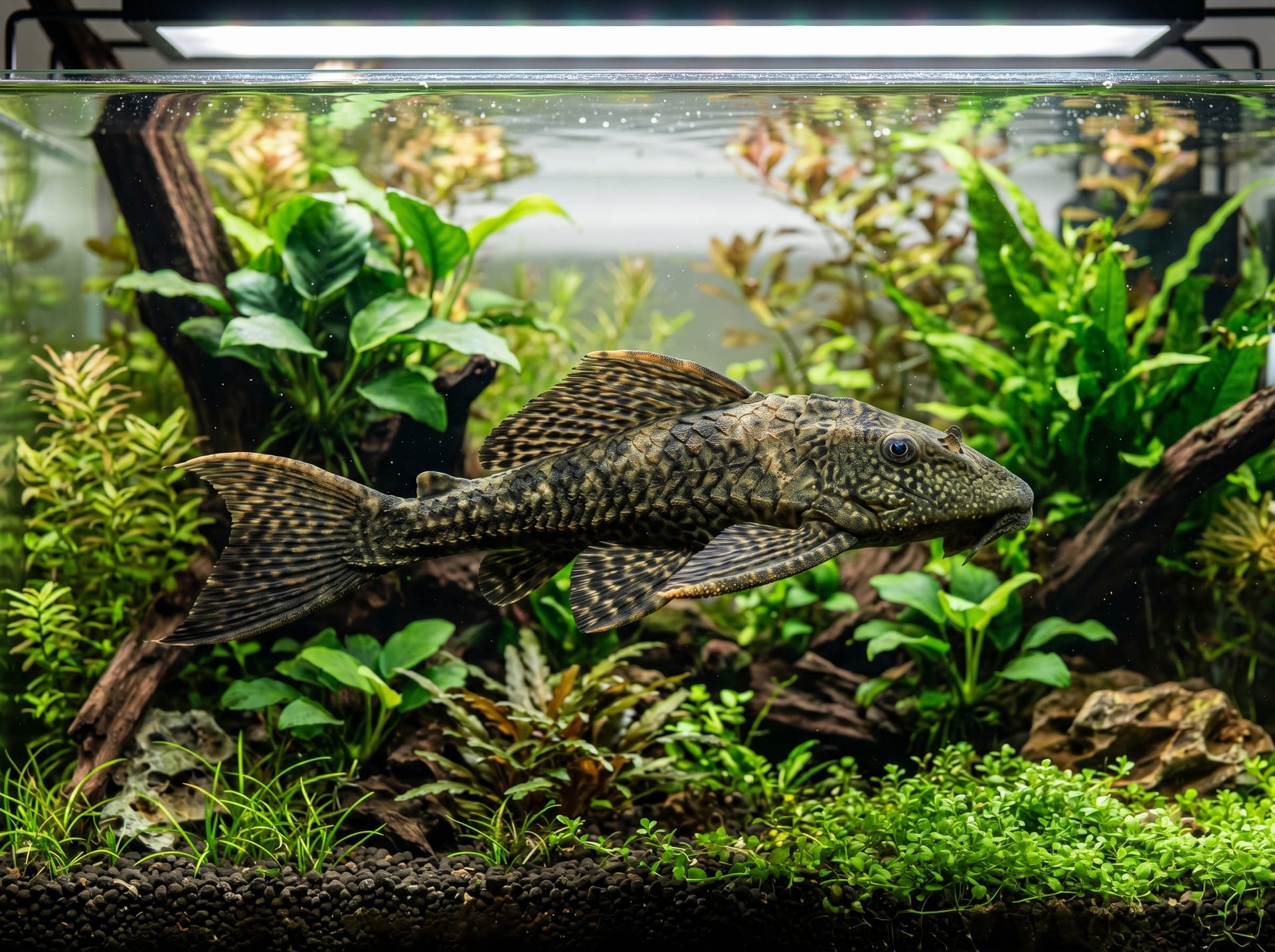
The Appeal of Loaches and Dojos
Loaches are a group of bottom-dwelling fish widely distributed in rivers and lakes throughout Southeast and South Asia. Their elongated bodies and endearing behavior make them popular with tropical fish enthusiasts, and because many species actively prey on snails (gastropods), they are also valued for aquarium management purposes.
Representative species include Crown Loaches (Chromobotia macracanthus), Dwarf Chain Loaches (Ambastaia sidthimunki), Cobalt Dwarf Loaches (Yunnanilus sp. "Cobalt"), and Kuhli Loaches. All of these are highly social fish that behave in schools, and their naturally active behavior is brought out when multiple individuals of the same species are kept together. Since loaches also tend to be nocturnal, you may want to observe their movements in the tank after the lights are turned off.
Profiles of Main Species
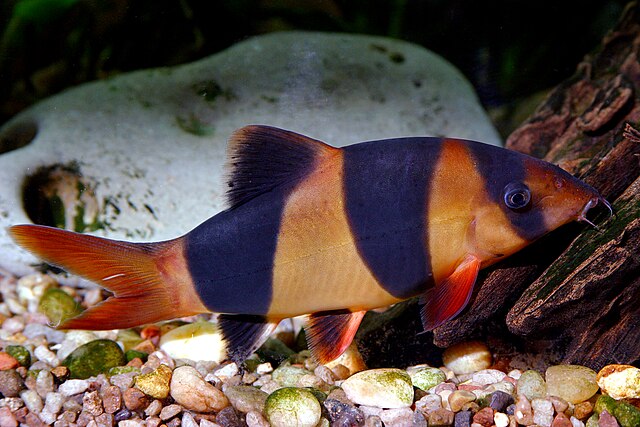
- Crown Loaches (Crown Botias) are the most well-known loach with their vibrant orange and black stripe pattern. As adults, they can exceed 30 cm in length, and keeping them requires a large tank of 120 cm or larger. They are a long-lived species with a lifespan that can reach 10–20 years when kept in proper conditions. They have a strong ability to escape and may flee through gaps in the tank lid, so caution is needed. Keeping them in schools of 5 or more individuals is recommended.
- Dwarf Chain Loaches (Dwarf Crown Loaches) are compact at 5–6 cm in total length, making schooling of 5–6 individuals possible even in a 60 cm tank. They swim actively and are well-suited to planted tanks.
- Cobalt Dwarf Loaches (Yunnanilus sp. "Cobalt") are small loaches native to Myanmar, reaching about 3–4 cm in length. As their name suggests, they are characterized by a bluish body color and are a relatively recent species in the hobby trade. They have a docile temperament and are suitable for keeping with small fish, and can even be kept in 30–45 cm tanks. They have a strong tendency to form schools, and keeping 6 or more is ideal.
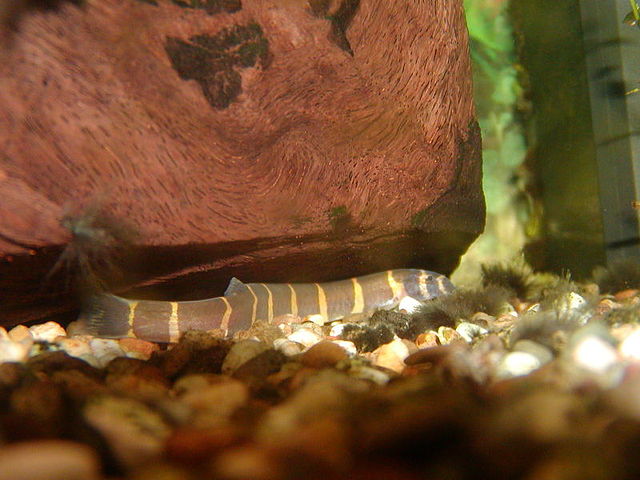
- Kuhli Loaches (Red Stripe Loaches) have an elongated body and unique habits of burrowing into substrate. They often hide in the substrate, so they are seldom visible during the day, but become active and move around at night. When kept in schools of around 5 individuals, they become more active.
Tank Setup and Substrate Selection
Since loaches have the habit of crawling along the bottom, substrate selection is key to their care. Avoid sharp gravel as it can damage their sensory barbels. Fine sand, ADA Aqua Soil, or rounded natural sand are best. Providing a substrate depth of 3–5 cm allows you to observe their burrowing behavior and can reduce stress.
Place multiple pieces of driftwood, rocks, and cave-type shelters to provide plenty of hiding places. Crown Loaches have a habit of lying on their side and remaining still inside PVC pipes or tubular driftwood, which may appear dead at first sight, but this is normal resting behavior. Be careful not to remove them in a panic.
A high-capacity external filter is suitable for biological filtration. A moderately strong current (mimicking a river with gentle flow) is fine, but be sure not to concentrate the flow in one area.
Water Quality Management and Temperature
| Item | Target Range |
|---|---|
| pH | Neutral to slightly acidic (6.5–7.2) |
| Hardness | Soft to moderately hard water (GH 5–12) |
| Water temperature | 24–28°C is standard |
| Water temperature (Cobalt Dwarf Loaches) | Tend to prefer slightly lower temperatures of 23–26°C |
Loaches in general are sensitive to sudden changes in water quality and tend to be highly susceptible to ich (Ichthyophthirus multifiliis). After purchase, always quarantine them in a separate tank for about 2 weeks to confirm their health before introducing them to the main tank. Acclimation should be done using the drip method over 60–90 minutes to avoid sudden changes in temperature and water chemistry. Perform water changes once per week, replacing 20–30% of the total water volume.
Schooling, Tankmates, and Behavior Observation
Loaches are highly social. Keeping only a few (1–2) individuals causes stress, and they often remain hidden in dark places and refuse to come out. Keeping them in groups of 5 or more brings out active behavior, and you can observe unique behaviors such as "vibration behavior" where they rapidly shake their bodies, and playful chasing among school members.
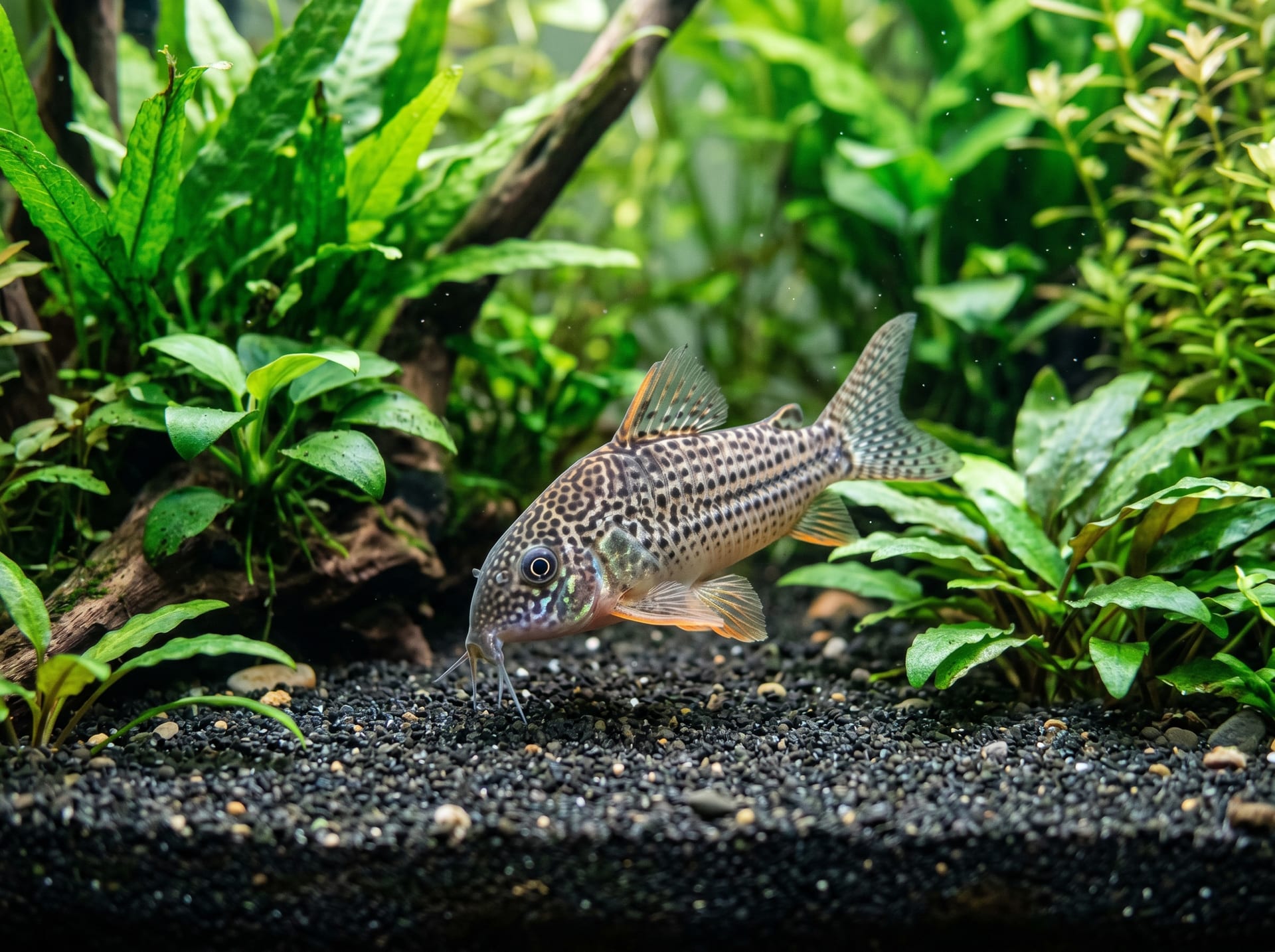
Suitable tankmates are peaceful medium to large fish such as tetras, corydoras, and plecos. On the other hand, be cautious about keeping them with bettas, aggressive fish, or very small shrimp (which loaches may eat). Their snail-eating behavior is instinctive and requires no special training, but if snails disappear completely, you should supplement their diet with sinking prepared foods or frozen bloodworms.
Feeding and Health Management
Loaches are omnivorous and readily eat sinking prepared foods (pellets and tablets). Corydoras-specific bottom tablets are particularly suitable, and it is interesting to watch them swarm and feed. They also readily eat frozen bloodworms and frozen brine shrimp, and feeding live or frozen foods several times per week is effective for maintaining their health.
In terms of disease, in addition to ich, there are risks of infection from skin flukes and internal parasites. Some loach species have few scales (nearly scaleless), and may be highly sensitive to copper-based medications. When treating ich, proceed carefully starting with low concentrations and always follow dosage instructions when medicating. Maintaining stable water conditions and avoiding overstocking are the best preventative measures.