Freshwater Shrimp Breeding Guide | How to Breed Cherry Shrimp and Bee Shrimp
A detailed guide to water quality management, temperature, aquatic plants, feeding, and rearing fry for successful breeding of Cherry Shrimp, Crystal Red, and Bee Shrimp. We also introduce how to choose varieties that are easy to breed even for beginners.
Key Takeaways
A detailed guide to water quality management, temperature, aquatic plants, feeding, and rearing fry for successful breeding of Cherry Shrimp, Crystal Red, and Bee Shrimp. We also introduce how to choose varieties that are easy to breed even for beginners.
Fundamentals of Freshwater Shrimp Breeding
✍️
BreederDirect Editorial
The BreederDirect editorial team specializes in care information for animals, covering veterinary care and breeding to deliver beginner-friendly guides.
Find Tropical Fish on BreederDirect
Buy directly from verified breeders
Browse Related Listings
Find Tropical Fish listings related to this article on BreederDirect. Buy directly from verified breeders.
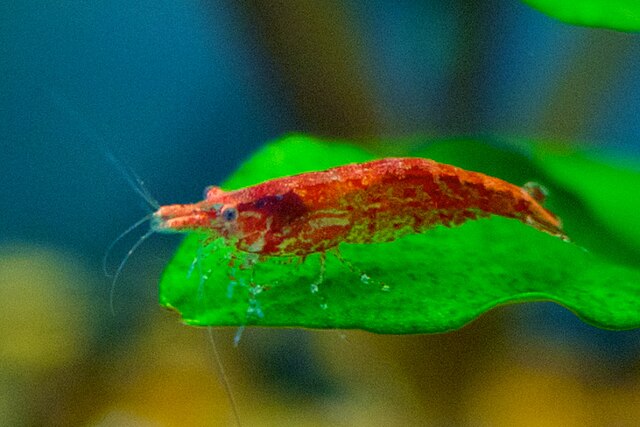
Freshwater shrimp breeding is one of the relatively easy-to-succeed areas in tropical fish keeping. In particular, Cherry Shrimp (Neocaridina davidi) are well-suited for beginners, and once water quality conditions are established, they breed naturally. On the other hand, Bee Shrimp (such as Crystal Red and Red Bee Shrimp) have a somewhat higher breeding difficulty, requiring precise water quality management.
The biggest difference between the two lies in their "tolerance range for water quality." While Cherry Shrimp can tolerate slight water quality fluctuations, Bee Shrimp are sensitive to even minor changes. Therefore, for beginners, the most practical approach is to first experience the breeding cycle with Cherry Shrimp before attempting Bee Shrimp.
Item
Cherry Shrimp
Bee Shrimp
pH
6.5–7.5
6.0–6.8
TDS
150–250 ppm
100–180 ppm
Temperature
20–26°C
22–24°C
This guide systematically explains how to create environments for successful breeding of both species, how to identify egg-bearing females, and how to raise fry.
Creating a Breeding Environment for Cherry Shrimp
Cherry Shrimp prefer slightly acidic to neutral conditions (pH 6.5–7.5), moderately hard water (TDS 150–250 ppm), and temperatures of 20–26°C. Within this range, successful breeding is entirely possible without special equipment.
Substrate selection: Soil (either absorptive or nutrient types) or acid-treated coarse sand are ideal. Plain gravel tends to raise pH easily and may also increase hardness depending on your local tap water, so caution is needed.
Aquatic plants and hiding places: Fine-leaved aquatic plants such as Willow Moss, Riccia, and Water Feather serve as hiding places for fry and accumulate abundant biofilm (microbial layer), directly improving breeding rates. Driftwood or commercially available shrimp shelters should also be installed for an ideal setup.
Filter: Sponge filters are essential to prevent fry from being sucked in. If using an external filter, always attach a sponge cover to the intake strainer.
Mature females become capable of carrying eggs around 2–3 months after birth. When the saddle (ovary) on their abdomen becomes yellow-green to orange, they mate during their next molt and begin carrying eggs. At 25°C, hatching occurs approximately 3–4 weeks after egg-bearing begins. Newborn fry are miniature versions of their parents and immediately begin crawling around the substrate.
Breeding Environment and Water Quality Management for Bee Shrimp
Crystal Red and Red Bee Shrimp prefer slightly acidic conditions (pH 6.0–6.8), soft water (TDS 100–180 ppm), and temperatures of 22–24°C. The narrow tolerance range is the key to successful breeding.
Use of soil and RO water: Bee Shrimp-specific soils (such as ADA Aqua Soil Amazonia and Pro Shrimp Soil) naturally adjust pH to slightly acidic conditions. Since tap water in most regions has TDS levels that are too high, the standard approach is to use water purified with an RO (reverse osmosis) filter and then re-adjust it with mineral supplements. The target is around TDS 120–150 ppm.
Nitrogen compound management: Ammonia and nitrite must always remain at 0 ppm, and nitrate must be kept below 10 ppm. Water changes should be kept to 10–15% at a time or less, gradually adding water matched for temperature and TDS for safe management.
Understanding the breeding cycle: Bee Shrimp breeding follows a "molt → mating → egg-bearing" cycle. Immediately after the female molts, males in the tank simultaneously rush around in a phenomenon called "mad dash." This is the signal for mating. When you observe this, it indicates that breeding has begun.
Rearing Fry and Improving Survival Rates
Fry immediately after hatching are extremely small, only 1–2 mm, and water current, filter intake, and predation are the main causes of death. Management at this stage directly affects the final survival rate.
Dual filtration: Beyond simply attaching a sponge cover to the external filter, additionally installing a sponge filter as a secondary filter provides extra safety. Biofilm accumulates on the sponge surface, creating a feeding ground for fry.
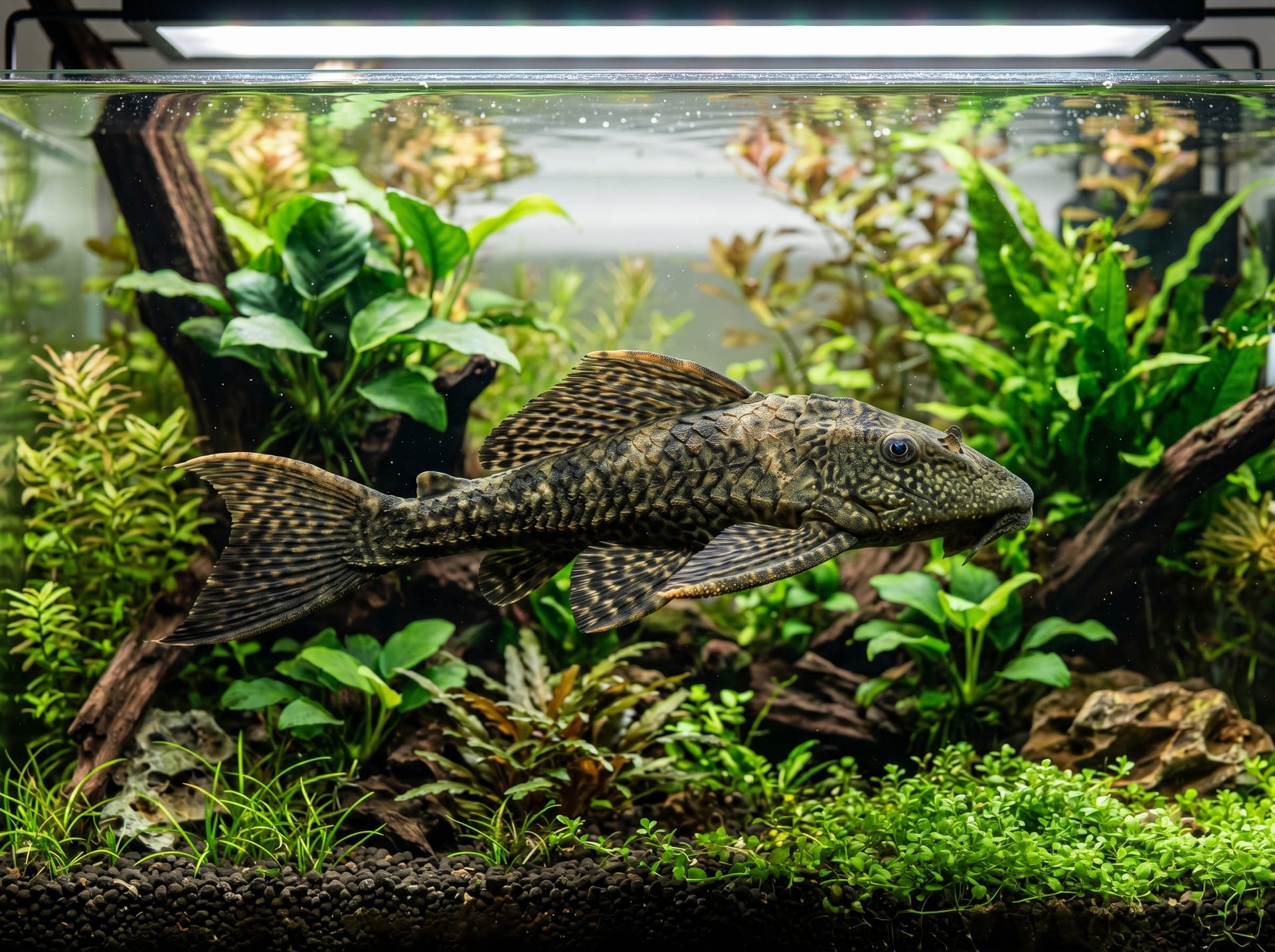
Feeding method: Fry primarily feed on biofilm and fine organic particles. In established tanks where bacteria are well-established, they can grow without additional feeding. However, as the population increases, providing small amounts of shrimp-specific powdered food (for fry) 2–3 times per week stabilizes their growth. Crushing pleco tablets finely and offering them is also effective.
Caution regarding overcrowding: Manage density at approximately 10 L per 10 adult shrimp. Overcrowding accelerates water quality degradation and territorial disputes, rapidly reducing breeding rates. If the population becomes too large, consider transferring to a secondary tank or finding new homes for them.
Monitoring from Egg-Bearing to Hatching
Once egg-bearing is confirmed, stabilizing the tank environment is a priority. Reduce water change frequency, minimize temperature fluctuations, and avoid stressing the female.
During egg-bearing, the female continuously fans the eggs with her pleopods to supply oxygen. If this behavior stops or the egg color changes suddenly, it signals egg drop. Poor water quality, sudden temperature changes, and stress are the primary causes.
Just before hatching, the eggs become transparent, and the silhouettes of fry become visible inside. Hatching typically occurs rapidly overnight, and the next morning you should see multiple fry walking around near the substrate.
Enjoying Grading and Selective Breeding
Cherry Shrimp improve in color with each generation when selectively breeding individuals with high grades (body color intensity and transparency). High-grade individuals such as Fire Red and Pine Shrimp have high market value, and it is not uncommon for breeding to develop from a hobby into a side income.
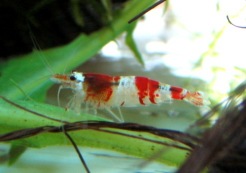
Bee Shrimp have grades ranging from S to SS to SSS to SSS+, evaluated based on the clarity of contrast between white and red (or white and black) and pattern uniformity. Even offspring from high-grade parents do not have consistent patterns, making this a deep field that requires long-term selective judgment.
The BreederDirect breeder direct-sales website allows you to directly purchase individuals that vendors have actually raised and bred. Many listings include detailed information about grade and bloodline, with abundant reference materials to help you select individuals suited to your tank environment.