Kuhli Loach Care Guide | How to Keep Sand-Dwelling Bottom Feeders, Tank Mates, and Breeding Tips
Comprehensive guide to Kuhli Loach (Pangio kuhlii) care. From size, lifespan, and price estimates, to creating sand substrate for burrowing, feeding, observing nocturnal behavior, tank mate compatibility, and breeding. A practical guide for beginners.
Key Takeaways
Comprehensive guide to Kuhli Loach (Pangio kuhlii) care. From size, lifespan, and price estimates, to creating sand substrate for burrowing, feeding, observing nocturnal behavior, tank mate compatibility, and breeding. A practical guide for beginners.
Related Species
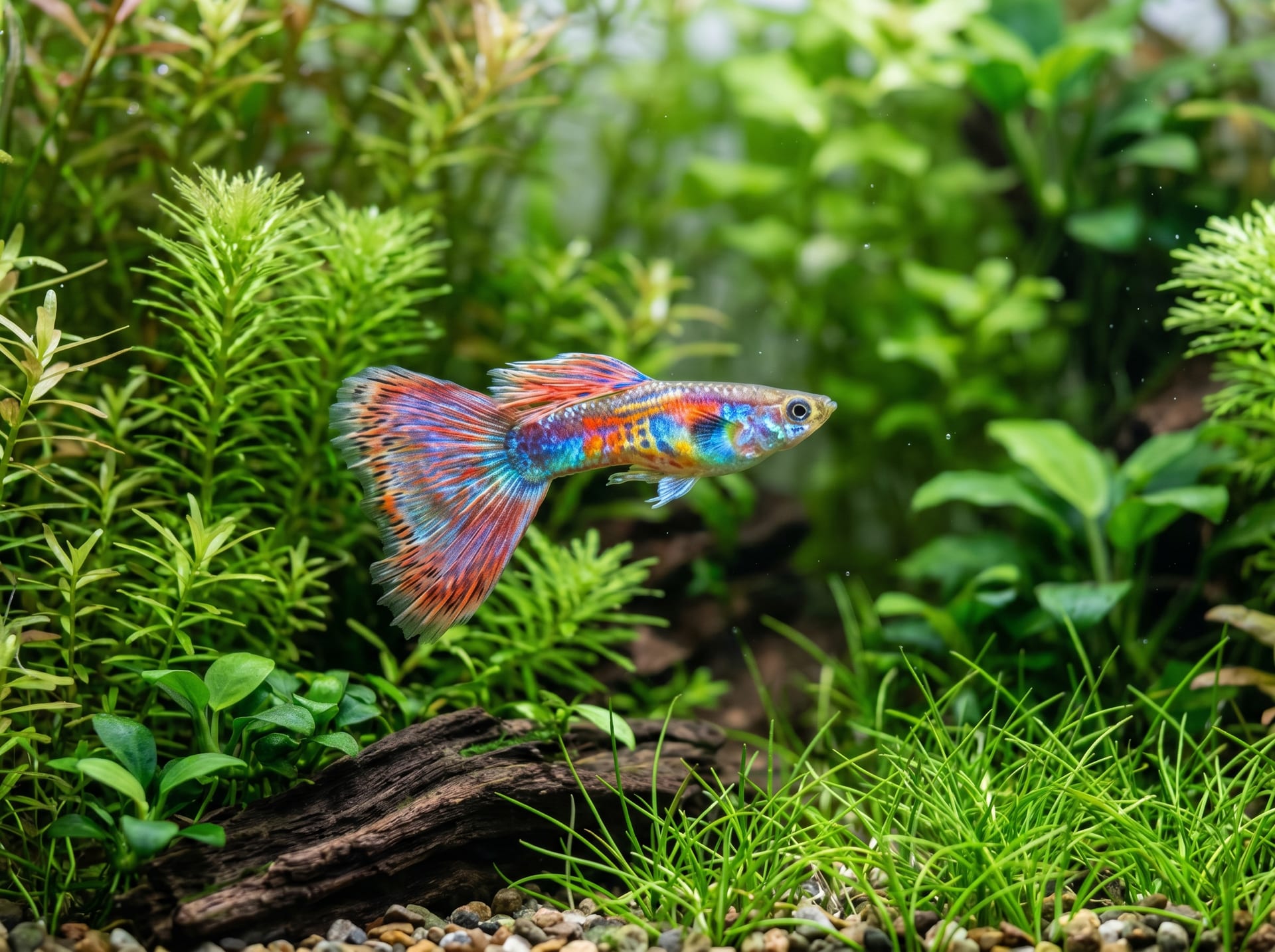
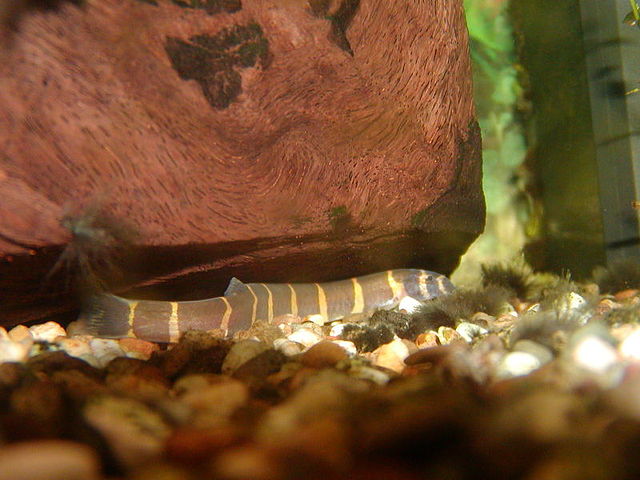
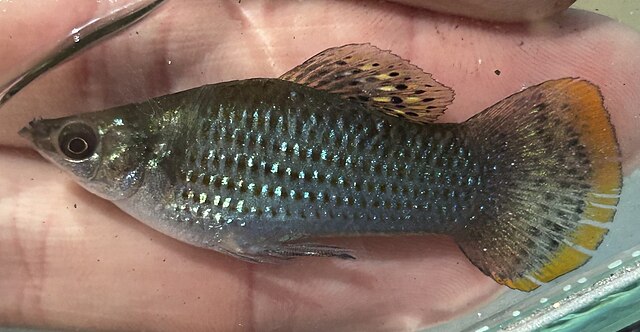
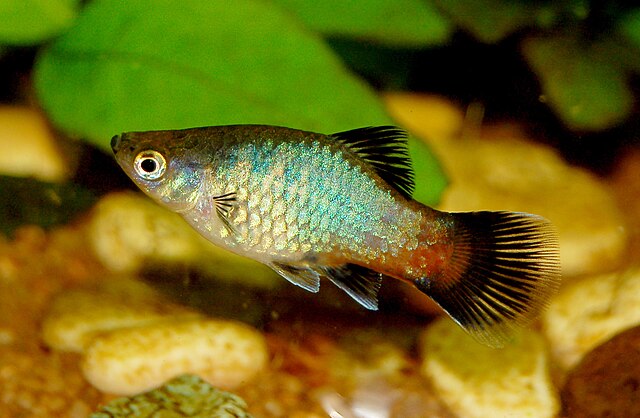
What Kind of Fish Is the Kuhli Loach?
The Kuhli Loach (Pangio kuhlii) is a species of fish in the order Cypriniformes, family Cobitidae (Cobitidae), native to Southeast Asian rivers (Malaysia, Indonesia, Thailand, etc.). It is a bottom-dwelling fish characterized by an elongated eel-like body and tiger stripe patterning. In English, it is called "Kuhli Loach" or "Coolie Loach."
They typically grow to around 8–12 cm and have relatively slow growth. They have a habit of burrowing into the substrate, and their humorous habit of poking their heads out of the sand in the aquarium makes them popular with enthusiasts.
Kuhli Loach Basic Information
| Item | Details |
|---|---|
| Scientific Name | Pangio kuhlii |
| Classification | Order Cypriniformes, Family Cobitidae |
| Size | 8–12 cm |
| Lifespan | 5–10 years |
| Water Temperature | 24–30°C (26–28°C is optimal) |
| pH | 6.0–7.5 (slightly acidic to neutral) |
| Behavior | Nocturnal, bottom-dwelling, substrate-burrowing habit |
Aquarium Setup
Tank Size and Substrate Selection
For Kuhli Loaches to thrive comfortably, fine sand substrate is essential. Coarse gravel prevents them from burrowing and causes stress.
Recommended Substrates
| Substrate | Grain Size | Suitability |
|---|---|---|
| Fine river sand (white sand, etc.) | 0.5–1 mm | Optimal. Easy to burrow in, does not harm body |
| Aquatic soil | Approx. 0.3–0.5 mm | Highly suitable |
| Natural sand (silver sand, etc.) | 0.5–1 mm | Suitable |
| Fine Aragonite sand | 1–2 mm | Acceptable range |
| Coarse gravel | 3 mm or larger | Not suitable (cannot burrow) |
| Soil | Spherical pellets | Not suitable (crumbles when they try to burrow) |
Maintain a sand depth of at least 3–5 cm. Kuhli Loaches frequently hide in the substrate, and if it is too shallow, they become stressed and swim continuously.
Tank Size (Guidelines)
- 1–3 fish: 45 cm tank (approximately 30–40 L) is possible
- 5 or more fish: 60 cm tank (approximately 60 L) or larger is recommended
- As noted below, Kuhli Loaches are more stable when kept in groups, making 60 cm or larger tanks practical.
Providing Hiding Places
Kuhli Loaches are nocturnal and hide in shaded areas during the day. Installing multiple hiding spots such as driftwood, stones, plant pots, and PVC pipes (approximately 2 cm diameter) promotes stability.
Aquatic plants with rooted types like moss and Amazon sword are less compatible than floating plants and those that attach to driftwood. This reduces the risk of the loaches eating or uprooting roots.
Water Quality and Temperature
Kuhli Loaches prefer slightly acidic to neutral water.
Optimal Water Parameters
| Parameter | Optimal Range | Notes |
|---|---|---|
| Water Temperature | 24–30°C | Around 26°C is most active |
| pH | 6.0–7.5 | Near neutral is easiest to maintain |
| General Hardness | 5–15 dGH | Soft to moderately hard water |
| Ammonia | 0 ppm | Maintain at zero |
| Nitrite | 0 ppm | Maintain at zero |
Kuhli Loaches have small scales and are sensitive to medications and chemicals. When using medicated treatments, start with half the normal dose. They also have low tolerance for salt baths (sodium chloride); if using salt baths for ich treatment, use a conservative concentration (around 0.1–0.2%).
Feeding and Feeding Methods
As bottom-dwellers, Kuhli Loaches require sinking foods rather than floating pellets.
Suitable Food Types
- Sinking pellets (corydoras tablets, loach food, etc.)
- Frozen bloodworms and frozen tubifex worms (2–3 times weekly)
- Bee shrimp food that sinks to the substrate
- Dried krill (small size)
Being nocturnal, feeding after lights are off makes it easier to observe them eating and prevents other fish from stealing their food. Food added during the day often goes uneaten, but they typically consume it during the night while hidden.
Kuhli Loach Price and Selection
Kuhli Loaches are relatively easy to obtain, typically selling for around 300–600 yen per fish. Packs of five are often sold for 1,500–2,500 yen, making group purchases more economical.
| Sales Format | Price Range |
|---|---|
| Individual (5–7 cm) | 300–600 yen |
| Pack of 5 | 1,500–2,500 yen |
| Related species (Black Kuhli, etc.) | 500–900 yen |
Points to Check When Purchasing
- No body damage or cloudiness … Kuhli Loaches have small scales and are easily injured. Check that transport damage has not left marks.
- Not excessively thin … Recently imported individuals may be lean. Avoid fish with sunken bellies and raised backs.
- Settled on the substrate … Fish constantly swimming near the water surface may be in poor condition.
- Quantity … A single fish often remains hidden and will not emerge. Start with 3–5 fish.
Related species such as "Black Kuhli Loach" and "Striped Loach types" are sometimes stocked alongside them. Care is nearly identical, though body size and burrowing behavior differ. Confirming by scientific name (Pangio kuhlii) or the presence of tiger stripe patterning is most reliable.
Tank Mate Compatibility
Kuhli Loaches have a gentle temperament and present no issues when kept with typical tropical fish.
Fish Suitable for Tank Mates
- Tetras (all Characins)
- Guppies, Platies, Mollies, and other livebearers
- Rasboras and Danios (not bottom-dwellers, so they do not interfere)
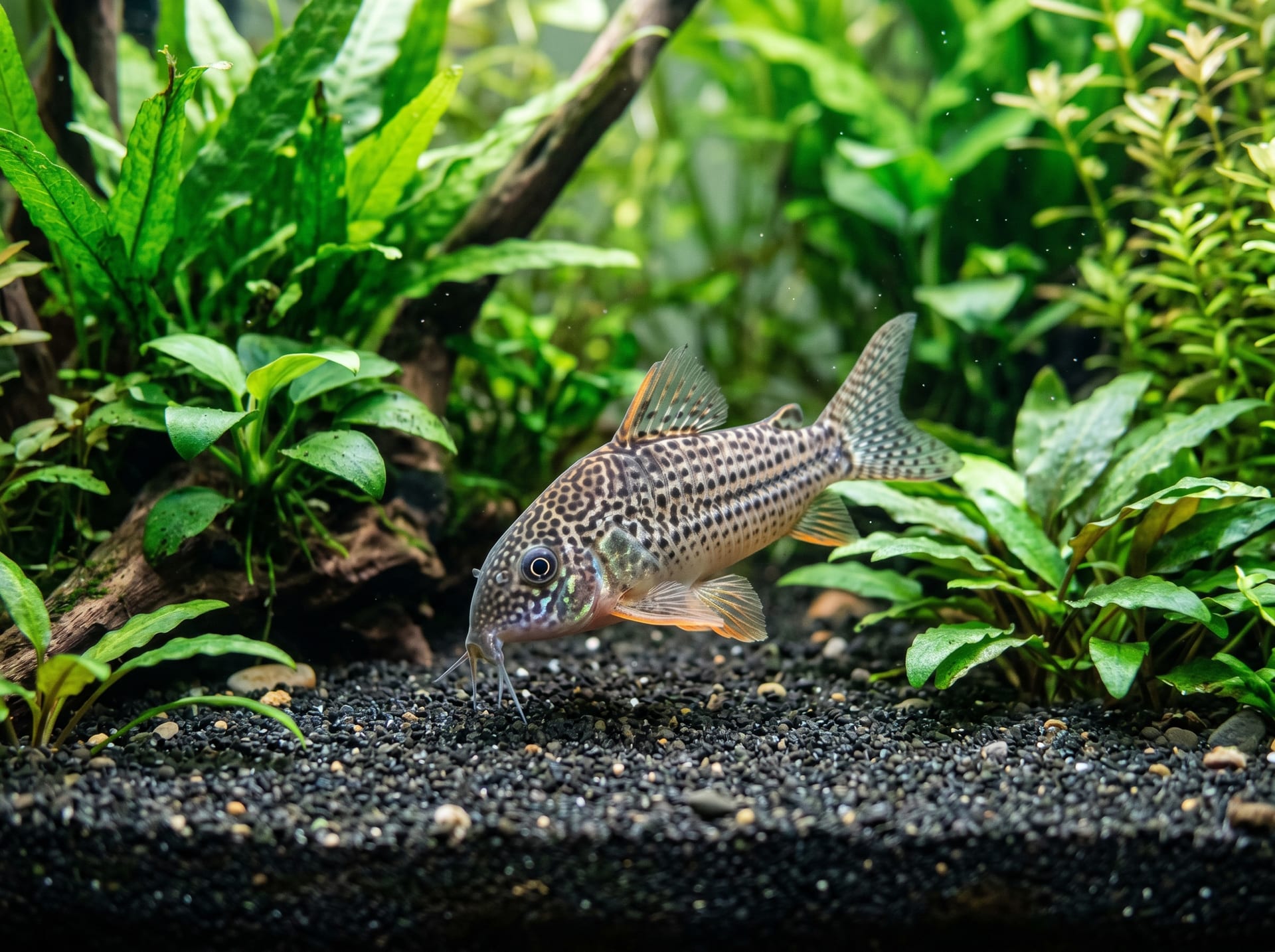
- Corydoras (also bottom-dwellers but gentle and can coexist)
- Angelfish and Gouramis
Fish to Avoid as Tank Mates
- Large cichlids (predation risk)
- Arowanas and snakeheads (predation risk)
- Aggressive loaches (territorial disputes may occur with Dwarf Loaches, etc.)
Group Keeping Recommended
Kuhli Loaches are significantly more stable when kept with their own kind. A single fish is timid and remains hidden, but three to five or more display active movement and behavior. Multiple fish are ideal.
Breeding
Breeding Kuhli Loaches in the aquarium is difficult, and successful breeding is uncommon in home aquariums.
Conditions Most Favorable for Breeding
- Environment rich in aquatic plants (floating plants and moss serve as spawning substrate)
- Water changes simulating the rainy season (adding large quantities of slightly cooler new water)
- Sufficiently mature individuals (1–2 years or older)
The sticky green eggs are typically laid on the roots of floating plants. Fry are extremely tiny after hatching and require infusoria and fine-grained foods. Growth is slow, making rearing quite difficult.
Common Problems and Solutions
They are not visible (burrowed in sand)
This is normal behavior. Especially during the day, they stay in the sand or hiding spots. Check after lights are off, or use a red light (designed for observing nocturnal animals) to observe activity.
Body color fading and loss of appetite
Signs of poor water quality or stress. Test for ammonia and nitrite, and perform water changes. Insufficient hiding places can also cause stress.
Ich (White Spot Disease)
Commonly occurs from temperature drops or rapid fluctuations. Gradually raise the water temperature to 28–30°C over several days. If using medication, be aware of Kuhli Loaches' sensitivity and start with half the normal dose.
Summary
Kuhli Loaches can be enjoyed for nearly 10 years if three principles are followed: fine sand substrate, hiding places, and understanding their nocturnal nature. When kept in groups, their social behavior is expressed, enriching the activity at the bottom of the tank. Their unique habit of "burrowing in sand," unlike corydoras, brings a new dimension of enjoyment to the aquarium.