Source: Wikimedia Commons
Burmese Border Loach
IntermediateBotia kubotai
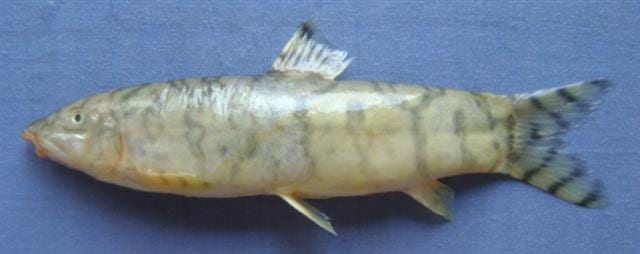
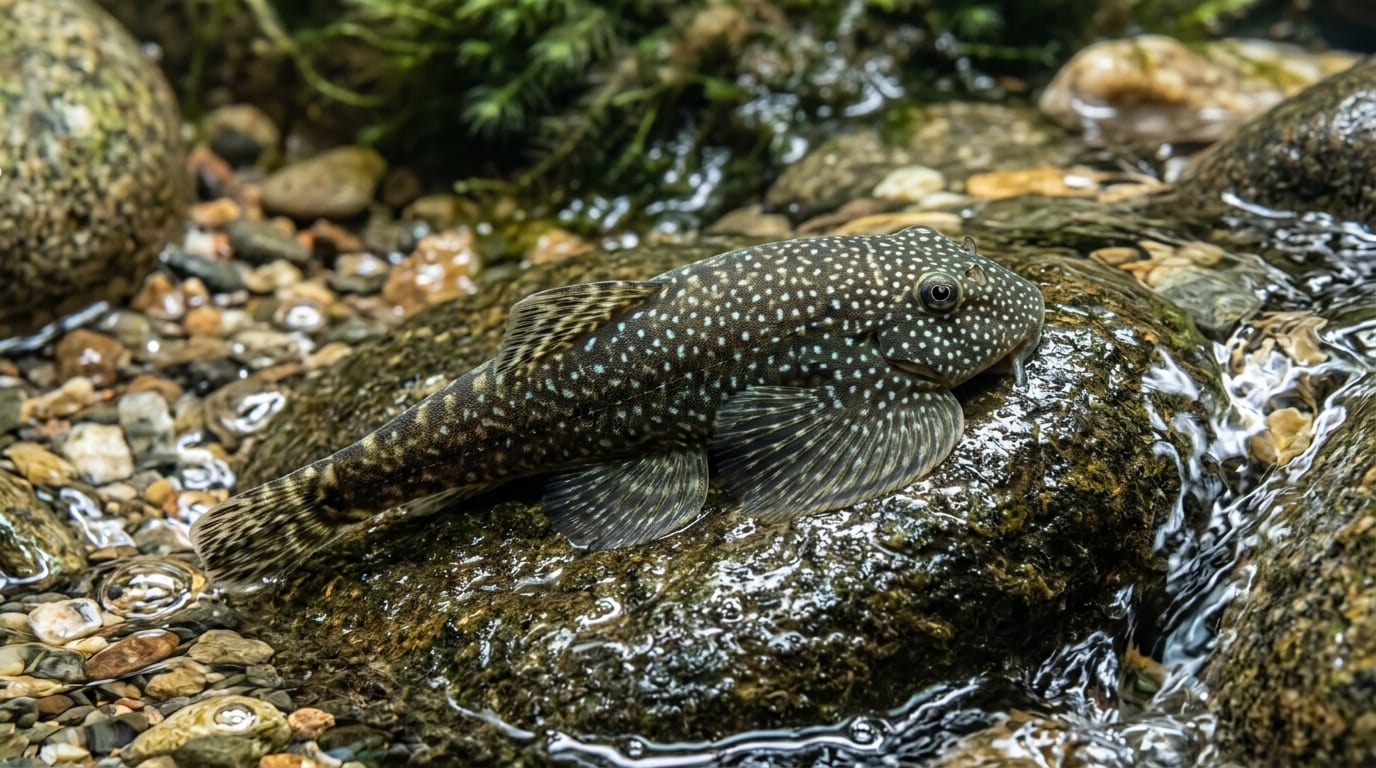
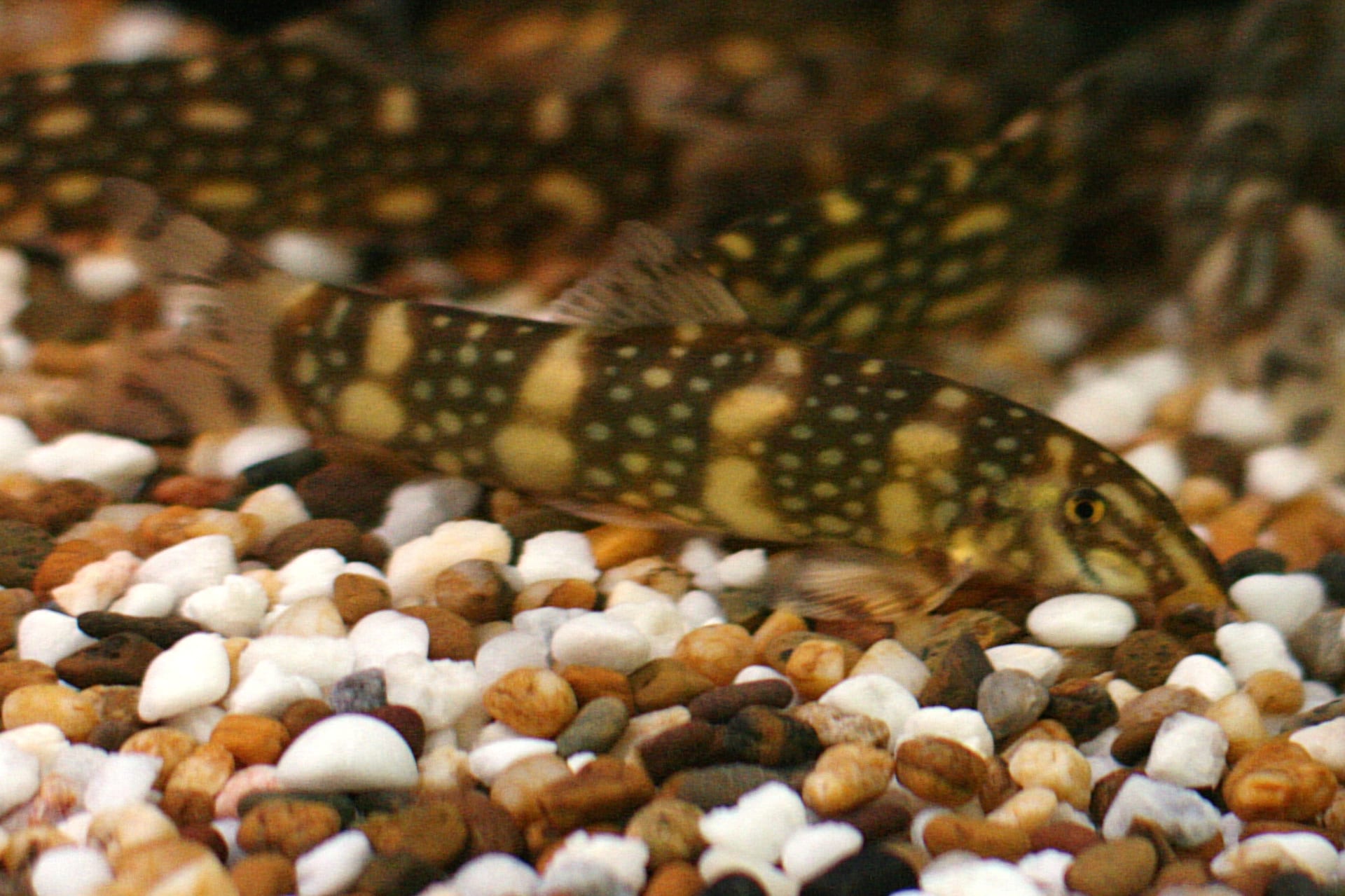
One of the most strikingly marked loaches, with yellow blotches set between black bars and stripes. It comes from the Ataran basin of eastern Myanmar, and with age the bars broaden while the blotches narrow.
Difficulty
Intermediate
Temperature
22〜28℃
Size
About 15cm
Diet
Sinking dried foods, frozen bloodworm, Tubifex, vegetables such as cucumber
About
Botia kubotai is a loach of the Ataran River basin in eastern Myanmar. Kottelat described it in 2004, relatively recently, though it was already in the aquarium trade before then. Its diagnostic pattern is three black stripes and five black bars enclosing four pairs of yellow blotches; with age the bars and stripes widen and the blotches become slender. FishBase gives a length of 15.0cm. FishBase records no temperature or pH figures, while Seriously Fish gives 22-28C, pH 6.0-7.5, 2-10dGH and a 120 x 45cm tank of about 243 litres. A bottom of sand or fine gravel with rounded stones and driftwood, arranged for plenty of cover, lets it settle. It is not especially aggressive, but avoid much smaller fish and slow, long-finned species. It is strongly gregarious and should be kept in a group. Breeding in private aquaria is virtually unreported, and trade stock is largely hormone-induced. IUCN status is Data Deficient.
Source: Wikipedia (CC BY-SA 4.0)
Size of the Burmese Border Loach
The Burmese Border Loach grows to About 15cm.
Temperature & humidity for the Burmese Border Loach
The ideal temperature for the Burmese Border Loach is 22〜28℃.
Basic Info
Origin
Southeast Asia (Ataran River basin, Myanmar)
Size
About 15cm
Temperature
22〜28℃
Diet
Care Specifications
- pH
- 6–7.5
- Hardness (GH)
- 2–10 dGH
- Water Temp.
- 22–28℃
- Min. Tank
- 243 L
Semi-aggressiveGroupBreeding: Very hard
Sources: FishBase / Seriously Fish
References & Sources
Edited & verified by: BreederDirect editorial team
The taxonomic, regulatory, and husbandry data on this page are compiled and verified against the authoritative primary sources below.
Taxonomy & Authority
Accepted name: Botia kubotai Kottelat, 2004
Authority databases: FishBase
Nomenclature follows global taxonomic authority databases.
Regulations & Conservation Status
Not CITES-listedIUCN DD · Data Deficient
Sources: CITES Appendices (species not listed) / IUCN Red List
Regulations may change. Always verify the latest information with the relevant authorities.
Burmese Border Loach Listings
Loading latest listingsFind listings for this species