 © Hamid Badar Osmany / CC BY 3.0
Reticulate Loach
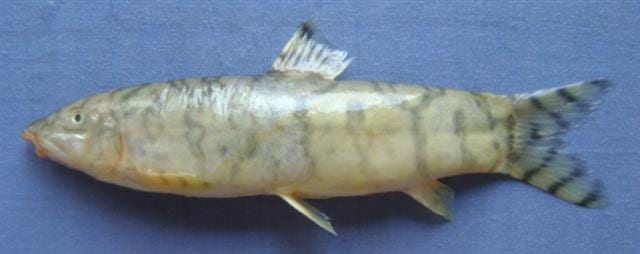
The Reticulate Loach — also known as the Pakistani loach or yo-yo loach — is a mid-sized loach with a silvery body marked by a bold, net-like black pattern. Native to the rocky, gravel-bottomed rivers of India and Pakistan, juveniles show Y-shaped markings that gradually shift into the adult reticulated look, giving the fish its yo-yo nickname. It settles down and shows more natural behavior when kept in groups rather than alone, busily foraging along the substrate among plenty of hiding spots. With its expressive face and playful movements, it's a popular choice among intermediate-level keepers. Since adults reach around 15 cm, plan for a tank suited to their full-grown size.
View Reticulate Loach encyclopedia →0% commission on your first sales!Register by September 30, 2026 and your first 2 sales are commission-free!
Breeder Wanted!
List on BreederDirect and sell directly to customers nationwide!
Our 6 Transparency Commitments
All Tropical Fish listings include water quality, temperament, and tank size information from verified Breeder.
- Origin Disclosed
- Real Photos
- Water Quality Disclosed
- Recommended Tank Size
- Temperament Disclosed
- Breed Line Disclosed
Browse all 301 breeds
Water Type
Care Level
Verified breeders wanted for Tropical Fish
Breeders are signing up now ahead of launch. Subscribe to be notified when new listings go live.
Getting alerts is free with a member account. When new listings match your saved search, we'll notify you by email and in-app.
Browse other categories
Verified breeders (preview)
Are you raising tropical fish?
Register as a breeder and connect with buyers directly.
Apply as a breederReticulate Loach key facts
- Care level
- Intermediate
- Lifespan
- 8-12 years
- Size
- About 15cm
- Temperature
- 24〜30℃
- Diet
- Sinking dried foods, frozen bloodworm, Tubifex, vegetables such as cucumber
- Tank
- Seriously Fish gives 120 x 45cm, about 243 litres, for this species group. Use sand or fine gravel with rounded stones and driftwood to create plenty of cover; its constant exploring calls for floor space.
- Water Temperature & Quality
- FishBase records 24-30C, pH 6.0-8.0 and 5-12dH in the wild. Seriously Fish gives 19-27.5C, pH 6.0-7.5 and 2-12dGH for the species group.
- Tank Mates
- Not especially aggressive, but much smaller fish are intimidated. Avoid slow, long-finned fish such as ornamental bettas and guppies, whose fins get nipped. Robust open-water cyprinids suit it well.
- Diet & Feeding
- Chiefly carnivorous, taking molluscs, insects and worms, but it also eats plant matter. Combine sinking dried foods with frozen bloodworm, Tubifex and vegetables such as cucumber. Soft-leaved plants may be nibbled.
- Breeding & Spawning
- FishBase records it as oviparous with distinct pairing at breeding time, but Seriously Fish states there are no reports of breeding in private aquaria. Trade stock is largely hormone-induced, and hybrids have appeared on the market in recent years.
- Health & Notes
- It settles in a group, so avoid keeping it singly, and it is not suited to a newly set-up, unstable tank. IUCN status is Least Concern.
About Reticulate Loach
Learn about the Reticulate Loach (Pakistani loach), a mid-sized loach with striking black net-like markings, including its group-living habits and key care essentials before bringing one home.
7 things to know before welcoming a Reticulate Loach
1Keep in groups
Reticulate Loaches feel most secure in the company of their own kind. Kept alone or in very small numbers, they tend to stay hidden, so plan to bring home several at once.
2Choose a soft substrate
This bottom-dwelling species likes to rub its barbels and body along the substrate as it explores. Choose smooth, rounded gravel or sand rather than sharp-edged material to avoid injury.
3Provide plenty of hiding spots
They favor tanks with plenty of rockwork, driftwood, or tubes to retreat into. With enough hiding spots available, they become bolder and more visible during the day.
4Be cautious with medications
Loaches as a group are often considered sensitive to certain medications, so care is needed with dosage and ingredients when treating the tank. If you notice any change in behavior, check water quality first.
5Use a secure lid
These fish may leap out of the water when startled or when conditions change suddenly, so a secure lid is essential. Choose one with minimal gaps to prevent jumping accidents.
6Plan for its adult size
This is a mid-sized species that grows to around 15 cm as an adult. Even if you start with a small juvenile, plan your tank size and layout around its eventual adult length from the beginning.
7Markings change with age
Juveniles show Y-shaped markings that gradually transform into the adult's net-like pattern as they mature. This transformation is the origin of the species' yo-yo loach nickname.
Frequently asked questions about Reticulate Loach
- Q.Can it be kept as a single fish?
- A.It can technically be kept alone, but it tends to hide more and show less of its naturally active behavior. Keeping several together is recommended if you want to see its true personality.
- Q.Can it be kept with other fish species?
- A.Its generally peaceful temperament makes it suitable for community tanks with similarly sized fish. Minor squabbles can occur between its own kind, so plenty of hiding spots help keep things calm.
- Q.How difficult is it to keep?
- A.This species is generally considered suitable for intermediate-level keepers. Some experience with water quality management and medication sensitivity helps things go smoothly.
- Q.What should I feed it?
- A.It's an omnivore that readily eats sinking pellets or tablets, and it also has a taste for snails. Choose food that sinks reliably to the bottom so it can reach the fish.
- Q.Is it listed under CITES?
- A.No, the Reticulate Loach is not subject to CITES.
Useful tools for Reticulate Loach care
Learn more about Reticulate Loach in the encyclopedia
View Reticulate Loach encyclopedia entry →
Care difficulty, lifespan, size and diet — all basics covered.
More in this category
Can't find the one you're looking for?
Post your wishes for free and breeders with matching animals will contact you with introductions.