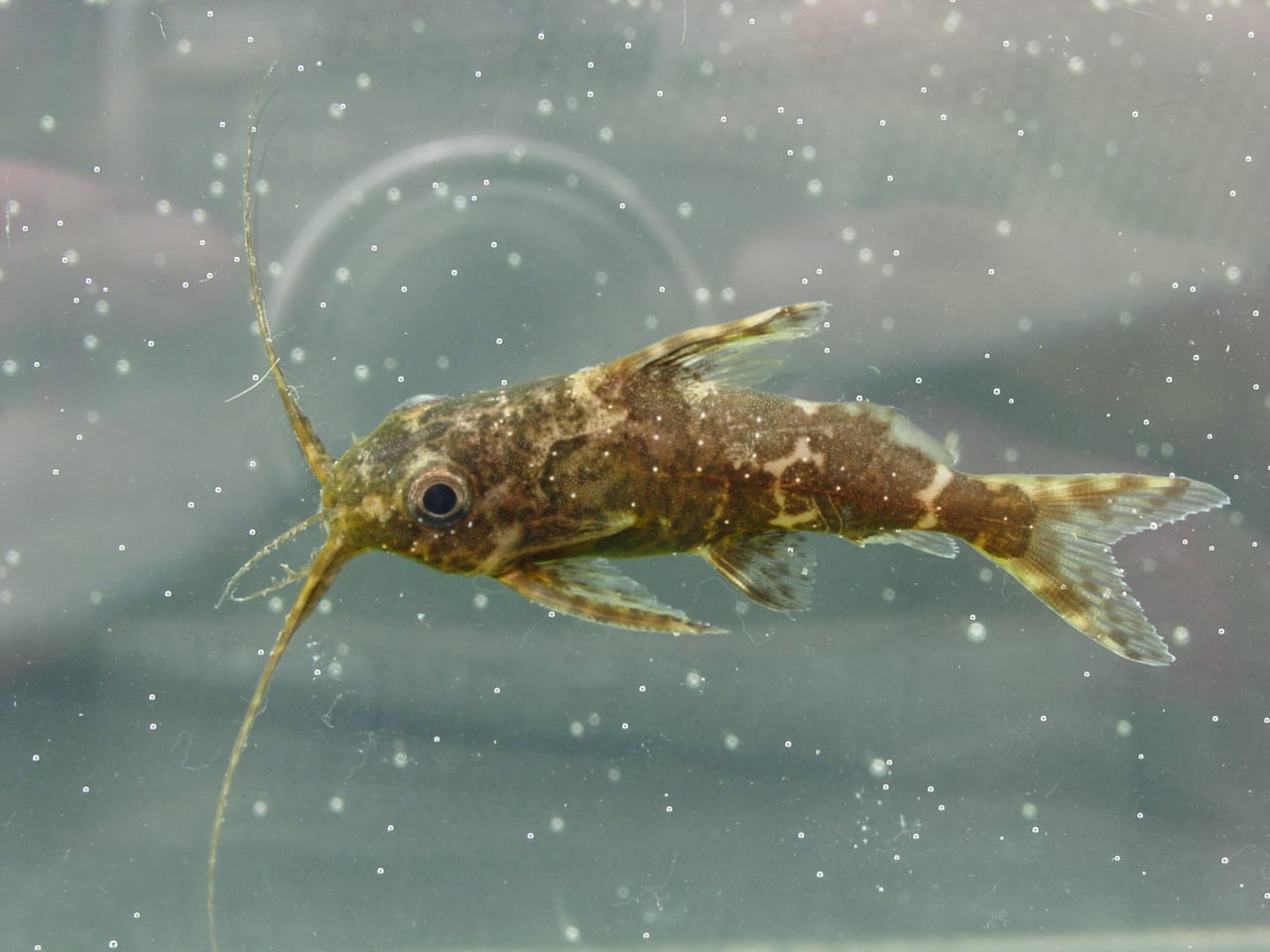
 © John P. Friel Ph.D. / CC BY 4.0
Upside-down Catfish
The Upside-down Catfish is a small catfish native to the Congo River basin, famous for its habit of swimming belly-up rather than the usual right-side-up. Its coloring is reversed too, darker on the belly and paler on the back, a pattern that matches its inverted posture rather than the shading seen in most fish. Reaching about 10 cm in length, it is a calm, shade-loving species that feels most secure in a group of four or more, where its quirky upside-down swimming can be observed naturally. Considered beginner-friendly, it is a popular choice for anyone wanting a small aquarium fish with genuinely unusual behavior.
View Upside-down Catfish encyclopedia →0% commission on your first sales!Register by September 30, 2026 and your first 2 sales are commission-free!
Breeder Wanted!
List on BreederDirect and sell directly to customers nationwide!
Our 6 Transparency Commitments
All Tropical Fish listings include water quality, temperament, and tank size information from verified Breeder.
- Origin Disclosed
- Real Photos
- Water Quality Disclosed
- Recommended Tank Size
- Temperament Disclosed
- Breed Line Disclosed
Browse all 301 breeds
Water Type
Care Level
Verified breeders wanted for Tropical Fish
Breeders are signing up now ahead of launch. Subscribe to be notified when new listings go live.
Getting alerts is free with a member account. When new listings match your saved search, we'll notify you by email and in-app.
Browse other categories
Verified breeders (preview)
Are you raising tropical fish?
Register as a breeder and connect with buyers directly.
Apply as a breederUpside-down Catfish key facts
- Care level
- Beginner-friendly
- Lifespan
- 5-8 years
- Size
- Up to about 10cm
- Temperature
- 24〜28℃
- Diet
- Frozen and live foods, dried foods, vegetables (shelled peas, cucumber)
- Tank
- About 75 x 30 x 30cm (70 litres), with abundant cover from wood, rock and pipework. A group needs more than this.
- Water Temperature & Quality
- 24-28C, pH 6.0-7.5, 5-20 dGH. Keep conditions stable and avoid sudden swings.
- Tank Mates
- One of the most gentle Synodontis. Suits African tetras, dwarf cichlids and small mormyrids. Keep in groups of at least 3-4.
- Diet & Feeding
- Omnivorous, taking frozen, live and dried foods, and rasping at shelled peas or cucumber. It often feeds at the surface upside down.
- Breeding & Spawning
- Bred in captivity but poorly documented; a large cool water change is a reported trigger. Up to 450 eggs are laid in depressions or caves, fry swim free after 4 days and adopt the inverted posture at 7-8 weeks.
- Health & Notes
- Nocturnal and shy by day; it is restless without enough cover. The stiff pectoral and dorsal spines snag in nets, so move it in a container.
About Upside-down Catfish
A small catfish from the Congo River basin known for swimming upside-down. Growing to about 10 cm, it is beginner-friendly and does best kept in groups of four or more.
7 things to know before welcoming a Upside-down Catfish
1Swimming Upside-Down
Upside-down Catfish spend most of their time swimming belly-up, and this is not abnormal, it is their natural posture. It is thought to help them fit comfortably against the underside of rocks, driftwood, and other overhangs.
2Keep Them in a Group
Keeping three or four or more together helps them settle in and come out from hiding more often. A lone individual tends to stay hidden and is harder to observe.
3Provide Plenty of Hiding Spots
Driftwood, caves, and rock formations that they can cling to belly-up give them a sense of security. Too few hiding spots can lead to stress or territorial disputes.
4Mostly Active at Night
They tend to stay still in hiding during the day and become more active once the lights dim in the evening. If you want to watch them swim, dusk or just after lights-out is the best time.
5Peaceful and Community-Friendly
They are a peaceful species that rarely bothers other fish, making them suitable tankmates for similarly sized community fish. That said, very small shrimp may be seen as food, so choose tankmates with size in mind.
6Prefers Stable Water Conditions
They are sensitive to sudden shifts in water quality or temperature, so regular partial water changes help keep conditions stable. When introducing them to a new tank, acclimate them slowly.
7Prepare the Tank Before They Arrive
Since they grow to around 10 cm, set up a tank roomy enough to fit multiple hiding spots. If keeping a group, check in advance that the tank size and filtration can support the number of fish.
Frequently asked questions about Upside-down Catfish
- Q.Why does the Upside-down Catfish swim belly-up?
- A.It is believed to be a posture that lets it fit snugly against the underside of driftwood or overhangs. This is a natural, inherited behavior, not a sign of illness.
- Q.Can I keep just one on its own?
- A.Yes, a single fish can be kept, but it tends to stay hidden more often when alone. Keeping a group of four or more helps it settle in and be more visible.
- Q.Is it safe to keep with other tropical fish?
- A.Yes, its peaceful temperament makes it a good community fish with similarly sized species. Just be cautious pairing it with very small shrimp, which may be treated as food.
- Q.I rarely see it swimming during the day, is that normal?
- A.Yes, that is typical. They tend to rest in hiding during the day and become more active in the evening once the lights are dimmed.
- Q.Is it difficult to keep? Is it suitable for beginners?
- A.It is considered a beginner-friendly species that is easy to care for once you keep up with basic water quality maintenance. It grows to about 10 cm and does well kept in a group.
Useful tools for Upside-down Catfish care
Learn more about Upside-down Catfish in the encyclopedia
View Upside-down Catfish encyclopedia entry →
Care difficulty, lifespan, size and diet — all basics covered.
Upside-down Catfish related articles
See more Upside-down Catfish articles →More in this category
Can't find the one you're looking for?
Post your wishes for free and breeders with matching animals will contact you with introductions.